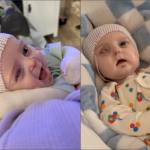
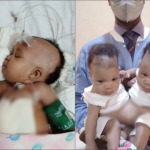
‘TWO DIFFERENT GIRLS… IT’S JUST AMAZING’: PARENTS CELEBRATE AS TWIN GIRLS BORN JOINED AT THE HEAD ARE FINALLY ABLE TO GROW AS TWO SEPARATE LITTLE GIRLS
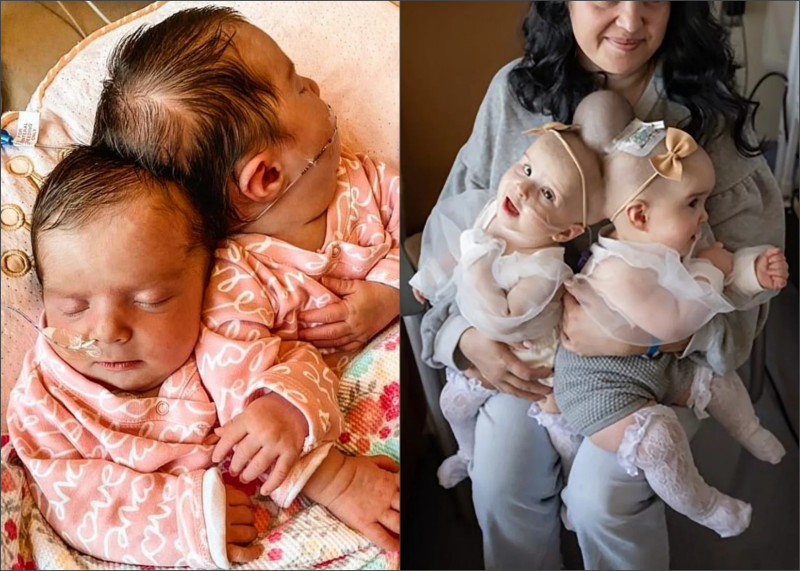
“It felt almost impossible to separate them, but God and the doctors and nurses at UC Davis made it possible,” mom Liliya Miroshnik said of her daughters Abigail and Micaela.
Two baby girls who were born connected at the head have been successfully separated in what medical professionals are calling a “landmark surgery.”
The 9-month-old sisters — born with an extremely rare condition known as craniopagus twins, where they were connected at the head — are now recovering while their parents, Liliya Miroshnik and Anatoliy Bachinskiy, are counting their blessings.
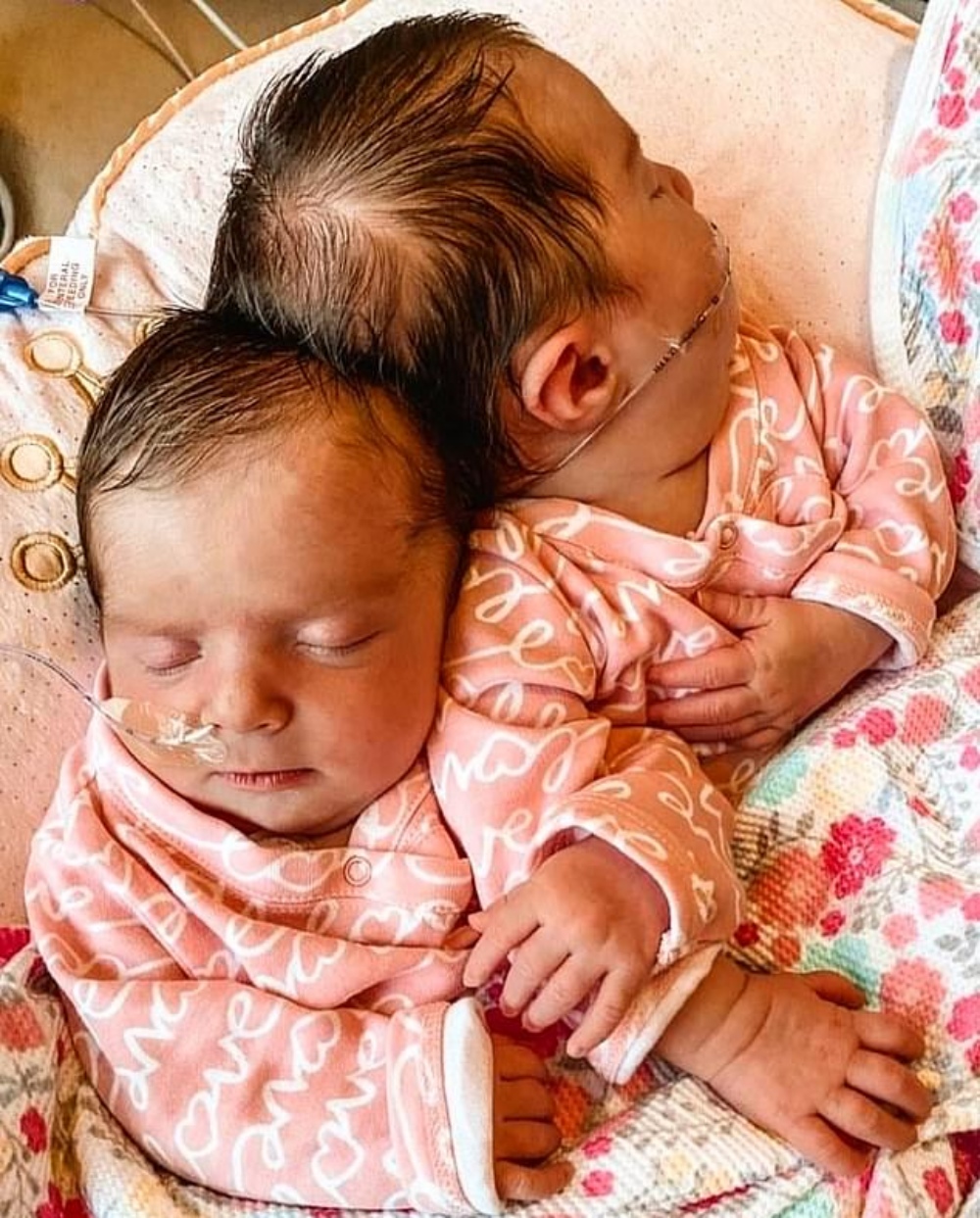
“This is a landmark surgery for us at UC Davis Children’s Hospital,” lead pediatric neurosurgeon Dr. Michael Edwards said in a statement. “Abigail and Micaela are doing well and recovering in our Pediatric Intensive Care Unit, thanks to an incredible team effort dedicated to giving these very rare twins the best opportunity for a healthy future.”
Mom Miroshnik, 33, added: “Everything went well. It felt almost impossible to separate them, but God and the doctors and nurses at UC Davis made it possible. We are so thankful.”
According to the hospital, Miroshnik learned her daughters were connected at the head when she was 11 weeks pregnant.
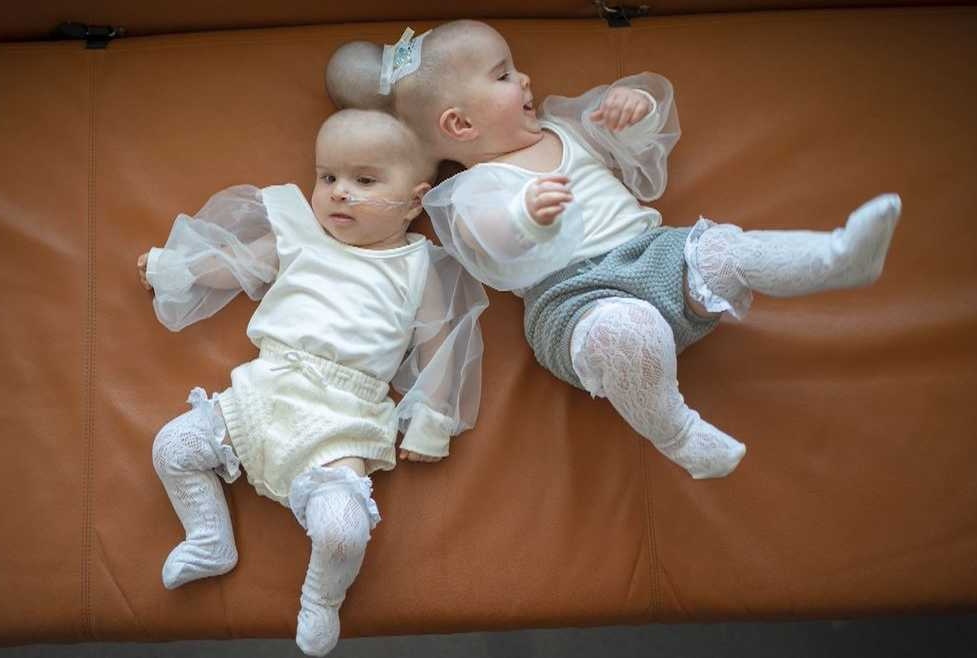
At the time, Miroshnik — already a mother of three boys — said she struggled to process the news but found comfort in her husband, who reassured her they would face the journey together, NBC affiliate KCRA reported.
“It was very difficult. I was in complete shock. I couldn’t process it,” Miroshnik recalled. “When I got home, my husband told me everything would be okay. We would get through it. These are our children, and we already loved them.”
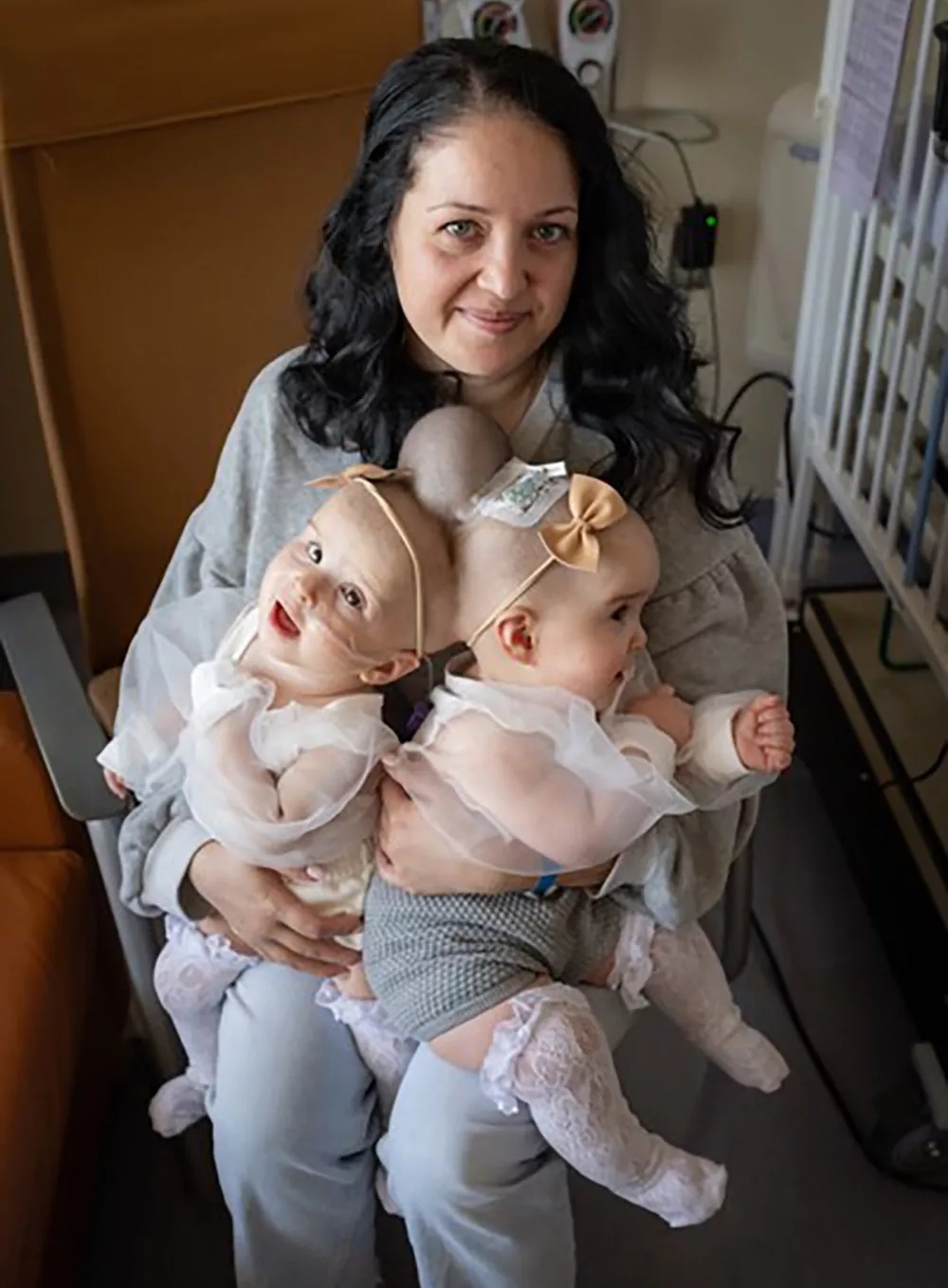
The North Highlands mom was referred to the UC Davis Fetal Care and Treatment Center, where she received specialized prenatal care, learned more about her daughters’ condition, and prepared for their arrival.
UC Davis said its medical teams also prepared extensively for the twins’ delivery by practicing nearly every possible scenario to reduce the many risks the girls could face.
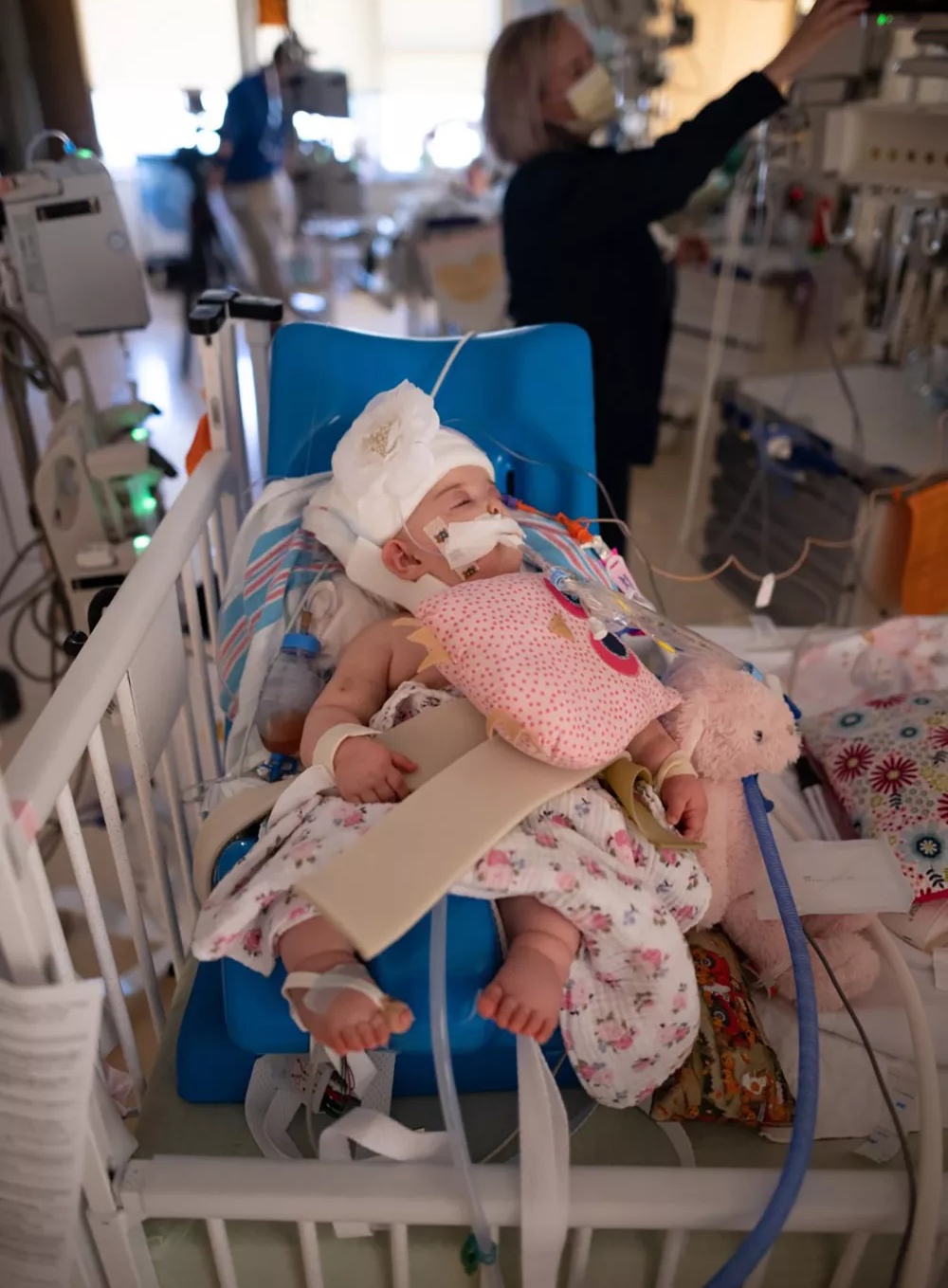
On Dec. 30, Abigail and Micaela entered the world. After birth, they were admitted to the hospital’s Neonatal Intensive Care Unit (NICU), where they spent seven weeks before going home.
It wasn’t until the twins were 9 months old that doctors determined the time was right to bring them back for the separation procedure.
“As they grow older, the shared blood vessels and structures can become larger and even more complex. The upcoming flu, COVID-19 and RSV season was also a concern,” explained lead plastic surgeon Dr. Granger Wong.
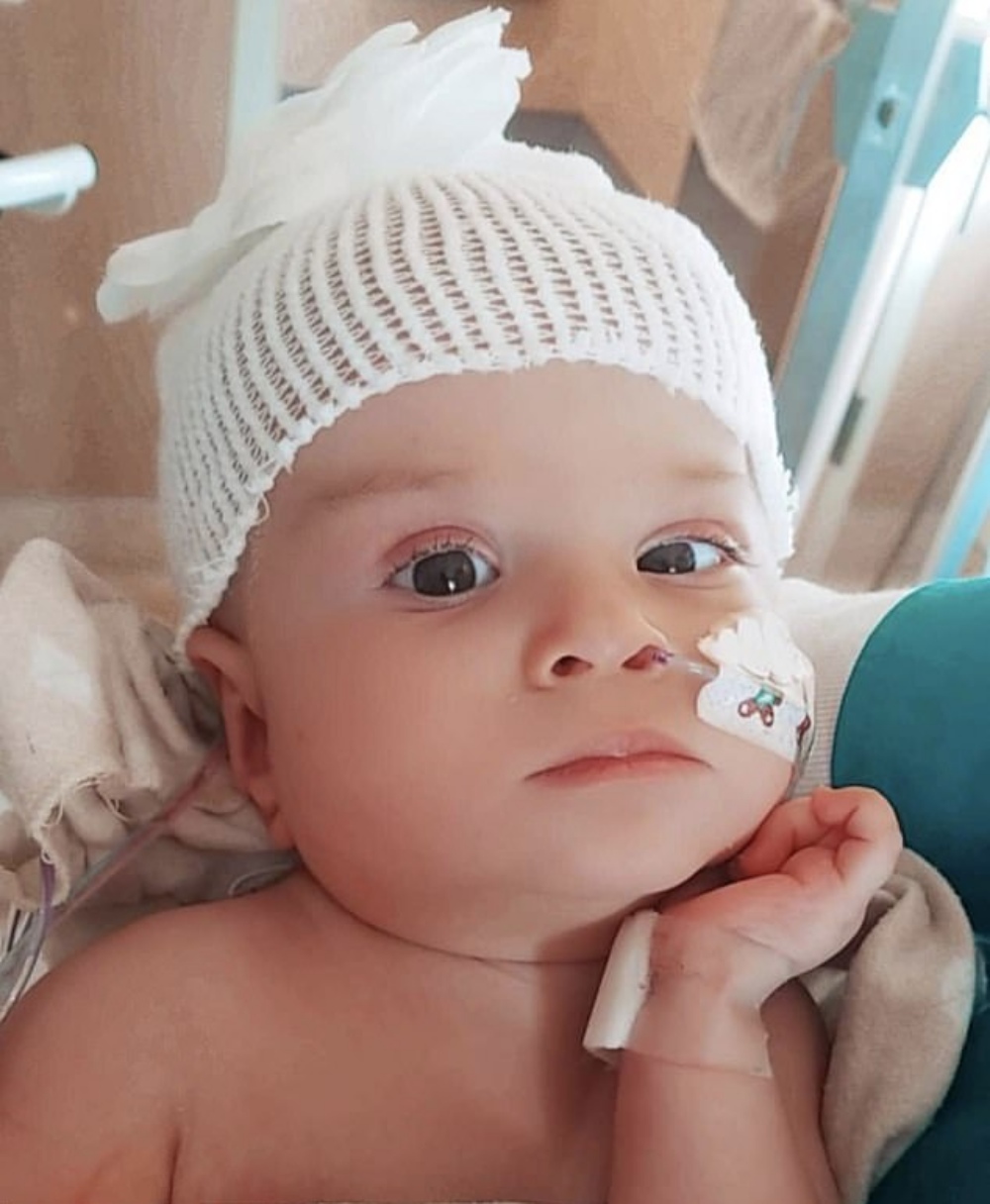
“It’s an incredibly rare condition,” Dr. Edwards added to KCRA. “Very few children worldwide are born with it each year, and only a small number have anatomy that allows doctors to safely attempt a separation with the hope of giving both babies healthy futures.”
Once again, medical teams spent months preparing. They created 3D models of the twins’ connected skulls for practice and used mixed-reality technology to study the girls’ anatomy in detail and carefully plan how to separate the shared blood vessels.
Dr. Wong’s team also placed custom-designed tissue expanders beneath the skin of the girls’ heads in June to encourage additional skin growth, helping cover the skulls after surgery.
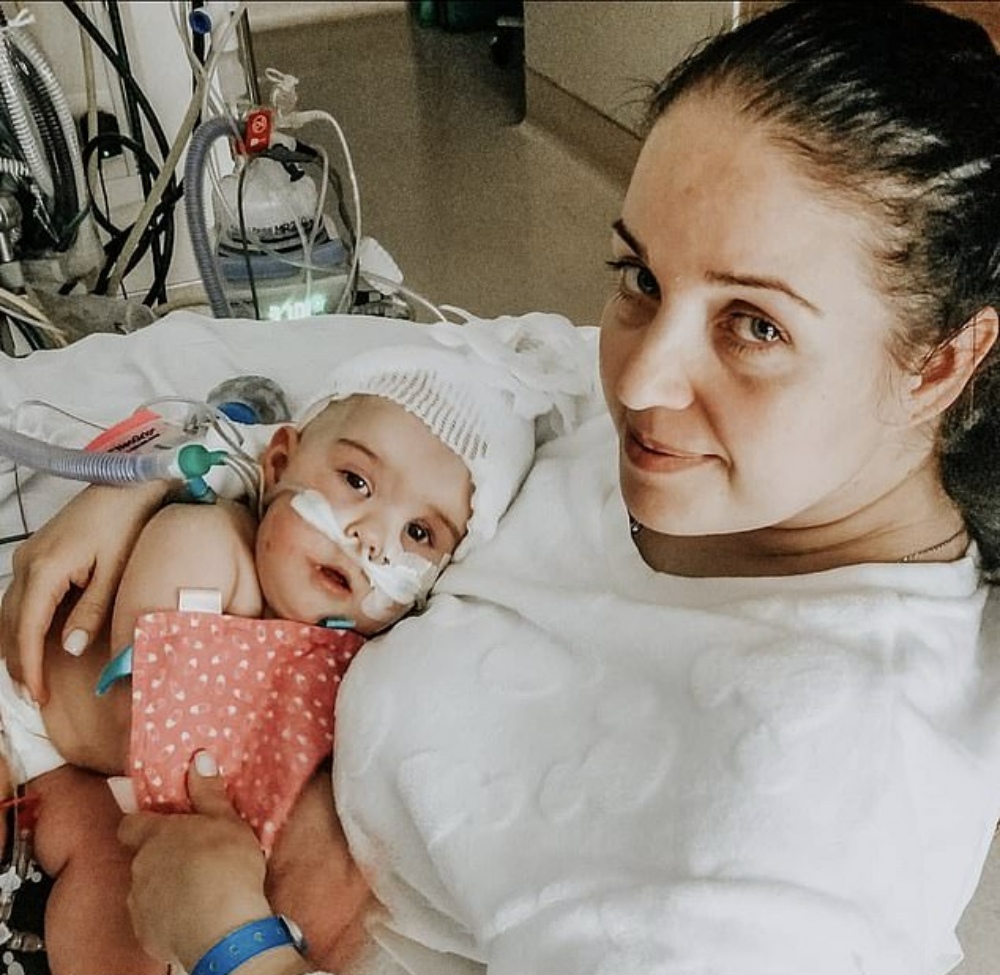
When late October arrived, the medical team — made up of more than 30 surgeons, nurses, anesthesiologists, and other specialists — was fully prepared.
Led by Dr. Edwards, Dr. Wong, pediatric anesthesiology director Dr. Rajvinder Dhamrait, and Children’s Surgery Center nursing lead Aida Benitez, the procedure went exactly as planned. Team members wore different colored uniforms to clearly identify their responsibilities throughout the operation.
The complex procedure included carefully separating shared veins and brain tissue, removing the tissue expanders, reconstructing the twins’ skulls and scalps, repositioning them on the operating table five times, and providing blood transfusions when needed.
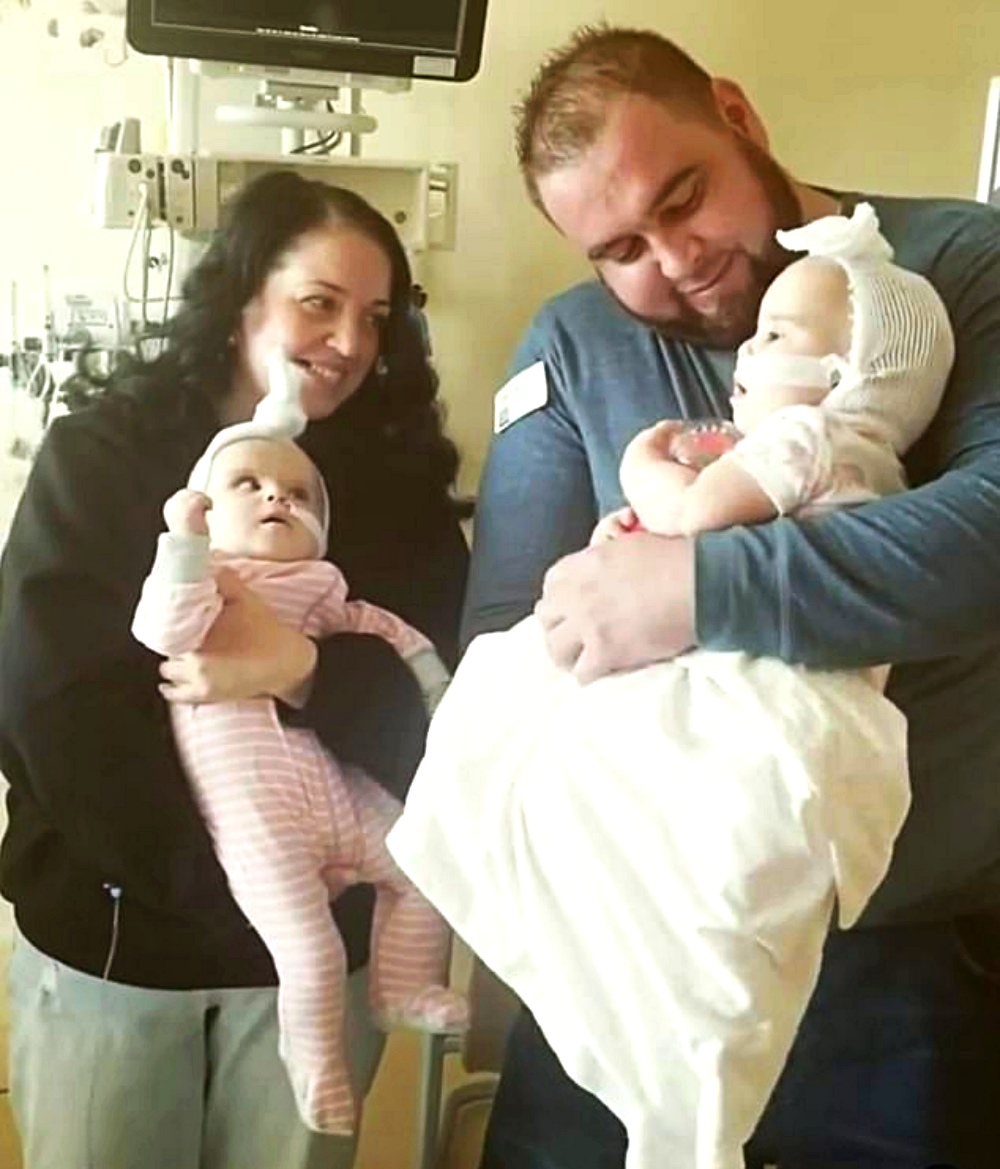
“It was like a choreographed ballet,” Wong recalled, while Dhamrait added, “Everything went smoothly, with every possible situation carefully planned for.”
At 3:28 a.m, Abigail and Micaela officially became two separate little girls.
“After 10 months of preparation, we witnessed the moment we had all hoped for, and it was incredibly emotional,” Benitez said. “I’ll never see 3:28 on a clock again without thinking about the moment Abi and Mica became two separate babies.”
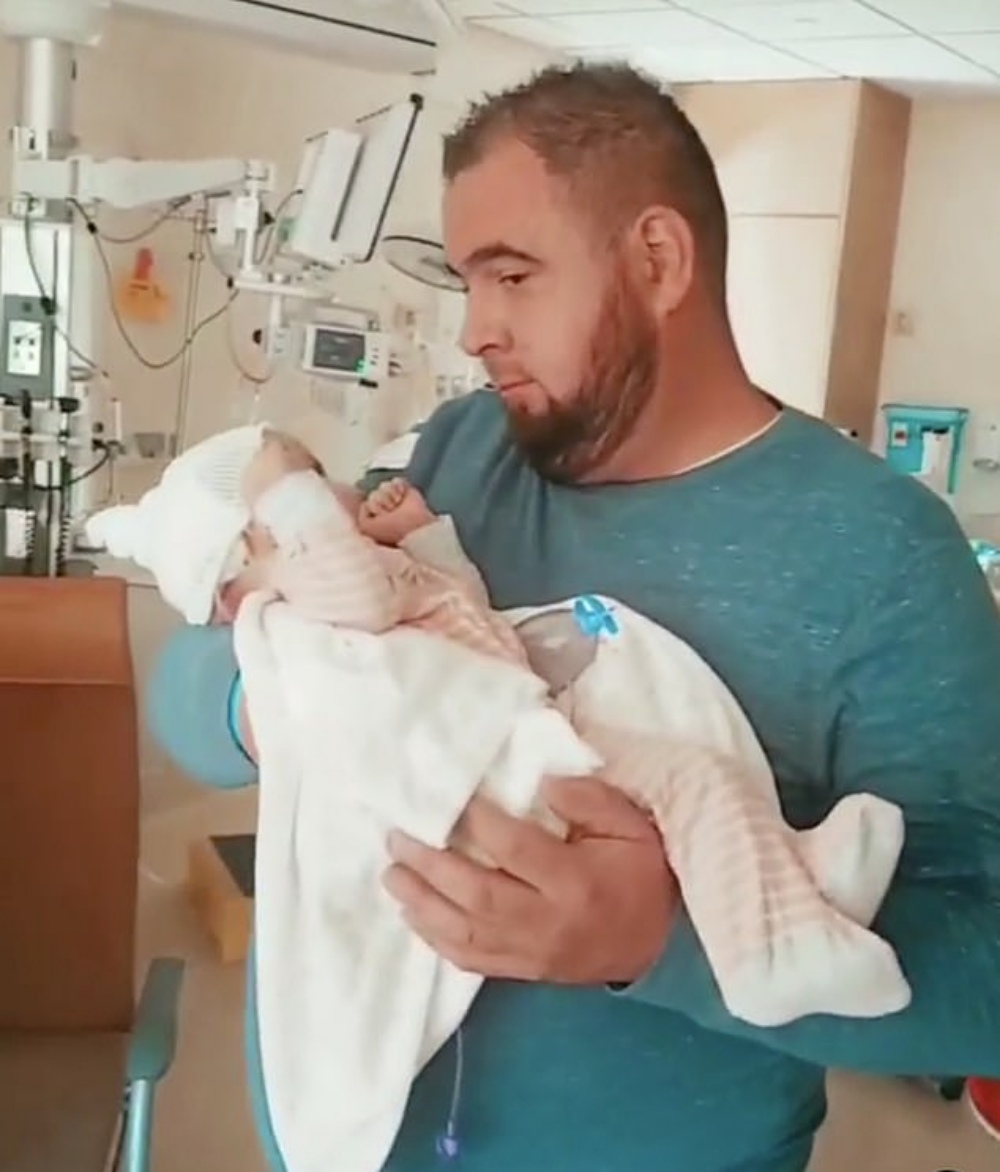
Dr. Edwards added, “We are honored to have cared for them from birth and to now give them the opportunity to live independent lives.”
As the girls continue their recovery, Miroshnik is deeply grateful to everyone at UC Davis Children’s Hospital while holding onto her faith that her daughters have a bright future ahead.
“We have felt so much support from the staff,” she said. “We’ve received so much help and guidance. They truly made us feel at home.”
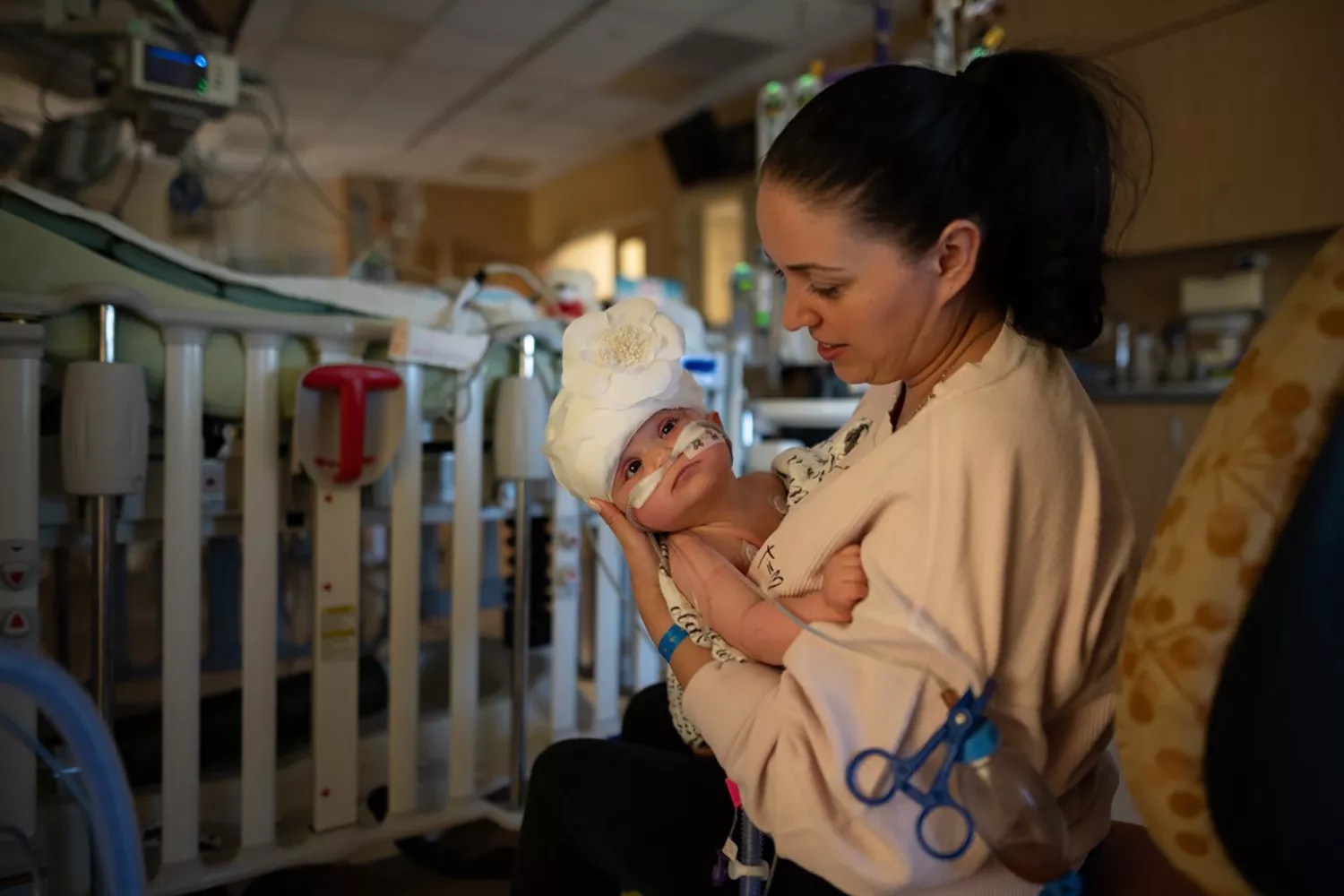
“It’s all still very new,” the mother of five told KCRA. “No one knows exactly what the future holds because their journey is so unique. But I truly believe everything will be okay. It’s all in God’s hands… and that’s what gives me hope.”
Source: People