Overnight Rescue Operation Continues After Partial Collapse at AEON Mall in Japan
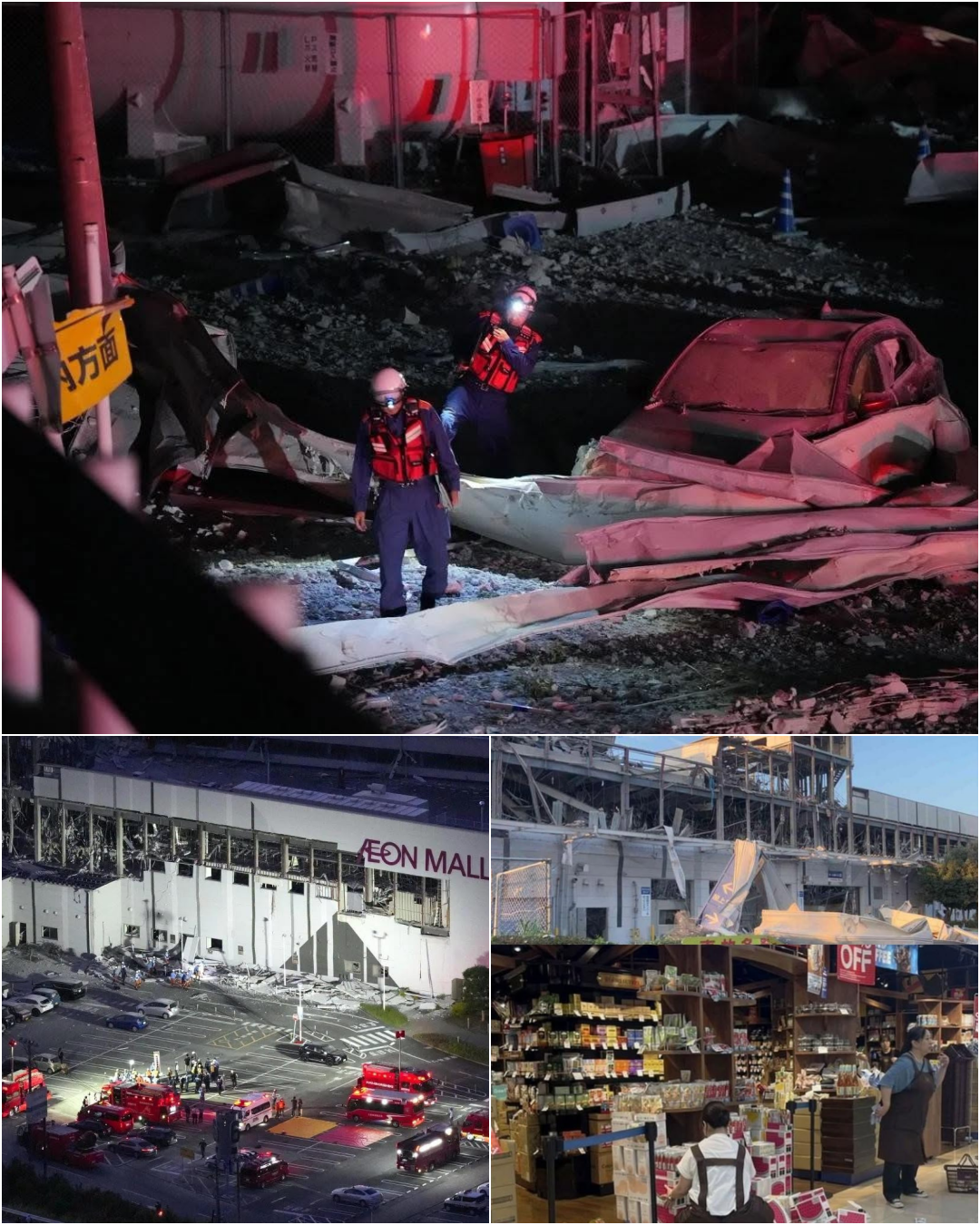
Emergency crews searched through dangerous and unstable sections of AEON Mall Kumamoto after an earthquake and subsequent explosion caused catastrophic damage to part of the building.
Rescuers worked throughout the night of July 28 and into the morning of July 29, 2026, following a destructive incident at AEON Mall Kumamoto in southern Japan.
The emergency began when a magnitude-7.1 earthquake struck Kumamoto Prefecture at approximately 4:27 p.m. local time. The Japan Meteorological Agency located the epicenter in the Kumamoto region, roughly 10 kilometers beneath the ground.
Soon after the shaking, employees began directing customers out of AEON Mall Kumamoto. Mall operator AEON said customers and workers were evacuated following the initial earthquake.
An explosion later ripped through one side of the building. A large section of the exterior was destroyed, leaving the mall’s internal steel structure exposed. Debris covered part of the parking area, creating difficult and dangerous conditions for emergency crews.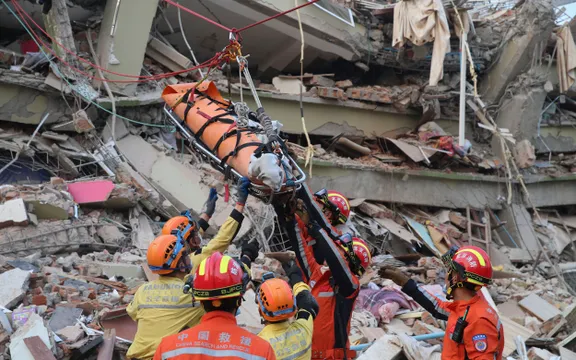
Witnesses in the surrounding area described hearing an enormous impact before seeing a large cloud of smoke rise above the shopping center. Dust and small particles were reportedly carried toward nearby businesses by the wind.
The cause of the explosion was not immediately known. Authorities were investigating reports of a possible gas leak, but officials had not issued a final determination by the morning of July 29.
Firefighters, police and Self-Defense Force personnel entered the damaged structure despite the danger of falling debris and continued aftershocks. Search teams focused on areas where people had reportedly called for help.
Early reports initially suggested that dozens of mall employees could not be contacted. However, numbers reported during the first hours of a major disaster often change as companies, families and emergency services compare employee lists and evacuation records.
By early Wednesday, authorities said eight people had been brought out of the mall. Two women in their twenties were confirmed to have lost their lives. One other person was found in cardiopulmonary arrest, and five people sustained injuries that were not considered life-threatening.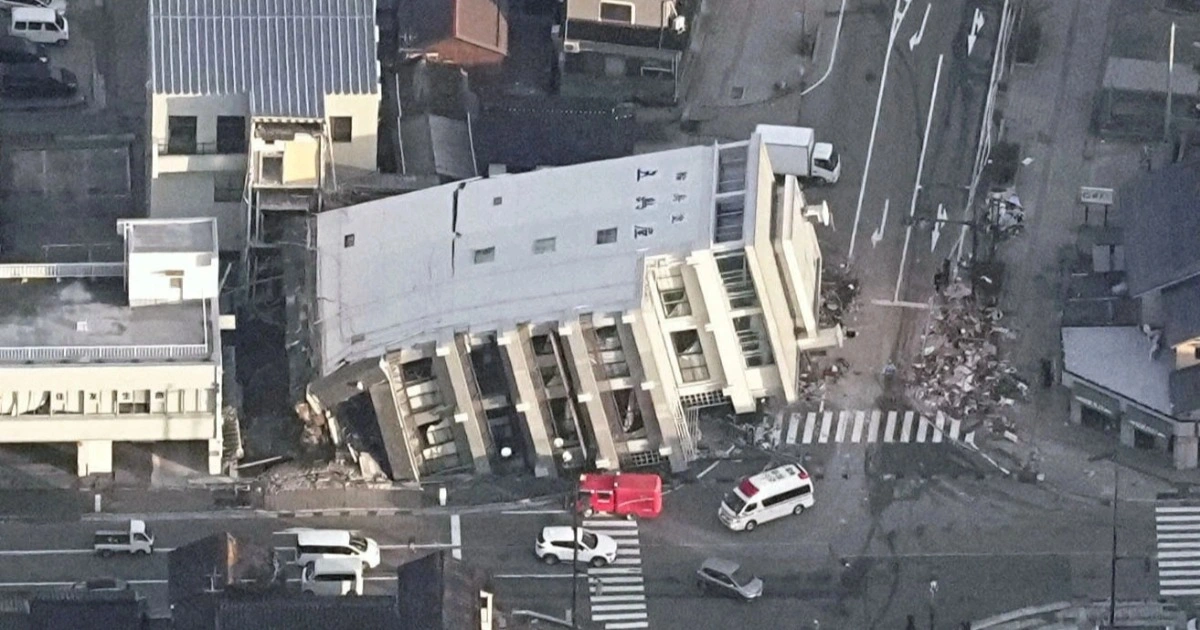
The rescue operation was complicated by continued seismic activity. More than 60 aftershocks were recorded in the hours after the main earthquake, including a significant tremor shortly after the first event.
Japan’s weather and seismic authorities warned that areas which experienced the strongest shaking could face additional powerful earthquakes and landslides during the following week.
The mall emergency was not the only rescue operation taking place in Kumamoto. Several people were also reported missing after a large chimney collapsed at a Nippon Paper Industries factory in Yatsushiro.
Elsewhere, homes and commercial buildings were damaged or set on fire. Deep cracks appeared on major roads, while train passengers and residents were treated for injuries caused by the violent shaking.
The Japanese government mobilized thousands of Self-Defense Force personnel and sent aircraft to assess the damage from above. Emergency teams also inspected roads, bridges, hospitals and power facilities.
Japanese Prime Minister Sanae Takaichi said rescuing affected people and protecting residents were the government’s highest priorities. Kumamoto Governor Takashi Kimura asked residents to follow instructions from local police and firefighters and remain alert for aftershocks.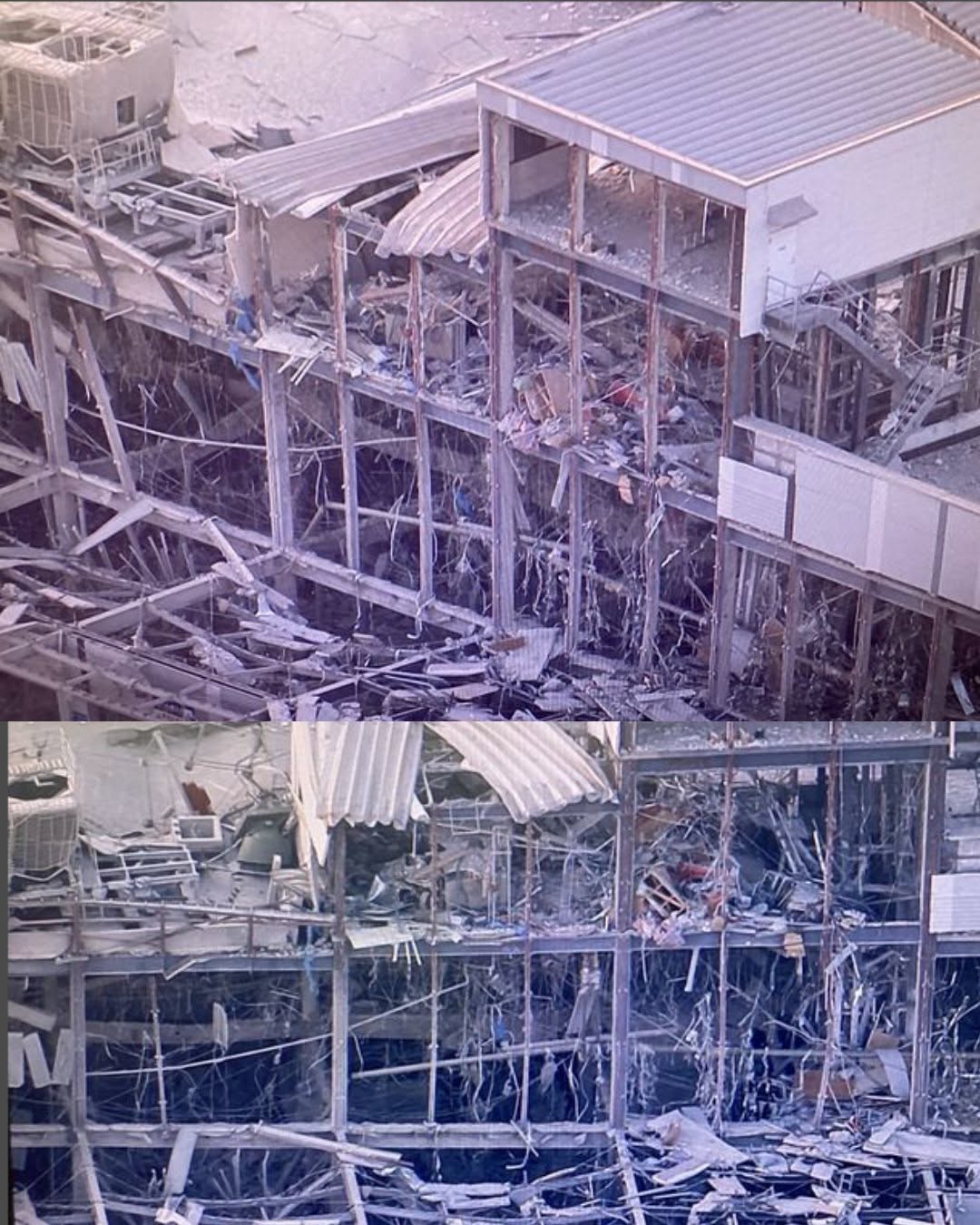
AEON Mall Kumamoto will remain inaccessible while rescue workers search the building and structural experts examine the damaged areas.
Authorities have not said when the property could reopen. The extent of the structural damage and the unresolved cause of the explosion mean the shopping center could remain closed for a considerable period.