In a Few Quiet Words, Prince William Revealed the Strength of His Love for Catherine, Princess of Wales
- PhamThuy
- July 29, 2026
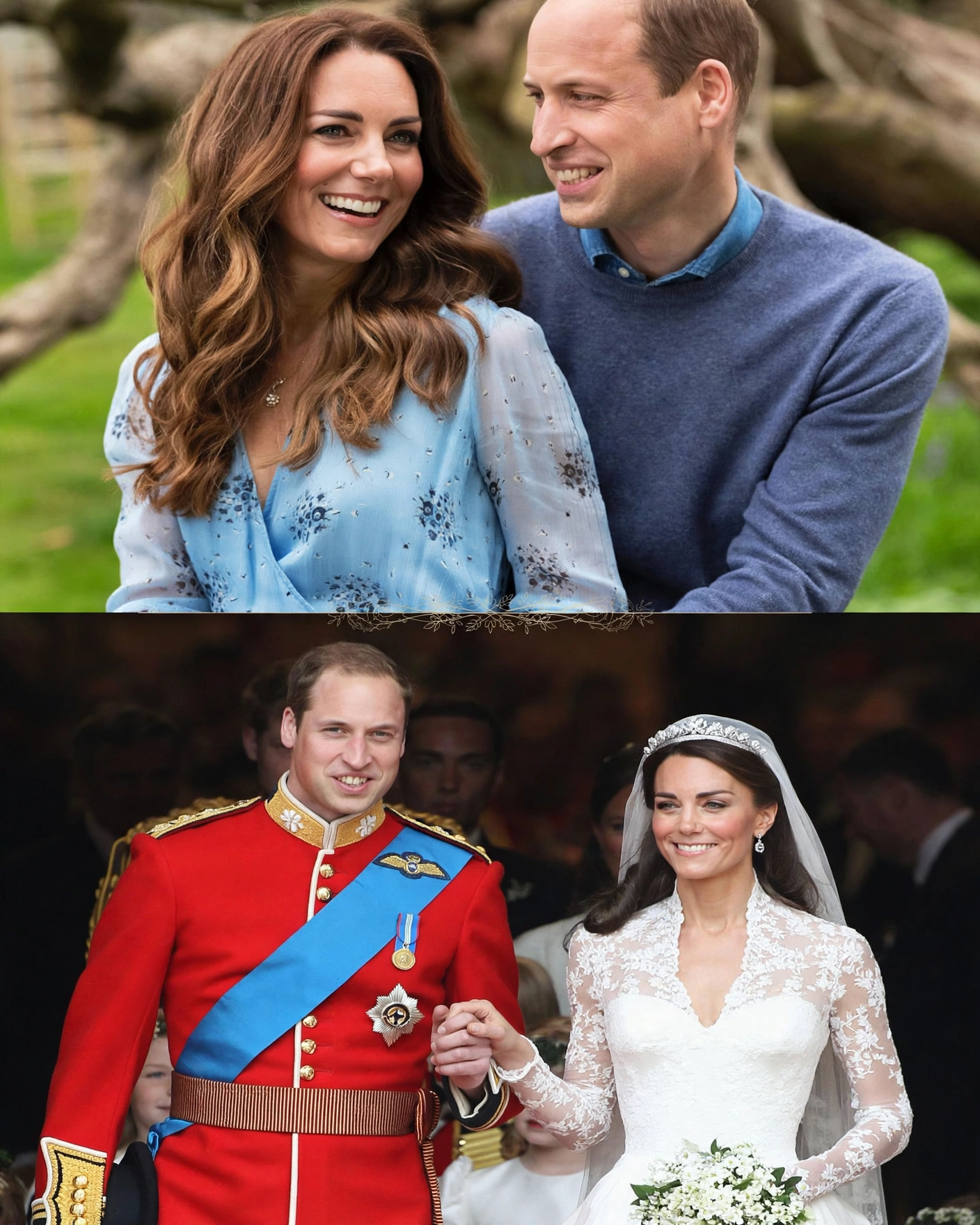
It wasn’t a grand speech or a carefully staged moment.
There were no dramatic gestures, no elaborate declarations designed for headlines. Just a few simple words—spoken quietly, almost gently—that revealed something far deeper than royal tradition ever could.
In that moment, Prince William showed the world not just a husband, but a partner who understood what it meant to stand beside someone through uncertainty.
And at the center of those words was Catherine, Princess of Wales.
Their story did not begin with crowns or titles.
It began like many others—two young people meeting at university, forming a connection that slowly deepened over time. At St. Andrews, they were not yet the figures the world would come to watch so closely. They were simply William and Catherine, navigating friendship, attraction, and the early stages of something meaningful.
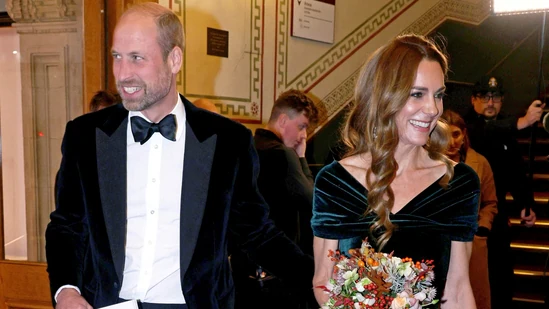
Their relationship grew quietly.
There were moments of distance, times when they stepped back, reassessed, and found their way forward again. That period, often seen as a pause, would later become one of the reasons their bond felt so grounded. It allowed them to return to each other with a clearer understanding of who they were—and what they wanted.
When they eventually married, the world saw a fairy-tale wedding.
But what followed was not a fairy tale.
It was life under constant attention.
Every public appearance, every gesture, every expression became something to be analyzed. Their relationship unfolded not in private, but in front of millions. And yet, despite that pressure, they managed to maintain something that felt remarkably steady.
That steadiness would be tested.
In recent times, Catherine faced a deeply personal health challenge—one that brought uncertainty not just to her life, but to the rhythm of the royal family itself. It was a moment that shifted everything.
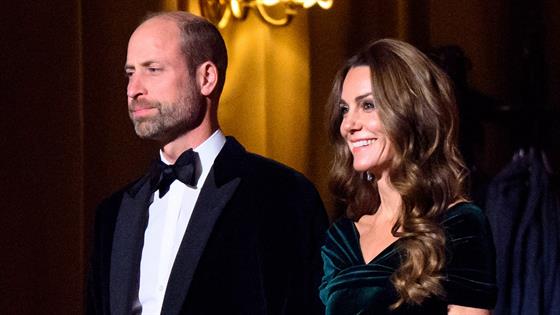
Public duties paused.
Appearances changed.
And behind the scenes, a different kind of strength was required.
For William, this was not about public expectation.
It was about presence.
He stepped into a role that went beyond ceremony, focusing on his family, on his children, and most importantly, on Catherine. The demands of royal life did not disappear, but they became secondary to something far more immediate.
Those who observed closely noticed the change.
There was a quiet determination in the way he spoke, in the way he carried himself. The polished image remained, but beneath it was something more personal—a sense of responsibility that felt deeply human.
It was during this time that his words about Catherine carried particular weight.
He spoke of her strength.
Not in grand, exaggerated terms, but in a way that suggested genuine admiration. He acknowledged what she was facing, not as a distant observer, but as someone walking through it beside her.
The message was clear.
He was not stepping away.
He was staying.
That kind of support is not always visible. It does not always appear in photographs or headlines. It exists in the quieter moments—in conversations, in shared silence, in the decision to be present even when there are no answers.
For Catherine, that presence mattered.
Her role within the royal family has always required composure, grace, and a willingness to meet public expectation. But behind that image is a person navigating real challenges, with real emotions.
And in those moments, the strength of a relationship becomes more than symbolic.
It becomes essential.
Their partnership has often been described as balanced.
Where one leads, the other supports. Where one faces pressure, the other provides stability. It is not a dynamic built on spectacle, but on consistency—a steady alignment that allows them to move forward together.
That consistency is what made William’s words so powerful.
They were not surprising.
They were confirming.
They reflected a relationship that had been built over years, shaped by shared experiences, and tested in ways that the public could only partially see.
As Catherine continues her journey, the world watches with a mix of concern and respect. Her resilience has become a focal point, a reminder that even those in the most visible positions are not immune to life’s challenges.
But alongside that resilience is something equally important.
Support.
The kind that does not seek attention.
The kind that does not need to be explained.
William’s role in this story is not defined by titles or responsibilities.
It is defined by choice.
The choice to stand beside someone when it would be easier to step back. The choice to prioritize family over expectation. The choice to remain steady in a moment that could easily feel overwhelming.
In many ways, their story is not extraordinary.
It is recognizable.
It is about two people facing something difficult and choosing to face it together.
What makes it powerful is not the setting, but the sincerity.
Because behind the ceremonies, the traditions, and the public roles, there is something simple and enduring—a relationship built not on perfection, but on presence.
And in a world that often celebrates the loudest expressions of love, their story offers something quieter.
Something steadier.
A reminder that sometimes, the strongest words are the ones spoken softly—and the strongest love is the kind that stays.