The Photograph That Ended Eight Years of Uncertainty: How One Image Preserved a Fallen Firefighter’s Final Act of Courage
For years, one family lived with an agonizing question that seemed impossible to answer. They knew their son had rushed into one of the darkest moments in American history, but they had nothing that showed where he had been in his final minutes. No last photograph. No final glimpse. No piece of evidence that captured his extraordinary courage.
Then, nearly eight years after the September 11 attacks, everything changed with a single image.
The photograph did not erase the pain of losing FDNY firefighter Gary Box. But it gave his family something they had searched for since 2001—a final connection to the man who chose to run toward danger while thousands of others desperately tried to escape.
Gary Box was a member of FDNY Squad 1, an elite rescue company known for responding to some of New York City’s most dangerous emergencies. On the morning of September 11, 2001, as terrorists attacked the World Trade Center, he answered the call like hundreds of other firefighters.
He was just 35 years old.
As smoke poured from the Twin Towers, emergency crews raced toward Lower Manhattan, knowing little about what awaited them. Box was among those determined to help, placing duty above personal safety as the city descended into chaos.
When the towers collapsed, he never returned.
Like many families of the 343 firefighters who lost their lives that day, the Box family faced unimaginable grief. Yet their sorrow carried another painful layer—there was no photograph documenting Gary’s final journey, no visual record showing where he had been before disappearing into history.
Years passed, but the unanswered questions remained.
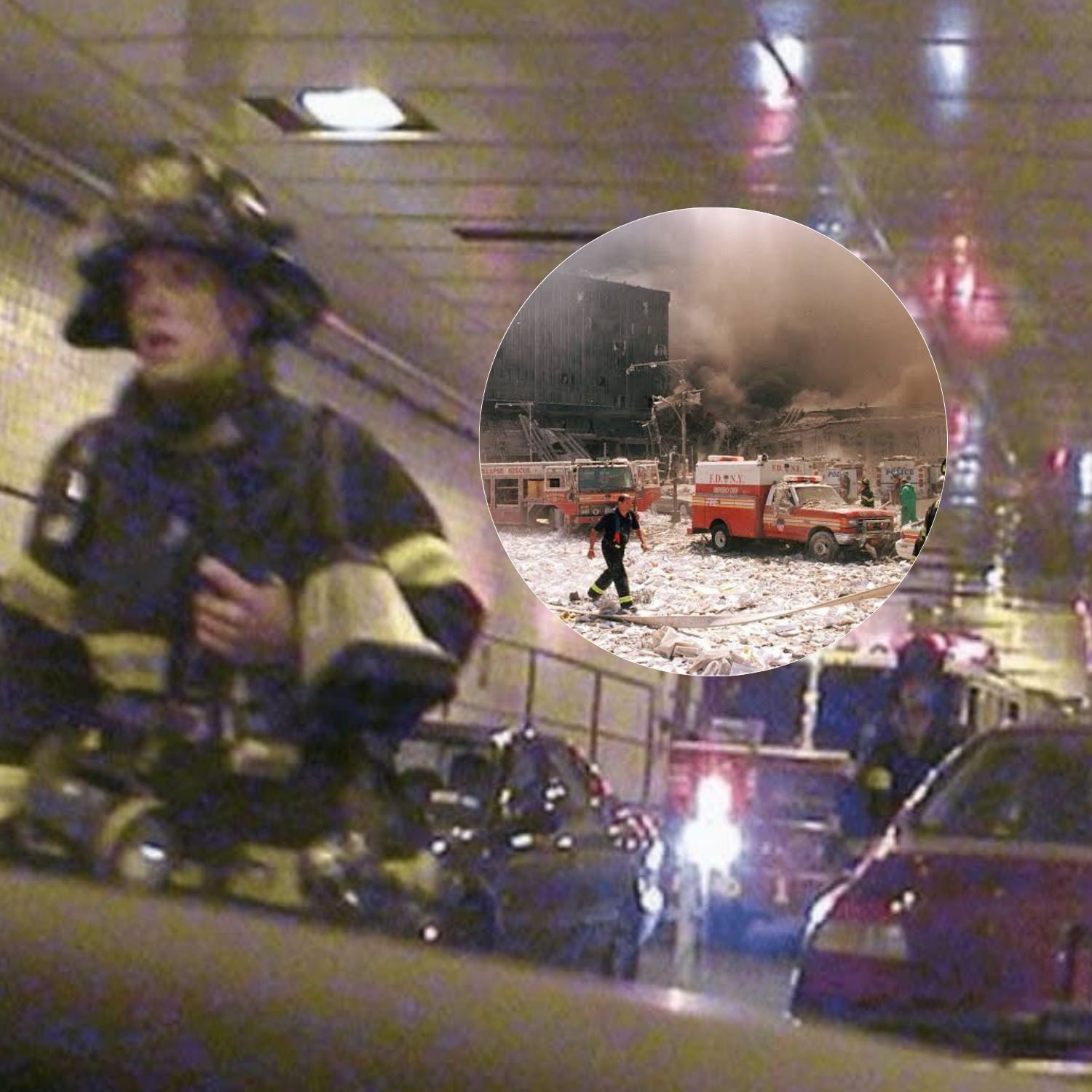
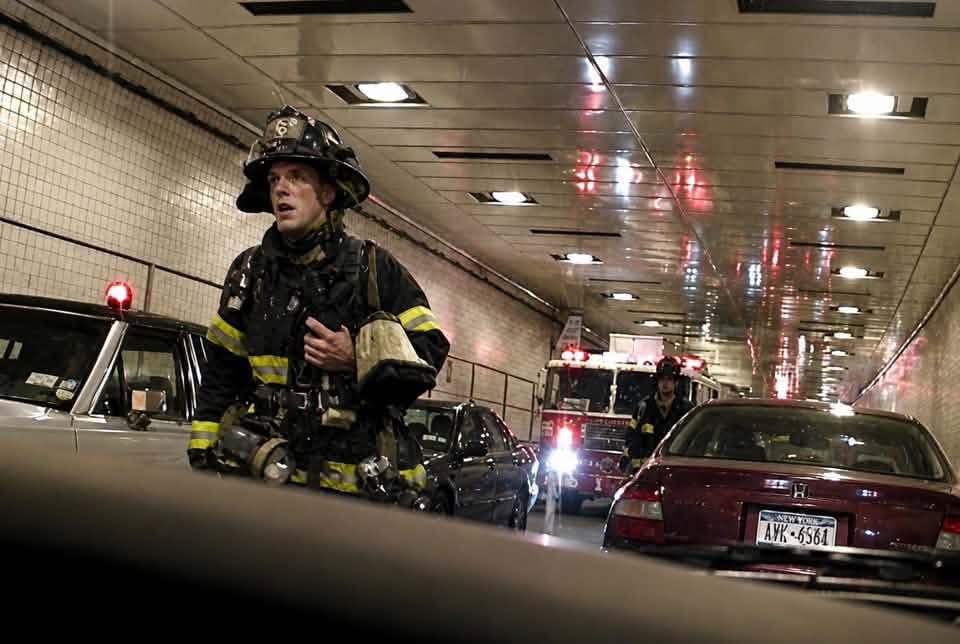
The breakthrough began unexpectedly in 2009 when Gary’s sister visited New York’s Tribute Center, a place dedicated to remembering those affected by the attacks. During her visit, an employee mentioned having seen what appeared to be a photograph of Gary running through the Brooklyn-Battery Tunnel on September 11.
For a brief moment, hope surged.
But the excitement quickly faded.
The firefighter in the image wasn’t Gary after all. It was Brian Bilcher, another brave firefighter from the same firehouse who had also died during the attacks.
The mistake was heartbreaking, yet it sparked something powerful within Gary’s father.
If one photograph existed, perhaps another did too.
He refused to believe that every image of his son had disappeared forever.
Determined to keep searching, he immersed himself in the enormous collections of photographs taken that day. He combed through online archives, museum collections, public submissions, and countless images captured by professional photographers and ordinary people who witnessed history unfold.
The search became deeply personal.
Each new photograph brought hope and disappointment in equal measure. Every firefighter in protective gear prompted another careful look. Every unfamiliar face forced another painful realization.
Still, he continued.
Night after night, he searched.
Eventually, exhausted by the emotional weight of the journey, he stepped away without finding the answer he had spent years pursuing.
Then came the moment that would stay with the family forever.
The following morning, Gary’s mother was looking through the same collections when she suddenly noticed something different.
“I think I found him.”
Those simple words brought the family rushing together.
On the screen was exactly what they had been hoping for.
There was Gary.
The photograph showed him moving through the Brooklyn-Battery Tunnel with purpose, wearing his firefighting gear and carrying his helmet as he headed toward Lower Manhattan. Around him, civilians and vehicles were moving in the opposite direction, trying to escape the unfolding disaster.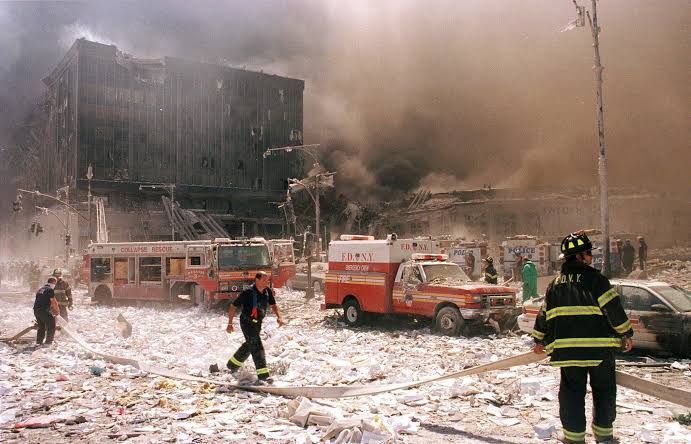
Gary was doing the opposite.
He was running toward it.
The image captured more than a firefighter in motion. It revealed a decision—a conscious choice to enter danger in an effort to save others.
For his family, it confirmed that he had made it through the tunnel on his way to the World Trade Center, continuing his mission despite the overwhelming uncertainty surrounding the attacks.
After nearly a decade of wondering about his final journey, they finally had something real to hold onto.
The photograph quickly became priceless.
It could never replace the son they had lost, nor could it answer every question surrounding his final moments. But it offered something that had been missing for years: certainty.
It showed Gary exactly as they wanted to remember him—not defined by tragedy, but by courage.
His father later described the discovery as both emotionally overwhelming and deeply meaningful. Finding the image was a blessing, even though looking at it also carried immense heartbreak. Every glance reminded him that the man frozen in that moment would soon be gone forever.
The emotions were impossible to separate.
Relief mixed with grief.
Pride stood beside sorrow.
Hope existed alongside permanent loss.
Yet the photograph became an enduring symbol of who Gary was.
It represented a firefighter who fulfilled his oath until the very end.
His story also reflects a broader truth about the aftermath of September 11.
For countless families, closure did not arrive quickly. Many searched for years through photographs, witness accounts, personal belongings, and fragments of memory, hoping to recover even the smallest piece of the loved ones they lost.
Sometimes that piece came in the form of a recovered item.
Sometimes it was a story shared by another survivor.
For the Box family, it was a single photograph captured by chance.
That image transformed years of uncertainty into something tangible.
Today, Gary Box’s legacy lives on not simply because he died while serving others, but because one extraordinary photograph preserved the essence of his final act.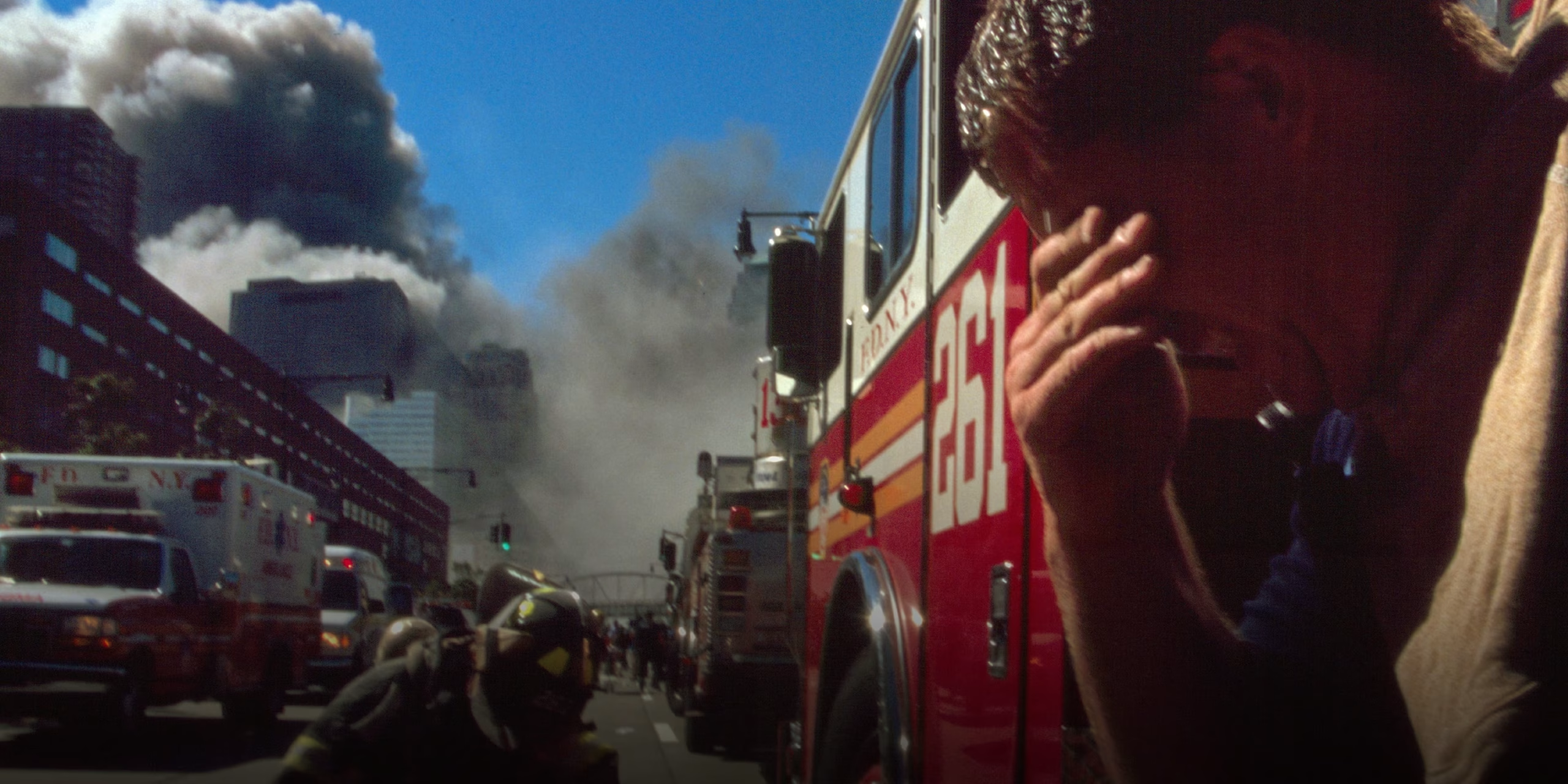
While countless people fled the devastation unfolding ahead, he continued forward.
The image stands as a reminder of the extraordinary bravery shown by firefighters, police officers, emergency medical workers, and countless first responders on September 11. It captures a split second in history when ordinary people performed extraordinary acts without knowing what would happen next.
For Gary’s family, that single frame became far more than a photograph.
It became the final chapter they had searched eight years to find.
And although no image could ever erase the loss, it gave them something invaluable—a lasting portrait of a man doing exactly what he had devoted his life to doing: running toward danger so others might have the chance to run away.