Robert Downey Jr. Changed Iron Man With Four Unscripted Words—and Gave Marvel Its First Rule-Breaking Hero
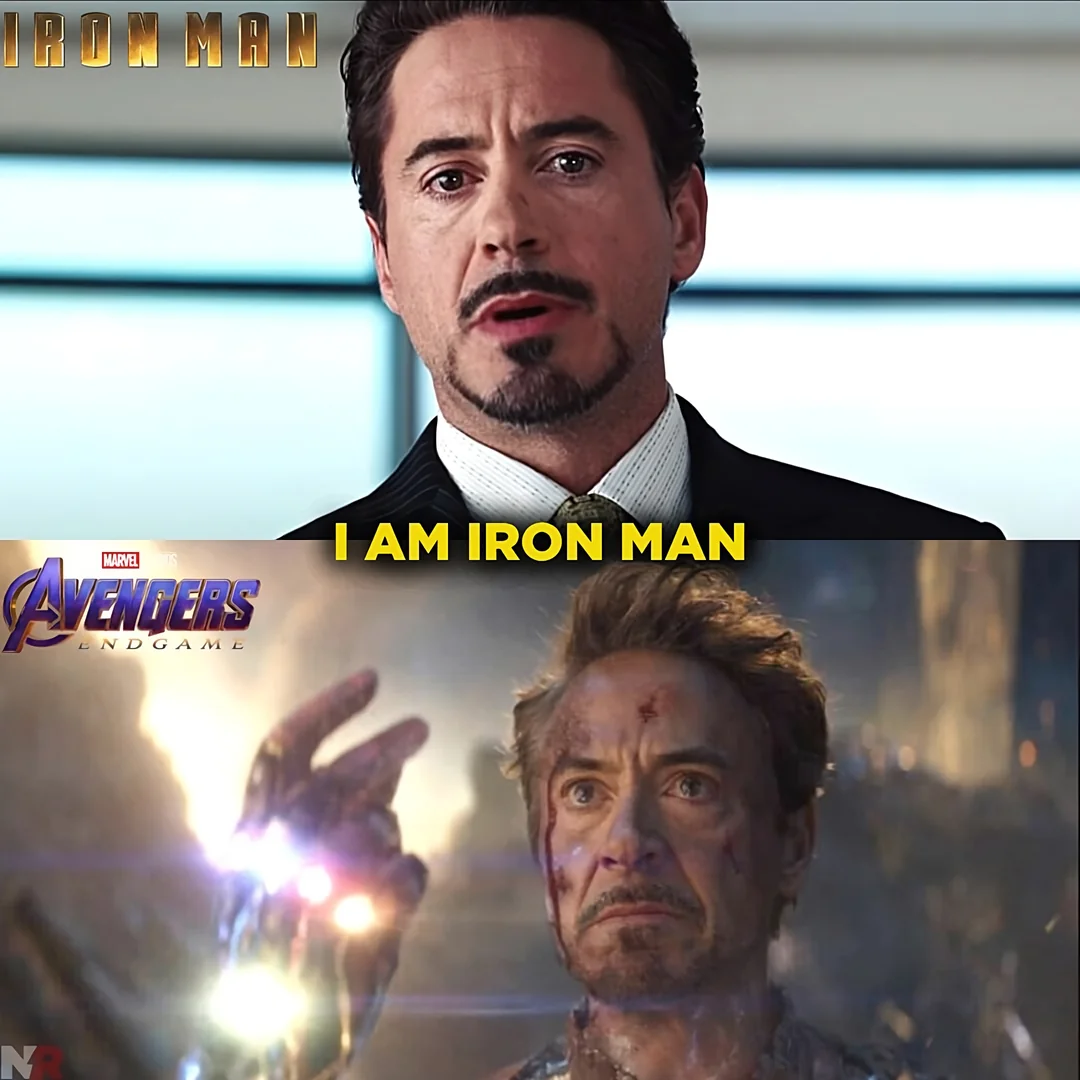
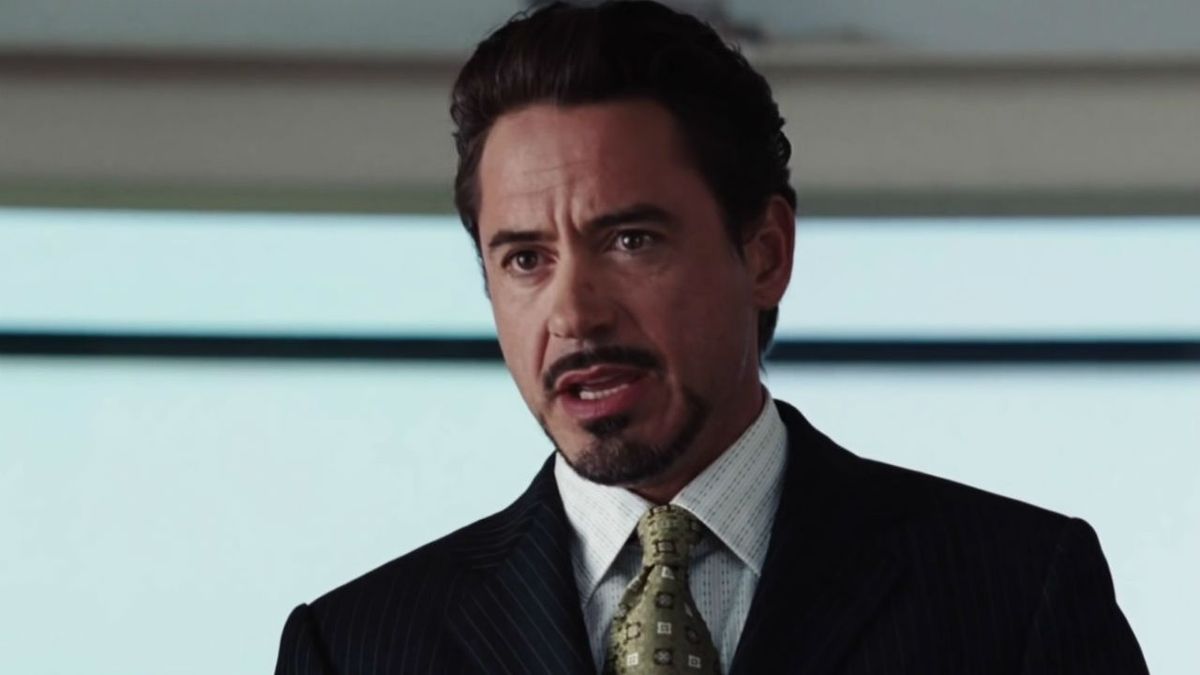
Tony Stark enters the press conference with a simple assignment.
He has survived captivity, built a weaponized suit in a cave and defeated the man who tried to steal his technology. Now, government agent Phil Coulson has provided him with a carefully prepared explanation for the chaos surrounding Iron Man.
The armored hero, Stark is supposed to say, was merely his bodyguard.
For a few seconds, he appears ready to follow the plan. He looks down at the cards in his hand, glances toward the reporters and begins repeating the cover story.
Then Robert Downey Jr. abandons it.
“The truth is,” Stark says, pausing as the room waits, “I am Iron Man.”
The declaration lasts only four words, but it changed the ending of Iron Man, completed Tony Stark’s introduction and helped establish a defining principle of the Marvel Cinematic Universe: these heroes would not always obey the rules audiences expected.
The moment was not originally scripted to unfold exactly as it appears in the finished 2008 film. Downey departed from the planned denial, and director Jon Favreau and Marvel Studios president Kevin Feige recognized that the unexpected confession was better than the conventional ending they had prepared.
Instead of correcting the actor, they kept the take.
Marvel would never approach secret identities in quite the same way again.
The Ending Tony Stark Was Supposed to Deliver
In the film’s final sequence, Stark faces growing public suspicion that he is the armored figure seen fighting above Los Angeles.
Coulson has constructed an official story to protect him. Stark was supposedly aboard his yacht during the battle, while Iron Man was an employee acting as his personal security.
The explanation reflects a traditional superhero formula.
For decades, comic-book heroes had protected their ordinary identities through elaborate disguises and increasingly improbable excuses. Clark Kent denied being Superman. Peter Parker hid Spider-Man from friends, relatives and employers. Bruce Wayne maintained a public personality designed to prevent anyone from connecting him with Batman.
Iron Man also had a secret identity in the comics. For years, Tony Stark presented the armored figure as a bodyguard rather than admitting that he wore the suit himself.
The film appeared ready to preserve that arrangement.
Stark would read the prepared statement. Reporters might remain suspicious, but the public would officially accept the existence of two separate men. Future movies could then explore the familiar tension between Tony’s private identity and Iron Man’s public actions.
That version made structural sense.
It simply did not feel like Tony Stark.
A Film Built Through Constant Revision
The first Iron Man was produced with less certainty than its later influence might suggest.
Marvel Studios was attempting to launch its own interconnected series of films, but the company had not yet demonstrated that audiences would embrace the idea. The project depended on a character who was far less famous to the general public than Spider-Man, Batman or Superman.
Casting Downey was itself considered a risk.
Although widely respected for his talent, the actor had endured years of addiction, arrests and professional instability. Favreau fought for him because he believed Downey’s intelligence, humor and complicated public history made him uniquely suited to Tony Stark.
That trust shaped the production.
The screenplay continued evolving during filming, and Favreau allowed his actors to experiment with dialogue. Downey frequently questioned lines, tested alternatives and searched for language that sounded natural coming from Stark.
Jeff Bridges, who played Obadiah Stane, later recalled that the flexible process sometimes felt more like making an independent film than participating in a carefully engineered blockbuster. Scenes could be rewritten or reworked on the day they were filmed.
The approach created uncertainty, but it also allowed Downey’s personality to merge with the character.
Tony’s fast speech, defensive humor and constant attempts to control every conversation became inseparable from the actor playing him. By the time the production reached the press conference, Downey understood that Stark would not willingly disappear behind a government-approved lie.
He would enjoy the attention too much.
Why Marvel Kept the Confession
When Downey delivered “I am Iron Man,” the line immediately captured something essential about Tony.
He was not a masked vigilante reluctantly accepting a burden. He was a celebrity industrialist whose ego had already been established in the film’s opening minutes. He held press conferences from the floor, treated military demonstrations like stage performances and enjoyed being the most interesting person in every room.
Denying the truth would have created more story possibilities, but admitting it was more honest to the character.
Feige later identified the decision to keep Downey’s unscripted declaration as an important lesson for Marvel Studios. The company did not have to reproduce every convention from the comics exactly as readers remembered it. A change could be worthwhile when it served the character and created a stronger movie.
That realization became part of the MCU’s creative foundation.
Marvel’s films would continue drawing from decades of comic-book history, but they would rearrange relationships, combine storylines and discard traditions that no longer fit. The goal was not strict transcription. It was to preserve the emotional identity of the characters while allowing them to function in a new medium.
Tony’s confession demonstrated that principle before the cinematic universe officially existed.
It was also the perfect final surprise.
The movie had already delivered its climactic battle. The audience expected a brief scene that would restore normality and protect the status quo. Instead, Stark destroyed the status quo himself.
The film cut to Black Sabbath’s “Iron Man,” and the credits began.
A Superhero Without a Secret Identity
The confession changed how later stories could use Tony Stark.
Because the world knew who he was, fame became part of his superhero life rather than an obstacle kept separate from it. Politicians could question him publicly. Enemies could attack his home. Fans could imitate him, children could idolize him and the consequences of his decisions could follow his name.
In Iron Man 2, Stark’s ownership of the identity becomes central to the conflict. He appears before a Senate committee and refuses to surrender the armor, treating the hearing like another performance.
His openness also distinguishes him from several heroes who followed.
Peter Parker initially hides behind a mask. Matt Murdock guards his life as Daredevil. Kamala Khan and other younger heroes must negotiate the risks of being recognized.
Tony begins the MCU by refusing that division entirely.
The choice fits both his greatest strength and his central flaw. His honesty can appear courageous, but it is also driven by pride. He wants responsibility for the achievement, attention from the crowd and ownership of the name.
Over time, the phrase “I am Iron Man” becomes more than a boast.
It becomes an acceptance of consequences.
The Four Words Return in Endgame
Eleven years after the first film, Marvel returned to the line at the conclusion of Avengers: Endgame.
Tony faces Thanos during the final battle, steals the Infinity Stones and prepares to use their power despite knowing that his body may not survive.
Thanos believes he has won and declares himself inevitable.
Tony looks at him and answers, “And I am Iron Man.”
He snaps his fingers, destroys Thanos and his army, and sacrifices his life to save the universe.
Remarkably, the callback was not part of the scene as originally filmed.
In the earlier version, Tony performed the snap without delivering a final response. During editing, Jeffrey Ford suggested that the moment should return to the words that had ended the original Iron Man.
The filmmakers agreed and brought Downey back to record the new ending. The reshoot took place on a soundstage near the location where he had performed his original screen test for Tony Stark years earlier.
The repetition transformed the meaning of the line.
In 2008, “I am Iron Man” is a declaration of ego. Tony refuses anonymity because he wants the world to know what he built.
In 2019, it becomes an act of selflessness. He claims the identity one final time while accepting the price that comes with it.
The same four words frame an entire character journey.
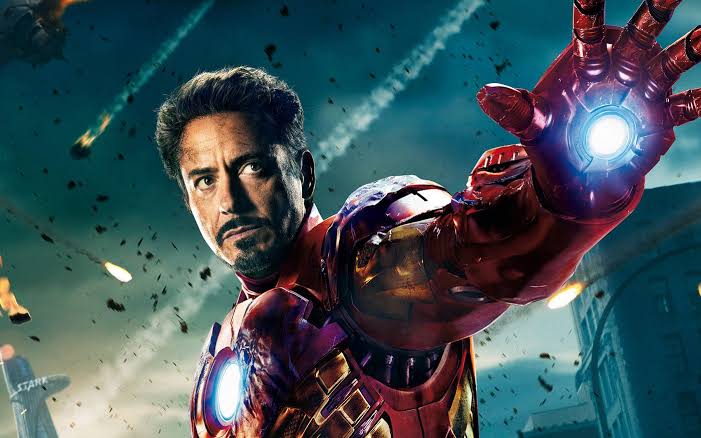
The Moment That Defined Marvel’s Future
It would be an exaggeration to claim that one improvised sentence single-handedly created the Marvel Cinematic Universe. Iron Man succeeded because of Downey’s performance, Favreau’s direction, the supporting cast, the visual effects and the careful decision to introduce Nick Fury after the credits.
But the confession revealed what Marvel’s new film series could become.
It could surprise comic-book readers without rejecting them. It could allow performers to influence their characters. It could replace familiar superhero formulas with choices grounded in personality.
Most importantly, it could build long stories around consequences.
Tony Stark’s decision to reveal himself shapes everything that follows: his battles with the government, the enemies who target those he loves, his role in creating Ultron, his guilt after the Avengers fracture and his eventual decision to sacrifice himself.
The line did not merely expose a secret identity.
It committed Tony to a public life from which he could never retreat.
Robert Downey Jr. looked at a fictional room filled with reporters, ignored the explanation prepared for him and said four words that felt more truthful than the script.
Marvel kept them because they belonged to Tony Stark.
Eleven years later, those same words closed the story of the hero—and proved that the MCU’s first great act of improvisation had also become its most powerful ending.