Former Deputy Who Killed Sonya Massey Denied Early Medical Release From 20-Year Prison Term
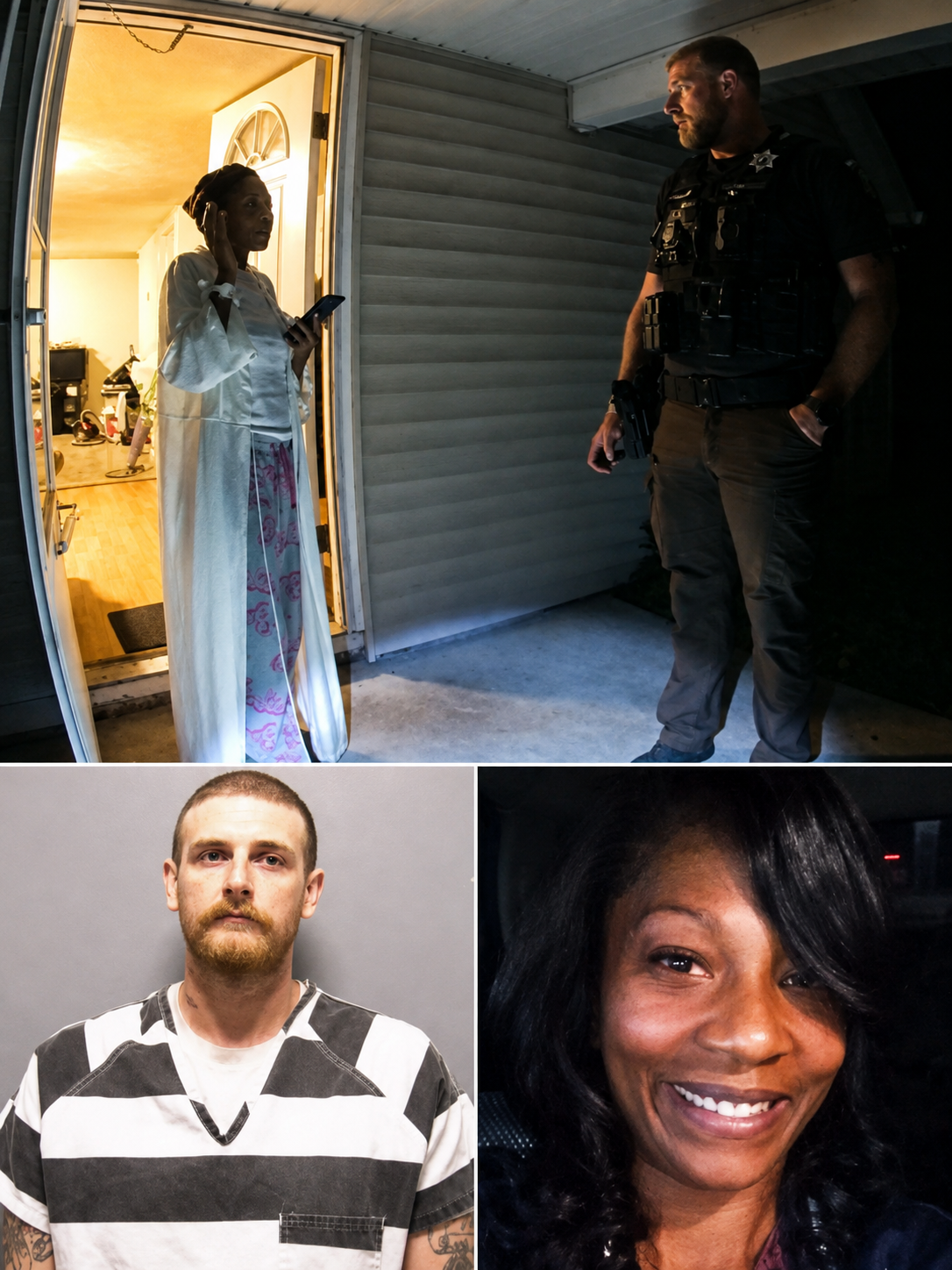
Sean Grayson had served only a fraction of his 20-year prison sentence when he asked Illinois officials to let him out early because of advanced cancer.
The former sheriff’s deputy argued that his deteriorating health justified a medical release. Sonya Massey’s family and prosecutors saw the request differently: as an attempt to escape accountability for killing an unarmed woman who had called police for help.
On Friday, July 31, the Illinois Prisoner Review Board delivered its decision.
The three-member panel voted unanimously to deny Grayson’s application, meaning he will remain incarcerated for the fatal 2024 shooting that transformed Massey’s Springfield home from a place of refuge into the scene of a nationally watched police killing.
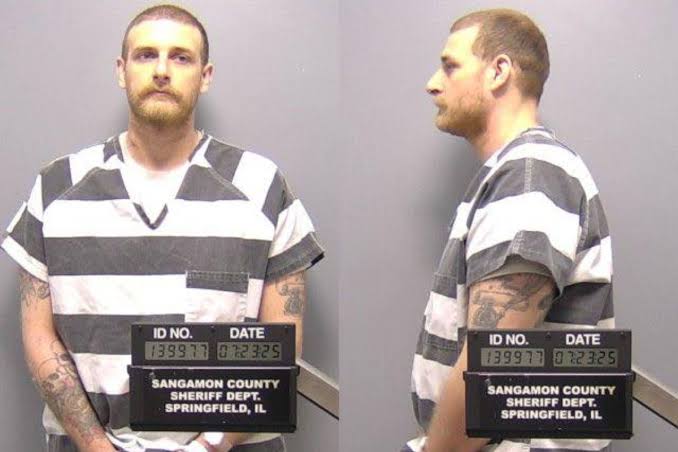
Grayson, who is white, was convicted of second-degree murder in October 2025 and received the maximum sentence of 20 years in January 2026.
He sought medical release in May, roughly six months into that sentence.
A Request Based on Advanced Cancer
Grayson had been diagnosed with colon cancer before he shot Massey.
By the time of his sentencing, his attorney said the disease had spread to his liver and lungs. His health became a central part of the defense’s argument for leniency, with attorneys warning that incarceration could place his life at further risk.
The sentencing judge nevertheless imposed the longest prison term available for Grayson’s conviction.
Months later, Grayson again relied on his medical condition when he applied for early release under an Illinois law allowing certain seriously ill prisoners to request compassionate consideration.
The review board was legally required to evaluate his application.
After reviewing the case and hearing arguments surrounding the request, all three members rejected it.
The board’s spokesperson, Liz Mitchell, confirmed the unanimous decision.
Grayson’s attorney, Daniel Fultz, declined to comment following the ruling.
Prosecutor Said His Illness Was Already Considered
Sangamon County State’s Attorney John Milhiser strongly opposed the former deputy’s release.
In a letter to the board, Milhiser argued that Grayson’s medical condition was not a new development that had emerged after sentencing. His illness, he said, had already been presented to the court and weighed before the 20-year punishment was imposed.
Allowing Grayson to leave prison so soon would undermine that sentence, the prosecutor argued.
Milhiser wrote that releasing him under those circumstances would amount to a miscarriage of justice and would insult both Massey’s memory and the family still living with the consequences of her death.
The request also renewed scrutiny of how Grayson described the shooting.
During his January sentencing, he apologized for Massey’s death and acknowledged making terrible decisions that night.
However, in his written medical-release application, he maintained that Massey had attacked him with a pot of boiling water.
That version of the encounter had already been challenged during his criminal trial.
Sonya Massey Called Police for Protection
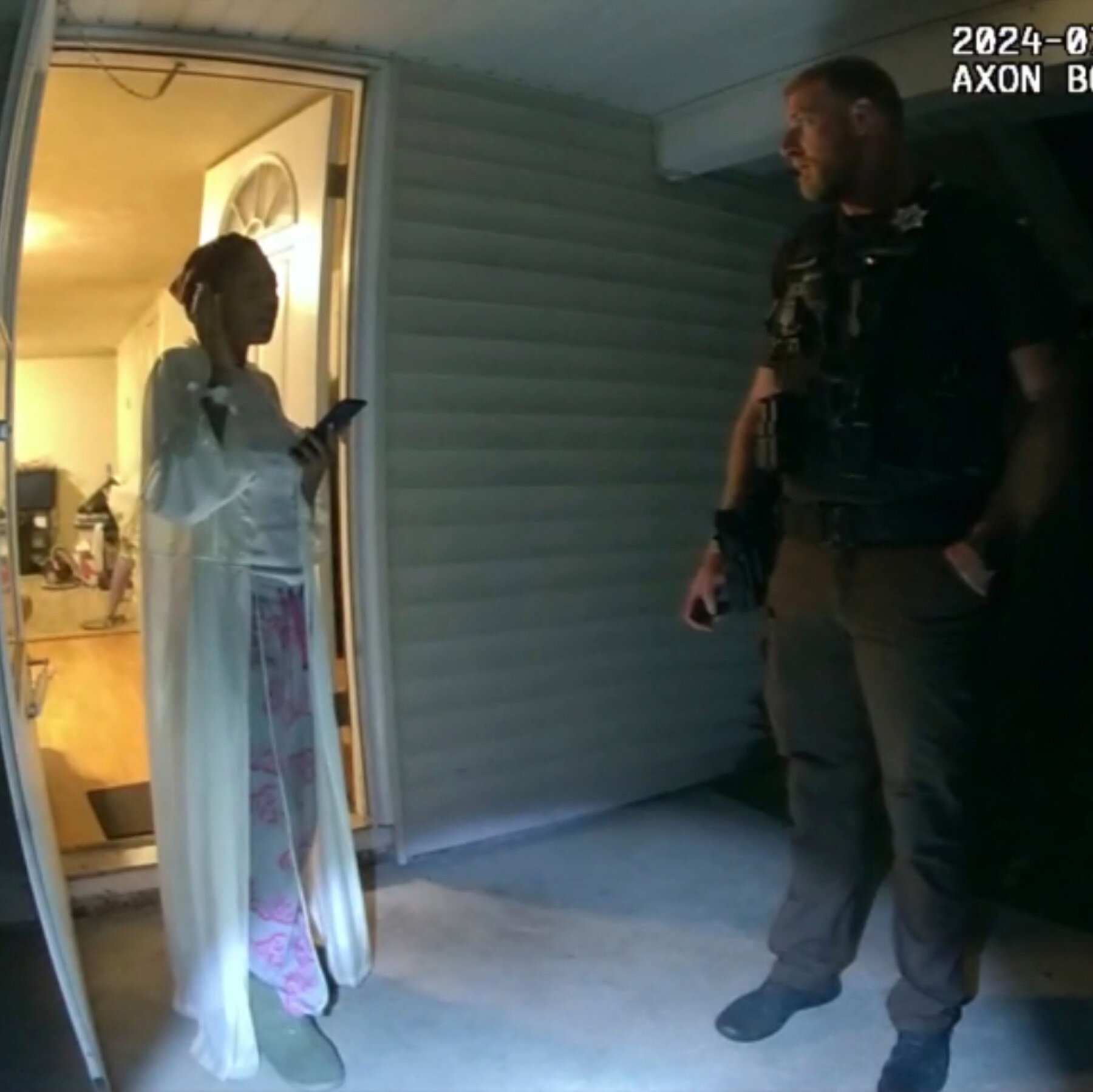
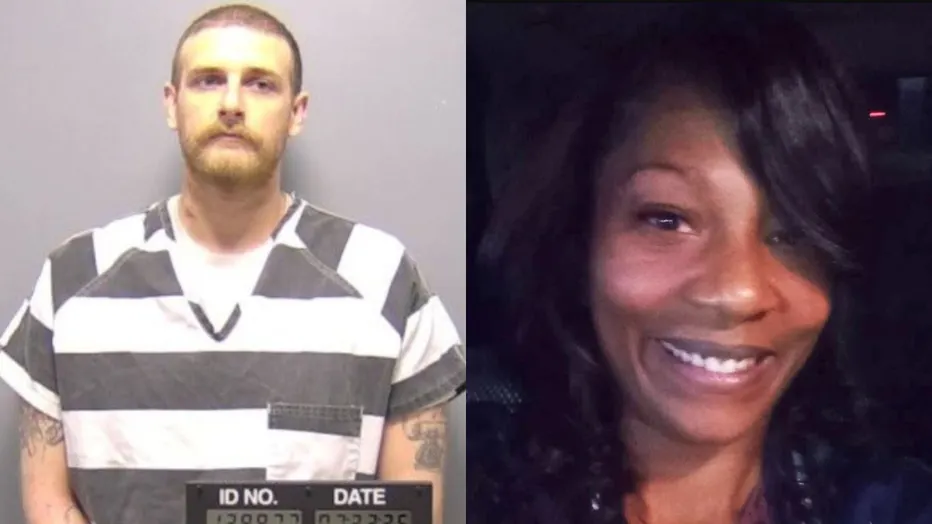
Massey, a 36-year-old Black mother, called 911 in July 2024 because she believed someone might be prowling outside her Springfield-area home.
Grayson and another Sangamon County sheriff’s deputy responded.
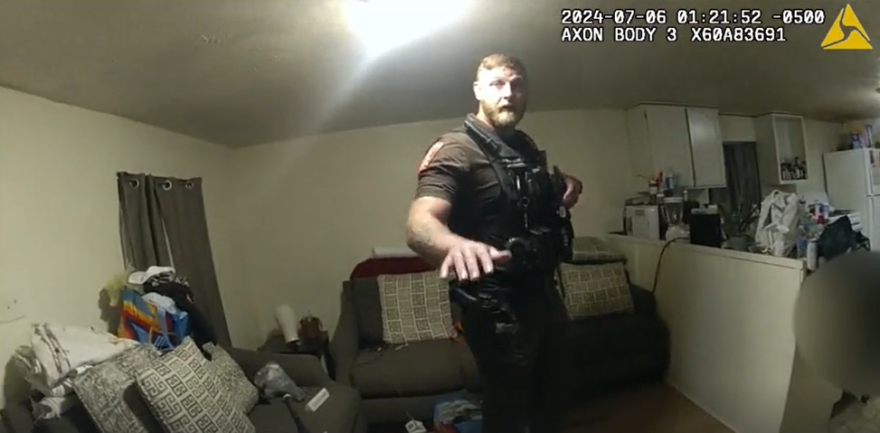
Body-camera footage showed the officers searching outside before entering the residence. What began as a call for protection escalated rapidly inside Massey’s kitchen.
At one point, the deputies directed attention toward a pot of hot water on the stove.
As Massey moved the pot, she told Grayson, “I rebuke you in the name of Jesus.”
Grayson responded by threatening to shoot her. He drew his weapon as Massey apologized and lowered herself behind the kitchen counter.
Moments later, he fired.
Massey was struck in the face and died inside the home where she had asked law enforcement to make her feel safe.
The footage spread widely after its release, generating outrage far beyond Illinois. Demonstrators demanded accountability, while Massey’s name became part of a broader national conversation about racial injustice, police conduct and the treatment of Black Americans during encounters with law enforcement.
The killing also led to a review by the U.S. Department of Justice.
A Conviction and the Maximum Sentence
Grayson was fired from the sheriff’s department and charged after investigators concluded that his use of deadly force was not justified.
His case went to trial in October 2025.
Jurors convicted him of second-degree murder, rejecting his argument that he had acted lawfully because he feared being struck by the hot water.
In January, a judge sentenced him to 20 years in prison, the maximum available for the offense.
The courtroom heard emotional statements about the life Massey had lived and the devastation left behind.
Her family described the permanent absence created by the shooting and the pain of knowing she had been killed by an officer who came to her home after she sought help.
Grayson apologized during that proceeding, saying he had made serious mistakes and poor decisions.
Yet his later statement that Massey had “attacked” him became a focus of opposition to his request for release. To Massey’s family and supporters, the language suggested that he continued to shift responsibility toward the woman he killed.
Family Attorneys Welcome the Decision
Civil rights attorneys Ben Crump and Antonio Romanucci, who represent Massey’s family, said the board reached the correct conclusion.
They emphasized that accountability should not disappear because the person convicted once wore a badge.
The attorneys said the ruling affirmed what Massey’s relatives had maintained throughout the case: law enforcement status does not place anyone above the justice system or provide a shortcut out of punishment.
Illinois Gov. JB Pritzker also responded to the decision.
He acknowledged that state law requires the Prisoner Review Board to consider qualifying medical-release applications, including those submitted by people convicted of serious crimes.
But he also returned attention to the circumstances that placed Grayson in prison.
Massey was innocent and unarmed, Pritzker said, and she had contacted law enforcement because she needed assistance. Her death, he added, reflected a painful pattern of violence experienced by too many Black Americans.
The Consequences Continue
The denial does not erase the seriousness of Grayson’s medical condition.
His cancer has advanced, and his attorneys have argued that his illness will remain a major concern while he is incarcerated.
But the board’s decision makes clear that medical hardship alone did not outweigh the nature of his crime, the sentence imposed by the court or the suffering of Massey’s family.
Grayson will continue serving the punishment handed down only months earlier.
For Massey’s loved ones, the ruling represents one more step in a long effort to preserve accountability in a case that began with a simple request for protection.
She had called 911 because she was afraid someone might be outside her home.
The officer sent to help her became the person who ended her life.
Nearly two years later, the legal system has now rejected Grayson’s effort to leave prison early, affirming that the consequences of that night cannot be set aside after only six months behind bars.