Janis Joplin Found Fame Before She Found the Belonging She Craved

By 1970, Janis Joplin had become one of the most recognizable voices in rock music. Her performances were loud, fearless and emotionally overwhelming. Thousands gathered to watch her turn heartbreak into something almost physical, as though every note had been pulled from a wound.
Yet the woman who appeared so powerful beneath the stage lights often faced a far different reality once the applause ended.
On October 4, 1970, Joplin was found dead in Los Angeles. She was only 27 years old. Her death from a heroin overdose ended a life that had moved with extraordinary speed—from an isolated childhood in Texas to the center of a musical revolution. It also silenced an artist who appeared to be entering one of the most promising periods of her career.
Her story would become inseparable from the mythology of rock and roll. But behind that mythology was a young woman who had spent much of her life searching for acceptance, affection and a place where she could exist without being judged.
An Outsider in Port Arthur
Janis Lyn Joplin was born on January 19, 1943, and raised in Port Arthur, Texas. Her father, Seth Joplin, was an engineer, while her mother, Dorothy, worked as a registrar at a business college.
Her parents imagined a secure, conventional future for their daughter. Janis, however, never felt comfortable inside the expectations surrounding her.
She was intelligent, artistic and intensely sensitive. She painted, wrote poetry and became fascinated by blues music. The voices of Bessie Smith, Lead Belly and Odetta offered something she struggled to find in everyday life: honesty about suffering.
Their music did not hide pain or attempt to make it respectable. It gave sorrow a sound.
For Joplin, that openness became a form of refuge. While she often felt misunderstood by the people around her, music seemed to recognize emotions she could not easily explain.
Her teenage years deepened that sense of isolation. She was mocked because of her appearance, her personality and her refusal to conform. The rejection left injuries that success would later cover but never fully erase.
Ironically, the qualities that made her a target in Texas would become the foundation of her appeal. Her refusal to appear polished, obedient or predictable eventually helped make her unlike anyone else in American music.
Finding a Stage Large Enough for Her Voice
The cultural changes of the 1960s gave Joplin an escape from the world in which she had grown up. In San Francisco, she entered a music scene built around experimentation, rebellion and personal expression.
She joined Big Brother and the Holding Company, bringing an explosive vocal presence to the band. Joplin did not perform with the controlled elegance expected from many singers of the period. Her voice could crack, roar, plead and collapse into a whisper within a single song.
That lack of conventional perfection became her greatest strength.
Audiences did not merely hear her singing. They felt they were watching someone expose emotions most people worked hard to conceal. She seemed to place her entire inner life in front of strangers, leaving nothing protected.
Her defining breakthrough came at the Monterey Pop Festival in 1967. Many people in the crowd had arrived without knowing who she was. By the time her performance ended, she had become one of the festival’s unforgettable figures.
The appearance introduced her to a national audience and transformed the direction of her career. The young woman who had once felt invisible was suddenly impossible to overlook.
Fame followed quickly.
Joplin became known for her colorful clothing, uninhibited movement and astonishing emotional force. She represented freedom to fans who were rejecting older cultural rules. Onstage, she appeared completely in command.
But public confidence and private security were not the same thing.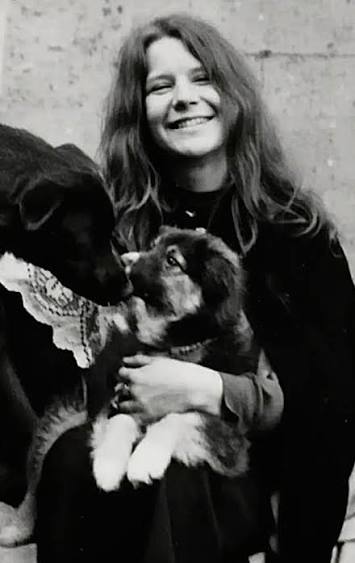
Loved by Crowds, Lonely Afterward
The larger Joplin’s public image became, the harder it was to separate the performer from the person.
Fans expected the wild, laughing and unpredictable rock star they had seen in photographs and concerts. That image brought attention, but it also created another kind of isolation. People could adore what she did onstage without understanding what she needed away from it.
Joplin described the painful contrast in one of the remarks most closely associated with her life: “Onstage I make love to 25,000 people. Then I go home alone.”
The statement captured the central contradiction of her fame. She could create intimacy for an enormous audience while remaining uncertain whether anyone truly loved the woman behind the voice.
Every concert offered a temporary connection. For a few hours, she and the crowd seemed to share the same emotional space. Then the lights went down, the venue emptied and the silence returned.
The admiration she received could not undo the humiliation she had experienced as a teenager. Record sales could not guarantee companionship. Recognition did not automatically produce belonging.
Her success gave her almost everything an aspiring performer might have wanted, but it could not resolve the question that had followed her from Port Arthur: Was she valued for herself, or only for what she could give others?
A New Chapter Taking Shape
During the final year of her life, Joplin appeared to be growing beyond the image that had first made her famous.
She began recording the album that would become Pearl. The sessions revealed an artist who was focused, determined and increasingly disciplined. Producer Paul Rothchild recognized the significance of the work taking shape.
The new material showed that Joplin’s talent extended far beyond vocal explosions. Songs such as “Me and Bobby McGee” allowed her to express tenderness, restraint and narrative depth. Her voice could still erupt with pain, but it could also communicate vulnerability without overpowering the story.
People around the project believed she was reaching a new level of artistic maturity. After years of being defined as a reckless force of nature, she was demonstrating greater control over both her work and her identity.
There were signs that she was attempting to find stability.
Yet addiction and emotional turmoil remained close. Her progress did not erase the pressures of celebrity or the private struggles she had carried for years. The hopeful direction of her music existed beside dangers she had not overcome.
That contrast made what happened next even more devastating.
Only weeks after working on recordings that suggested a remarkable future, Joplin was found dead. The news stunned the music world. She joined the list of influential performers whose lives ended at 27, a pattern later described as the “27 Club.”
But reducing her death to rock mythology risks losing sight of the human being at the center of it.
She was not simply another doomed celebrity. She was a daughter, a friend and an artist whose greatest gift came from her willingness to reveal emotions that others hid.
The Voice That Outlived the Silence
Pearl became part of Joplin’s enduring legacy, offering a glimpse of the artist she might have continued becoming.
More than five decades later, her performances still feel immediate. New listeners continue to discover the urgency in her voice, while singers study the freedom and emotional honesty she brought to the stage.
Her importance also reaches beyond individual songs.
Joplin challenged narrow ideas about how a female performer was expected to sound, dress and behave. She showed that a woman in rock could be forceful, imperfect, complicated and unapologetically visible. She did not soften herself to make audiences comfortable.
That example helped expand the space available to female artists who came after her.
Still, her life carries a meaning that extends beyond music. It demonstrates how easily public success can conceal private suffering. A person may command a stage, attract thousands of admirers and still feel profoundly alone.
Joplin transformed her pain into performances that made listeners feel understood. That was the strange generosity of her art: she gave others the connection she spent much of her own life trying to find.
Her journey ended at 27, but the emotional truth inside her music survived. Whenever her voice rises from a recording—rough, vulnerable and unmistakably alive—it carries more than the sound of a legendary singer.
It carries the story of a woman who refused to hide her wounds, even when the world did not know how to help heal them.