Hugh Grant Was Arrested at the Height of His Charm—Then Refused to Hide From the Scandal
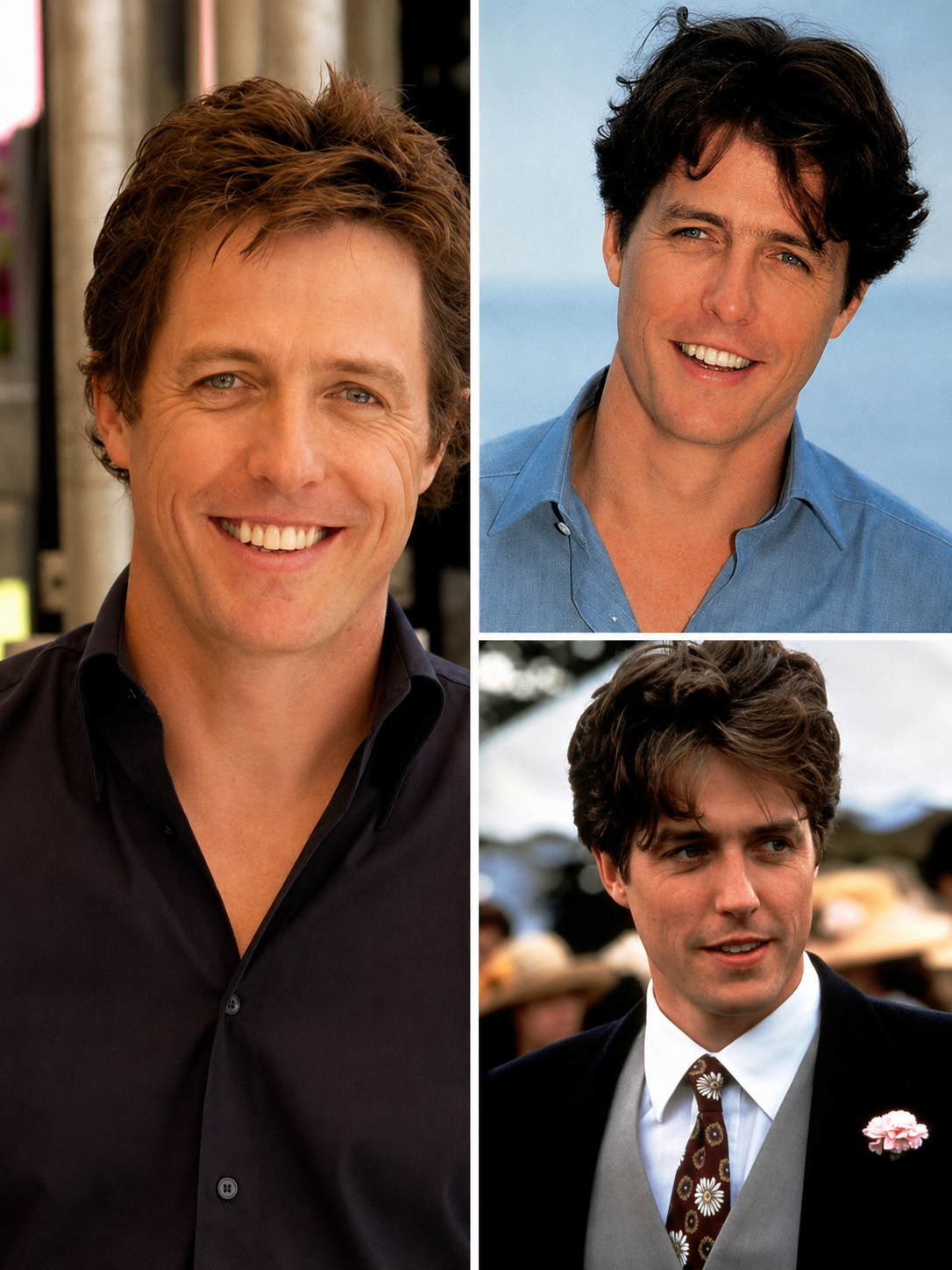
On July 10, 1995, Hugh Grant sat across from Jay Leno with no believable way to pretend that nothing had happened.
Two weeks earlier, Los Angeles police had arrested the British actor for engaging in a lewd act in a parked car with sex worker Divine Brown. The timing could hardly have been worse. Grant had recently become an international star through Four Weddings and a Funeral, and his new film, Nine Months, was about to open.
Hollywood had introduced him as the hesitant, well-mannered English romantic lead—a man whose stammering uncertainty made him appear decent even when he behaved foolishly.
Now the public was looking at a police booking photograph.
Leno opened the interview with the question everyone wanted answered: “What the hell were you thinking?”
Grant did not blame the police, the press, alcohol or the pressures of fame. He acknowledged that he understood the difference between right and wrong and had done something wrong.
The admission did not erase the offense or the damage it caused. But in an era before celebrity apologies were drafted for social media, Grant’s refusal to build an excuse helped prevent one humiliating night from becoming the final definition of his career.
The Romantic Hero Hollywood Had Just Discovered
Grant had worked for years before becoming a global celebrity.
He appeared in British television, period dramas and independent films, earning praise for Maurice in 1987. Wider fame remained limited until director Mike Newell cast him as Charles in Four Weddings and a Funeral.
Released in 1994, the romantic comedy became an international success.
Grant’s performance established the persona audiences would associate with him for the next decade: intelligent but emotionally confused, charming without appearing aggressive and capable of turning embarrassment into seduction.
He won a Golden Globe, became a Hollywood leading man and entered a level of celebrity he later admitted he had not been prepared to manage.
His long relationship with actress and model Elizabeth Hurley added to the image. When Hurley accompanied him to the premiere of Four Weddings and a Funeral in a black Versace dress fastened with oversized gold safety pins, they became one of the most photographed British couples of the period.
Then, shortly before the release of Nine Months, the fantasy collapsed.
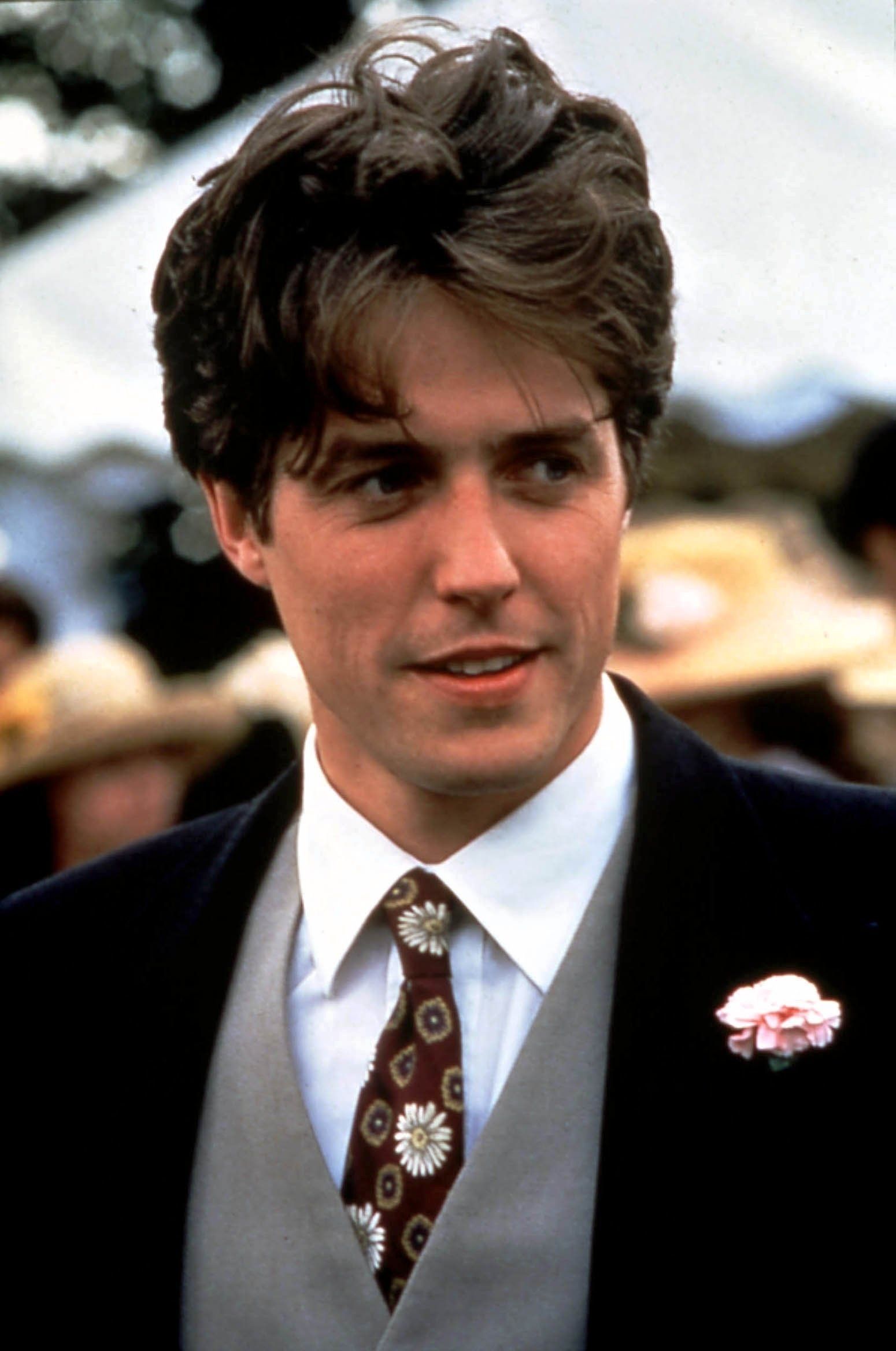
The Arrest That Could Have Ended Everything
Grant was arrested in the early hours of June 27, 1995, near Sunset Boulevard.
He and Brown, whose legal name is Estella Marie Thompson, were accused of engaging in sexual activity inside his car. Both were charged with misdemeanor lewd conduct in a public place.
The story immediately became international news.
Grant was not merely another actor caught in a private scandal. He was involved with Hurley and had been marketed as the opposite of reckless Hollywood excess. His appeal depended partly on the belief that the awkward decency visible onscreen reflected something real about him.
The arrest threatened to make that image look fraudulent.
Grant issued an early statement apologizing to the people he had hurt. He later pleaded no contest, received probation, paid a fine and was ordered to complete an AIDS education program.
The legal consequences were limited compared with the public humiliation. Every interview connected with Nine Months risked becoming an interrogation about his personal life.
Grant could have canceled the appearances.
Instead, he continued with them.
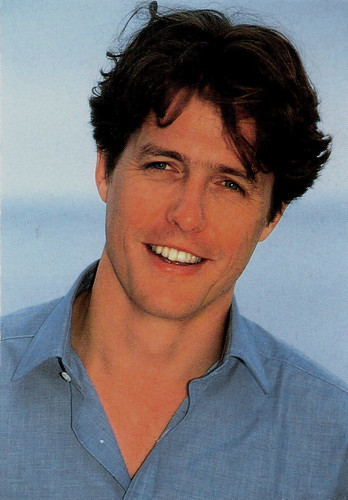
The Interview That Changed the Direction of the Story
Grant’s appearance on The Tonight Show has since become one of the most studied examples of celebrity crisis management.
When Leno confronted him, Grant did not attempt to present himself as misunderstood. He described his conduct as a bad thing and accepted that people were entitled to be angry.
The exchange was brief, uncomfortable and unexpectedly effective.
His manner still contained the nervous pauses audiences recognized from his films, but this time the embarrassment was not scripted. He looked ashamed without appearing rehearsed and took responsibility without demanding immediate forgiveness.
That response changed the emotional structure of the scandal.
Reporters could continue discussing what Grant had done, but it became harder to build the next chapter around denial, hypocrisy or an escalating series of false explanations. He had admitted the essential facts and left little public argument to prolong.
The appearance did not single-handedly rescue him. Grant remained a valuable actor, Nine Months had already been produced, and Hollywood has historically granted famous men forms of forgiveness that women and less powerful performers do not always receive.
Still, his response mattered.
He did not insult the audience by pretending the obvious had not happened.
Why the Public Did Not Abandon Him
Grant’s popularity survived partly because the qualities audiences liked in his screen characters were present in his apology.
He appeared embarrassed, self-critical and aware of the absurdity of his position. He did not present himself as morally superior to the people judging him.
The public could therefore interpret the arrest as a serious personal failure rather than proof that his entire personality had been manufactured.
Hurley also did not immediately leave him. The couple remained together until 2000 and later preserved a close friendship, with Grant becoming godfather to her son Damian.
That continuity helped weaken the simple tabloid narrative of a relationship instantly destroyed by betrayal. It did not remove the private consequences, but it showed that the people involved were handling them in ways not fully visible to outsiders.
Most importantly, Grant continued appearing in films that audiences wanted to see.
In 1999, Notting Hill paired him with Julia Roberts and became one of the decade’s defining romantic comedies. The film effectively reversed the power structure surrounding his public life: Grant played an ordinary bookstore owner overwhelmed by the machinery of fame.
Viewers accepted him in the role.
The scandal had not broken the connection.
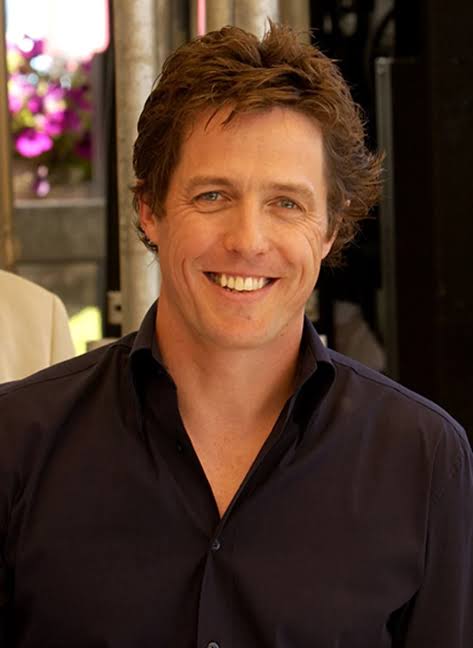
Becoming the Least Trustworthy Man in Romantic Comedies
During the 2000s, Grant began using his charm in more complicated ways.
In Bridget Jones’s Diary, released in 2001, he played Daniel Cleaver, Bridget’s seductive boss. Daniel looks like the familiar Grant hero but behaves very differently. He lies, manipulates and relies on charm to avoid responsibility.
The performance allowed Grant to make fun of the romantic identity that had built his career.
A year later, About a Boy gave him one of his strongest roles. He played Will Freeman, a wealthy and emotionally empty bachelor who invents a child so he can attend meetings for single parents and pursue women.
Will begins the film treating other people as inconveniences. His friendship with a bullied boy gradually forces him to recognize that his independence is another form of isolation.
Grant earned another Golden Globe nomination and demonstrated that his apparent lightness could support a sharper, sadder kind of comedy.
He then starred opposite Sandra Bullock in Two Weeks Notice, played the British prime minister in Love Actually and portrayed a fading pop singer alongside Drew Barrymore in Music and Lyrics.
The romantic-comedy king had survived.
But his later characters were no longer innocent fantasies. Many were selfish, dishonest or emotionally stunted men who had to confront the damage caused by their own behavior.
Grant’s real-life scandal inevitably gave those performances another layer.
The Scandal Did Not Make Him Untouchable
It would be misleading to claim that one television interview simply erased the incident.
Grant continued to be questioned about the arrest for decades. Comedians referred to it, interviewers revisited it, and his name remained permanently connected to Brown’s.
Brown also became famous through the encounter, though the consequences were not equal. Grant returned to wealthy film sets, while she faced additional legal penalties connected partly to previous offenses and had her private life exposed to worldwide attention.
The phrase “career-saving apology” can also oversimplify the power protecting Grant.
He was a white male leading man with studio support, international appeal and movies already moving through production. Other performers have suffered harsher professional consequences for less public misconduct.
What Grant did control was his response.
He chose not to challenge the basic truth, portray himself as persecuted or ask the public to admire him for admitting what could not plausibly be denied.
That decision prevented the scandal from expanding into a larger story about dishonesty.
Leaving the Romantic Hero Behind
Grant eventually grew tired of romantic comedies and stepped back from acting for periods of time.
When he returned more fully, he began taking roles that dismantled the handsome, hesitant persona almost completely.
He played a vain and treacherous actor in Paddington 2, politician Jeremy Thorpe in A Very English Scandal, a threatening private investigator in The Gentlemen and a dangerous theological manipulator in Heretic.
These performances brought renewed critical respect and revealed abilities that the romantic-comedy years had sometimes concealed.
Even so, audiences continued welcoming him back to the genre that made him famous. He returned as Daniel Cleaver in Bridget Jones: Mad About the Boy in 2025, carrying more than 20 years of history with the character.
Grant is now remembered both as the face of British romantic comedy and as the actor who spent his later career mocking, darkening and escaping that image.
The 1995 arrest remains an unavoidable part of his story.
But it did not become the ending.
Hugh Grant survived because he did not ask the public to believe he was still the flawless gentleman Hollywood had sold them. He admitted that the charming man could also behave badly—and then spent the rest of his career playing characters built around the same uncomfortable truth.