THE BRUISE THAT CAME BEFORE THE TRAGEDY — WHAT DID ISABELLE’S FAMILY MISS?
THE BRUISE THAT CAME BEFORE THE TRAGEDY — WHAT DID ISABELLE’S FAMILY MISS?
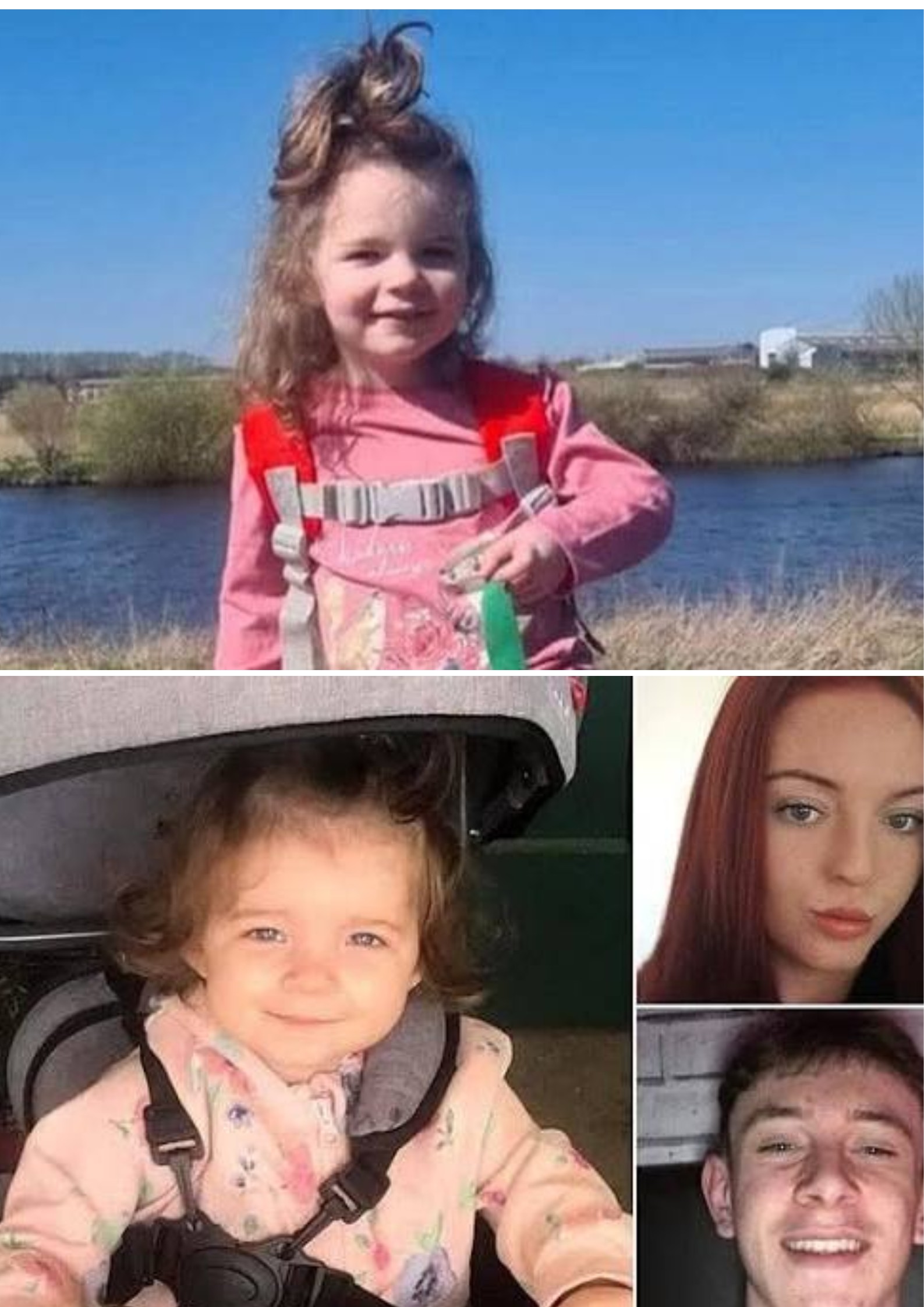
Days before two-year-old Isabelle Rose Welsh died, her grandmother noticed a bruise on the toddler’s back and reportedly reacted with alarm. At the time, an explanation was given that Isabelle had bumped herself on a sofa. Prosecutors later presented that moment alongside a much wider body of medical and forensic evidence, arguing that the injury was one of several warning signs preceding Isabelle’s fatal collapse.
 “WHAT THE HELL IS THIS?”
It was a moment that, in hindsight, became deeply significant.
After Isabelle was discharged from hospital following treatment for a fractured leg, her grandmother visited the family home.
There, she noticed a bruise on the little girl’s back.
She told detectives that she reacted with alarm and asked, in effect, “what the hell?”
But according to evidence reported from the trial, Isabelle’s mother provided an explanation that the toddler had bumped herself on the sofa.
At the time, the bruise was not understood as part of the devastating pattern that prosecutors would later present to the court.
JUST DAYS EARLIER, ISABELLE HAD BEEN IN HOSPITAL
The bruise did not occur in isolation.
Isabelle had already been taken to hospital after suffering a fractured leg.
Court evidence revealed that there were concerns among some medical staff about whether she should immediately return home.
Those concerns ultimately did not result in Isabelle being kept away from her mother.
A health visitor later contacted the family by telephone and, according to the prosecution case, concluded that there were no concerns without physically visiting Isabelle.
Less than two weeks later, Isabelle would suffer the catastrophic injuries that caused her death.
THE EVIDENCE THAT CHANGED THE MEANING OF THE BRUISE
Following Isabelle’s death, the investigation uncovered a far larger pattern of injuries.
A post-mortem examination documented 21 broken bones and 97 soft-tissue injuries, alongside other serious injuries.
Prosecutors argued that these findings were evidence of a prolonged campaign of violence rather than one isolated accident.
The court also heard evidence of a catastrophic head injury that prosecutors said was caused by violent shaking followed by impact against a hard surface.
Isabelle died in hospital in the early hours of September 14, 2025.
 THE QUESTION THAT NOW HAUNTS THE CASE
The most painful question is not simply what the bruise meant.
It is whether it represented an opportunity to recognize that something much more serious was happening.
At the time, there was no way for Isabelle’s grandmother to know everything investigators would later uncover.
And hindsight can make warning signs appear obvious when they were not necessarily understood that way in the moment.
But prosecutors argued that the earlier injury formed part of a wider pattern that ultimately became impossible to explain as an isolated accident.
WHAT HAPPENED BEHIND THE CLOSED DOORS?
The prosecution presented medical evidence, CCTV, phone records, messages and other material concerning Isabelle’s final weeks.
According to prosecutors, the evidence showed that the only adults regularly around Isabelle during the relevant period were her mother, Alexandra Walker, and Walker’s boyfriend, Harrison Simpson.
Both defendants denied the charges during the proceedings.
They were subsequently convicted of murder and child cruelty, while Simpson was additionally convicted of sexual assault.
Both were sentenced to life imprisonment, with minimum terms of 22 years for Walker and 28 years for Simpson.
THE WARNING SIGN THAT CANNOT BE UNSEEN
For Isabelle’s family, that earlier bruise now carries a meaning it could never have had at the time.
A small injury.
A simple explanation.
A child who had already been taken to hospital.
And then, days later, a catastrophic escalation.
The case has since prompted difficult questions about whether the systems and adults around Isabelle had enough information to recognize the danger.
Those questions matter because the tragedy was not ultimately explained by one isolated injury.
It was the wider pattern of evidence that prosecutors placed before the jury.
The bruise was only one moment. The devastating question is whether it was a warning that nobody fully understood until it was too late.
Isabelle Rose Welsh was only two years old.
Her mother and Walker’s boyfriend were convicted of her murder.
The earlier injury became part of a much larger evidential picture presented in court.
Independent commentary based on publicly reported courtroom evidence. The defendants were presumed innocent during the trial; their convictions and sentences are now matters of public record.