“BIG OR SMALL, NATIONAL OR LOCAL” — LAWYERS ISSUE A BLUNT WARNING OVER ONLINE CLAIMS
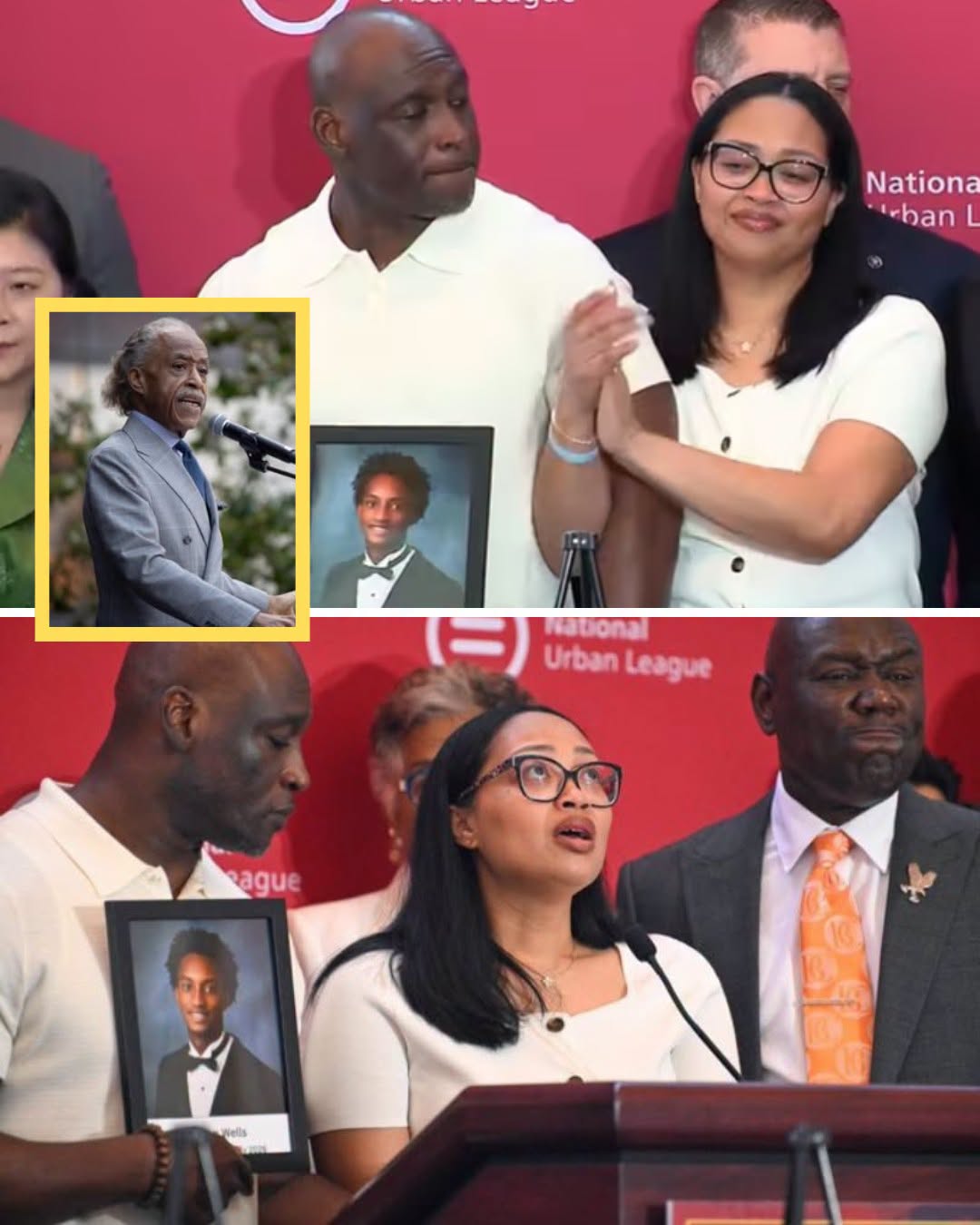
“BIG OR SMALL, NATIONAL OR LOCAL” — LAWYERS ISSUE A BLUNT WARNING OVER ONLINE CLAIMS
Attorneys representing Warren Hudson, Jax Pitalo and Morgan Seymour are taking an increasingly aggressive stance against what they describe as false and defamatory claims surrounding the death of their friend, Nolan Wells.
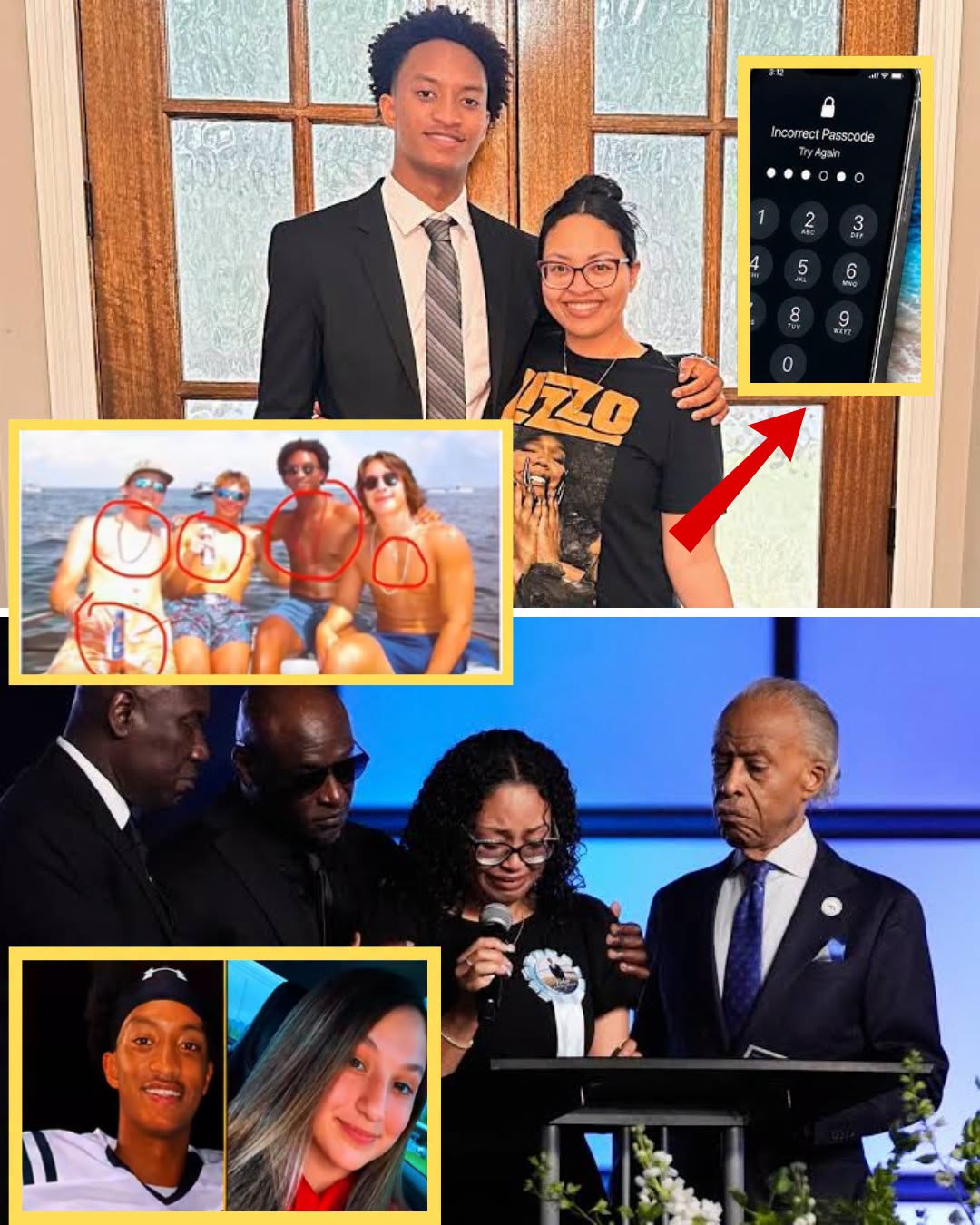 THE WARNING IS NOW PUBLIC
In a joint statement, attorneys J. Tyler Cox and Edward Andrew Paltzik said they are monitoring media coverage and social-media discussions involving their clients.
Their message was direct:
They intend to challenge statements they believe cross the line from commentary into defamation.
The lawyers indicated that their scrutiny will not be limited to major news organizations.
“Big or small. National or local.”
That warning is now circulating as the legal team pushes back against what it characterizes as misinformation.
THEIR CLIENTS DENY ANY INVOLVEMENT
The attorneys have repeatedly maintained that Hudson, Pitalo and Seymour had no involvement in Nolan Wells’ death.
Their position is that online speculation has increasingly blurred the distinction between unanswered questions and accusations.
That distinction matters.
An investigation can leave legitimate questions unanswered without establishing criminal responsibility.
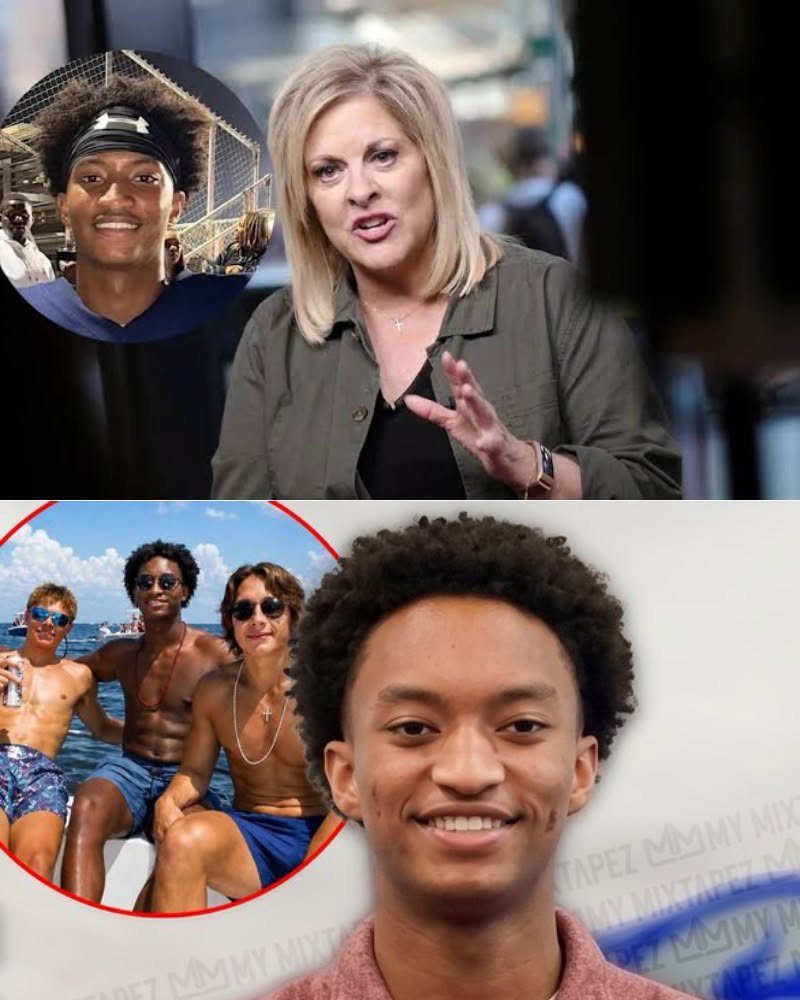 SOCIAL MEDIA HAS CHANGED THE CASE
The Nolan Wells investigation has generated intense online discussion.
Videos, posts, theories and amateur analyses have spread rapidly as people attempt to reconstruct what happened.
But lawyers say speculation can have consequences when individuals are publicly accused without verified evidence.
A theory posted online can reach thousands of people within minutes.
A correction rarely travels as far.
WHERE DOES COMMENTARY BECOME DEFAMATION?
That may ultimately become the central legal issue.
People are generally free to discuss public events and express opinions.
But factual allegations presented as truth can create legal exposure when they are false and meet the requirements for defamation.
That is why the attorneys’ warning is significant.
They are not simply asking people to stop talking about the case.
They are signaling that they are prepared to examine what is actually being said about their clients — and how it is being presented.
A WARNING TO CONTENT CREATORS
The statement also sends a message to influencers and independent creators who may believe that a social-media platform puts them beyond legal scrutiny.
It doesn’t.
But neither does a lawyer’s warning automatically prove that a particular post is defamatory.
Each statement would have to be evaluated on its own facts and under applicable law.
THE INVESTIGATION STILL HAS QUESTIONS
The death of Nolan Wells has generated enormous public interest.
That interest is understandable.
But unanswered questions are not the same thing as evidence of guilt.
And online theories should not be treated as established facts simply because thousands of people repeat them.
A viral accusation is still an accusation.
A rumor repeated 10,000 times does not become evidence.
NOW THE LEGAL BATTLE MAY MOVE ONLINE
For Hudson, Pitalo and Seymour’s attorneys, the next phase may involve monitoring exactly how their clients are being portrayed across the internet.
For creators and commentators, the warning is equally clear:
Discuss the case. Ask questions. Analyze the evidence.
But be extremely careful before presenting an unverified allegation as fact.
Lawyers say they are watching.
Social-media posts are under scrutiny.
And the line between legitimate discussion and potentially actionable claims could soon become the center of a new legal fight.
This post describes allegations and statements made by attorneys. It does not independently establish the innocence or guilt of any person. Defamation standards vary by jurisdiction, and individual claims must be assessed on their specific facts.