32 PRESCRIPTION FILLS IN JUST FOUR MONTHS — THE MEDICATION TIMELINE NOW AT THE CENTER OF THE LINDSAY CLANCY TRIAL
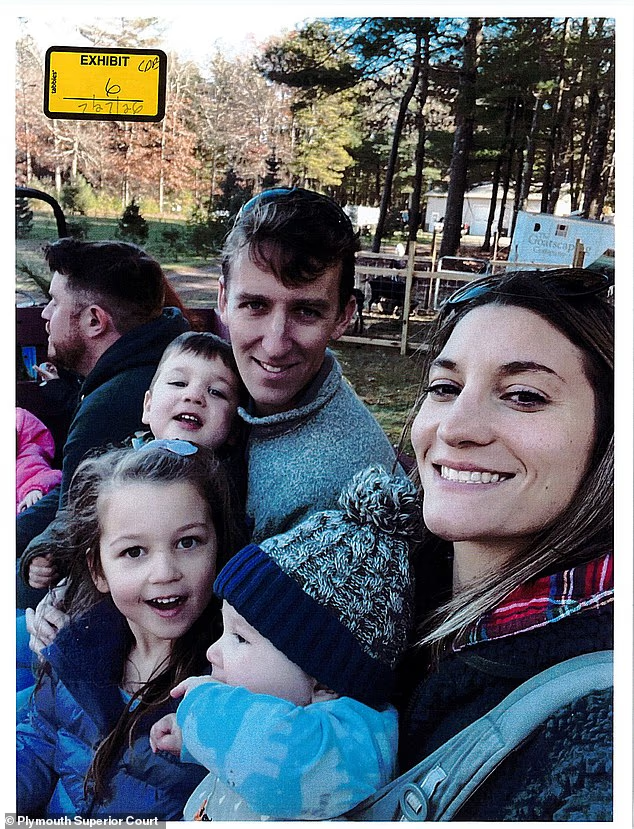
32 PRESCRIPTION FILLS IN JUST FOUR MONTHS — THE MEDICATION TIMELINE NOW AT THE CENTER OF THE LINDSAY CLANCY TRIAL
Sapo: A detailed medication timeline presented in court is drawing renewed attention to the weeks before the deaths of Lindsay Clancy’s three children. Defense attorneys showed records documenting 32 prescription fills between September 2022 and January 23, 2023, while testimony revealed that Clancy had repeatedly communicated with her psychiatric provider about medications, side effects and disturbing changes in her mental state.
32 PRESCRIPTIONS. FOUR MONTHS. ONE DAY BEFORE THE TRAGEDY.
According to evidence presented by the defense, Clancy’s medication history documented 32 prescription fills during the four months leading up to January 24, 2023.
The prescriptions reportedly changed repeatedly throughout that period.
And then came the final entry.
Her last listed prescription was filled just one day before the deaths of her three children.
That timeline has now become an important part of the courtroom discussion surrounding her mental state.
SHE WASN’T JUST RECEIVING MEDICATION — SHE WAS TALKING ABOUT IT
Psychiatric nurse practitioner Rebecca Jollotta, who treated Clancy, testified about their communications regarding her medications.
According to her testimony, Clancy regularly messaged her about treatment.
At times, she reportedly told Jollotta that she had taken less medication than prescribed.
At other times, she wanted to change medications because of side effects.
The exchanges provide the jury with a closer look at what was happening medically during the months before the tragedy.
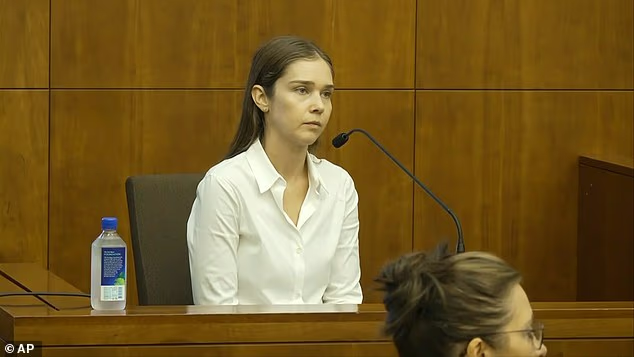 THEN CAME THE MESSAGE THAT STOOD OUT
Jollotta testified that less than two months before January 24, Clancy reported experiencing:
“intrusive thoughts I never had before”
She also reportedly described herself as:
“feeling completely hopeless.”
Those statements are now being examined alongside the medication records and testimony about Clancy’s psychiatric condition.
 THE TIMELINE MATTERS
September 2022.
Multiple medication changes.
Repeated communication with her provider.
Reports of side effects.
New and disturbing thoughts.
A growing sense of hopelessness.
And finally, a prescription filled on January 23.
The following day, the three Clancy children died.
The chronology is now one of the most closely examined pieces of evidence in the trial.
BUT DOES THE MEDICATION HISTORY EXPLAIN WHAT HAPPENED?
That is where the courtroom battle becomes complicated.
The existence of multiple prescriptions does not automatically establish that medication caused or contributed to the deaths.
Nor does a history of psychiatric treatment by itself determine someone’s legal responsibility.
The defense is using the medical history to provide context for Clancy’s reported mental state.
Prosecutors have their own interpretation of the evidence and the events surrounding January 24.
Ultimately, the jury must evaluate the medical testimony alongside the entire body of evidence.
A FOUR-MONTH PAPER TRAIL HAS BECOME A KEY COURTROOM STORY
What might ordinarily look like routine prescription records now carries enormous significance.
Thirty-two fills.
Multiple changes.
Messages to a psychiatric provider.
Reports of unfamiliar intrusive thoughts.
A statement of profound hopelessness.
And a final prescription just one day before the tragedy.
32 prescription fills.
Repeated medication discussions.
New intrusive thoughts reported weeks before the deaths.
Three children ultimately lost their lives.
And now jurors must determine how much those medical records tell them about Lindsay Clancy’s state of mind.
The records don’t provide a simple answer.
But they provide a timeline the jury cannot ignore.
This post summarizes evidence and testimony presented in court. It does not establish that any medication caused the tragedy or determine Lindsay Clancy’s legal responsibility; those issues remain for the court to decide.