LINDSAY CLANCY TRIAL: NEW QUESTIONS ABOUT HER MENTAL STATE EMERGE
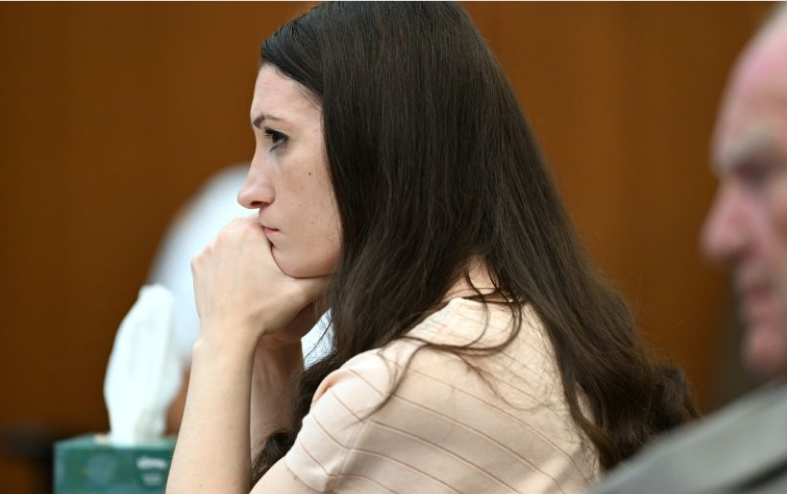
LINDSAY CLANCY TRIAL: NEW QUESTIONS ABOUT HER MENTAL STATE EMERGE
The trial surrounding the deaths of Cora, Dawson and Callan Clancy continues to focus attention on Lindsay Clancy’s mental state in the period leading up to the tragedy.
Evidence presented in court has included testimony about her severe psychological distress, intrusive thoughts, medication history and reported struggles in the weeks before the children’s deaths.
A MIND UNDER EXTREME PRESSURE?
The defense has argued that Clancy was experiencing a profound psychiatric crisis, including postpartum psychosis, at the time of the killings.
Prosecutors, meanwhile, have pointed to evidence they say may demonstrate planning and intent.
That disagreement places Clancy’s state of mind at the center of the trial.
WHAT DID SHE EXPERIENCE BEFORE THE TRAGEDY?
Court testimony has described a period marked by:
Severe emotional distress
Repeated changes to psychiatric medications
Reports of intrusive thoughts
Feelings of hopelessness
Disturbing searches made shortly before the deaths
Each piece of evidence is being examined as the prosecution and defense present very different interpretations of what was happening inside Clancy’s mind.
 TWO COMPETING INTERPRETATIONS
For the defense, the evidence may help demonstrate that Clancy was experiencing a serious psychiatric disorder that affected her perception and behavior.
For prosecutors, some of the same evidence may support an argument that she understood what she was doing.
Ultimately, the jury must determine what the evidence establishes about her mental state and legal responsibility.
 WHAT REALLY HAPPENED INSIDE HER MIND?
The most difficult questions in the case cannot be answered simply by looking at one search, one prescription or one statement.
The jury is being asked to consider the entire timeline.
What was Clancy experiencing?
What did she understand?
And did her mental condition affect her ability to distinguish right from wrong?
Those questions could determine the outcome of one of the most closely watched trials in Massachusetts.
This post is based on publicly reported courtroom evidence. Claims about diary contents or other evidence should not be treated as established unless confirmed by court testimony or reliable reporting.