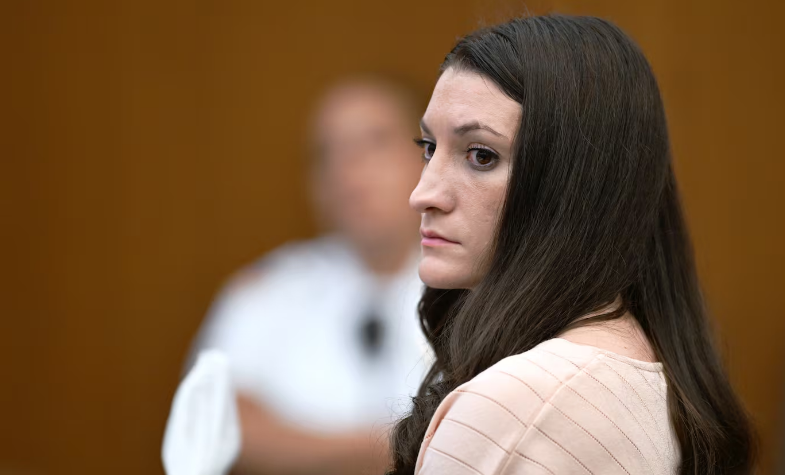
THE FINAL TEXTS: ORDINARY WORDS NOW CARRY A HAUNTING WEIGHT IN THE LINDSAY CLANCY TRIAL
THE FINAL TEXTS: ORDINARY WORDS NOW CARRY A HAUNTING WEIGHT IN THE LINDSAY CLANCY TRIAL
What looked like an ordinary exchange between a husband and wife has become some of the most closely examined evidence in the Lindsay Clancy murder trial.
Jurors were shown text messages exchanged between Lindsay and her then-husband, Patrick Clancy, on January 24, 2023 — only hours before their three children died.
And the striking detail is not that the messages were obviously threatening.
It is that they appeared completely ordinary.
A NORMAL CONVERSATION BEFORE THE TRAGEDY
According to courtroom reporting, the messages included discussions about food, medication and errands.
Patrick was preparing to go out to pick up takeout and medicine after communicating with Lindsay.
Later that evening, he returned home to an unimaginable scene.
Their three children — Cora, 5, Dawson, 3, and Callan, 8 months — were found unresponsive in the basement.
That contrast has become central to the prosecution’s presentation of the timeline.
THEN CAME THE FAMILY VIDEOS
Investigators have also presented photographs and videos showing the family together before the tragedy.
One video shown in court reportedly depicted the family visiting a science museum on January 8, 2023, just weeks before the deaths.
The footage offered jurors another glimpse of apparently ordinary family life before the events that would permanently change the family.
For prosecutors, seemingly organized behavior and the sequence of events are being used to support their argument that Clancy acted deliberately.
For the defense, however, the picture is far more complicated.
 THE DEFENSE SEES A DIFFERENT STORY
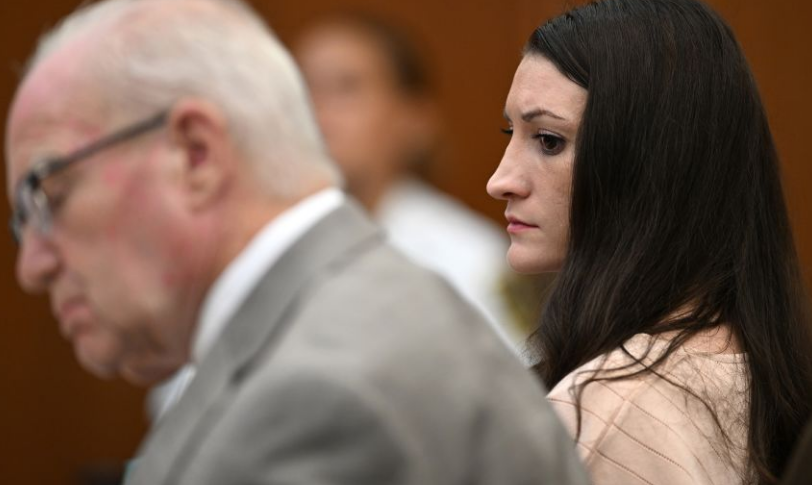
Clancy’s attorneys argue that she was experiencing postpartum psychosis, bipolar disorder and severe psychiatric symptoms, and that she should not be held criminally responsible.
The defense has pointed to her mental-health treatment, medication history, reported hallucinations and increasingly disturbing thoughts before the deaths.
Prosecutors strongly dispute that explanation.
They have highlighted searches on Clancy’s phone involving psychosis, hallucinations, medications, suicide and sociopathy, arguing that the digital evidence supports a theory of planning and intent.
 WHY THE FINAL TEXTS MATTER
The messages do not exist in isolation.
Jurors are being asked to reconstruct an extremely complicated timeline from:
Text messages
Internet searches
Family videos
Medical records
Psychiatric testimony
Police evidence
And the central legal question remains:
Was Lindsay Clancy acting deliberately, or was she experiencing a severe psychiatric break that destroyed her ability to understand what she was doing?
That is ultimately for the jury to decide.
THE SAME WORDS CAN LOOK VERY DIFFERENT IN RETROSPECT
A text about dinner might have meant nothing unusual when it was sent.
A routine family video might have looked like nothing more than an ordinary afternoon.
But after the deaths of three children, those same moments have become evidence in a courtroom attempting to understand what happened inside the Clancy home.
That is what makes the final messages so emotionally difficult.
Not because the words themselves were necessarily extraordinary.
But because everyone now knows what happened afterward.
ORDINARY TEXTS.
ORDINARY FAMILY MOMENTS.
THREE CHILDREN DEAD.
AND A JURY NOW ASKED TO DETERMINE WHAT WAS HAPPENING INSIDE LINDSAY CLANCY’S MIND.
The trial continues, with prosecutors and defense attorneys presenting sharply different interpretations of the same digital and personal history.
Independent commentary based on current trial reporting. The messages and other evidence are presented according to courtroom testimony; their meaning and significance remain matters for the ongoing trial.