SIX-WEEK-OLD MASON’S OXYGEN LEVEL PLUNGED TO JUST 20% AS DOCTORS RACE TO UNCOVER THE RARE CONDITION BEHIND HIS MYSTERIOUS BREATHING CRISIS
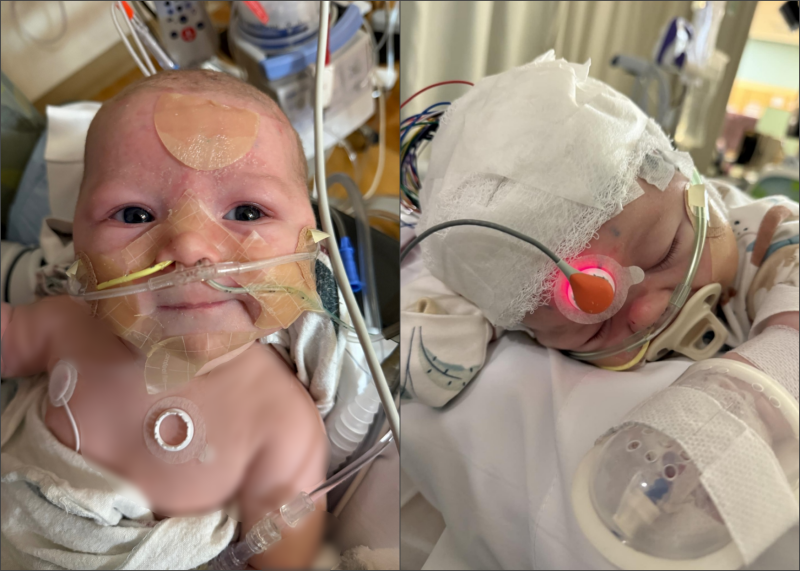
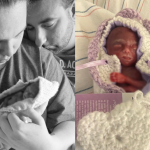
Six weeks ago, Jeff and Morgan welcomed their precious baby boy, Mason, into the world. He arrived a little earlier than expected, but to his family, he seemed perfect — peaceful, beautiful and impossibly sweet.
His parents could never have imagined how quickly their joy would turn into a desperate fight to understand why their newborn could no longer breathe on his own.
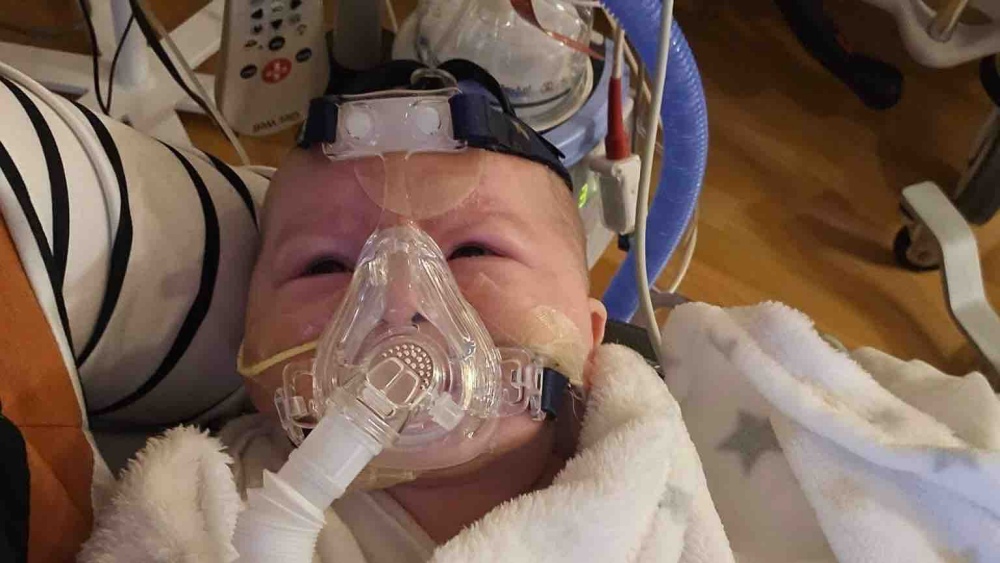
Not long after Mason came home, what initially appeared to be a simple cold took a frightening turn. His breathing became increasingly difficult, and his parents rushed him to the emergency room. His oxygen levels were critically low, and even high-flow oxygen was not enough.
Mason was transferred by ambulance to Saginaw Children’s Hospital. There, his oxygen levels fell to just 20 percent, leaving doctors racing to support his tiny body. They manually helped him breathe until a BiPAP ventilator could take over.
For his parents, seeing their newborn surrounded by medical equipment was heartbreaking.
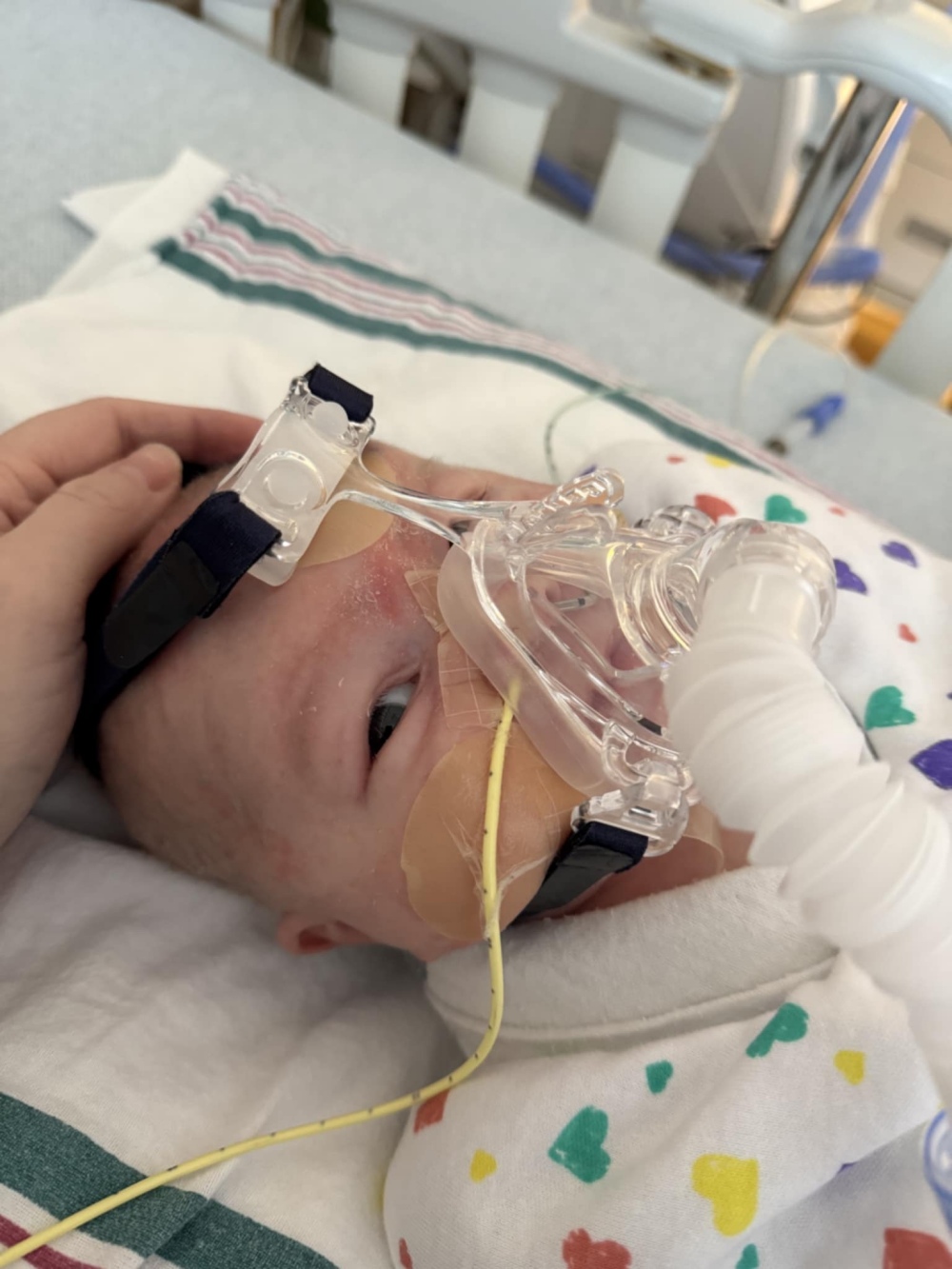
For the next week, Mason repeatedly struggled to maintain his breathing. His oxygen levels would fall into the 20s, and attempts to reduce his breathing support repeatedly ended with frightening episodes, particularly while he slept.
Doctors performed tests, scans and evaluations, searching for an explanation. But for ten long days, the family had no answers.
Mason was eventually transferred again, this time to the University of Michigan hospital, where specialists hoped they could uncover the reason behind his mysterious breathing problems.
There, another serious concern emerged: Mason’s carbon dioxide levels became dangerously high.
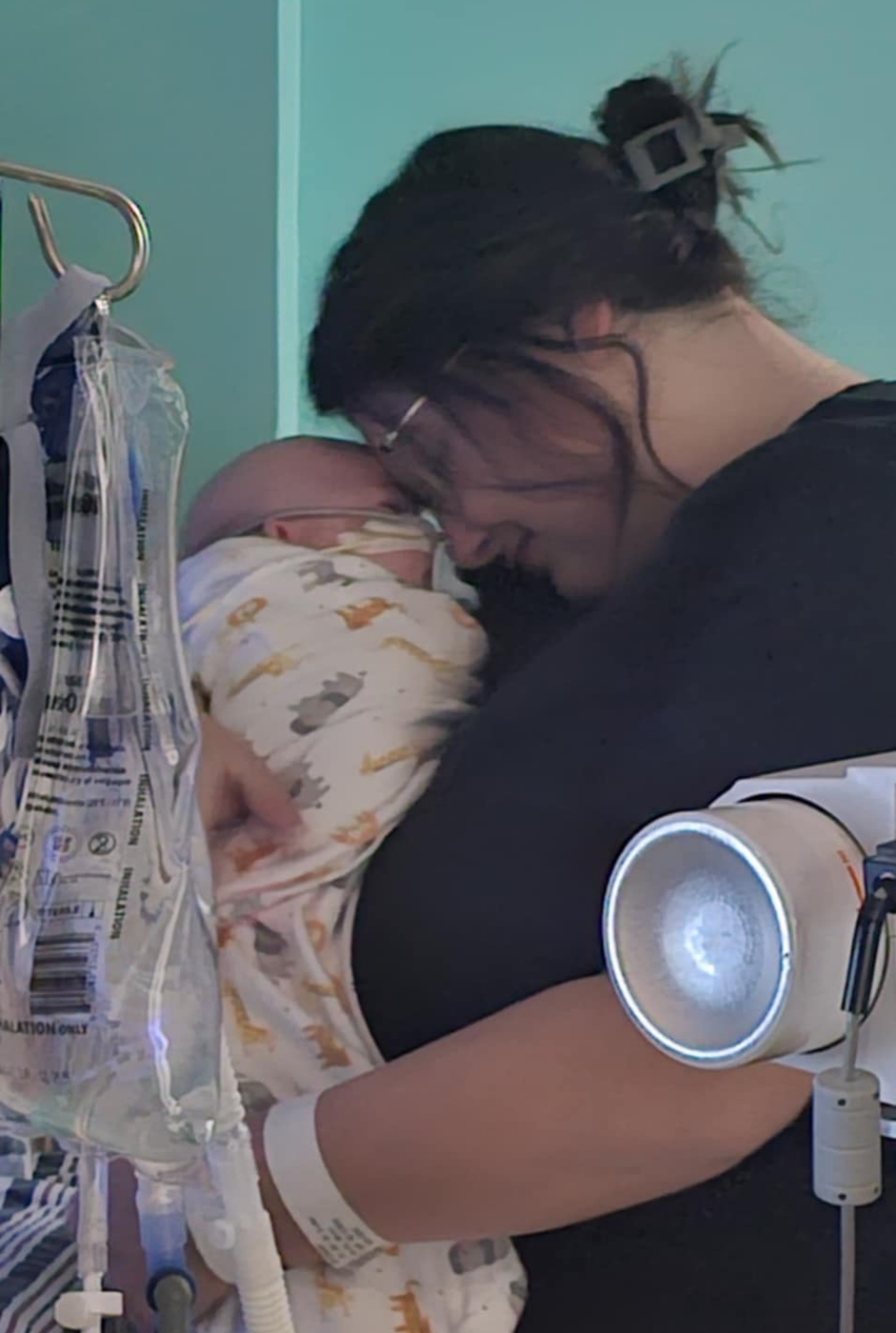
Then, after extensive genetic testing, his family finally received the answer they had been desperately waiting for.
Mason was diagnosed with Congenital Central Hypoventilation Syndrome (CCHS), a rare genetic condition in which the brain does not consistently send the signals needed to maintain breathing, particularly during sleep.
His lungs are healthy. His heart is strong. But without mechanical support, Mason’s body may not reliably remember to breathe.
The diagnosis finally explained the terrifying episodes that had brought him to the hospital, but it also opened the door to a difficult new reality.
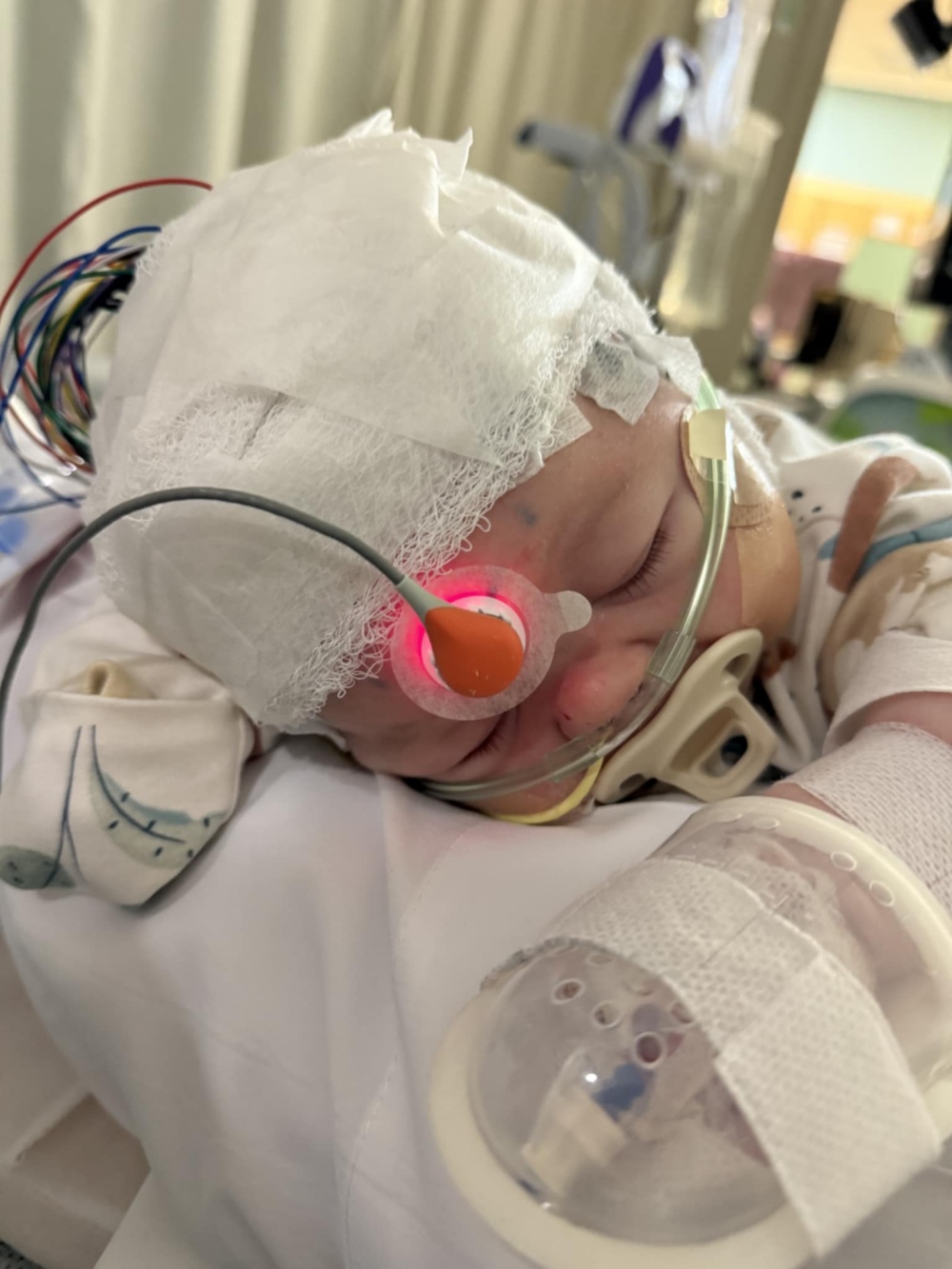
Doctors have told Jeff and Morgan that Mason may require permanent mechanical ventilation, potentially for the next six to seven years of his life.
For a family who only wants to take their baby home, the thought of spending his earliest years connected to breathing equipment is devastating.
“We just want Mason to have the chance to grow, laugh, play and come home with his family,” his loved ones shared. “We never imagined that bringing our baby home would become something we had to fight so hard for.”
While Mason continues his journey in the hospital, his parents have been forced to navigate an unimaginable balancing act.
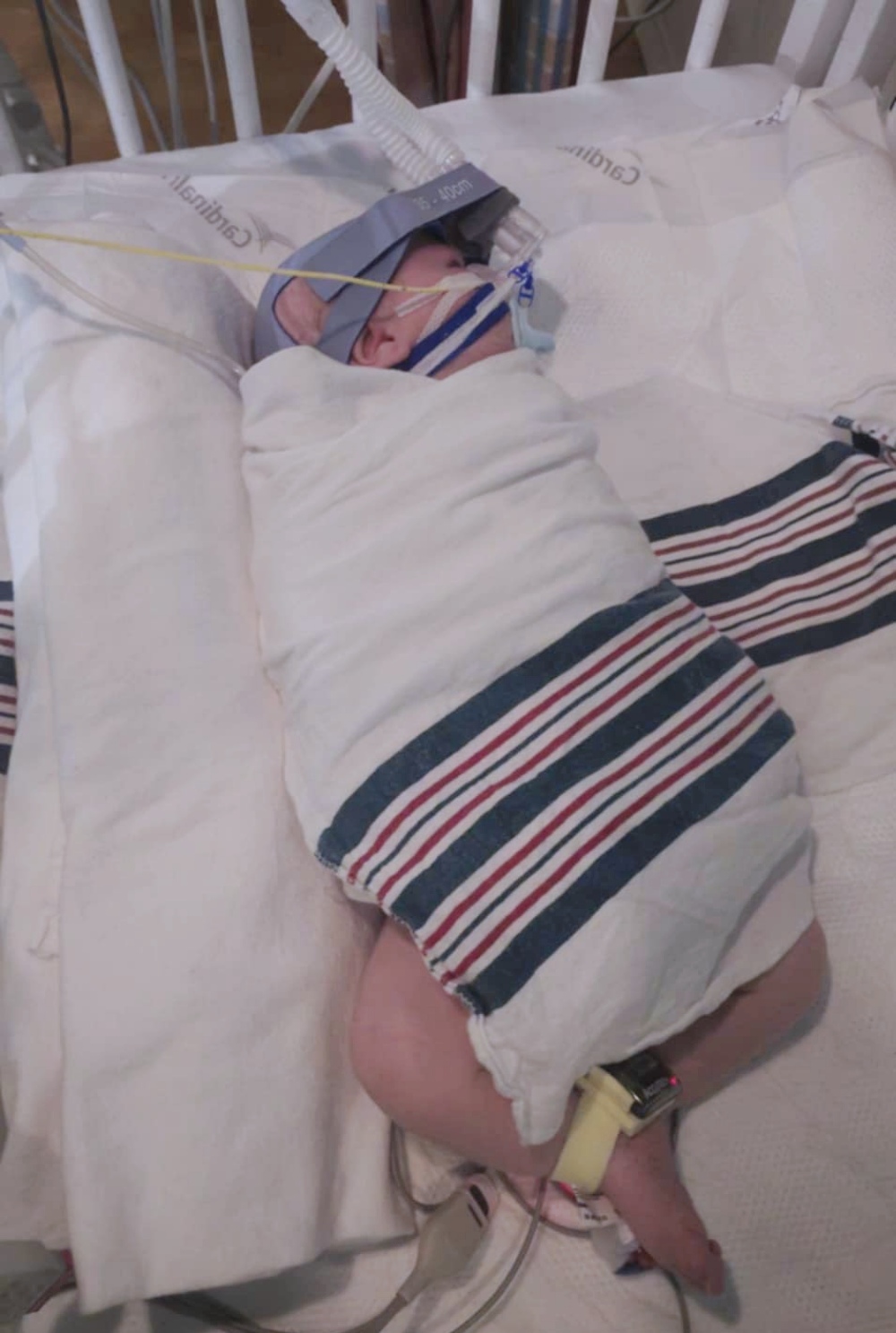
Jeff has been away from work for more than four weeks. Morgan’s maternity leave has ended, but leaving her baby’s bedside is impossible. Their 18-month-old daughter is being cared for at home while her parents spend their days and nights near Mason.
Meanwhile, medical bills have already reached tens of thousands of dollars despite health insurance, with additional costs for transportation, food and lodging continuing to grow.
Yet through all of this, Mason keeps fighting.
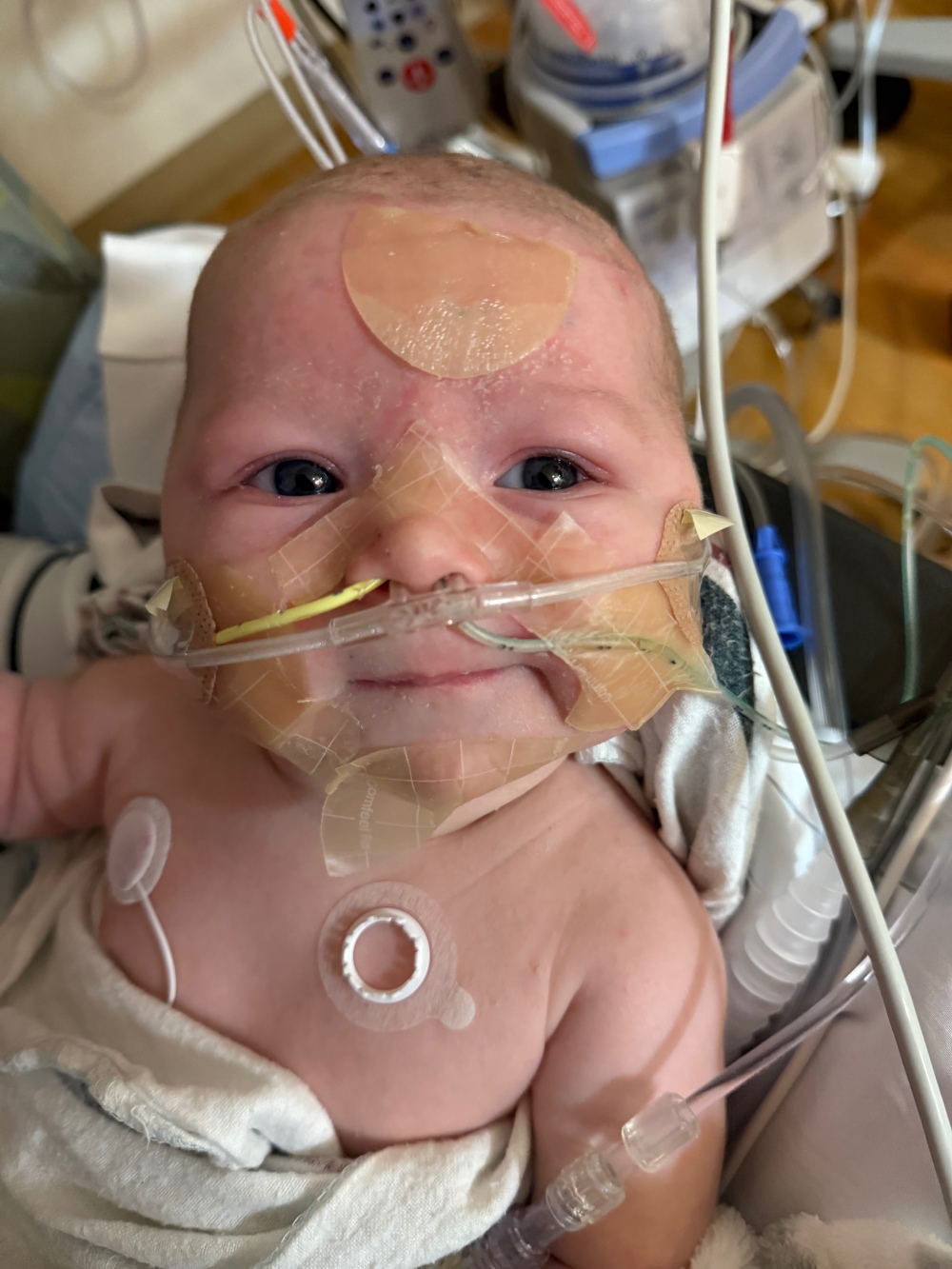
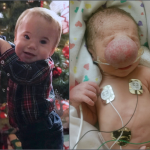
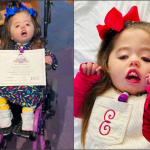
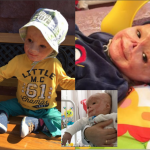
He has gone from a newborn struggling through terrifying breathing episodes to a little boy whose diagnosis has finally given his family a path forward. Every day he remains stable is another day his parents can hope for progress. Every moment they spend beside him is another reminder of just how deeply loved he is.
“Mason is so much more than his diagnosis,” his family said. “He is our beautiful little boy, and we will keep fighting beside him for every breath and every moment we can have together.”