Navigating Micrognathia: How NICU Care Helps Babies with a Tiny Chin Thrive

Navigating Micrognathia: How NICU Care Helps Babies with a Tiny Chin Thrive
Micrognathia is a congenital condition characterized by an abnormally small lower jaw. When a baby is born with a undersized chin, the reduced space in the oral cavity can cause the tongue to rest further back toward the throat. This anatomical positioning often leads to upper airway obstruction, making breathing significantly more challenging for the newborn. In addition to respiratory difficulties, infants with micrognathia frequently struggle with feeding, as the structural alignment makes it hard to create a proper latch, swallow safely, or coordinate breathing while taking in nourishment.
Due to these potential complications, infants diagnosed with micrognathia are routinely admitted to the Neonatal Intensive Care Unit (NICU) immediately following birth. In the NICU, a specialized multidisciplinary medical team closely monitors the infant’s vital signs, oxygen saturation, and respiratory effort around the clock. Position strategies, such as prone or side-lying placement, are often utilized to help keep the airway clear naturally. If breathing obstacles persist, specialized airway support—ranging from non-invasive positive pressure ventilation to specialized tubes—may be implemented to ensure the baby receives adequate oxygenation.
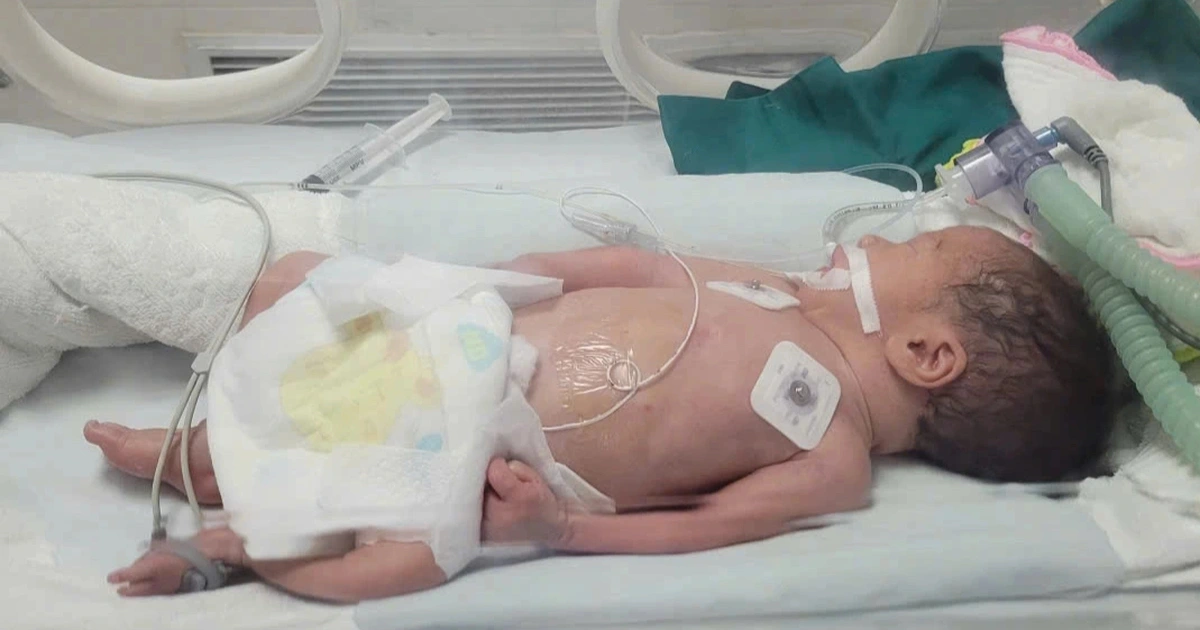
Feeding support is another critical component of NICU care for micrognathia. Specialized bottles, modified nipples, and tailored feeding techniques are frequently employed to assist the baby in gaining necessary nutrition without expending excessive energy or risking aspiration. In cases where oral feeding remains unsafe or overly exhausting, temporary tube feeding ensures the infant continues to grow and gain strength.
While the initial diagnosis can be overwhelming for parents, proper medical assessment and comprehensive supportive care allow many babies with micrognathia to be managed successfully. As the child grows, the lower jaw often undergoes natural catch-up growth, significantly improving both airway clearance and feeding abilities over time