JON VENABLES PAROLE HEARING: JAMES BULGER’S MOTHER MAKES FRESH PUSH FOR PUBLIC HEARING
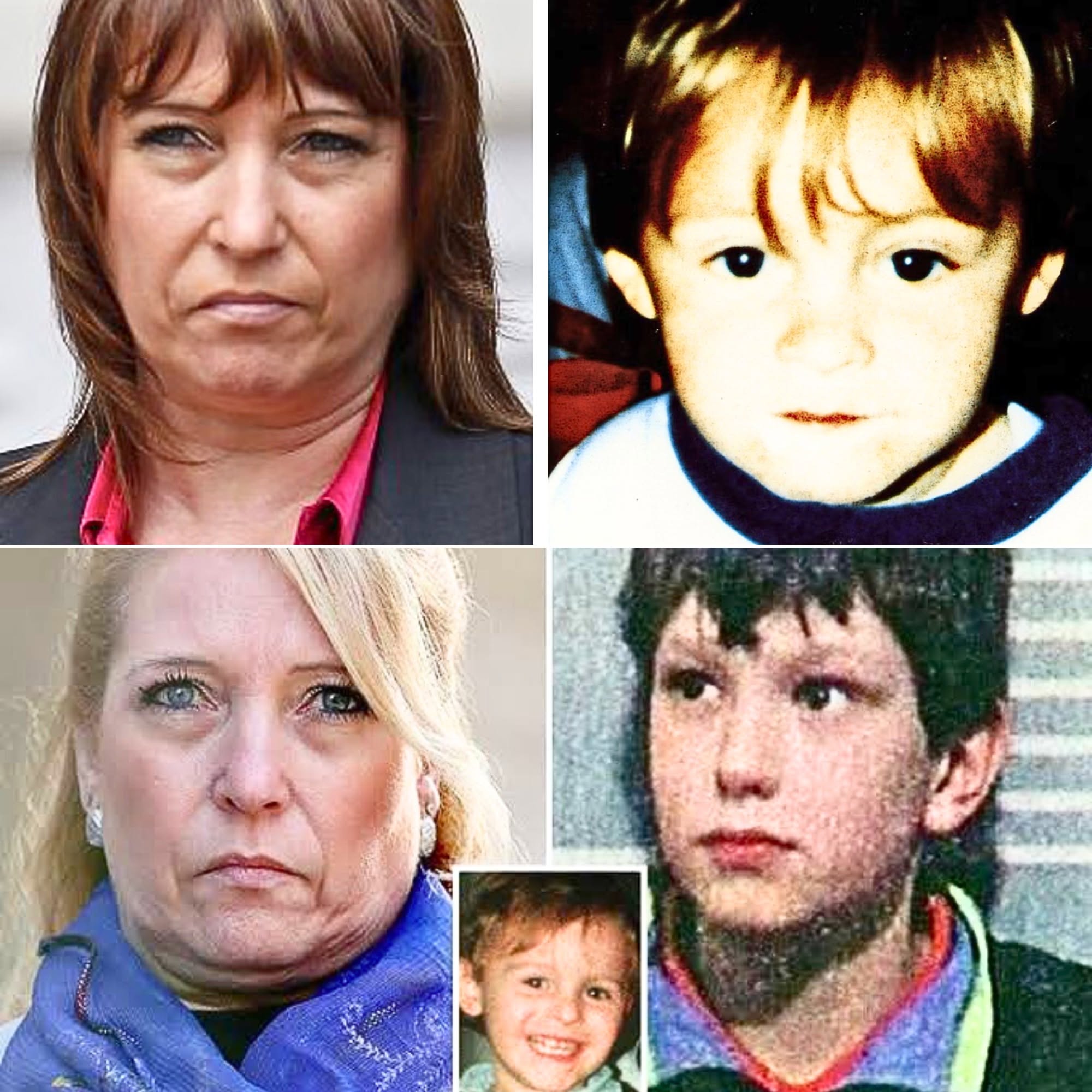
JON VENABLES PAROLE HEARING: JAMES BULGER’S MOTHER MAKES FRESH PUSH FOR PUBLIC HEARING
More than three decades after the killing of two-year-old James Bulger, his mother Denise Fergus is once again facing the prospect of a parole hearing for Jon Venables — and this time she is asking for the process to be opened to the public.
Venables, who was 10 when he and Robert Thompson abducted and killed James in 1993, is now 43 and remains in prison. His latest parole review could become another major chapter in one of Britain’s most closely followed criminal cases.
 DENISE FERGUS WANTS THE HEARING OPENED
Denise and her husband, Stuart Fergus, have submitted a formal application asking the Parole Board to allow the upcoming hearing to take place publicly.
The Parole Board confirmed on August 6 that it had received their application. The request argues that there is significant public interest in the case and that a public hearing could help people understand how parole decisions are made.
The family also argues that Venables should have to confront his offending in a public setting, particularly because he later committed serious offenses as an adult.
For Denise, the issue is not simply about publicity.
It is about being heard.
 WHY THIS PAROLE REVIEW IS DIFFERENT
Venables was released on licence in 2001 after serving part of his sentence.
But he was later recalled to prison after authorities discovered indecent images of children on his computer. He was recalled again in 2017 following another related offense and has remained imprisoned since.
His previous parole applications have also been unsuccessful.
In 2023, the Parole Board concluded that releasing him at that stage would not be safe for public protection.
Now another review is approaching.
The exact date has not yet been publicly confirmed, although the family has previously been told that the hearing is not expected before September.
THE FAMILY WANTS TRANSPARENCY
The application submitted by Denise and Stuart Fergus argues that public scrutiny could help explain how Venables’ risk is assessed and managed.
They believe greater transparency could strengthen confidence in the parole system and allow the public to understand why a decision is reached.
They also say that if the application is granted, they would finally feel that their concerns had been heard.
However, the application has not yet been approved.
The Parole Board is considering representations before deciding whether the hearing should be held publicly.
THREE DECADES OF UNIMAGINABLE PAIN
James Bulger was abducted from a shopping centre in Bootle on February 12, 1993.
He was only two years old.
Venables and Thompson, both aged 10 at the time, were convicted of his killing later that year.
The case shocked Britain and became one of the country’s most notorious crimes involving children.
For Denise Fergus, however, James was never simply a name in a historic case.
He was her son.
And every parole review brings the events of 1993 back into the present.
HIS IDENTITY REMAINS PROTECTED
One issue surrounding any public discussion of Venables is his legally protected anonymity.
His new identity and whereabouts have been protected by court orders, meaning speculation online about his current identity or location should not be treated as established fact.
That protection remains separate from the question of whether his parole hearing itself should be made public.
THE NEXT DECISION
The Parole Board must now decide whether the circumstances justify departing from the normal private parole process.
If the application succeeds, members of the public could potentially observe proceedings under conditions designed to protect sensitive information.
If it fails, the hearing will remain private.
Either way, the decision will attract enormous attention. 33 YEARS LATER, THE QUESTION IS STILL NOT OVER.
For James Bulger’s family, another parole hearing means confronting a chapter of their lives they have never been able to leave behind.
For the parole system, the case raises a different question:
Should the public be allowed to see how the authorities assess the risk posed by someone whose offending began as a child but continued into adulthood?
Denise Fergus wants that process to happen in the open.
Now the decision rests with the Parole Board