Family thanks community as 11-year-old battles complications after transplant
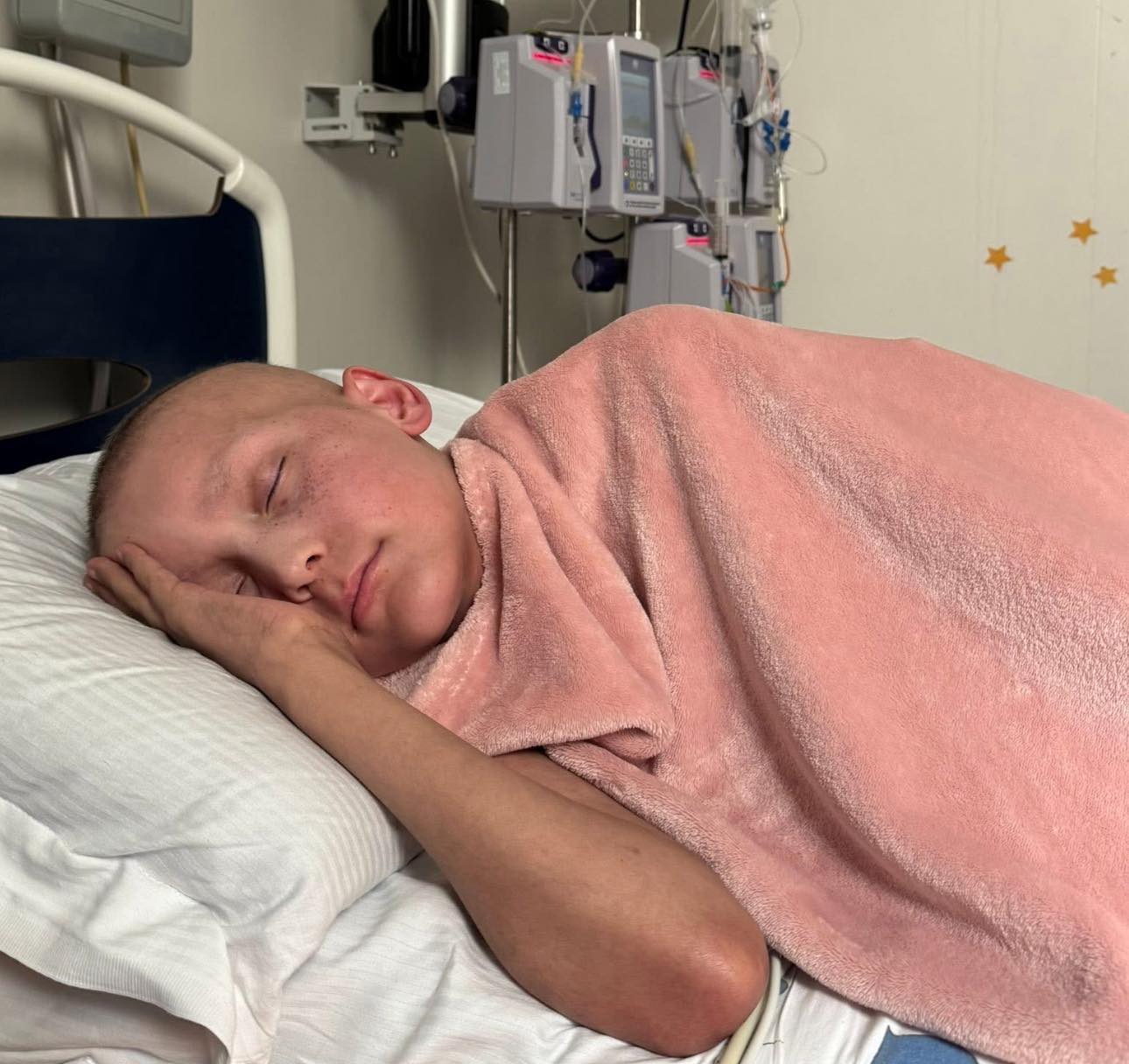
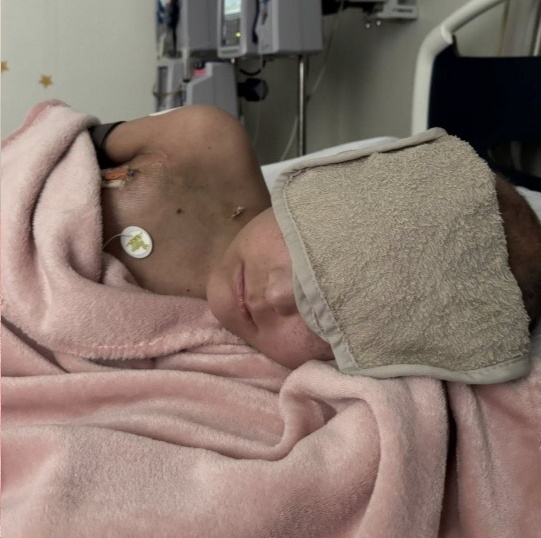
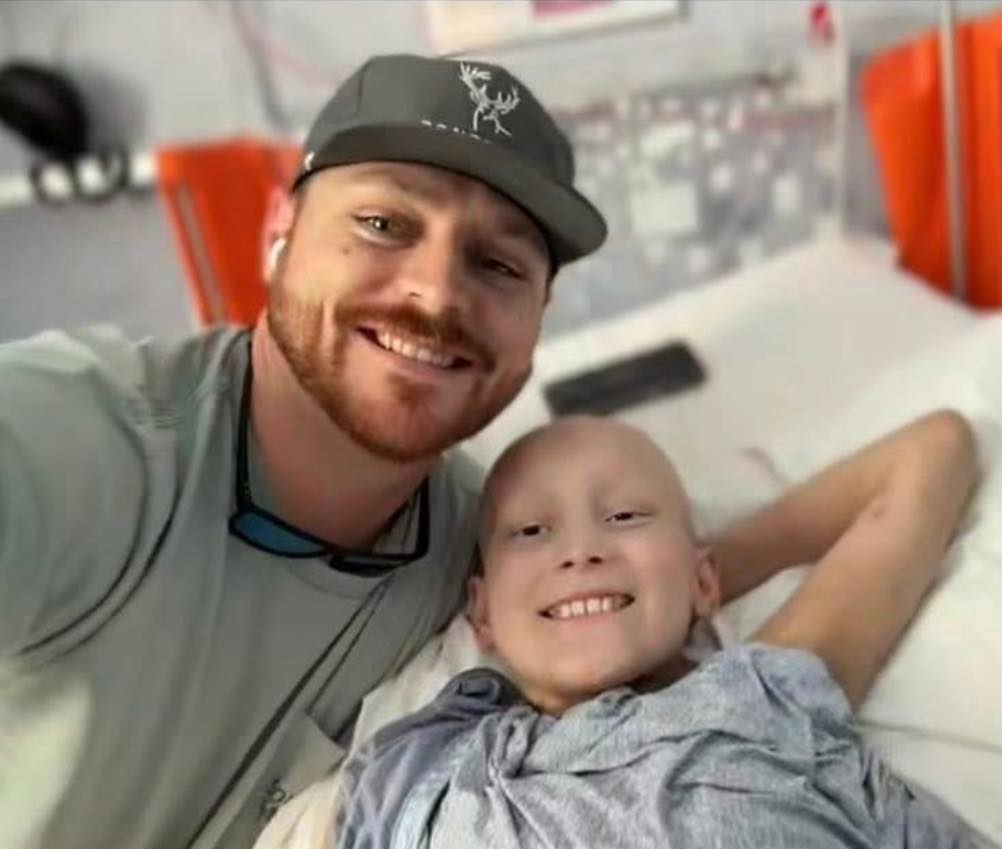
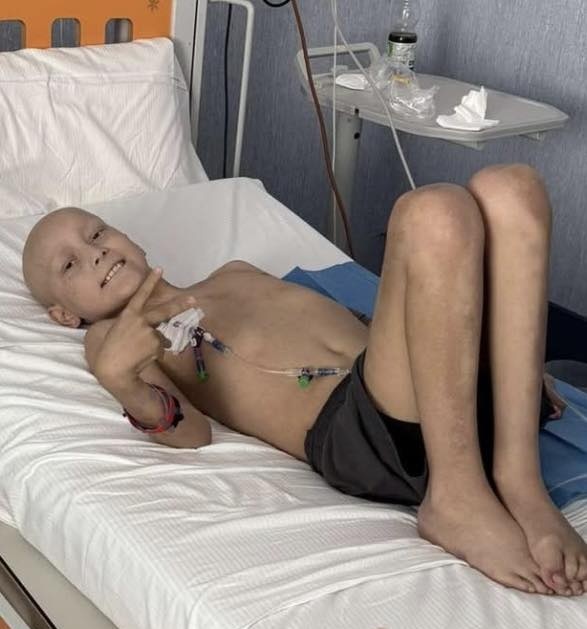
ROBERTSDALE, Ala. — Eleven-year-old Branson Blevins of Robertsdale remains hospitalized in Rome, Italy, where he is receiving follow-up care after a bone marrow transplant intended to treat his Acute Lymphoblastic Leukemia (ALL). Branson’s mother, Nichole, who provided the donor cells for the transplant, says her family is “overwhelmed with gratitude” for the outpouring of support that has made the overseas treatment possible.
Branson underwent the transplant in recent weeks and has since developed a serious post-surgical adenovirus infection — a known and potentially severe complication for patients whose immune systems are suppressed after transplant. Nichole and her husband Donald flew to Rome for specialized care when treatment options in the United States were exhausted or denied by insurance, and say medical bills in Italy were quoted at more than $600,000.
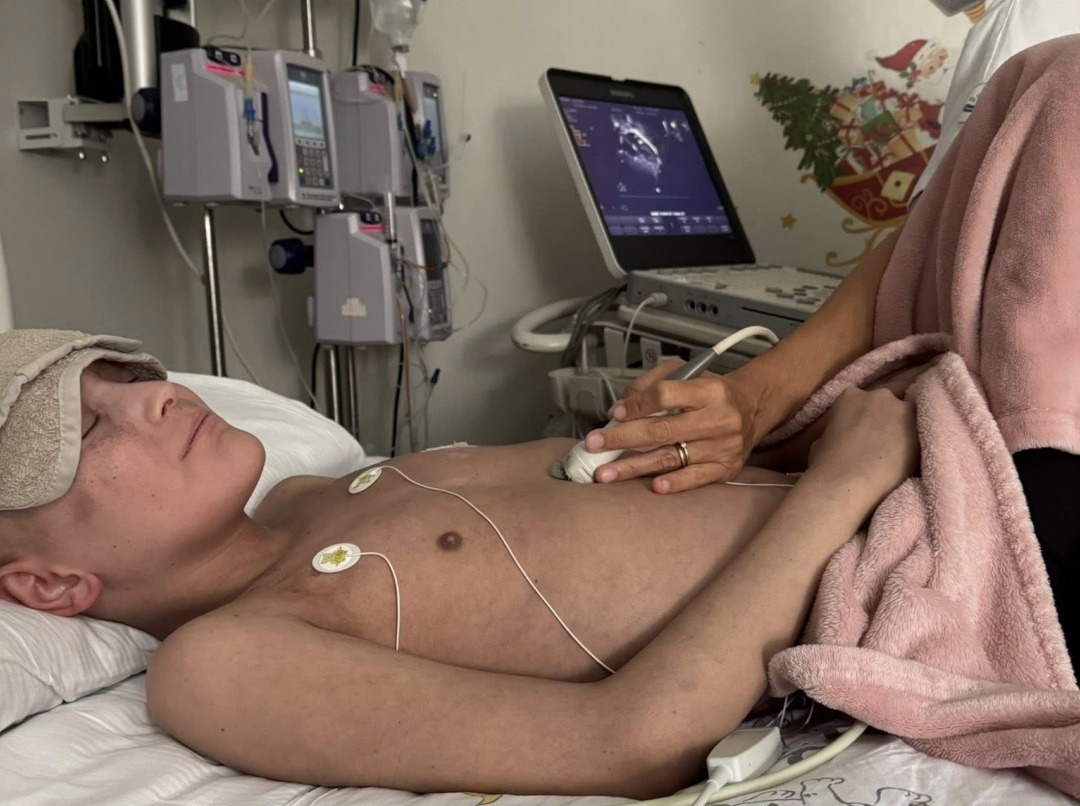
In a public message of thanks, Nichole described how fundraisers, prayers and community support carried the family through a period when doctors twice told them there were “no more options” and recommended taking Branson home. “There are simply no words big enough to ever truly express the depth of our gratitude,” she wrote, emphasizing that the family refused to accept a final prognosis and pursued every possible avenue to keep their son alive.
Close reading of the family’s message
Nichole’s statement centers on three clear themes: profound gratitude, refusal to accept a bleak prognosis, and the tangible cost—both financial and personal—of pursuing advanced care. She repeatedly credits “generosity, support, prayers, and love” for enabling the family to travel and pay for treatment when insurance would not. She also highlights the personal sacrifices made: stepping away from work, the loss of Donald’s job and the emotional toll of long-term caregiving. Her language moves from stunned appreciation (“complete shock and speechlessness”) to determination (“we refused to accept that”), underlining how community support translated into concrete medical options for Branson.
Context and related information
Acute Lymphoblastic Leukemia is the most common childhood cancer; for some patients, chemotherapy is followed by hematopoietic stem cell transplant (commonly called bone marrow transplant) when the disease is aggressive or relapses. Following a transplant, recipients face heightened infection risk because their immune systems are intentionally suppressed to prevent graft rejection. Adenovirus is one of several viruses that can cause serious illness in this setting.
Families pursuing specialized or experimental care abroad often face steep costs, complex logistics and insurance denials. Community fundraising and grassroots campaigns frequently become essential to cover travel, treatment and living expenses when domestic options are limited or unavailable.
Where the family stands now
Nichole says Branson’s fight is “far from over,” but that the love and financial support of their community have given the family time and access to care that otherwise would not have been possible. Medical teams in Rome are continuing Branson’s treatment and supportive care for the adenovirus and for post-transplant recovery.
What this story highlights
Branson’s case underscores broader issues facing families of children with complex illnesses: the emotional burden of life-saving choices, the unpredictability of insurance coverage for out-of-country care, and the importance of community networks in bridging financial and logistical gaps. It also illustrates how families and clinicians sometimes pursue international options when local systems are exhausted — a path that brings hope but also new risks and costs.
The Blevins family has asked for privacy while Branson continues treatment. They say they will never forget those who stepped forward, and that every act of support — large or small — has made a measurable difference in their son’s chance to recover.