THE SEARCH FOR ANSWERS — HOW INVESTIGATORS LINKED EVENTS AROUND LUCY LETBY
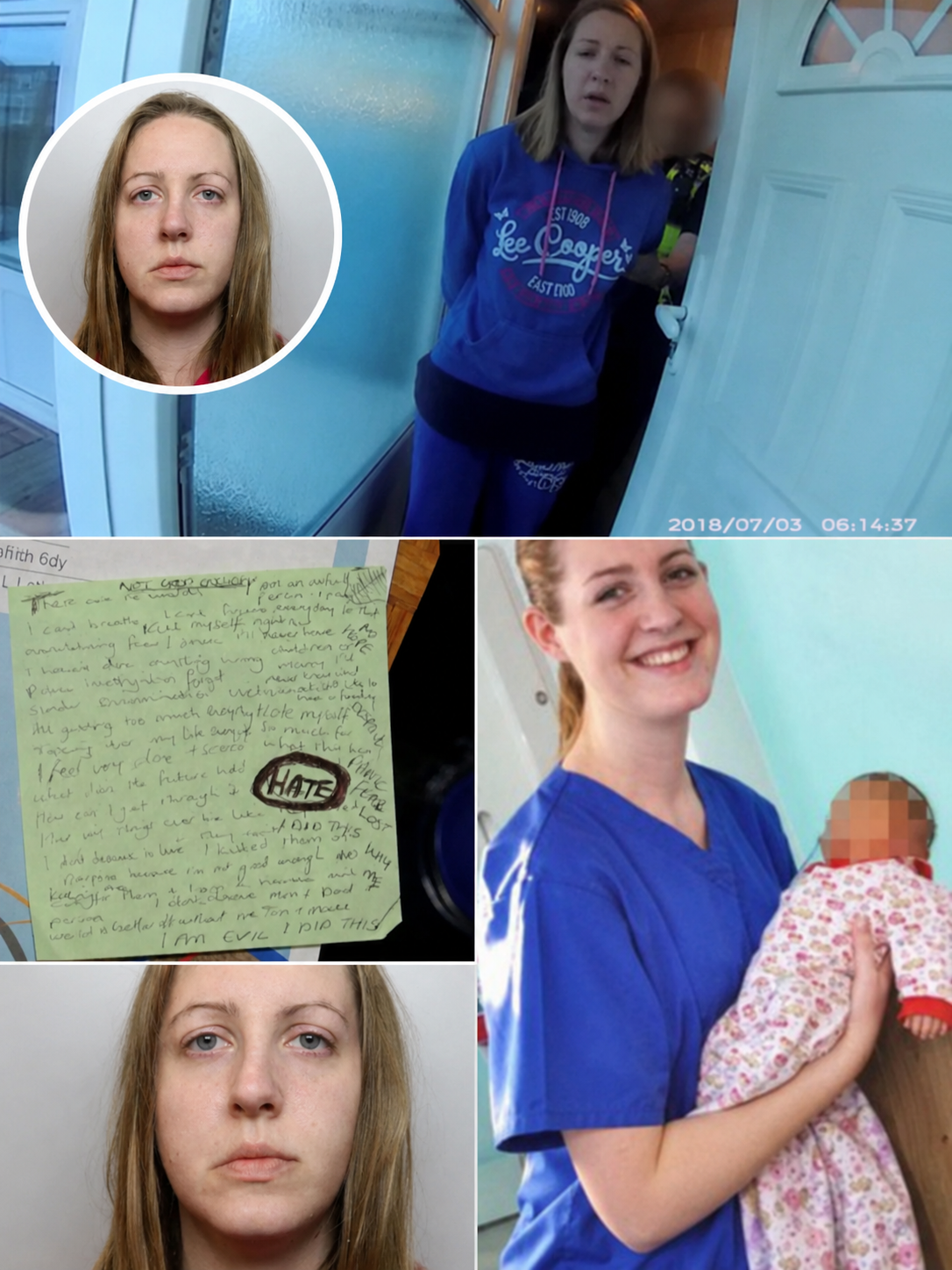
THE SEARCH FOR ANSWERS — HOW INVESTIGATORS LINKED EVENTS AROUND LUCY LETBY
The investigation into Lucy Letby did not begin with a single incident.
As concerns at the Countess of Chester Hospital grew, investigators examined a series of medical emergencies and deaths involving babies on the neonatal unit, looking for connections between individual cases.
The central challenge was straightforward but enormous:
Were the incidents isolated medical tragedies — or did the circumstances surrounding them reveal a pattern?
 INVESTIGATORS STARTED WITH THE MEDICAL TIMELINE
Detectives examined the records of babies who had suffered unexpected deterioration or died while receiving treatment.
That included medical notes, observations, test results, treatment records and details about what happened immediately before each collapse.
Investigators then reconstructed timelines around the individual incidents.
The goal was to establish what happened, when it happened and who was present.
DATES AND STAFFING INFORMATION BECAME IMPORTANT
Investigators compared the timing of each incident with staffing records.
They examined which nurses and doctors were working during particular shifts and whether the same individuals were present during multiple emergencies.
Letby’s presence became a significant part of the prosecution’s case.
Prosecutors argued that she was present during an unusual number of serious incidents and that this pattern could not reasonably be explained by coincidence.
The defense challenged that interpretation, emphasizing that Letby was a neonatal nurse whose job naturally placed her around critically ill babies.
 LOCATION ALSO MATTERED
The investigation considered where each baby was being treated within the neonatal unit.
Investigators examined whether incidents occurred in particular rooms or areas and how staff moved between different parts of the unit.
This information was then compared with staffing schedules and the medical timeline.
The purpose was not simply to establish that Letby worked at the hospital.
It was to determine whether there was a meaningful connection between her presence and particular incidents.
MEDICAL CIRCUMSTANCES WERE COMPARED
Another major part of the investigation involved the medical circumstances surrounding each baby.
Investigators and medical experts examined whether sudden collapses could be explained by the babies’ underlying conditions.
Where prosecutors believed a deterioration could not be adequately explained by natural causes, those cases received particular attention.
Some of the most disputed evidence concerned allegations of air embolism and insulin poisoning.
The defense challenged the prosecution’s interpretation of that medical evidence throughout the trial.
NOT EVERY INCIDENT WAS TREATED THE SAME WAY
An important point is that investigators did not simply treat every medical emergency at the hospital as evidence against Letby.
Cases were assessed individually.
Investigators considered whether there was sufficient evidence to connect a particular incident to her presence and whether the medical evidence supported the prosecution’s theory.
This process helped determine which cases ultimately formed part of the criminal prosecution.
THE INVESTIGATION EXPANDED BEYOND THE HOSPITAL
Police also examined Letby’s personal records, communications and other material obtained during the investigation.
Evidence from her home and digital records was considered alongside the hospital documentation.
Prosecutors argued that some of this material provided additional context for the events under investigation.
The defense offered different interpretations of that evidence.
Ultimately, the jury had to decide how much weight should be given to each individual piece of information.
THE PATTERN BECAME CENTRAL TO THE PROSECUTION
The prosecution’s case relied heavily on the idea that individual incidents could not be viewed completely in isolation.
Jurors were asked to consider the combined evidence — medical findings, timelines, staffing records, witness testimony and other material.
The prosecution argued that, taken together, these pieces demonstrated deliberate harm.
Letby’s defense maintained that the evidence had been interpreted incorrectly and that the babies were extremely vulnerable patients who could deteriorate unexpectedly.
THE QUESTION THAT DIVIDED THE COURTROOM
At the heart of the trial was a difficult question:
Did investigators uncover a genuine pattern — or did a pattern appear because a large number of tragic medical events were examined retrospectively?
The jury ultimately convicted Letby of murdering seven babies and attempting to murder six others in her first trial.
She received a whole-life order and remains imprisoned.
A further attempted-murder conviction followed at a 2024 retrial.
Letby continues to deny the allegations.
THE INVESTIGATION DID NOT END WITH THE VERDICTS
The wider circumstances surrounding the neonatal unit have continued to attract scrutiny.
Questions have been raised about how concerns were handled by hospital management, while Letby’s legal team continues to challenge her convictions.
The Criminal Cases Review Commission (CCRC) is reviewing an application submitted on Letby’s behalf, although the review does not mean her convictions have been overturned.
For now, they remain legally valid.
THE TIMELINE WAS THE KEY.
Investigators connected dates.
They compared shifts.
They examined locations.
They reconstructed medical events.
And they asked whether the same pattern could be seen across multiple babies.
The jury ultimately accepted the prosecution’s interpretation of that evidence.
But years later, the way those individual events were connected remains one of the central issues in the continuing debate surrounding the Lucy Letby case.