57 SLOTHS D/ED AFTER BEING BROUGHT TO FLORIDA — BUT SHERIFF FINDS NO CRIMINAL ACT
57 SLOTHS DIED AFTER BEING BROUGHT TO FLORIDA — BUT SHERIFF FINDS NO CRIMINAL ACT
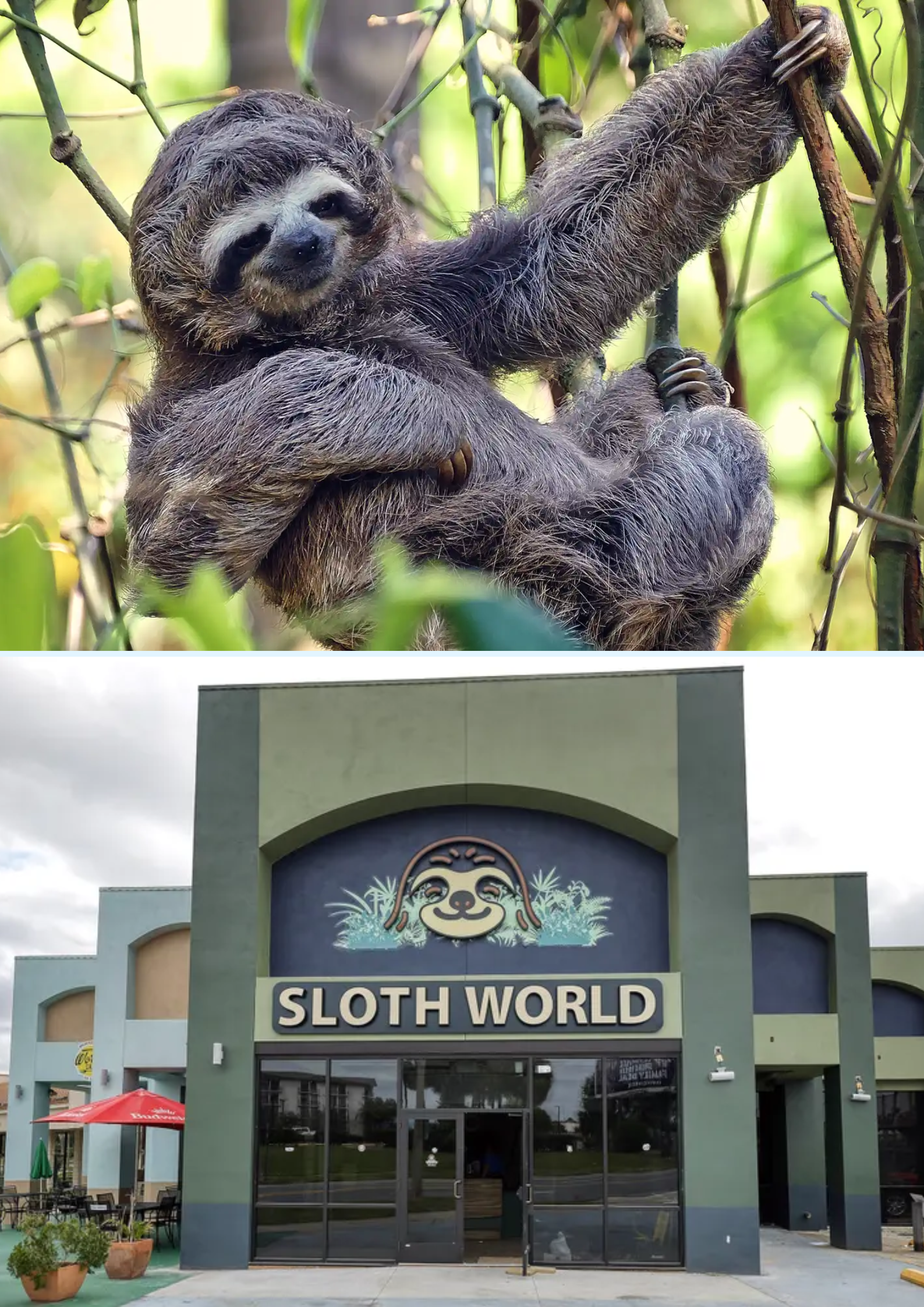
ORLANDO, Fla. — An investigation into the deaths of at least 57 sloths connected to the failed Sloth World attraction in Orlando has concluded that no criminal act caused the animals’ deaths, according to the Orange County Sheriff’s Office.
The finding has nevertheless sparked renewed criticism from animal-welfare advocates, who say the case exposes serious gaps in Florida’s wildlife-protection laws.
:max_bytes(150000):strip_icc():focal(764x458:766x460):format(webp)/Sloth-Central-Florida-Zoo-042826-3ba85b312b6e4785b7cd9182cdde7ae3.jpg) DOZENS OF SLOTHS DIED AFTER BEING IMPORTED
DOZENS OF SLOTHS DIED AFTER BEING IMPORTED
The sloths were captured in South America and brought to the United States for the planned attraction.
They were eventually transported to an Orlando warehouse that was permitted for vehicle storage rather than housing live animals. At least 21 sloths died at the warehouse in December 2024.
Records reviewed during the investigation indicated that the facility had no running water or electricity shortly before the animals arrived.
Space heaters reportedly caused a fuse to trip, leaving the building without heat for a period of time.
The attraction ultimately never opened.
SHERIFF: NO EVIDENCE OF INTENTIONAL HARM
After a months-long investigation, the Orange County Sheriff’s Office concluded that the deaths resulted from multiple health-related stressors, rather than a criminal act.
Investigators said they found no evidence of intentional harm, abuse, criminal neglect, failure to provide necessary care or a deliberate act by facility personnel that met the threshold required under Florida law.
Instead, investigators described the deaths as a complex health event involving stressors connected to the animals’ capture, transportation, acclimation and continued care.
The findings have now been forwarded to the state attorney’s office for review.
:max_bytes(150000):strip_icc():focal(749x0:751x2):format(webp)/sloth3-stockphoto-042126-8fc4ae0f78734b9b98724336c809a61a.jpg) SURVIVING SLOTHS WERE ALSO IN POOR CONDITION
SURVIVING SLOTHS WERE ALSO IN POOR CONDITION
Thirteen surviving sloths from the failed attraction were transferred to the Central Florida Zoo & Botanical Gardens for rehabilitation.
Several arrived in extremely poor condition.
Some subsequently died despite intensive veterinary care, leaving a smaller number of survivors under the zoo’s protection.
Veterinary staff identified severe gastrointestinal problems and pointed to multiple possible contributing factors, including stress, diet, temperature regulation and environmental conditions.
ANIMAL EXPERTS ARE NOT SATISFIED
While the sheriff’s investigation found no criminal violation, leading sloth experts say the outcome raises a different question:
Are Florida’s animal-welfare laws strong enough?
Rebecca Cliffe of the Sloth Conservation Foundation questioned whether the legal threshold for animal suffering may be set too low if circumstances documented in the investigation do not qualify as criminal neglect.
Florida State Rep. Anna Eskamani similarly argued that the problem may lie with the state’s statutes and regulations rather than with investigators themselves.
The controversy has therefore shifted from a potential criminal case toward a broader debate over how wildlife imported for commercial attractions should be protected.
FLORIDA HAS ALREADY CHANGED ITS RULES
The controversy has prompted regulatory action.
The Florida Fish and Wildlife Conservation Commission introduced a new permitting requirement for sloth imports after an earlier temporary halt on importing the animals expired.
Animal-conservation groups are calling for even stronger measures, including tighter restrictions on commercial imports of wild-caught sloths.
A FAILED ATTRACTION WITH A LASTING LEGACY
Sloth World was originally promoted as an immersive attraction where visitors could interact with sloths in a rainforest-style environment.
Instead, the planned attraction never opened, and the deaths of dozens of animals triggered an investigation that ultimately found no criminal wrongdoing under existing Florida law.
That conclusion has left conservation advocates frustrated.
Fifty-seven sloths are dead. No criminal charges have resulted. And now the debate is shifting to a much bigger question: if the circumstances documented in this case don’t meet Florida’s legal definition of animal neglect, should the law itself be changed?
The surviving sloths remain under professional care, while lawmakers and animal-welfare advocates push for stronger protections.