LINDSAY CLANCY “SCARED” AS JURY DELIBERATIONS CONTINUE WITHOUT A VERDICT
LINDSAY CLANCY “SCARED” AS JURY DELIBERATIONS CONTINUE WITHOUT A VERDICT
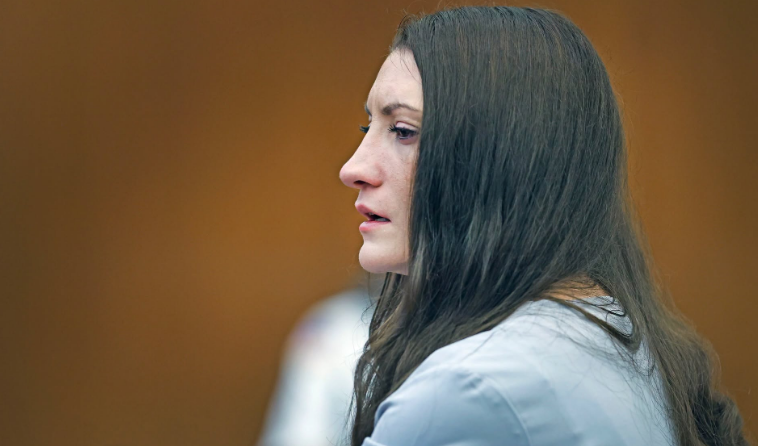
Lindsay Clancy is “scared” and “nervous” as a Massachusetts jury considers her fate after more than three weeks of emotionally charged testimony, according to her attorney.
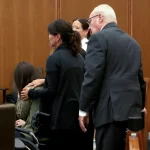
The jury began deliberating Thursday afternoon after closing arguments in Clancy’s high-profile trial. After several hours, jurors were sent home without reaching a verdict and are expected to resume deliberations Friday.
Clancy is facing charges stemming from the 2023 deaths of her three young children: 5-year-old Cora, 3-year-old Dawson and 8-month-old Callan.
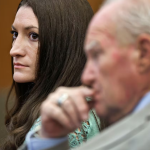
Her defense attorney, Kevin Reddington, told PEOPLE that Clancy is understandably frightened as she waits for the jury’s decision.
:max_bytes(150000):strip_icc():focal(749x0:751x2):format(webp)/lindsay-marie-clancy-013023-1-176600bdc3614f6ca230e63734b87361.jpg) A CASE CENTERED ON MENTAL HEALTH
A CASE CENTERED ON MENTAL HEALTH
The central issue at trial has not been whether Clancy was responsible for the physical acts.
Both sides have acknowledged that she caused the deaths of her children.
Instead, the jury must determine whether Clancy was criminally responsible for her actions at the time.
Her defense has argued that Clancy was experiencing severe postpartum psychosis and other serious mental-health problems, leaving her unable to understand the wrongfulness of what she was doing.
Reddington has also argued that Clancy received inadequate psychiatric care and was prescribed medications that contributed to a rapidly deteriorating mental state.
The defense has portrayed her as a mother who desperately sought help while experiencing a devastating psychiatric crisis.
:max_bytes(150000):strip_icc():focal(749x0:751x2):format(webp)/lindsay-clancy-court-080426-1-0d554916be174019b004a84bdf0e8019.jpg) PROSECUTORS ARGUE SHE KNEW RIGHT FROM WRONG
PROSECUTORS ARGUE SHE KNEW RIGHT FROM WRONG
Prosecutors have presented a dramatically different picture.
They acknowledge that Clancy suffered from mental-health problems but argue that she nevertheless understood what she was doing and knew it was wrong.
During closing arguments, prosecutor Jennifer Sprague told jurors that Clancy made deliberate decisions before the incident and took steps that demonstrated planning and awareness.
The prosecution has argued that Clancy arranged for her husband, Patrick Clancy, to leave the home before the incident and then carried out her actions while he was away.
Prosecutors also challenged the defense’s interpretation of her psychiatric history and testimony from mental-health experts.
21 DAYS OF TESTIMONY
The trial lasted more than a month and included testimony from 85 witnesses.
Medical and psychiatric experts offered sharply different opinions about Clancy’s mental state.
Defense experts testified that she experienced postpartum psychosis and could not fully understand the nature or wrongfulness of her actions.
Prosecution experts disputed that conclusion, arguing that Clancy retained an understanding of reality and the ability to distinguish right from wrong.
Her husband also testified during the trial, describing his concerns about Clancy’s condition before the deaths.
Clancy herself did not testify.
JURY HAS SEVERAL POSSIBLE OUTCOMES
The 12-member jury consists of nine women and three men.
Jurors can consider several possible verdicts, including first-degree murder, second-degree murder, manslaughter, not guilty, or not guilty by reason of insanity.
A first-degree murder conviction could result in life in prison without parole.
If jurors determine that Clancy was not criminally responsible because of mental illness, she could instead be committed to a state psychiatric hospital.
The distinction makes the jury’s deliberations particularly significant.
NO ANSWER YET
After the first day of deliberations ended without a verdict, Clancy was left waiting for what could become one of the most consequential decisions of her life.
For the families involved, the case has already brought years of grief and painful public scrutiny.
For the jury, the task is now to weigh weeks of testimony and decide one central question:
Was Lindsay Clancy legally responsible for her actions on that January night in 2023?
For now, there is no answer.
The jury will return to court Friday and continue deliberating.