Family Shares Ongoing Challenges and New Hope for Their Son Born Prematurely
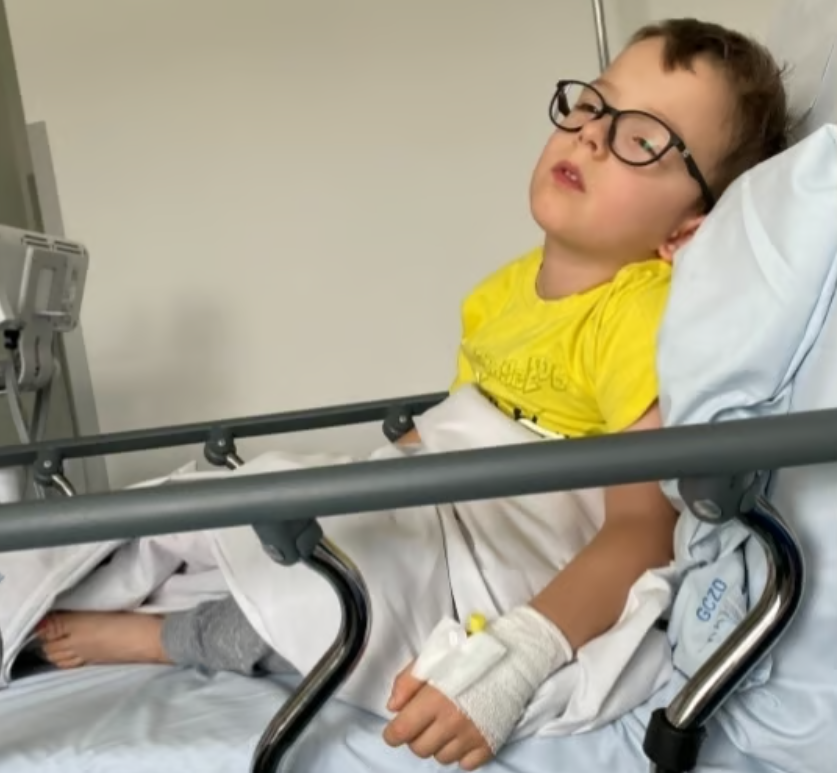
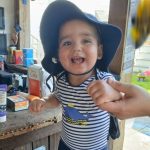
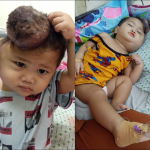
A family is raising awareness about the long and difficult journey of their young son, Mason, who entered the world far earlier than expected. Born weighing just over one kilogram, Mason was immediately transferred to the Intensive Care Unit, where medical equipment kept him alive in his first fragile moments.
His parents described the early days as a mixture of overwhelming happiness and intense fear. Instead of the quiet joy most families experience after birth, they spent their first hours watching machines breathe for their newborn son. For three months, the sound of ventilators and monitors replaced the normal rhythms of early parenthood.
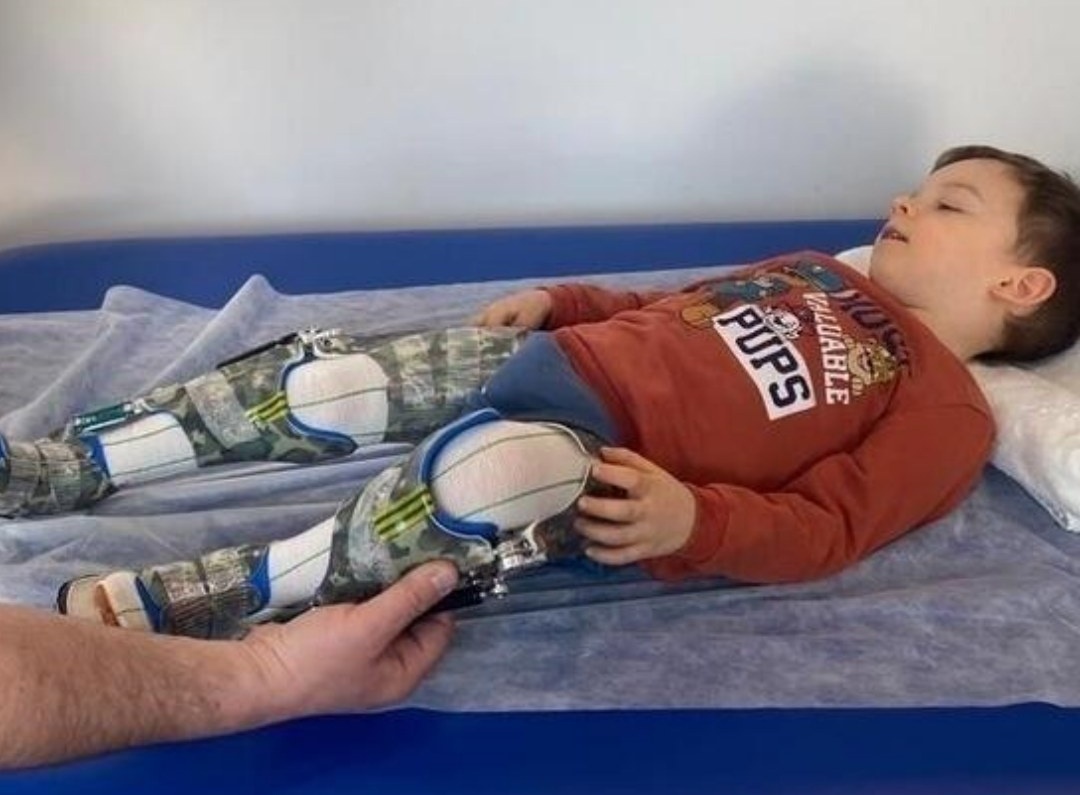
During that period, Mason’s parents remained by his side, praying through the uncertainty. They recalled the emotional weight of watching their child fight for every breath and feeling powerless to ease his struggle.
When Mason was finally cleared to go home, his parents said the moment brought both relief and anxiety. Medical examinations had confirmed that Mason would face long-term challenges due to cerebral palsy, a condition linked to his premature birth. They understood that the return home marked the beginning of a lifelong commitment to his care and development.
Since then, Mason has undergone continuous rehabilitation. Therapists work with him to strengthen his muscles, manage stiffness, and improve the movement of his arms and legs. His parents say that although the process can be physically painful and emotionally demanding for him, these exercises are essential to improving his daily functioning.
Despite the difficulty, Mason shows determination during every session. According to his parents, he approaches each challenge with persistence that inspires everyone around him. His progress may be gradual, but it is built on consistent effort and an unwavering spirit.
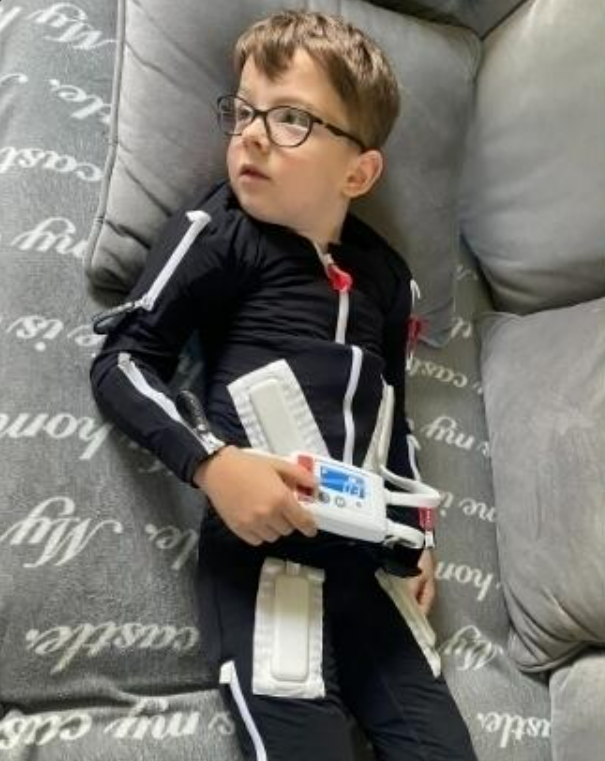
Recently, a new opportunity has offered the family renewed optimism. Specialists have recommended a therapeutic suit designed to reduce muscle spasticity, support weakened areas, and ease physical discomfort. The suit could significantly improve Mason’s mobility and overall quality of life by helping his muscles work more effectively.
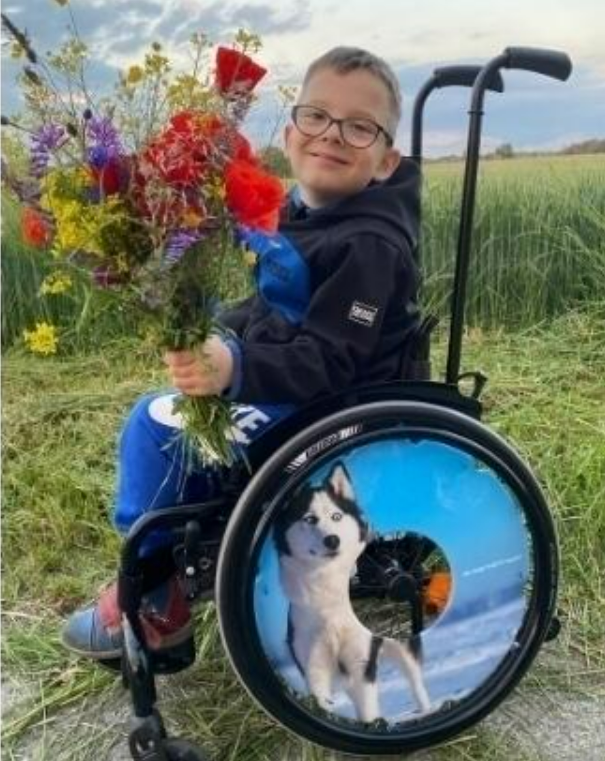
However, the cost of the equipment presents a significant barrier. With ongoing medical needs and regular therapy expenses, the family is working to find ways to secure the suit while managing other essential care requirements.
Mason’s parents hope that by sharing their story, they can highlight the realities faced by families raising children with long-term medical conditions. They believe that increased understanding and community support can make a meaningful difference not only for Mason, but also for others navigating similar challenges.
Their message remains grounded in resilience: early hardship does not define a child’s future, and every small victory is worth fighting for.