Father’s Commitment Helps Premature Infant Make Remarkable Recovery
In a story that has drawn widespread attention for its message of resilience and parental devotion, a man from the community has been praised for the extraordinary steps he took to save his premature newborn son. According to family acquaintances, 32-year-old Daniel Reyes remained by his baby’s side around the clock after the child’s mother left shortly after giving birth.
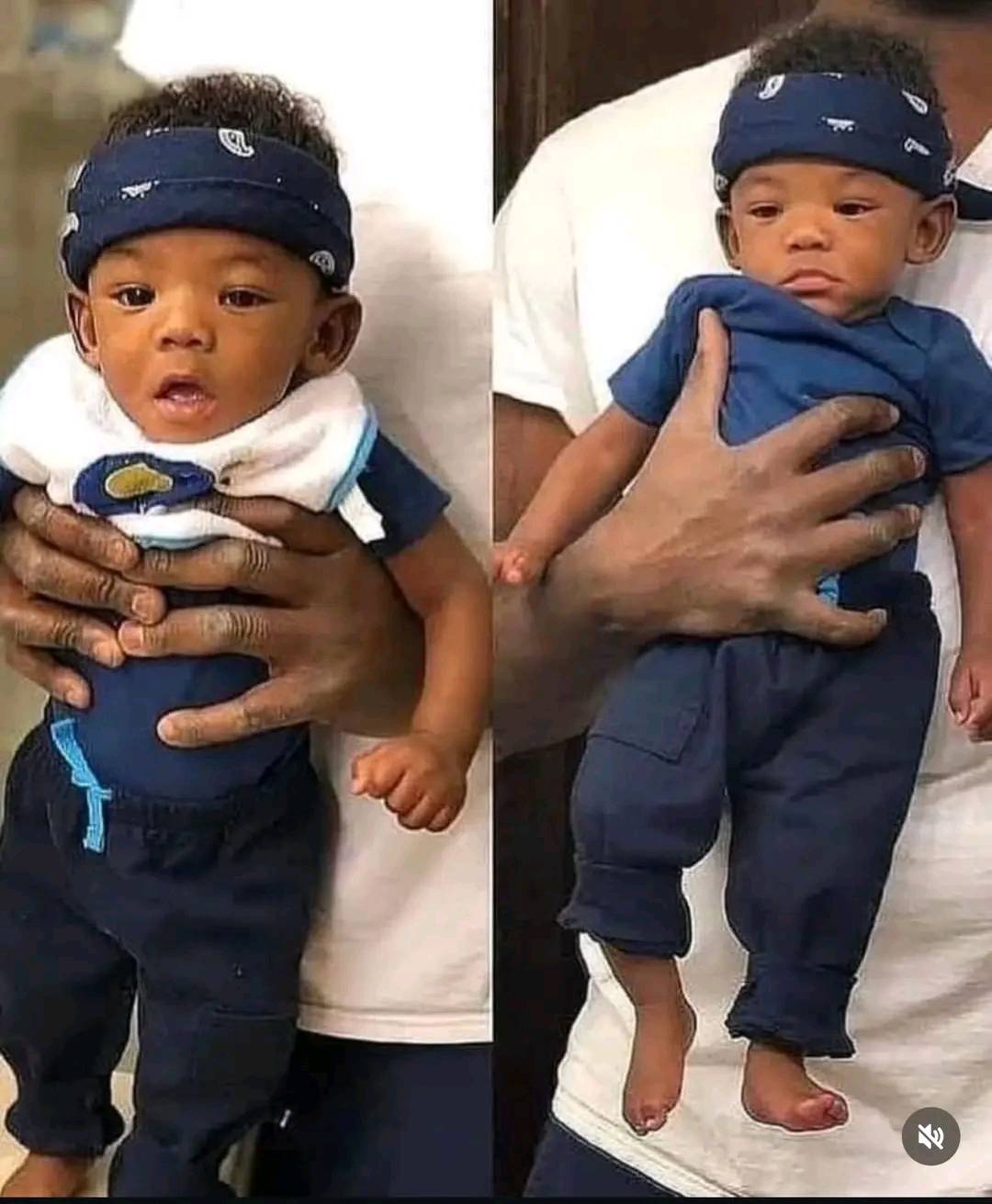
Daniel’s son, Noah, was born significantly earlier than expected and weighed far less than the average newborn. Medical staff initially expressed concern about the infant’s chances of survival, noting that premature babies often require extensive monitoring and specialized support.
Faced with the unexpected responsibility of caring for a medically fragile child alone, Daniel reportedly sold his belongings to cover transportation, supplies, and extended time near the hospital. Nurses said he rarely left the neonatal unit, positioning himself only a few steps away from the incubator where his son fought to stabilize.
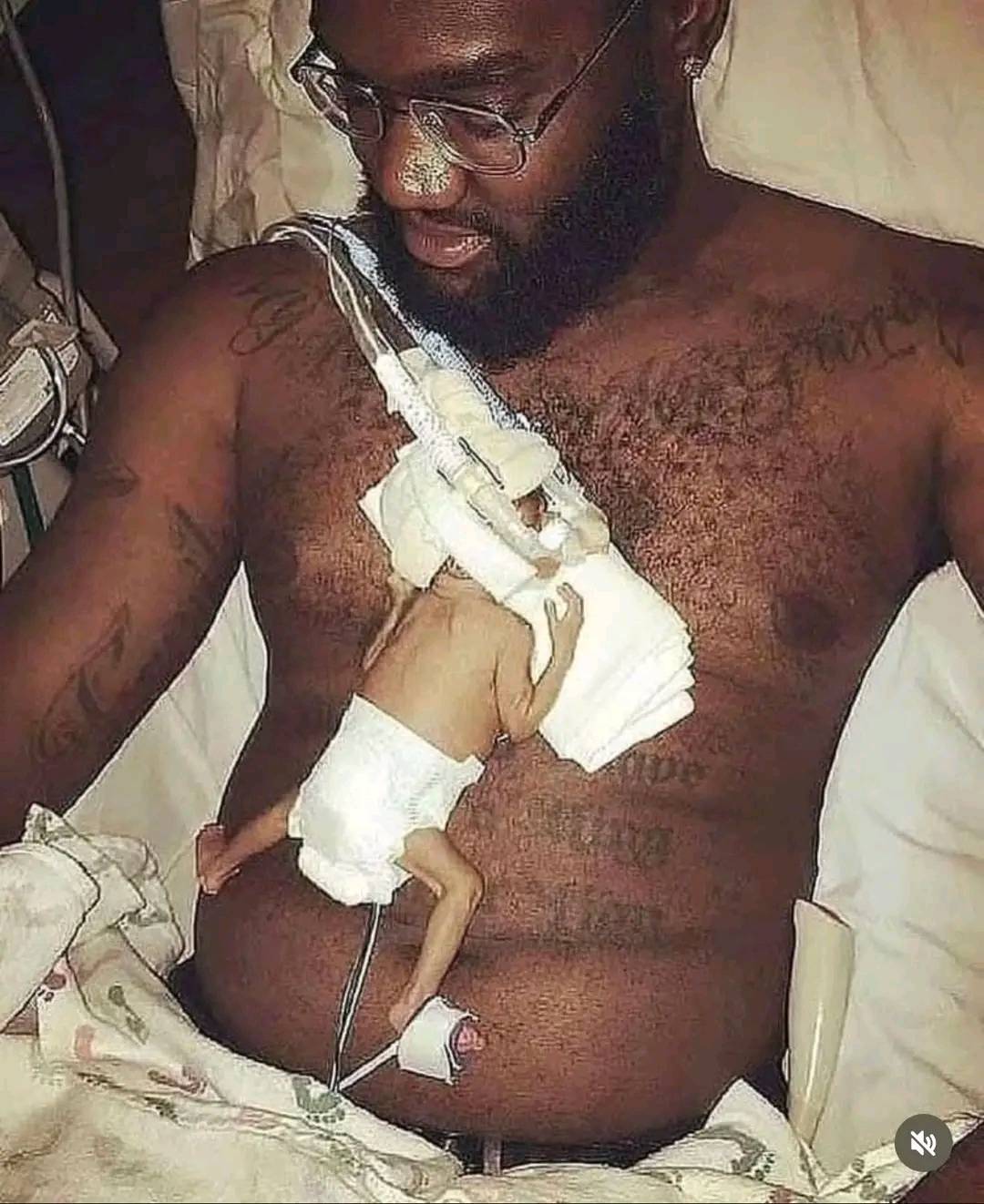
A turning point came when medical staff encouraged Daniel to try “kangaroo care,” a method in which a parent holds an infant skin-to-skin to help regulate temperature, breathing, and emotional stability. Witnesses described how Daniel leaned back, lifted his shirt, and placed his tiny son on his chest. The contact allowed the baby to listen to his father’s heartbeat — a rhythm that appeared to calm the child and support his recovery.
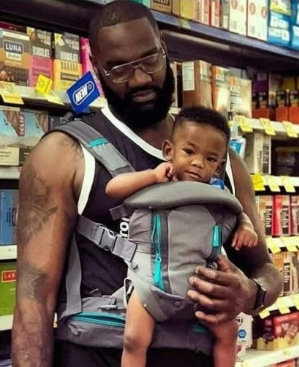
“Kangaroo care is known to contribute to improved outcomes in premature infants,” a hospital spokesperson said. “In this case, the bond between father and child was visibly strong.”
Within ten and a half days, doctors reported that the baby’s condition had improved far beyond initial expectations. Tests showed no complications, and staff described him as alert, responsive, and steadily gaining strength.
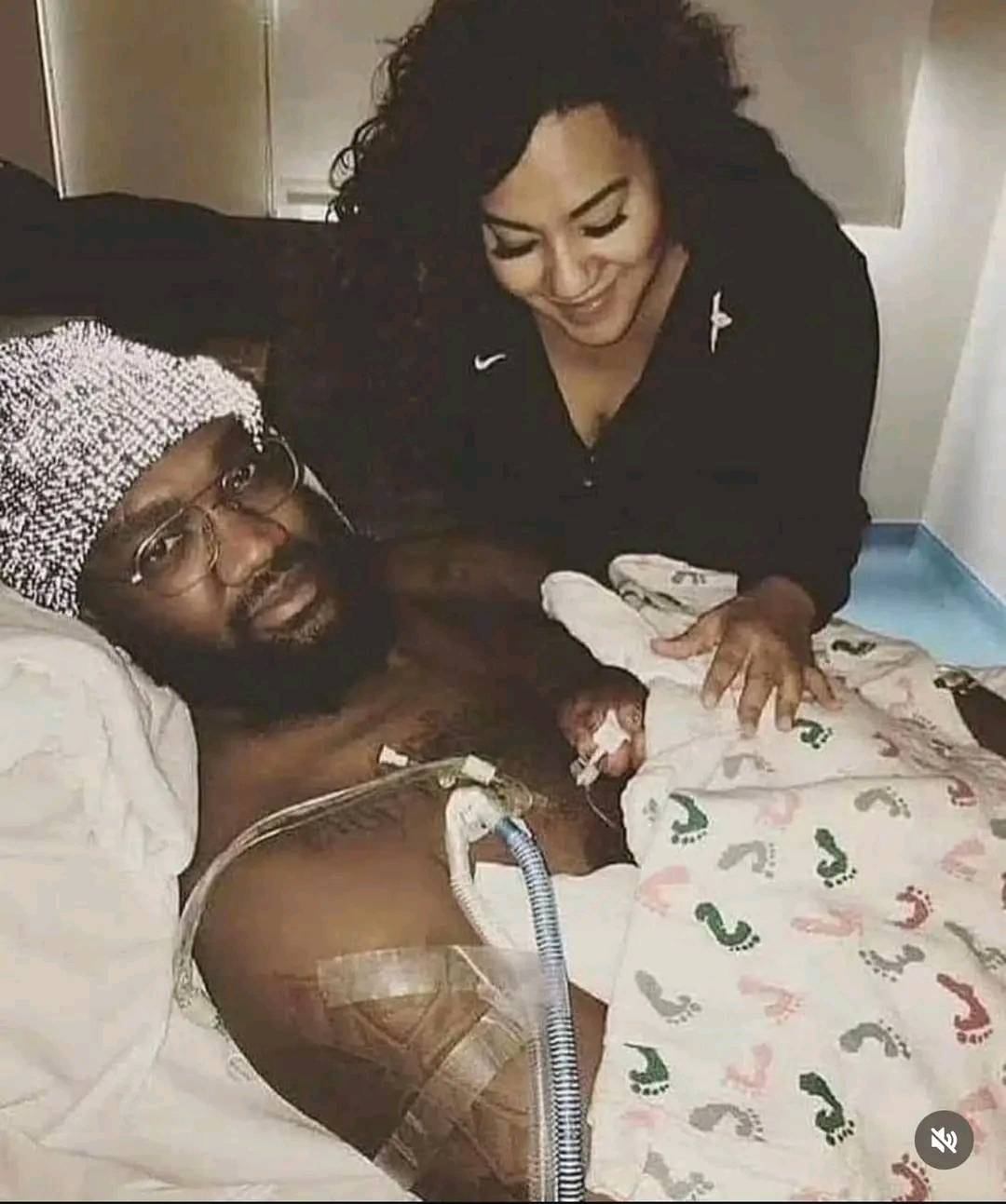
During this period, the child’s mother, identified as Maria Ortiz, returned seeking reconciliation. Daniel agreed to rebuild communication, stating privately to hospital workers that his decision was based on what he believed was best for Noah’s future. “My son deserves both parents,” he reportedly told them.
The family is now preparing to transition home as Noah continues to grow and develop under medical guidance. Social workers involved in the case said the father’s dedication demonstrates the impact that consistent emotional and physical presence can have on vulnerable infants.

Health professionals also hope the story will bring attention to the importance of support systems for parents of premature children. Early intervention, constant care, and emotional bonding methods such as kangaroo care can significantly improve survival rates and long-term health.
Daniel and Maria have not issued a public statement, but hospital staff say that for now, their priority is Noah’s continued stability. His early struggle — and the unwavering commitment of the parent who refused to leave his side — has already inspired many families facing similar challenges.