Young Woman Shares Nine-Year Battle With Rare Brain Tumor, Highlights Strength Behind Ongoing Uncertainty
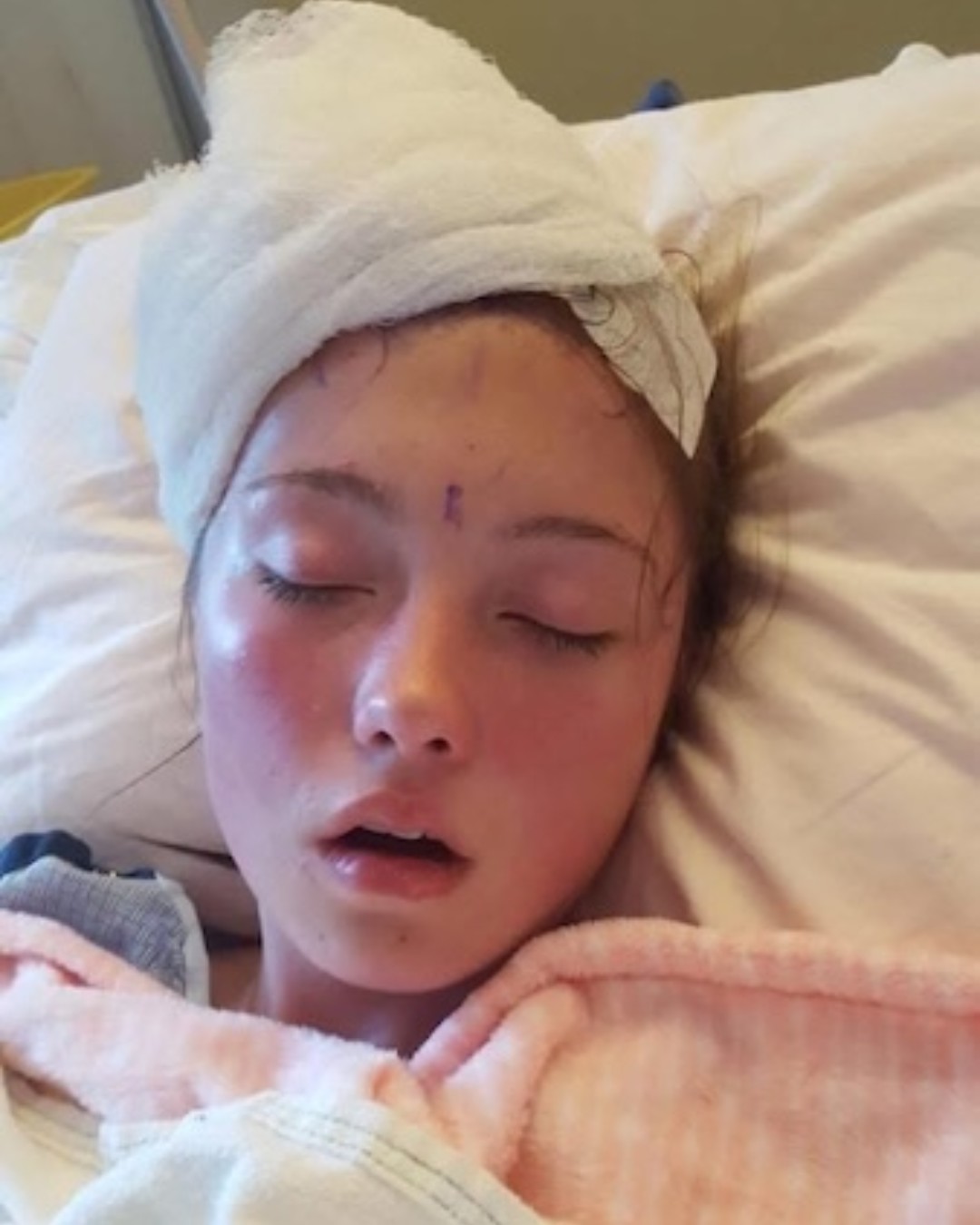
A young woman who was diagnosed at 17 with a grade 2 oligodendroglioma is drawing attention for her honest account of a nine-year medical journey marked by resilience, setbacks, and difficult choices. Her story, recently shared with supporters, offers a rare look inside the long-term realities of living with a slow-growing but unpredictable brain tumor.
She explained that her diagnosis came suddenly, followed by a major resection surgery soon after. Doctors initially estimated a four-hour operation, but complications changed everything. Her tumor, described as “tentacle-like” and intertwined with healthy brain tissue, required double the time. What was meant to be a half-day procedure became an eight-hour operation.
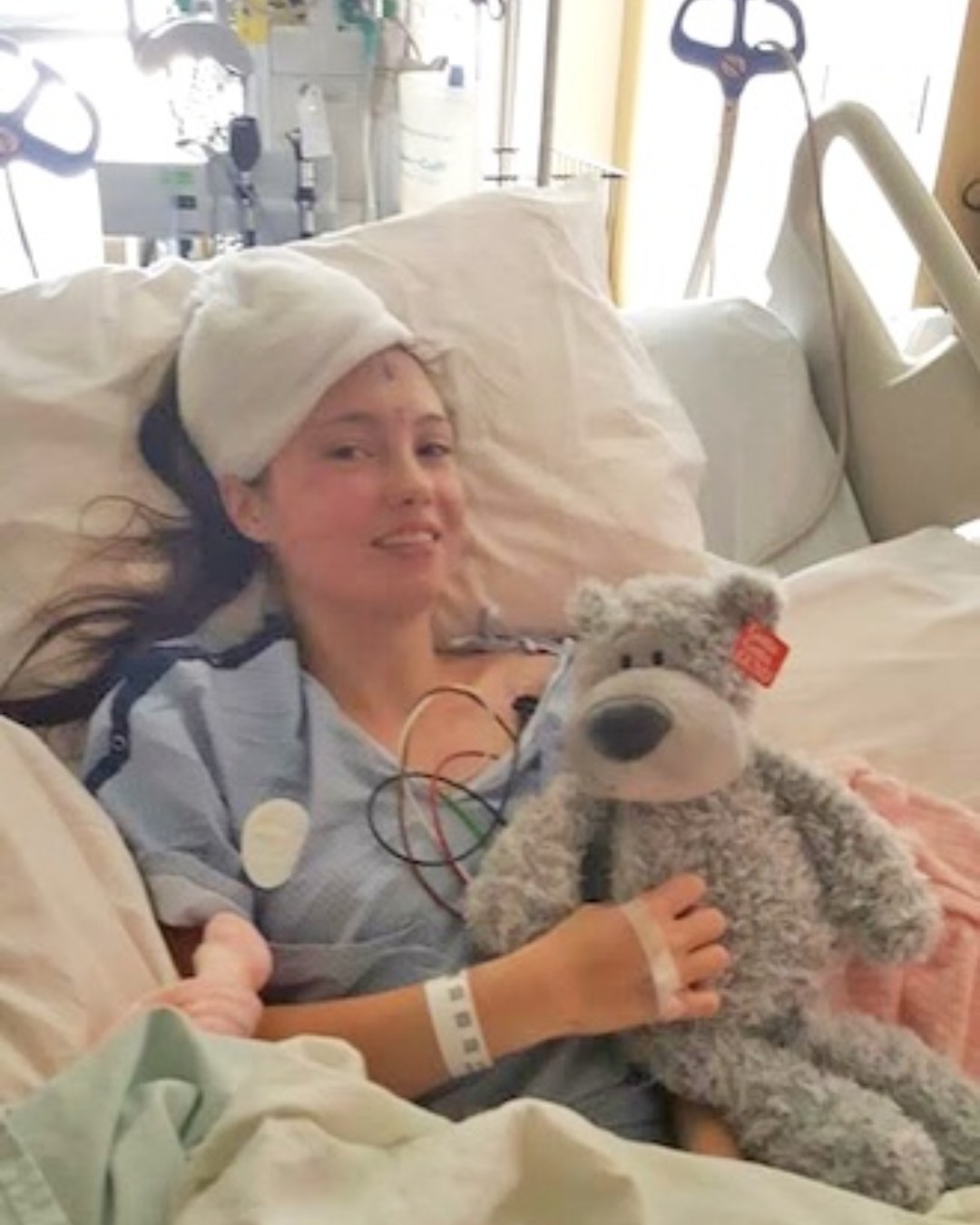
The recovery was even more challenging. She recalls the first 48 hours in the ICU as the most difficult period of her life. She faced relentless nausea from anesthesia, severe shaking when nurses attempted to help her stand, and an inability to eat. Although the surgery removed a significant portion of the tumor, the disease eventually returned and has continued to grow.
For several years, she benefited from participation in the Indigo clinical trial, which slowed progression for about four years. Today, she remains on what doctors describe as “watch and wait,” a monitoring strategy used when additional treatment may compromise healthy tissue or quality of life.
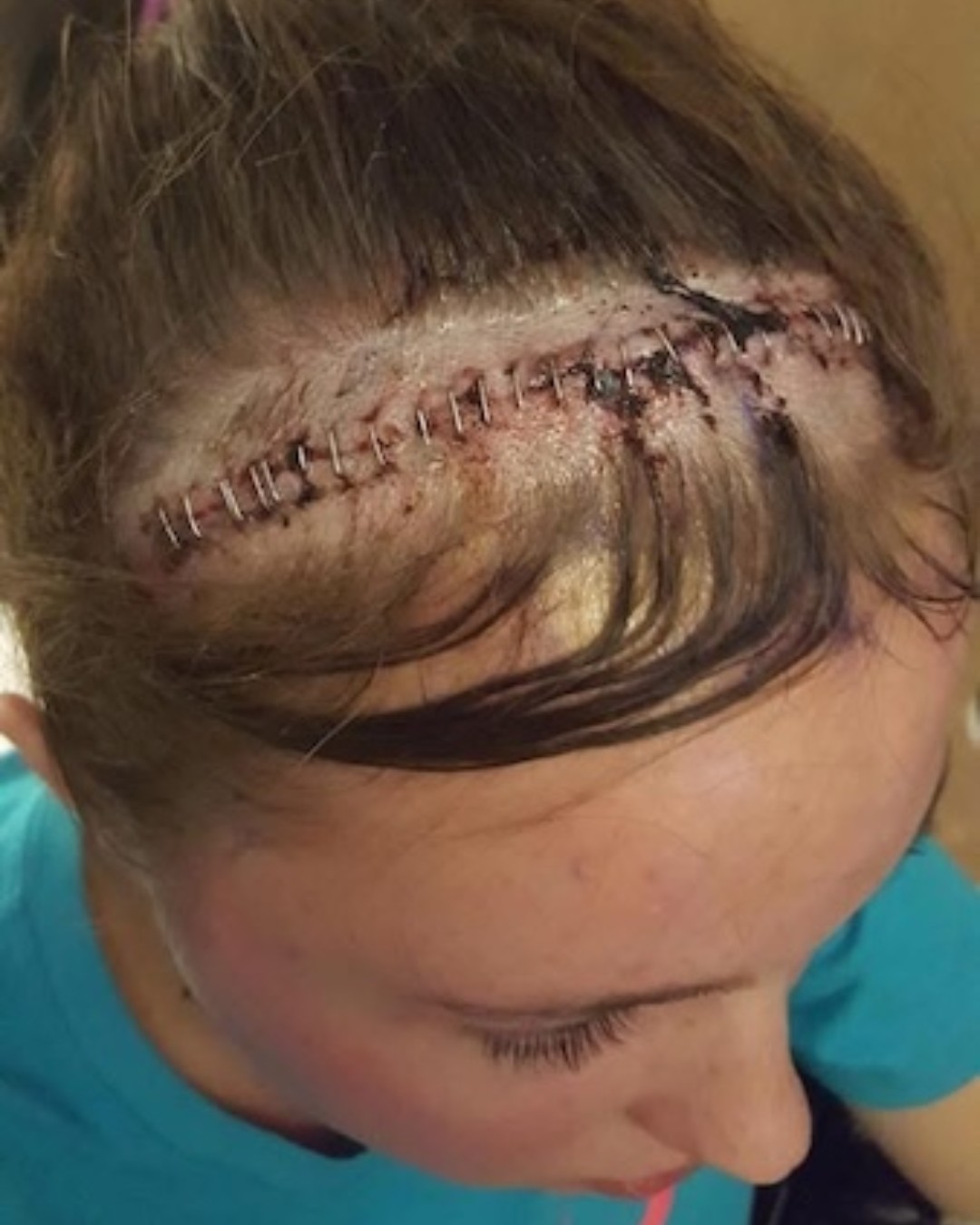
She says the diagnosis has changed her in complex ways—both positive and negative. She has learned to adapt, balancing moments of fear with determination. Yet she acknowledges that the uncertainty is always with her. “I know I have something in my head that can change at any time,” she shared. Her medical team has warned that if the tumor becomes more aggressive, treatment options will be limited, a prospect she admits is deeply frightening.
Her routine now includes scans every four months. Each time she enters the MRI machine, she wonders whether this will be the appointment where doctors tell her it is time for another surgery or additional therapy. Despite this ongoing anxiety, she tries not to let fear dictate her life. She says she relies on humor to cope and focuses on the present rather than the unknown future.
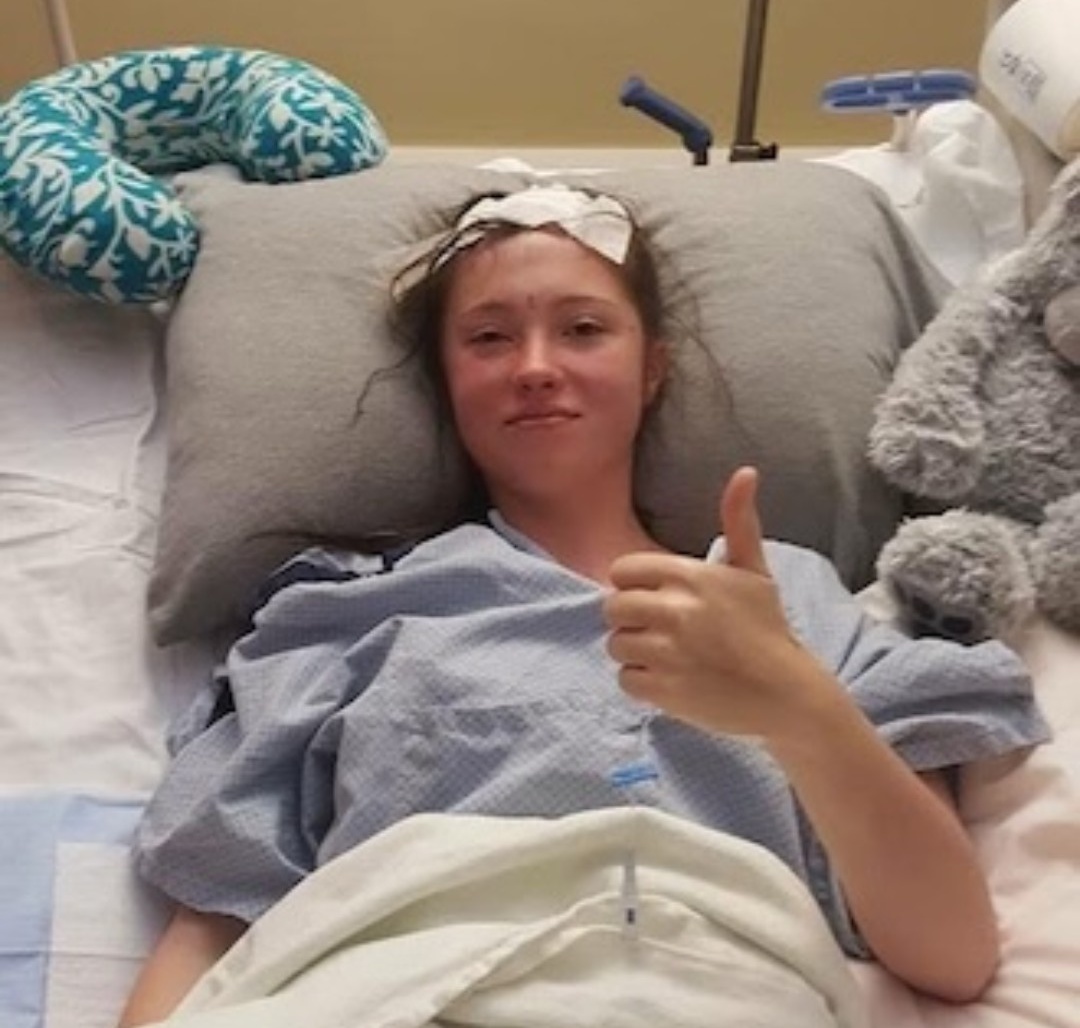
She emphasizes that there is still much she wants to experience. Her goal is to keep living fully while she can, refusing to let the diagnosis overshadow every part of her life.
Her story, marked by realism and determination, highlights the long-term challenges faced by many living with rare brain tumors. It also underscores the importance of research, early detection, and patient support—factors that continue to shape treatment outcomes and quality of life for individuals facing similar conditions.