HER MARRIAGE COLLAPSED YEARS BEFORE THE TIMES SQUARE ATTACK — THE TROUBLED YEARS OF PAMELA CISNEROS
HER MARRIAGE COLLAPSED YEARS BEFORE THE TIMES SQUARE ATTACK — THE TROUBLED YEARS OF PAMELA CISNEROS
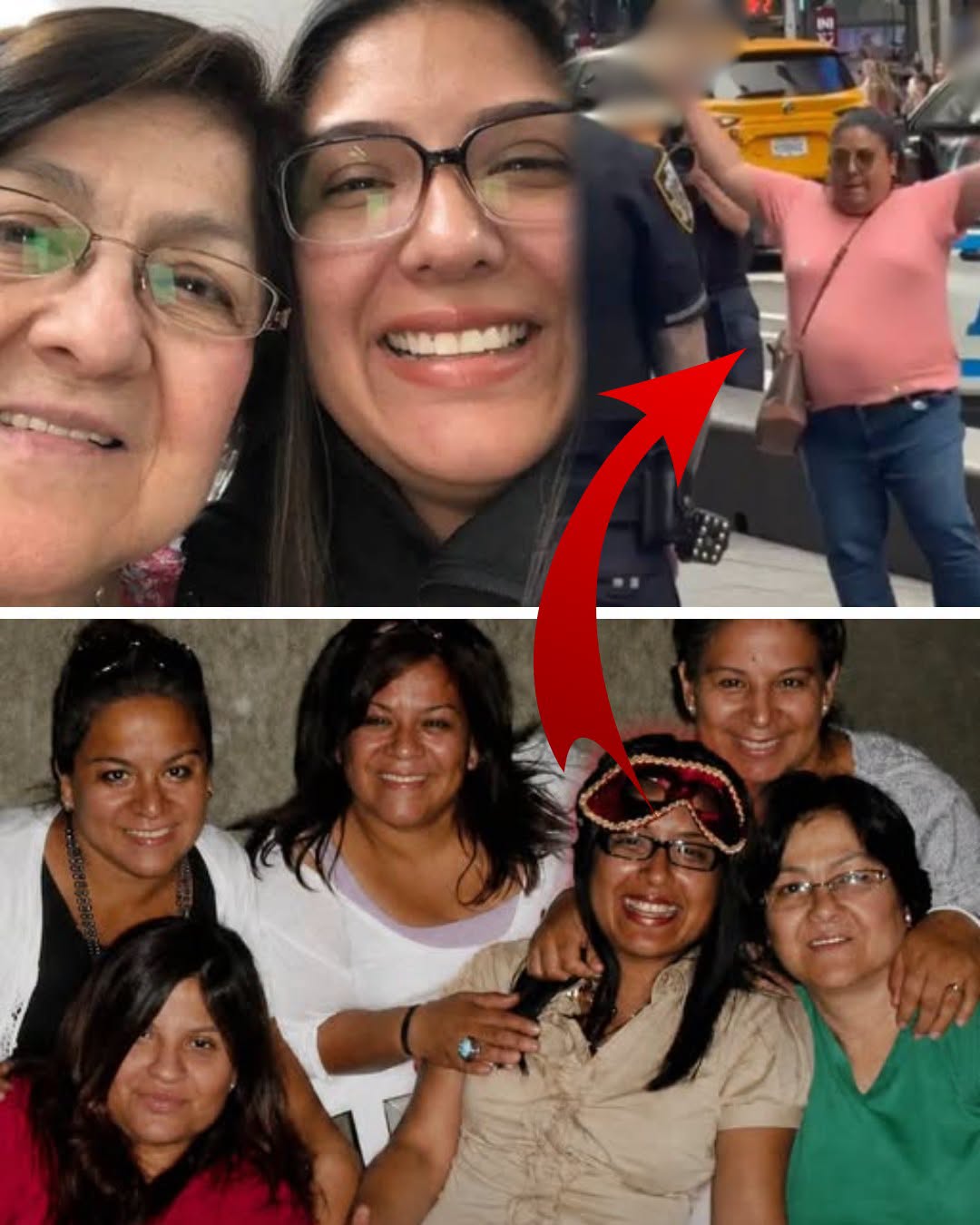
Pamela Cisneros appeared to be rebuilding her life. She had earned a master’s degree in psychology, worked in professional settings and remained in contact with members of her family. But behind the ordinary life her neighbors saw, court records and accounts from relatives reveal years of personal struggles, a broken marriage, custody disputes and repeated mental-health crises.
Then, on Aug. 31, 2026, everything changed.
Cisneros, 49, a Queens resident, became the suspect in a sudden attack in the heart of Manhattan that left 32-year-old Erin Piacenti, a Bank of America vice president and new mother, fatally wounded.
Police say Cisneros had attacked another person moments earlier before confronting Piacenti in Times Square.
The tragedy has since prompted investigators, relatives and the public to look more closely at Cisneros’ life — and at the events that preceded the attack.
 A LIFE THAT ONCE LOOKED ORDINARY
To neighbors in Woodside, Queens, Cisneros was largely unremarkable.
She had reportedly lived alone in her apartment for years. A building manager described her as quiet and polite, saying she paid her rent on time and generally kept to herself.
But people who knew her more closely say there was another side to her story.
Cisneros was a mother of three daughters and had pursued higher education, eventually earning a master’s degree in psychology. Her brother, Patrick Peralta, told the New York Post that she had also worked at an immigration law firm.
Yet her personal life became increasingly complicated.
By 2018, Cisneros and her husband had separated, and she returned to Queens from Florida, according to family-court records.
The following years brought a series of difficulties that would profoundly affect her life.
 THE MARRIAGE COLLAPSED — THEN CAME THE CUSTODY FIGHT
Cisneros’ husband filed for divorce in Florida in 2020, according to court records.
The divorce case eventually became intertwined with a custody dispute involving their youngest daughter.
The proceedings were later sealed, making many details unavailable publicly. But records from the case provide a glimpse into the financial and personal difficulties Cisneros was facing.
By February 2022, she reported that she had left a position at Aflac and was having difficulty finding employment in her professional field.
For someone who had invested years in higher education and built a professional background, the struggle to regain stable employment added another layer of uncertainty.
At the same time, her family said she continued trying to receive treatment and rebuild her life.
Her relationship with her daughters also appeared to become increasingly strained.
Messages included in court records showed Cisneros attempting to maintain contact with her children, including affectionate messages expressing her love and telling them that she would always be there for them.
YEARS OF MENTAL-HEALTH STRUGGLES
Cisneros’ family says her difficulties were not limited to her marriage and career.
According to New York Police Department information reported after the Times Square attack, Cisneros had a documented history of mental-health-related encounters with police.
One incident occurred in 2019, while another occurred in 2020.
PEOPLE later reported that the 2020 incident involved a possible suicide attempt.
The New York Times also reported that in March 2019, Cisneros attempted to jump in front of a subway train in Queens.
Her family intervened.
Her father, Mario Cisneros, reportedly helped take her to medical appointments, where she received treatment that relatives believed helped stabilize her.
For a period of time, her family believed she was doing better.
That belief would later make the events of August 2026 even harder for them to understand.
HER FAMILY THOUGHT SHE HAD TURNED A CORNER
In the months before the Times Square attack, relatives apparently did not believe Cisneros was about to become violent.
Her brother said he last saw her on Aug. 10, when the family gathered for their stepfather’s birthday.
He told the New York Post that there had been no obvious warning signs.
Cisneros had also remained in contact with her mother.
But shortly before the attack, that began to change.
Her family said she stopped visiting her mother and became increasingly distant.
According to her father, she had previously relied on regular treatment but at one point no longer wanted to depend on it.
The family has raised the possibility that a change in her treatment may have contributed to her deterioration, but that remains an allegation from relatives — not a determination by investigators that explains why the Times Square attack occurred.
THEN CAME AUGUST 31
At approximately 4:24 p.m. on Aug. 31, police received reports of a woman attacking people near Times Square.
According to NYPD officials, Cisneros had two knives.
Her first victim was 68-year-old Tak Kam, who had just exited a subway station while visiting New York to see his son.
Kam was stabbed and transported to Bellevue Hospital. He survived the attack.
Moments later, police say Cisneros attacked Piacenti.
Piacenti was a 32-year-old vice president at Bank of America who had returned to work that very day after maternity leave.
She was also a new mother.
She and her husband, Frank Piacenti, had recently celebrated their second wedding anniversary and had moved from Manhattan to a home in Chester, New Jersey, where they were beginning life with their five-month-old daughter, Madison.
Piacenti was stabbed in the abdomen and rushed to Bellevue Hospital.
She later died from her injuries.
POLICE CONFRONTED CISNEROS
Officers who were nearby quickly confronted Cisneros.
Police ordered her to drop the knives.
According to NYPD Commissioner Jessica Tisch, Cisneros refused.
Authorities said she threatened officers and advanced toward them while holding the weapons.
A Taser was deployed, but police said it did not stop her.
Officers then opened fire.
Cisneros was transported to Bellevue Hospital, where she was pronounced dead.
The officers involved were also taken for medical evaluation.
The NYPD Force Investigation Division is investigating the police shooting.
ERIN PİACENTI’S LIFE WAS CUT SHORT
While attention has focused heavily on Cisneros’ troubled history, Piacenti’s family has emphasized that Erin should be remembered for far more than the circumstances of her death.
She was a graduate of the University of Pennsylvania and Fordham Law School, where she met her husband.
She built a career in law and banking before becoming a vice president at Bank of America.
But to her family, her greatest joy was becoming a mother.
Her five-month-old daughter, Madison, is now growing up without her.
Following the tragedy, a fundraising campaign was created to support Madison’s future. The campaign surpassed $500,000 within days and later continued toward a larger goal.
Erin’s family described her as deeply devoted to her loved ones, exceptionally bright and accomplished, and someone who brought warmth and energy to those around her.
THE QUESTION THAT REMAINS
There is no known personal connection between Cisneros and Piacenti.
Police have described the attack as random and unprovoked.
That leaves investigators and the public with a difficult question:
How did a woman who had spent years struggling to rebuild her life end up at the center of a violent attack in one of the world’s busiest public spaces?
Cisneros’ history offers pieces of the story — the collapsed marriage, the custody dispute, professional setbacks, estrangement from family and years of mental-health struggles.
But those pieces do not, by themselves, establish a motive.
Her relatives have expressed disbelief that she could have committed such an act, saying they had never known her to be violent.
Her father has also publicly apologized to Piacenti’s family and said he could not understand what had happened to his daughter.
For now, the final days of Pamela Cisneros’ life remain only partially understood.
And for Erin Piacenti’s family, the consequences are permanent: a young mother who had just returned to work after maternity leave will never return home to the daughter she loved.