Premature Infant Born at 22 Weeks Defies Expectations After Months in Intensive Care
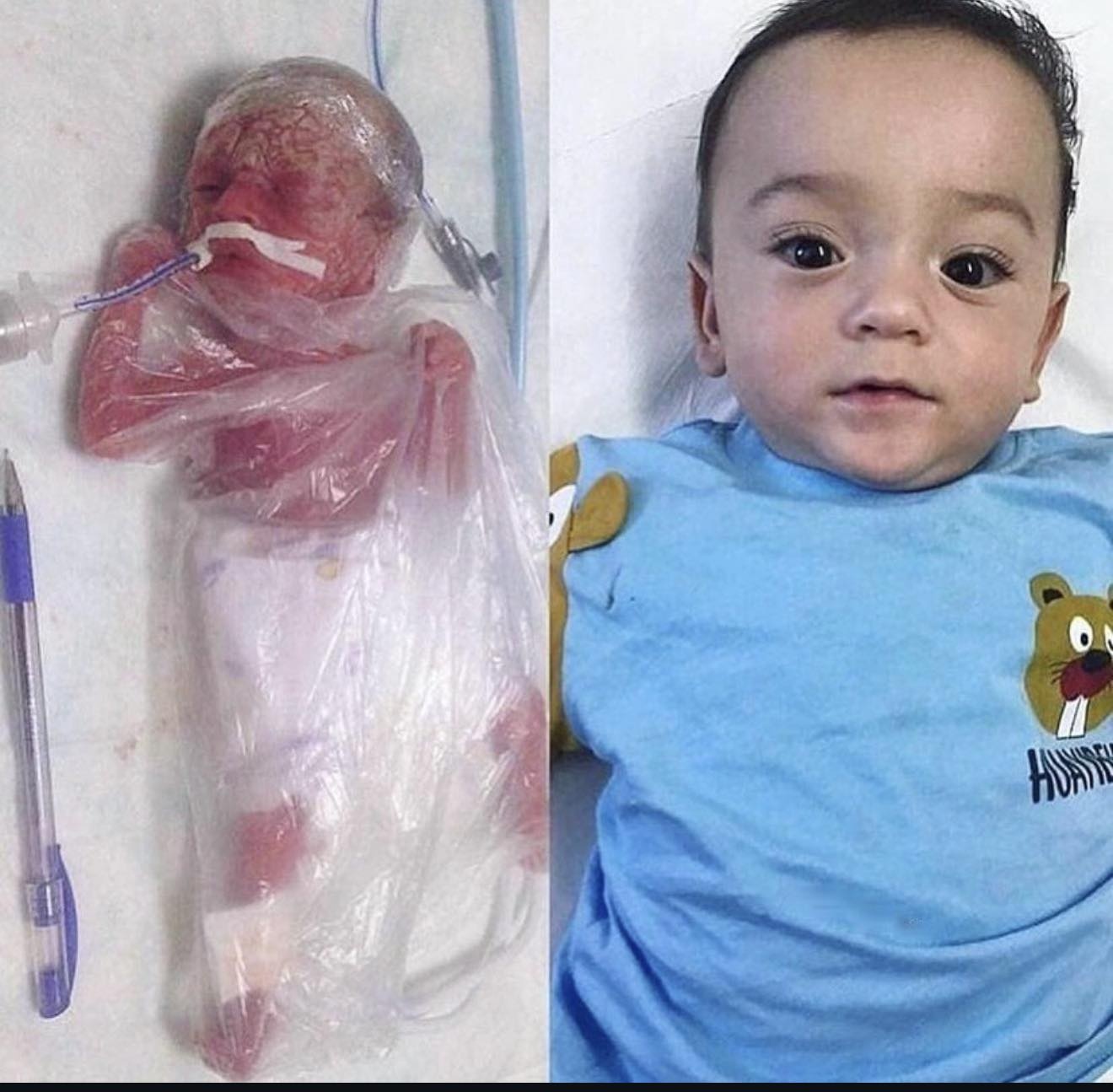
A boy born at just 22 weeks—barely past halfway through a typical pregnancy—has survived against all medical expectations, according to hospital staff and his family. Delivered at a stage when most infants are too underdeveloped to sustain independent life, his size at birth was documented as only slightly longer than the pen a doctor placed beside him for comparison.
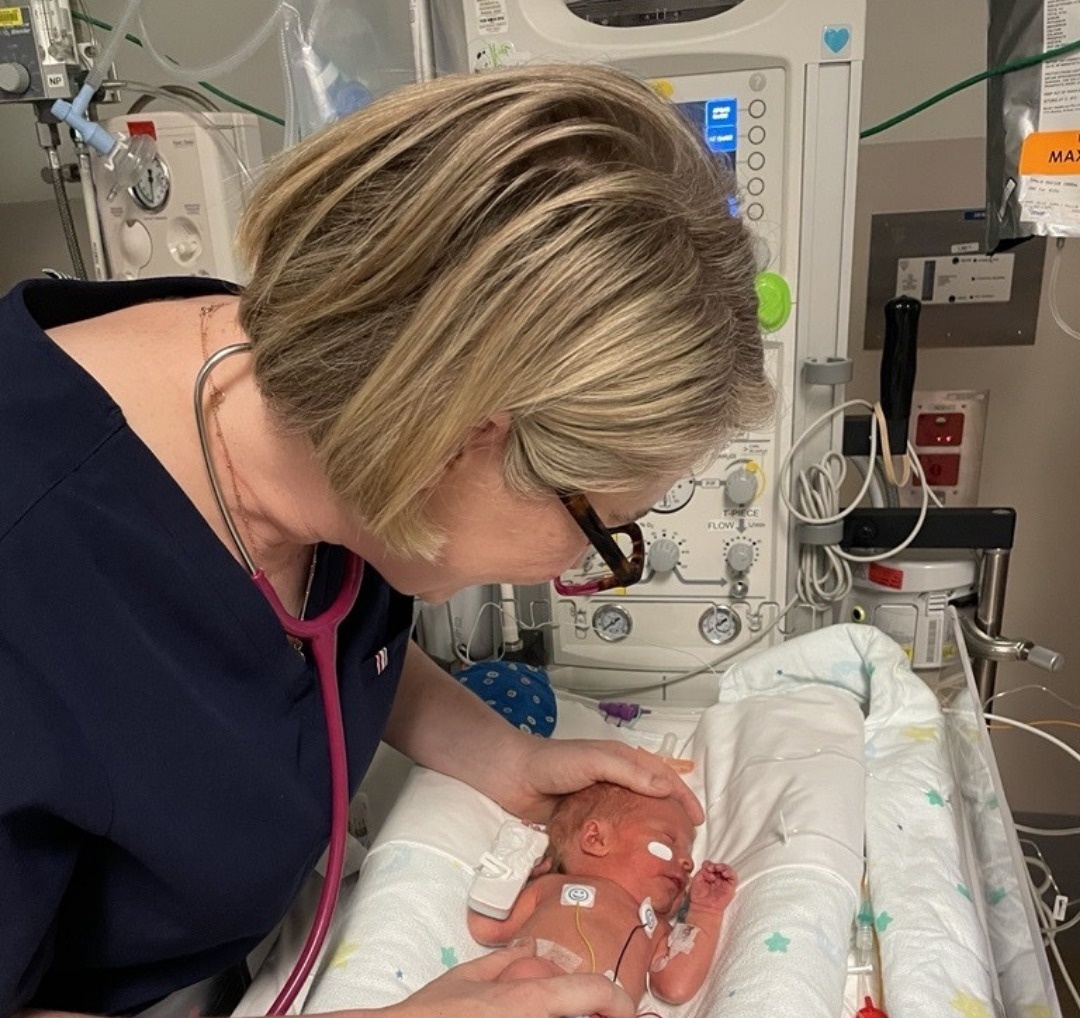
At the time, specialists warned his chances of survival were extremely low. Even his parents admitted they struggled to hope. His condition required immediate placement in the neonatal intensive care unit, where he remained for six months under constant monitoring and round-the-clock care.
Medical professionals described his early days as highly uncertain. His body was fragile, his weight far below the usual limit considered viable, and his organs were still developing. “We had to take every hour as it came,” one member of the clinical team shared. “Infants born this early face challenges with breathing, temperature regulation, and infection. Every small improvement matters.”
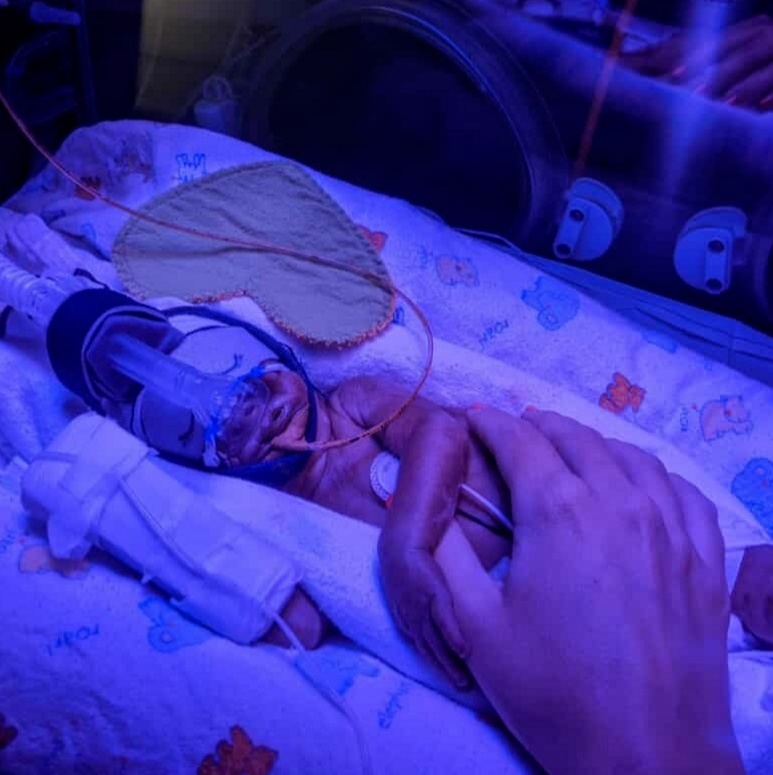
Despite the difficult prognosis, staff began noticing signs of strength. His responses gradually stabilized, his breathing improved with support, and he showed steady progress that surprised even seasoned specialists. Nurses noted that each day brought subtle but meaningful changes—stronger movements, improved tolerance during procedures, and signs of growing resilience.
His parents described visiting the NICU as both emotional and overwhelming. They were advised to expect setbacks, yet they watched their son continue to respond to treatment. “He was quiet, small, and vulnerable,” his mother said, “but he kept holding on.”
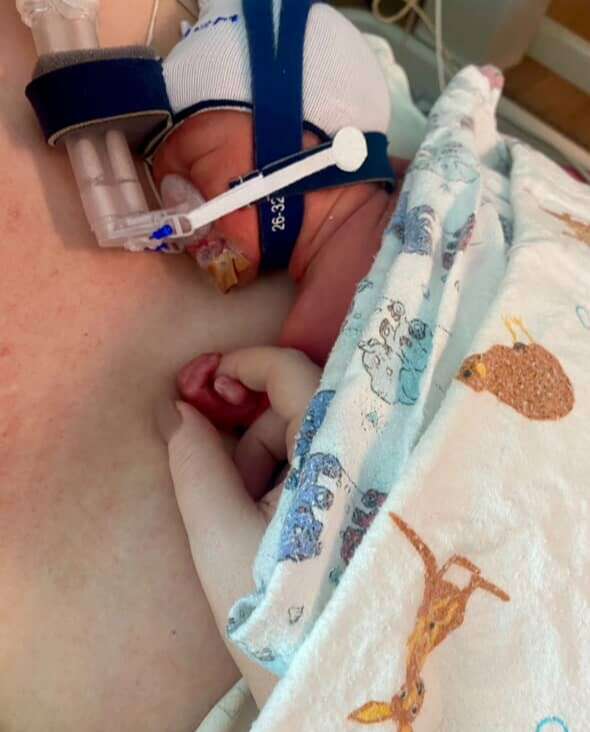
After months of care, the boy grew past the critical stage and was eventually stable enough to leave the hospital. Today, he is described as active and developing according to expectations for his corrected age. His story is now being shared by staff and families as an example of how advances in neonatal medicine, combined with persistent care, can support infants once believed to have no chance of survival.
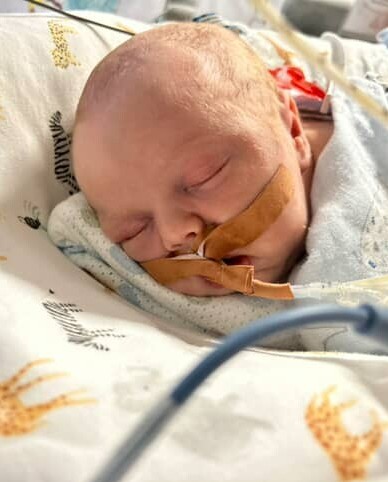
Experts emphasize that cases like his highlight the importance of specialized neonatal facilities and early medical intervention. While infants born at 22 weeks remain at high medical risk, survival rates have improved in recent years due to advancements in respiratory support, infection control, and nutrition management.
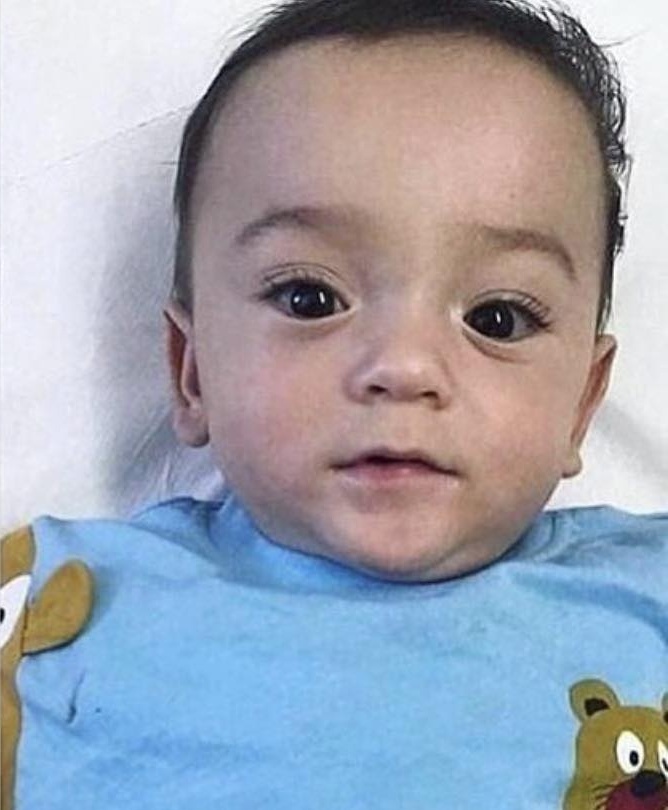
The family hopes their son’s journey will offer comfort to others facing similar circumstances. They continue to express gratitude to the medical team whose efforts made his recovery possible, stating that their experience has reshaped their understanding of perseverance and early-life care.
His outcome, once considered unlikely, now stands as a powerful reminder of how determination—paired with medical expertise—can alter even the most uncertain beginnings.