Two Tulsa Sisters Have Been Missing for More Than a Year — Now NCMEC Is Putting Their Faces Along Route 66
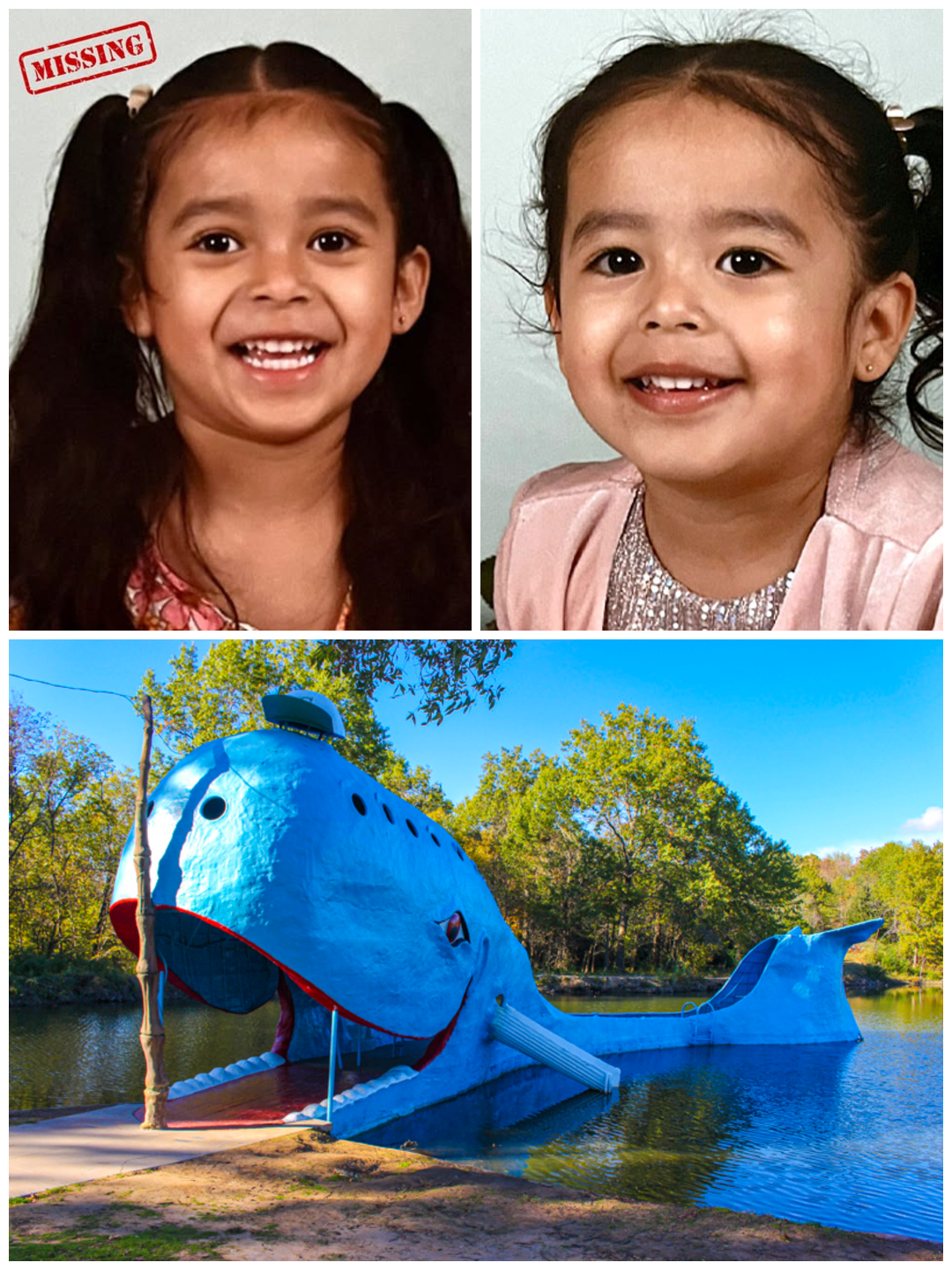
More than a year after two young sisters disappeared from Tulsa, Oklahoma, investigators do not appear to have announced a dramatic new piece of evidence.
Instead, the latest development is about something much simpler:
Getting millions of new eyes on their faces.
Sarahi Flores Rosales and her younger sister, Madison Flores Rosales, have been missing since May 26, 2025. The National Center for Missing & Exploited Children continues to list both girls as missing and says they may be in the company of their father.
Now their case has been pulled into a massive public-awareness opportunity.
As Route 66 celebrates its 100th anniversary in 2026, NCMEC is using the famous highway — and the enormous number of people traveling it — to spotlight missing children from communities along or near the route.
Sarahi and Madison are among them.
It is not a new clue.
It is a new search strategy.
And in a case where the children may be traveling or living with someone familiar to them, public recognition could be especially important.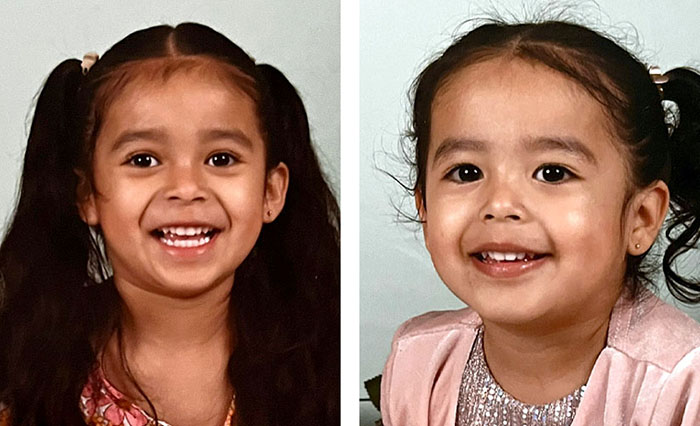
Two Sisters Disappeared From Tulsa
Sarahi and Madison were last seen in Tulsa on May 26, 2025.
They were very young when they disappeared.
Oklahoma’s current missing-person database lists Sarahi as 6 years old and Madison as 4. Both remain active missing-person cases connected to the Tulsa Police Department.
The NCMEC posters for both children contain the same short but important statement:
The sisters may be in the company of their father.
That wording matters.
NCMEC is not telling the public that the girls are wandering alone.
It is also not asking strangers to assume that every child traveling with a parent or relative is in danger.
Instead, the posters give people a specific reason to remember their faces.
Someone could see Sarahi and Madison beside an adult and have no immediate reason to think they are looking at missing children.
That is exactly why repeated public exposure can matter.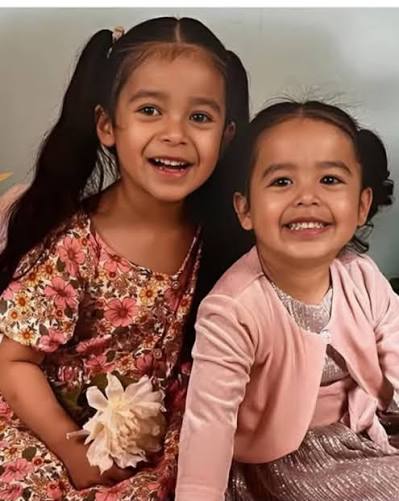
Route 66 Creates a Different Kind of Search Network
On Aug. 13, 2026, NCMEC launched a special Route 66 appeal timed to the highway’s centennial.
Route 66 stretches more than 2,400 miles from Chicago to Santa Monica, passing through eight states and some of the most recognizable road-trip destinations in the United States.
Tulsa sits directly on the historic route.
Instead of treating the centennial solely as a tourism event, NCMEC asked travelers to pay attention to missing children from communities along or near the highway.
The organization specifically featured Sarahi and Madison in its Oklahoma section.
The idea is remarkably straightforward.
Travelers stop constantly.
They enter gas stations.
They stay in hotels.
They eat at diners.
They visit roadside attractions.
They pass through parking lots, convenience stores and tourist destinations filled with people they have never seen before and may never see again.
NCMEC’s appeal essentially turns those ordinary encounters into potential opportunities for recognition.
A missing child does not have to be standing beside a police officer or appearing distressed for someone to recognize a face.
Sometimes the valuable information is simply:
I think I saw that child.
Why Travelers May Notice What Local Searchers Cannot
Traditional missing-person searches often begin geographically.
Police focus on the last known location.
They interview relatives.
They examine known contacts and familiar places.
But the longer a child remains missing, the geographic possibilities can grow.
More than a year has now passed since Sarahi and Madison disappeared.
That makes visibility beyond Tulsa increasingly useful.
A person who lives in Oklahoma may have seen their missing posters repeatedly.
A tourist arriving from Illinois, Arizona or California may never have seen them once.
NCMEC’s Route 66 campaign changes that by placing the girls’ faces inside a broader national story that people are already paying attention to.
The campaign highlights missing children as travelers move through states including Illinois, Missouri, Oklahoma, Texas, New Mexico, Arizona and California.
NCMEC’s message to those travelers is essentially to look around.
A missing child could potentially be recognized at the same roadside places people normally pass through without a second thought.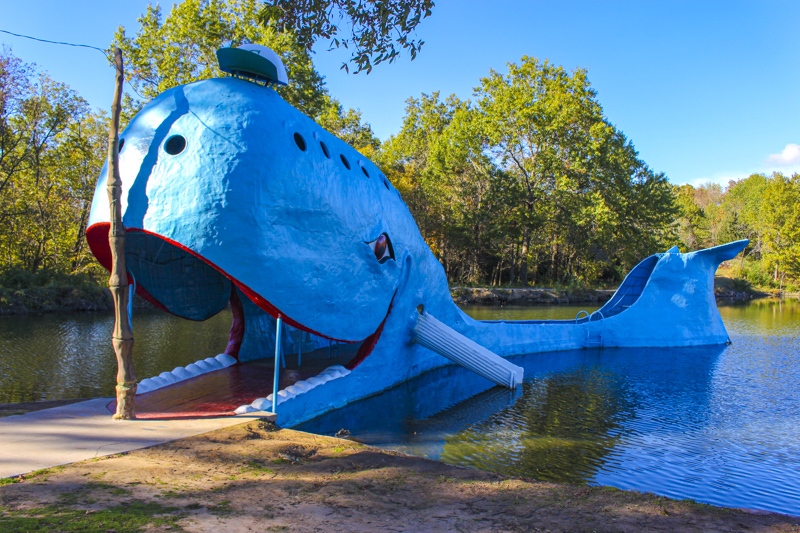
Being With a Relative Does Not Make Recognition Less Important
This is one of the most important parts of Sarahi and Madison’s case.
When people imagine a missing child, they may picture a child alone, frightened or obviously asking for help.
Reality can look much more ordinary.
If a child is traveling with someone familiar, strangers may see nothing immediately unusual about the situation.
A young girl holding an adult’s hand inside a restaurant does not automatically attract attention.
Two sisters checking into a motel with a family member may look like any other traveling family.
That is why the missing posters matter even when authorities believe children may be with a relative.
Recognition may depend less on suspicious behavior and more on someone remembering a face.
NCMEC’s Route 66 campaign explicitly encourages people not to assume somebody else will report potentially useful information.
Their Faces Are Also Changing
Time creates another challenge.
Children grow quickly.
Sarahi and Madison were much younger when they disappeared in May 2025. More than a year later, changes in height, hairstyle, facial shape and other features can make recognition more difficult.
That does not make the original photographs useless.
But it makes repeated exposure even more important.
Someone who briefly saw one of the girls months ago may not have recognized her at the time. Seeing the photograph again could trigger a memory.
The same is true for someone who encounters them now.
Missing-child campaigns often rely on this basic principle: a person may not know that what they saw mattered until much later.
The Route 66 Campaign Is Not Evidence They Are on Route 66
There is also an important distinction.
NCMEC’s decision to feature the sisters in its Route 66 campaign does not mean investigators have publicly confirmed that Sarahi and Madison are traveling along the highway.
The girls were included because they disappeared from Tulsa, one of Route 66’s major cities, and because the centennial created an opportunity to put their case before a much larger audience.
The campaign should therefore be understood as renewed visibility — not a new confirmed location.
Likewise, NCMEC’s statement that the girls may be with their father should not be transformed into a claim about where they currently are.
Their whereabouts remain unknown publicly.
That is why the search continues.
One Familiar Face Could Break a Long Silence
More than a year after Sarahi and Madison disappeared, the case does not have the kind of update that usually dominates headlines.
No dramatic discovery has been announced.
No new confirmed sighting has been publicly revealed.
Instead, NCMEC is returning to one of the oldest tools in a missing-child investigation:
A photograph.
The difference is where those photographs are being placed.
Route 66’s centennial is drawing attention from travelers across the United States and beyond. Every hotel lobby, gas station, diner and roadside attraction represents another place where someone might notice two faces they have seen before.
Anyone with information about Sarahi or Madison can contact the Tulsa Police Department at 918-596-9222 or NCMEC at 1-800-THE-LOST (1-800-843-5678).
For most travelers, Route 66 is about seeing something unforgettable.
For the families of missing children, the hope is exactly the opposite:
That somewhere along the road, someone sees a familiar face — and finally remembers where.