Police Say a Man Helped Hide the Body — So Who Do They Believe Actually Killed John Rollins?
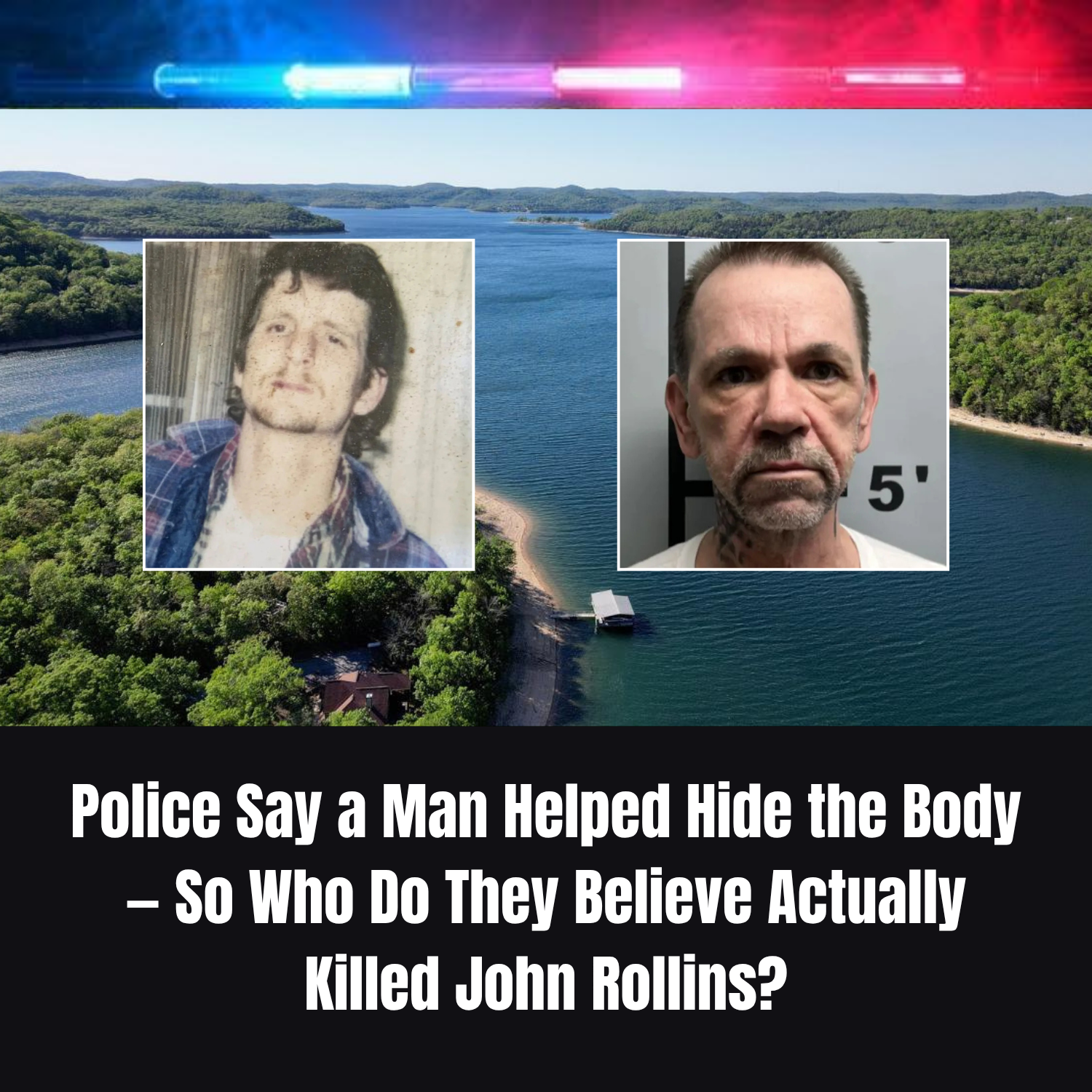
For nearly 30 years, investigators in Arkansas had two mysteries surrounding the body pulled from Beaver Lake.
First, they did not know who the dead man was.
Then, after DNA finally gave him back his name, they still did not know who killed him.
Now the case has taken its biggest turn in decades.
A Wisconsin man, Roger Ewer, has been charged with allegedly helping conceal and dispose of the body of John Douglas Rollins Jr. after Rollins was murdered in 1996.
But there is one crucial thing Ewer has not been charged with:
Murder.
And as of the latest court filings, no one else has been charged with killing Rollins either.
That creates an extraordinary question at the center of a case that has already survived three decades:
If investigators now believe they know someone who helped hide the body, who do they believe actually committed the murder?
A Fisherman Found a Sleeping Bag Floating in Beaver Lake
The case began on Oct. 16, 1996.
A fisherman on Beaver Lake in northwest Arkansas spotted a sleeping bag floating in the water.
Inside was a badly decomposed human body.
Investigators eventually determined the victim was a man, but they could not identify him.
Evidence suggested the sleeping bag may originally have been weighted down before eventually rising to the surface. Authorities estimated the remains could have been in the water for somewhere between three months and a year.
The death was classified as a homicide.
The victim had suffered blunt-force trauma.
But without a name, investigators had an enormous problem.
They did not know where the man had lived.
They did not know who his friends were.
They did not know whom he had been with before his death.
And they could not easily reconstruct the final days of a person whose identity itself was unknown.
For years, investigators simply referred to him as “Lake Man.”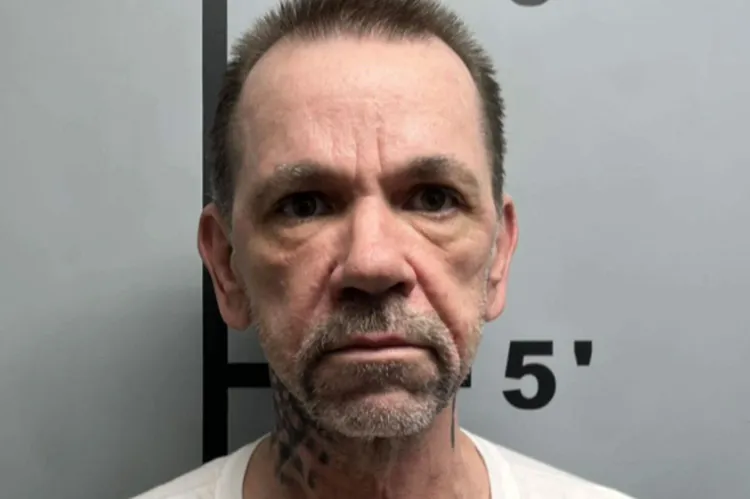
It Took 26 Years Just to Learn His Name
The first major breakthrough did not come until 2022.
Investigators had repeatedly tried traditional forensic methods over the years, including anthropology examinations, facial reconstruction and DNA testing.
Eventually, advances in forensic genetic genealogy produced a potential family connection.
Investigators contacted a man in the Springdale area and asked about his family.
That conversation changed the case.
The man revealed that his son had disappeared sometime in the mid-1990s.
Strangely, no missing-person report had ever been filed.
DNA comparison later confirmed the connection.
“Lake Man” finally had a name.
He was John Douglas Rollins Jr., 31.
Rollins was originally from Missouri but had been living in Springdale, Arkansas. Family members had last seen him in 1995.
After 26 years, investigators had solved the first mystery.
But identifying Rollins did not identify his killer.
The homicide investigation remained open.
Then Roger Ewer Returned to Arkansas
The next breakthrough arrived through circumstances that initially appeared to have nothing to do with Rollins.
Roger Ewer, now 57, had been living in Wisconsin.
Arkansas authorities sought his return in connection with an old case involving unpaid restitution from a conviction dating back to the early 1990s.
He was returned to Arkansas and booked into the Benton County Jail in July 2026.
What happened next remains partly hidden from public view.
By August, prosecutors were publicly connecting Ewer to a decades-old murder investigation.
At a court hearing, a deputy prosecutor said Ewer had implicated himself in the cold case.
But exactly what Ewer allegedly said — or what other evidence investigators have — remains unclear.
That is because one of the most important documents in the case is still sealed.
The Affidavit Could Contain the Answer Everyone Wants
A probable-cause affidavit typically explains why investigators believe there is enough evidence to arrest or charge someone.
In Ewer’s case, that document has been restricted from public access.
The court has indicated that investigators are still gathering evidence and that releasing details could interfere with the investigation.
That secrecy is significant.
Because the charges prosecutors eventually filed reveal something important — but not everything.
Ewer faces three allegations:
Hindering apprehension or prosecution.
Abuse of a corpse.
Tampering with physical evidence.
He has pleaded not guilty.
But none of those charges accuses him of actually killing Rollins.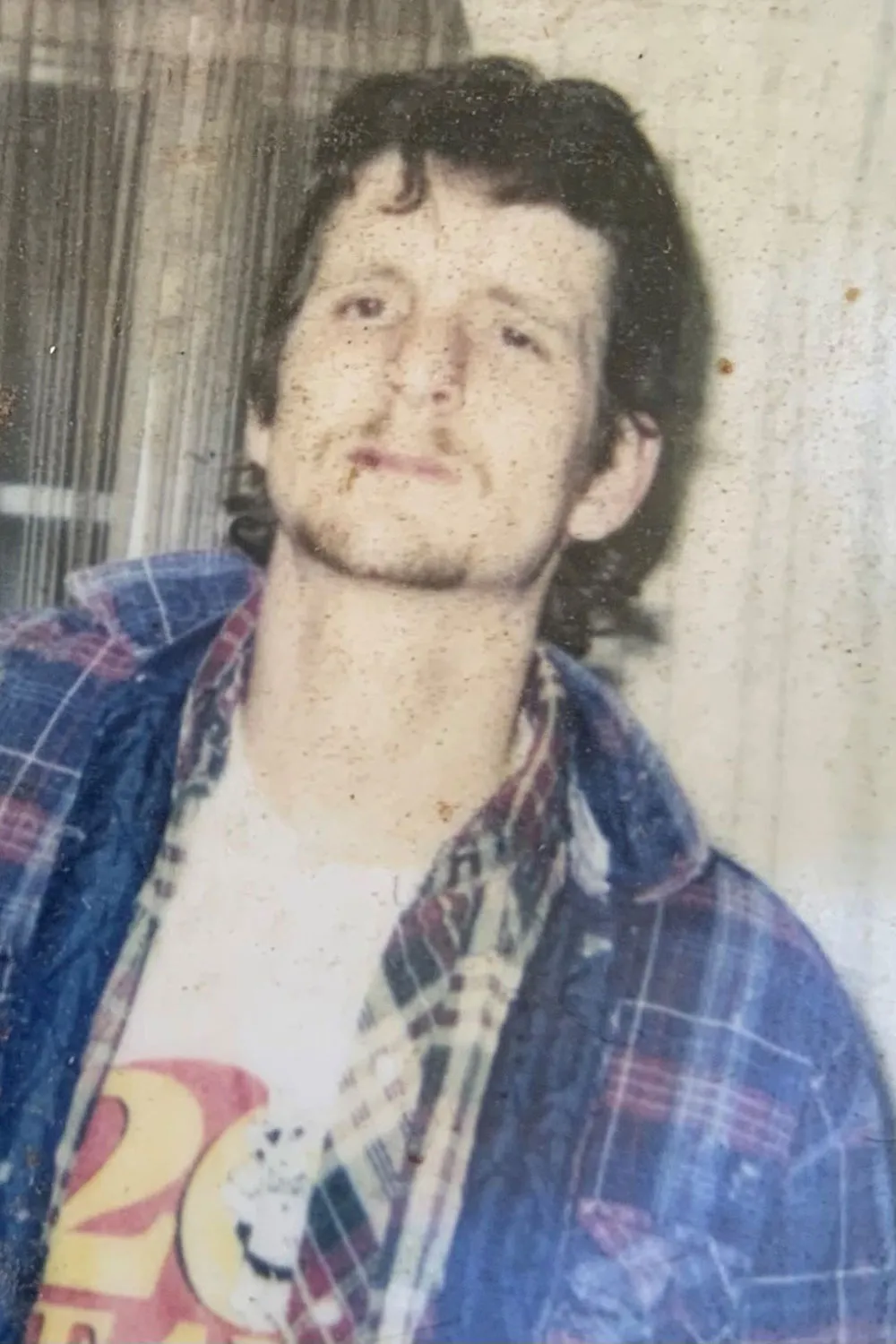
Prosecutors Say He Helped After the Murder
The charging document makes a striking allegation.
Prosecutors say that sometime on or before Oct. 16, 1996, immediately following the murder of Rollins, Ewer assisted in concealing and disposing of his body.
In other words, the prosecution’s own wording separates two events:
The murder.
And what allegedly happened afterward.
That distinction naturally raises another question.
If prosecutors believe Ewer helped after Rollins was already dead, do investigators believe someone else committed the killing?
Authorities have not publicly identified another suspect or announced a murder charge.
And because the probable-cause affidavit remains sealed, the evidence that brought investigators to Ewer has not been fully revealed.
The Murder May Have Happened Somewhere Else
Another detail makes the case even more intriguing.
During an earlier hearing, a prosecutor said the actual murder may have occurred in Washington County.
Beaver Lake, where Rollins’ body was recovered and where prosecutors allege Ewer’s offenses occurred, led to the current case being handled in Benton County.
That potentially creates two distinct locations in the investigation.
One where Rollins may have been killed.
Another connected to the concealment and disposal of his body.
If that theory is correct, investigators would need to reconstruct not only the killing but also what happened afterward.
How was Rollins’ body transported?
Who was present?
Who selected Beaver Lake?
Why was the body placed inside a sleeping bag?
And was Ewer allegedly acting alone when the body was concealed — or helping someone else?
Public court records have not yet answered those questions.
Why Would Someone Help Hide a Body?
The hindering-apprehension charge may ultimately become one of the most revealing parts of the case.
By alleging that someone hindered apprehension or prosecution, investigators are signaling that they believe actions were taken that interfered with law enforcement’s ability to discover or prosecute a crime.
But whose apprehension was allegedly being hindered?
That may be precisely the kind of information investigators do not want released while the case remains active.
It is also why the sealed affidavit matters so much.
The public currently has the accusation against Ewer.
What it does not have is the full story behind that accusation.
Ewer is presumed innocent unless proven guilty.
His next scheduled court appearance is Oct. 19.
Thirty Years Later, the Case Has Moved — But It Is Not Solved
The Rollins investigation has now gone through several completely different phases.
For more than two decades, investigators were trying to identify a nameless body.
DNA solved that problem in 2022.
Then investigators had to rebuild the life of a man who had disappeared in the mid-1990s without ever becoming the subject of a formal missing-person report.
Now, in 2026, prosecutors say they have identified someone who allegedly helped conceal what happened after Rollins was killed.
That is an enormous development.
But it still leaves the biggest question unanswered.
No one has been charged with John Rollins’ murder.
The probable-cause affidavit remains sealed.
Authorities have not publicly revealed whether they have another suspect.
And they have not explained what allegedly connects Ewer to Rollins nearly 30 years ago.
For decades, investigators were asking:
Who was the man in the sleeping bag?
Now they know.
His name was John Douglas Rollins Jr.
The question haunting the case has simply changed.
If prosecutors believe someone helped hide his body immediately after he was murdered, who was that person allegedly helping — and who actually killed John Rollins?