He Had Been a Sixth Grader for Just Five Days. That Night, Families Left Lacrosse Sticks Outside for Torren.

Torren O’Grady had been a sixth grader for only five days.
The new school year in North Stonington, Connecticut, had barely begun. At 11 years old, Torren was still at the beginning of a transition that should have brought months of classes, friends, sports and ordinary middle-school memories.
Instead, on the morning of September 2, his bicycle ride ended in tragedy less than a mile from school.
At about 8:27 a.m., Torren was riding his bike along Old Colony Road near a school bus. Connecticut State Police said the bus began making a left turn onto Pinecrest Road when Torren’s bicycle collided with the left front portion of the vehicle.
The impact was fatal.
Torren died at the scene.
The 76-year-old bus driver remained at the location, and investigators began examining the circumstances surrounding the collision. As of the initial investigation, authorities had not announced criminal charges against the driver.
Within hours, North Stonington Elementary School was confronting something no school community expects to face at the beginning of an academic year: the sudden death of one of its children.
Students were dismissed early.
Counselors arrived.
Emotional support dogs were brought in.
And across the surrounding community, people began searching for a way to tell Torren’s family that they were not grieving alone.
That night, and in the days that followed, the answer appeared on front porches.
Lights were left glowing.
Lacrosse sticks were placed beside doors.
One neighborhood after another quietly became part of a memorial for an 11-year-old boy who should have been preparing for his sixth day of school.
A Morning That Should Have Been Ordinary
Torren was a sixth-grade student at North Stonington Elementary School.
The school day had not yet started when the collision occurred.
According to investigators, Torren was riding behind or near the school bus as both traveled along Old Colony Road. As the bus turned left onto Pinecrest Road, Torren’s bicycle struck the front-left wheel area.
Authorities described the collision as a fatal run-over event.
Emergency crews responded, but Torren could not be saved.
The crash happened only a few minutes from the school where he was supposed to spend the rest of that day.
That detail became especially difficult for families in the community to process.
At that same hour, parents across North Stonington were sending children into classrooms, watching school buses travel through neighborhoods and beginning another routine morning.
Torren never made it to class.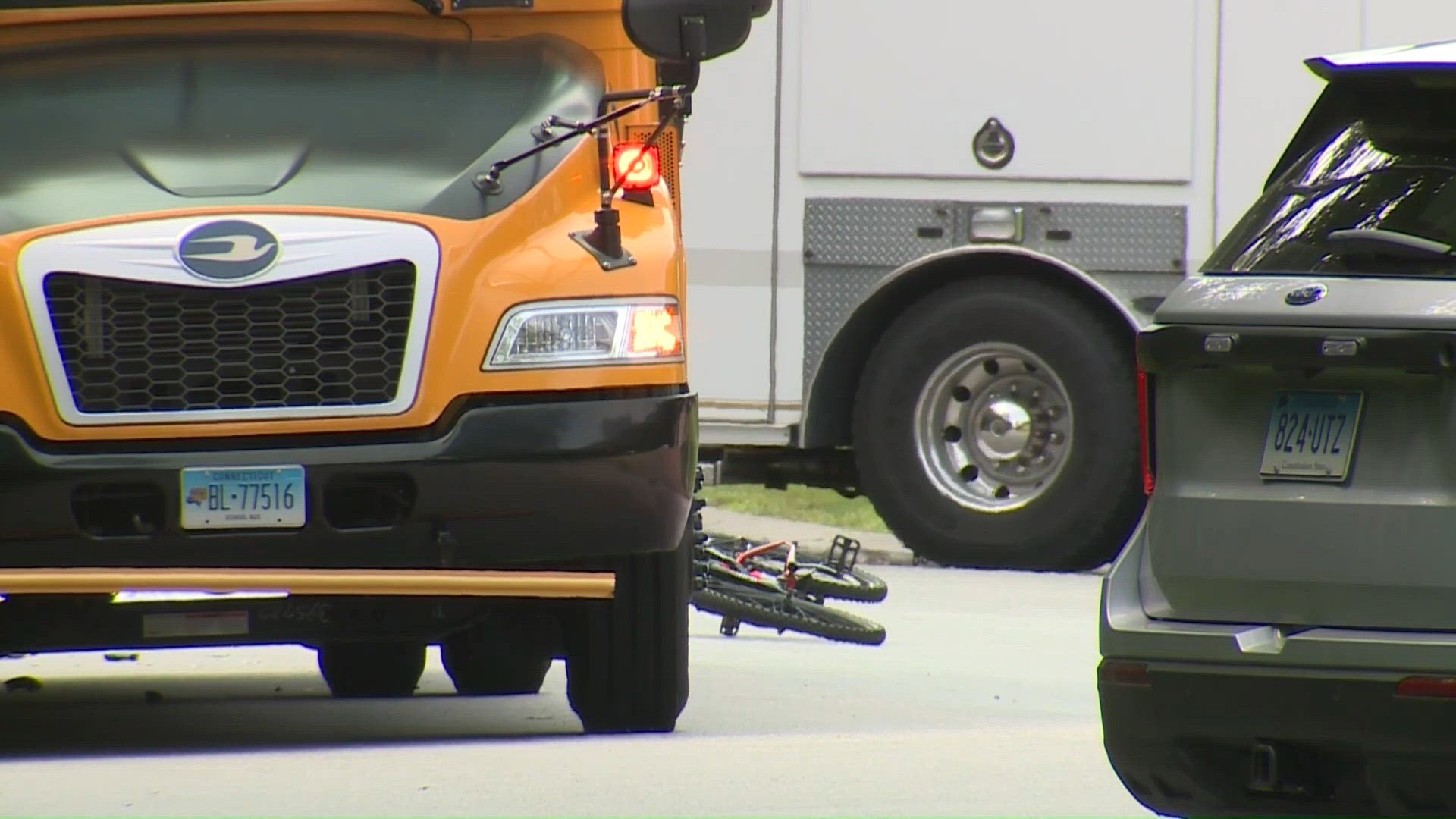
Five Days Into Sixth Grade
The timing of his death gave the tragedy another painful dimension.
Torren had entered sixth grade only five school days earlier.
There had barely been enough time to settle into the year.
Schedules were still new. Students were still learning classroom routines. Teachers were only beginning to know their new groups of children.
Then one desk was suddenly empty.
North Stonington Public Schools released students early after the crash and told families that counselors and other emotional support resources would be available.
Emotional support dogs were also brought to the school.
For children struggling to understand the sudden death of a classmate, the animals provided a quiet form of comfort when conversations were difficult.
School officials acknowledged that grief would look different for every student.
Some children might want to talk.
Others might remain silent.
Some might become afraid of buses, bicycles or simply traveling to school.
The district’s message was centered on keeping support available rather than expecting students to process the tragedy in the same way.
The Boy Behind the Headlines
Torren Monzell O’Grady was born on July 25, 2015.
His family’s memories show an 11-year-old whose life extended far beyond the accident that ended it.
He often woke up early, using the extra time to play video games, read or watch television with his father.
He liked experimenting.
As a younger child, he would mix together random products from dollar stores to create what he called potions.
He enjoyed going on drives to try different breads from local bakeries and roadside bread sheds, eventually deciding that bacon gouda bread from a local shop was his favorite.
Those small details became important after his death.
They were reminders that Torren was not simply the child involved in a school-bus collision.
He had preferences, jokes, routines and interests.
His family described him as a people person who enjoyed being around others and wanted the people around him to be happy.
Sports were another major part of his childhood.
He played recreational basketball and spent several years playing lacrosse.
It was that lacrosse community that would create one of the most visible tributes after his death.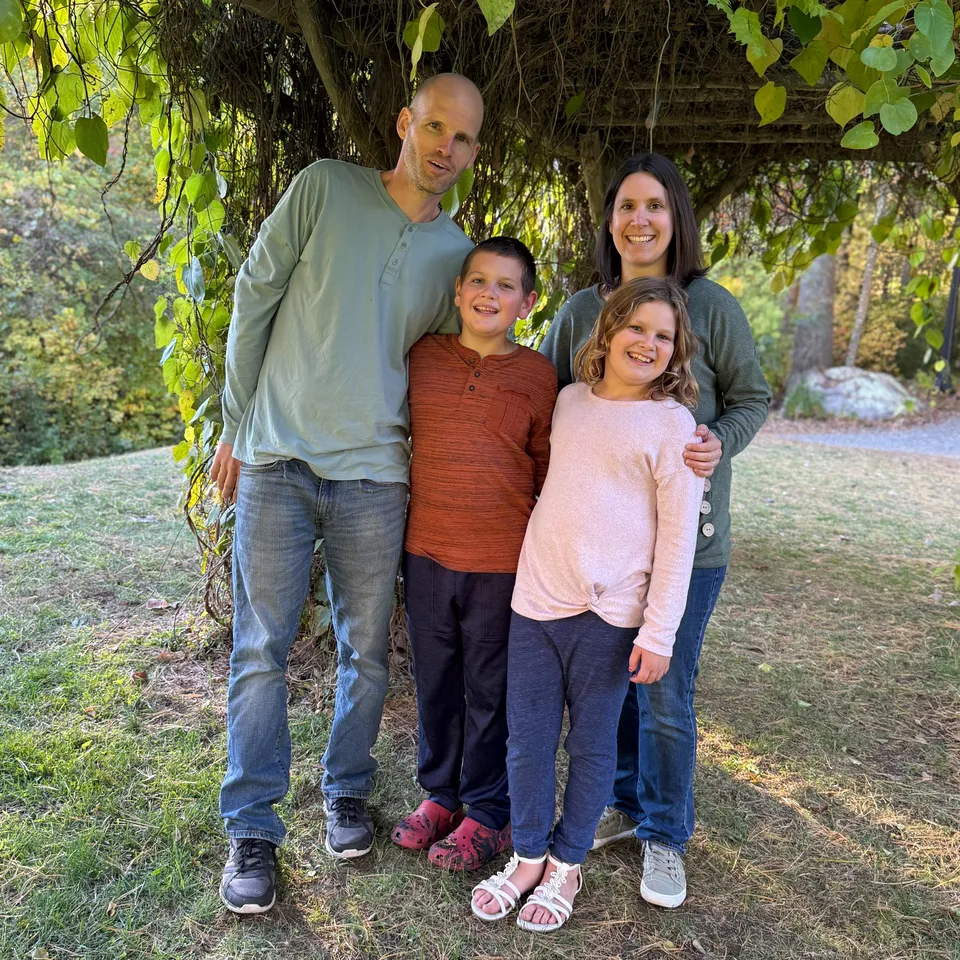
“Leave a Light On”
Torren had played for the Stonington Bears Youth Lacrosse program.
After learning of his death, the organization asked families across the area to do something simple.
Leave the front porch light on.
And, if they had one, place a lacrosse stick outside.
The request quickly spread.
Homes in North Stonington and neighboring communities began displaying sticks beside front doors, against porch railings and underneath lights left burning after dark.
Some families posted photographs of their tributes.
The message behind them was uncomplicated.
Torren had been one of their own.
A teammate.
A friend.
A young player who had stood on their fields wearing a Bears uniform.
Now the same families who had watched children compete together were being asked to stand together in grief.
Every porch light was meant to shine for Torren.
Every lacrosse stick was meant to tell his family that the community was beside them.
A Neighborhood Becomes a Memorial
The tribute was powerful partly because no one needed to gather in the same place for it to work.
A person driving through the community could see one porch light.
Then another.
Then a lacrosse stick beside a doorway.
Then another several houses away.
Ordinary homes became pieces of a much larger memorial.
For parents, the gesture carried its own painful symbolism.
A lacrosse stick normally left outside might mean a child had just returned from practice or would soon be heading to a game.
In the days after September 2, those sticks represented a child who would not play again.
Residents also created a memorial near the intersection where Torren died.
Flowers, candles and messages accumulated at the site.
The Congregational Church of North Stonington opened its doors to people who wanted somewhere to sit, mourn or pray.
In a town of only a few thousand residents, the loss felt intensely personal even to people who had never met Torren.
An Investigation Continues
While the community mourned, investigators continued trying to determine exactly how the crash happened.
State police asked witnesses and anyone who might have video footage from the area to come forward.
The bus driver was identified, but authorities had not announced criminal charges in the immediate aftermath of the crash.
That distinction matters.
A fatal collision involving a child naturally creates questions about responsibility, but the investigation must establish the facts before legal conclusions can be drawn.
The school district said it was cooperating with law enforcement.
The bus company did not publicly provide a detailed explanation of the crash.
For Torren’s family, those answers may eventually help explain what happened during those few seconds on Old Colony Road.
But they cannot change what followed.
The Sixth Day Never Came
A child’s first weeks of a new school year are supposed to be about beginnings.
New classmates.
New teachers.
New responsibilities.
For Torren, sixth grade lasted five days.
His family had expected an entire year ahead of him.
His classmates expected to see him back at school.
His lacrosse community expected more seasons.
Instead, the community found itself saying goodbye before September had truly begun.
And perhaps that is why the porch lights became such a powerful image.
No single family could undo what happened that morning.
No counselor, teacher, coach or neighbor could give Torren’s parents what they wanted most.
But hundreds of people could do one small thing.
They could leave a light on.
They could place a lacrosse stick outside.
They could transform their homes into quiet signs that an 11-year-old boy mattered.
Torren O’Grady never made it to his sixth day of sixth grade.
But after he was gone, an entire community made sure his family could look into the darkness and see that people were still thinking of him.