VINDICATED BY TIME: THE SURVIVOR WHO PROVED HISTORIANS WRONG
VINDICATED BY TIME: THE SURVIVOR WHO PROVED HISTORIANS WRONG
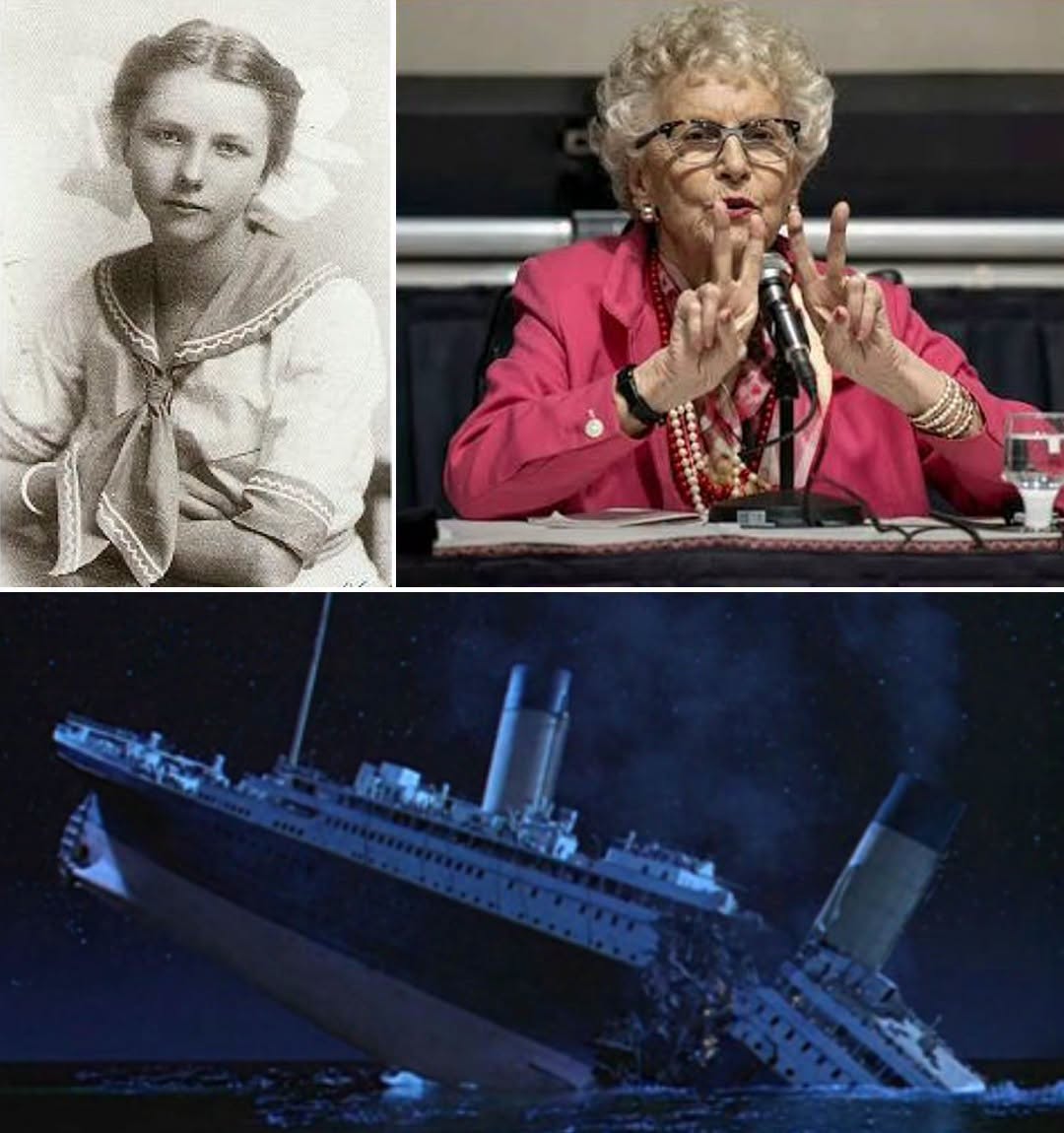
In 1982, an elderly Titanic survivor addressed a room of dedicated historians and enthusiasts with a claim many refused to believe. Ruth Becker Blanchard, who was just twelve years old when she escaped the sinking ocean liner in Lifeboat 13, vividly described watching the ship break apart during its final terrifying moments. Using her fingers to represent the four funnels, she demonstrated how the hull had separated.

An official from the Titanic Historical Society quickly dismissed her account, publicly suggesting she had merely seen a funnel collapse. Yet, Ruth was not misremembering. She had consistently documented this detail as early as 1913, writing that the ship sank low before appearing to break right down the middle. Despite similar claims from other survivors, official consensus insisted the vessel sank intact. Without physical evidence, historians favored theoretical models over eyewitness memory.
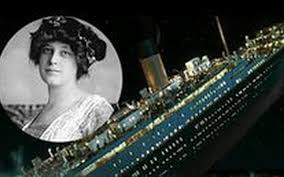
That dynamic shifted on September 1, 1985, when an expedition led by Robert Ballard and Jean-Louis Michel located the wreck over 12,000 feet beneath the North Atlantic. The bow and stern lay far apart on the ocean floor, surrounded by debris. The physical discovery proved what Ruth had maintained for over seven decades: the Titanic had indeed broken apart near the surface.
Ruth lived five more years after the discovery, passing away in 1990 at the age of ninety. Experts had spent decades relying on reconstructions and theoretical models, but Ruth possessed something far more powerful—she was there, and her memory never wavered.