Witney Carson Defends Guillermo Rodriguez After Harsh ‘DWTS’ Scores Spark Ballroom Boos
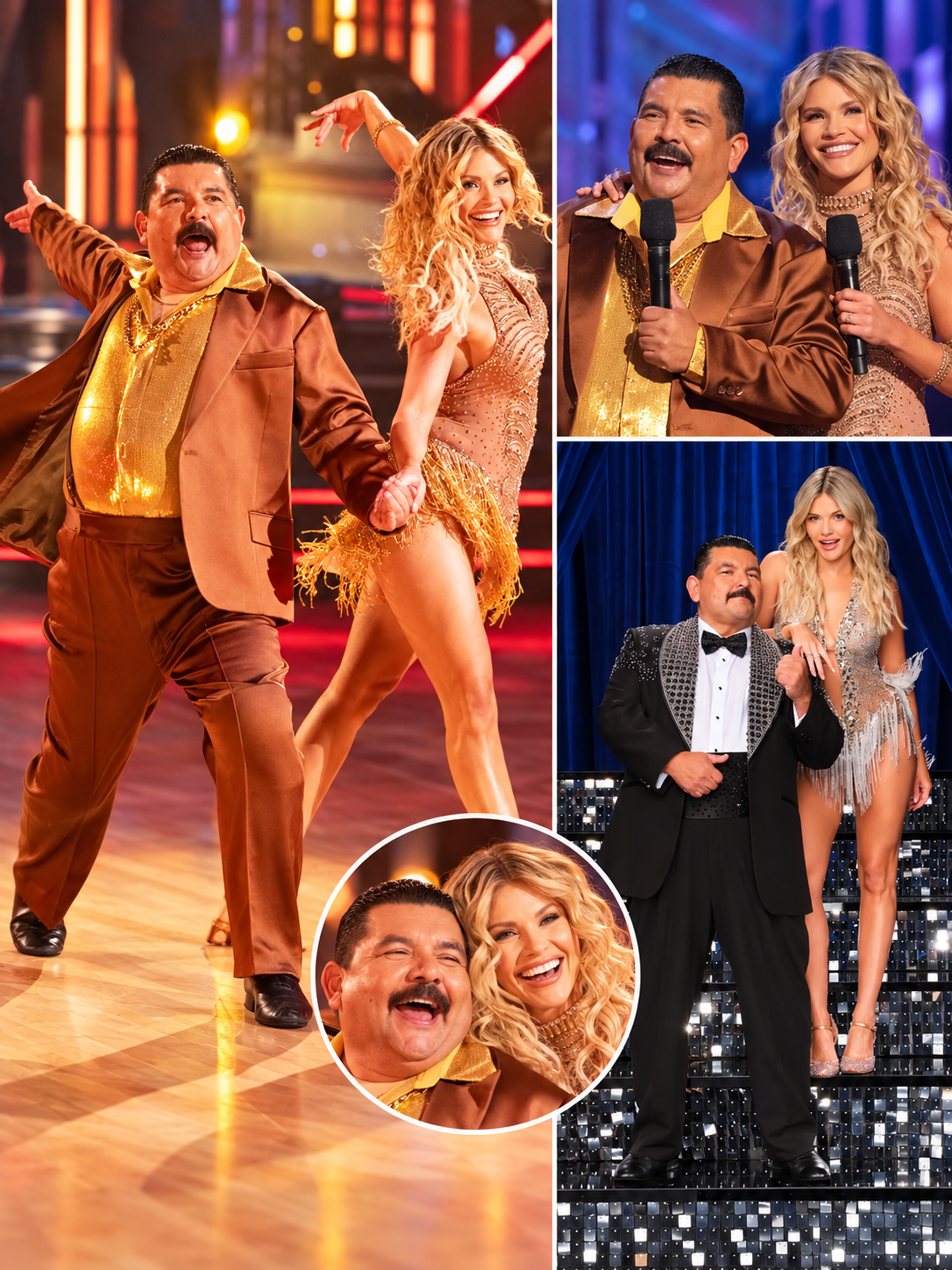
Guillermo Rodriguez walked onto the Dancing with the Stars ballroom floor with no dance background, plenty of nerves and a determination to entertain.
Minutes later, he was staring at a total score of just 10 out of 30.
The reaction inside the ballroom was immediate. As the numbers appeared on the screen following Rodriguez and professional partner Witney Carson’s cha-cha, boos erupted from members of the audience.
Three days later, Carson made it clear that she understood why.
During an appearance with Rodriguez on the official Dancing with the Stars podcast on Sept. 18, Carson pushed back on the especially low scores handed out by judges Derek Hough and Bruno Tonioli. Both men gave Rodriguez a three for his first competitive dance.
Carson agreed that her partner has plenty of technical work ahead of him. But from her perspective, the performance deserved more credit for what Rodriguez actually managed to accomplish during his debut.
“I thought that was a little uncalled for,” Carson said while discussing the threes.
Her argument was simple: Rodriguez was not standing still or giving up. He was attempting the cha-cha, following the choreography and trying to create the proper shapes even while navigating an unfamiliar experience in front of a live audience.
For Carson, that effort mattered.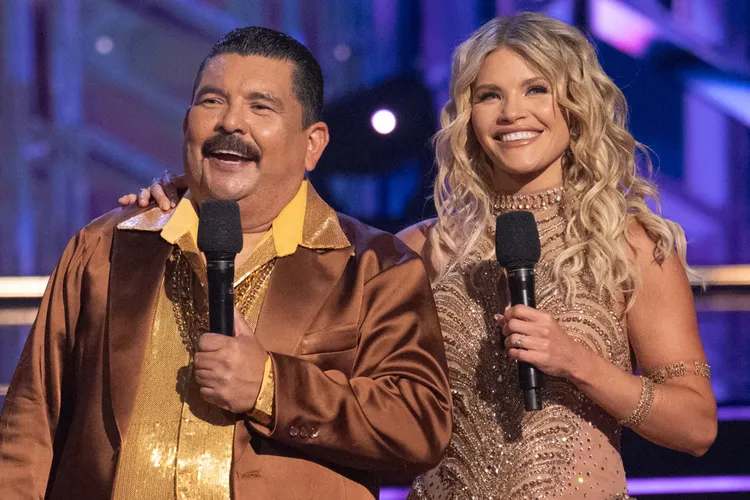
A Difficult First Night in the Ballroom
Rodriguez, 55, and Carson, 32, made their season debut during the Sept. 15 episode in Los Angeles.
Their first assignment was a cha-cha performed to Jean Knight’s 1971 hit “Mr. Big Stuff.”
The routine quickly established what could become the central theme of Rodriguez’s time on the show: technique may not come naturally to him, but performing for an audience appears to.
The judges acknowledged both sides of that equation.
Hough did not pretend the dance was technically polished. He specifically pointed to Rodriguez’s timing and power as areas that needed work.
At the same time, he praised the effort behind the routine.
“Was the technique there? No. Was the effort there? Absolutely,” Hough said.
Tonioli focused on one of the performance’s most memorable moments — Rodriguez’s dramatic body roll. The judge joked that the move had little connection to a traditional cha-cha but predicted that audiences would remember it and that it could go viral.
Carrie Ann Inaba was more openly enthusiastic about the entertainment value of the routine. She described the performance as highly entertaining and noted that Rodriguez’s movements were clearly defined.
Yet when the scores arrived, the overall total remained low: 10 out of a possible 30 points.
The audience’s boos showed that at least some people inside the ballroom believed the numbers did not fully capture what they had just watched.
Carson Says Technique Was Always Going to Take Time
On the podcast, host Andy Richter described the judging as somewhat tough.
Carson agreed.
She did not argue that Rodriguez had delivered a technically strong cha-cha. In fact, she said they had expected judges to identify technical weaknesses because those were areas they already knew would require improvement.
What bothered her was the severity of the threes.
Rodriguez had been moving through the choreography, attempting the necessary lines and genuinely trying to dance the style rather than simply relying on comedy or personality, she explained.
At the same time, Carson said she appreciated the substance of the judges’ comments.
Technical issues can be corrected through rehearsal, she suggested. What cannot always be taught as easily is a performer’s ability to connect with an audience.
That is where she believes Rodriguez has an advantage.
Carson described her partner as a regular person without previous dance experience who wants to perform for people and give them an enjoyable moment.
That attitude has apparently become part of his reputation away from the cameras as well.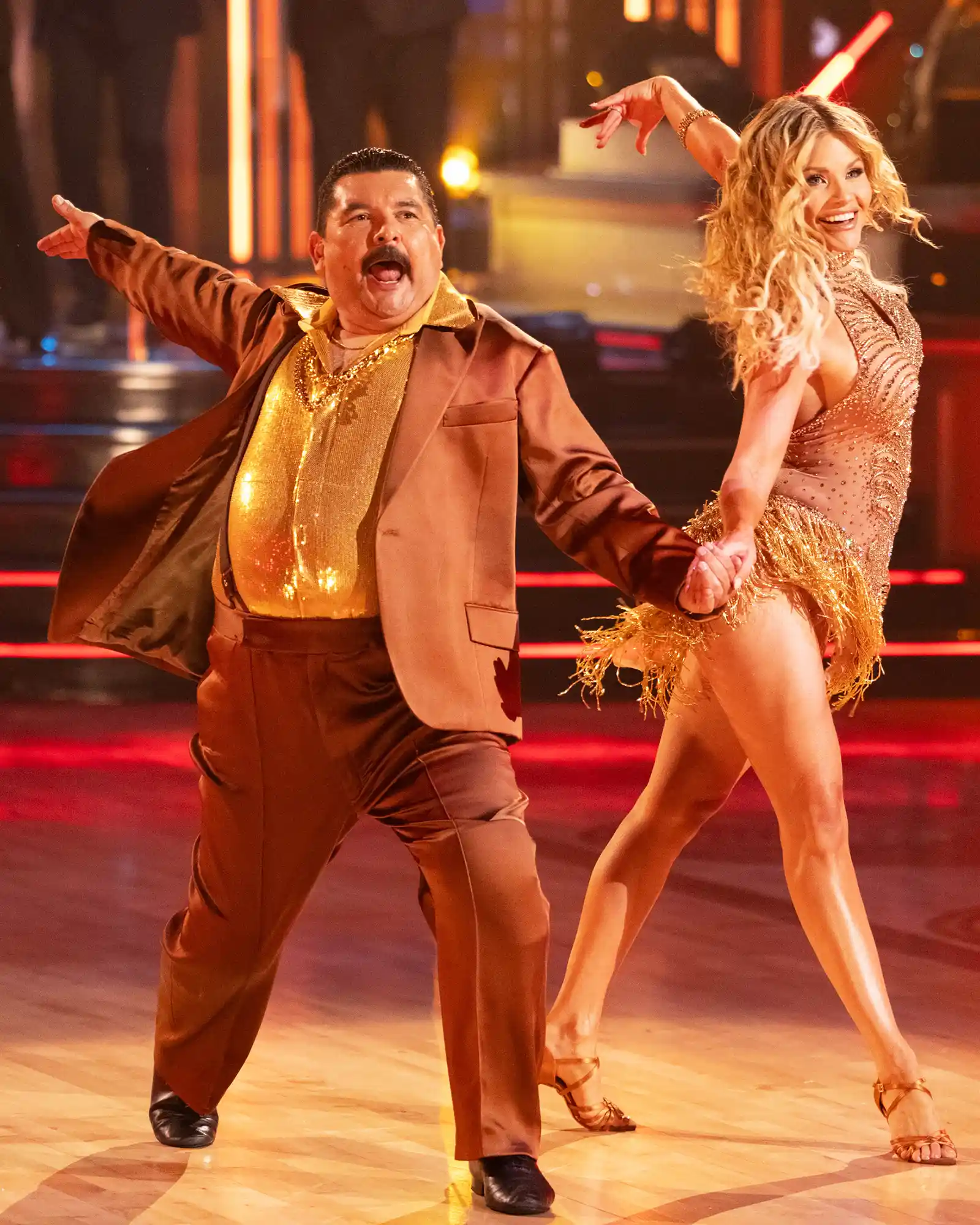
Rodriguez Has Become a Favorite Behind the Scenes
According to Carson, Rodriguez has quickly won over many of the people working on Dancing with the Stars.
She described him as one of the most loved members of the cast among producers, crew members and others working behind the scenes.
His popularity, she said, comes from the way he treats people.
Rodriguez regularly goes out of his way to greet those around him, including employees performing everyday jobs on the production. Carson specifically noted his habit of saying hello to people opening doors or sweeping floors.
Those small interactions have apparently made an impression.
For Rodriguez, the reaction from viewers and the live ballroom crowd has also been surprising.
After finishing the cha-cha, he was struck by the volume of the audience response.
He later described the reaction as “crazy,” saying the crowd became extremely enthusiastic once the dance ended.
That support offered a sharp contrast to the judges’ numbers.
The judges saw a performance that needed significant technical improvement. The audience appeared to see an inexperienced contestant throwing himself into something completely outside his comfort zone.
Both things can be true at the same time.
No More Threes
Rodriguez is not treating the disappointing score as a reason to retreat.
Instead, he appears to be using it as motivation.
During the podcast conversation, he said he intends to practice harder before his next performance.
“I don’t wanna get a three,” he admitted.
His next challenge will not necessarily make that goal easy.
Rodriguez and Carson are preparing for a Paso Doble, a style that Rodriguez already expects to be faster and more demanding than his opening cha-cha.
After the premiere, he said he knew he would need to work especially hard because of the difficulty of the upcoming routine.
Carson responded with a playful warning of her own: no more snack breaks.
The exchange reflected the unusual dynamic that could define their partnership. Carson is a seasoned professional who understands exactly what competitive ballroom dancing demands. Rodriguez is beginning from a very different place, without the technical foundation that some contestants bring into the show.
That leaves them with a straightforward challenge.
They must turn enthusiasm into improvement quickly enough to remain competitive.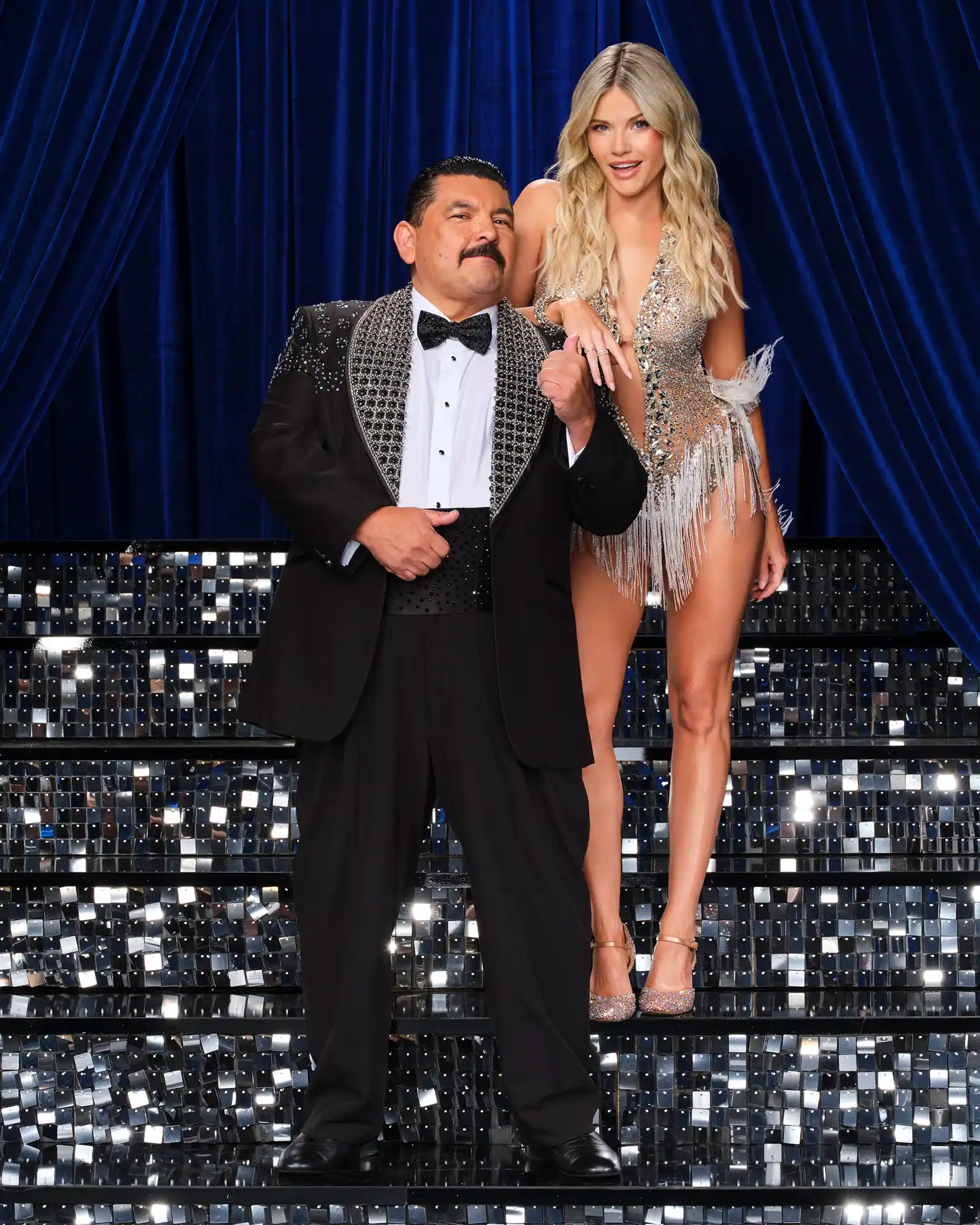
The Score May Have Created a Bigger Story
Ironically, the harsh opening scores may have given Rodriguez something valuable: a clear narrative heading into his second performance.
He now knows exactly where the judges believe he needs to improve.
Timing.
Power.
Technique.
He also knows that the crowd is willing to support him while he learns.
Carson’s defense of her partner was not based on the idea that his debut was flawless. She openly acknowledged that the dancing needs work.
Her frustration came from the gap between acknowledging those flaws and reducing the performance to scores as low as three.
To Carson, Rodriguez showed something important during the premiere even if the dance itself was imperfect.
He committed.
He moved.
He tried to perform the cha-cha.
And, perhaps most importantly for an entertainment competition, he gave the audience something memorable.
Rodriguez now faces the harder part: proving that the enthusiasm surrounding his debut can be matched by visible progress.
The Paso Doble will offer that opportunity.
If he can combine the personality that has already made him popular with cleaner timing, stronger movement and more confidence, the next set of numbers could look very different.
For now, however, one thing appears certain.
Rodriguez remembers those threes — and he has no intention of seeing them again.