Patrick Clancy Describes the Moment He Realized Lindsay’s Mental Health Crisis Was Becoming Severe
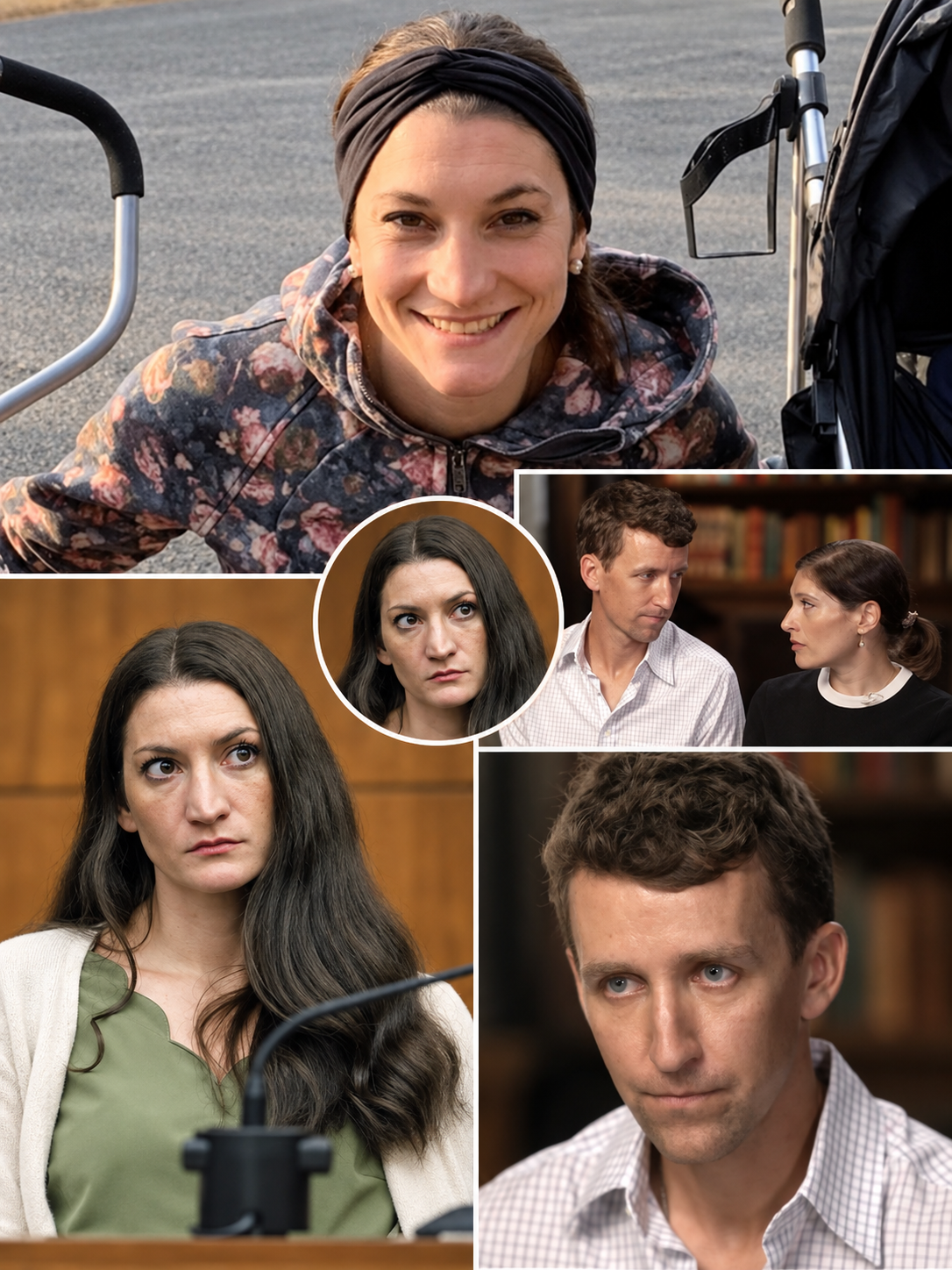
Months before the deaths of his three young children, Patrick Clancy began noticing that something had changed dramatically in his then-wife, Lindsay Clancy.
The warning sign that stayed with him was sleep.
In the fall of 2022, when the couple’s youngest child, Callan, was about five months old, Lindsay began going through nights with little or no rest. One morning, she came downstairs and told Patrick she had not slept at all.
His immediate response was practical and caring. He offered to handle getting the children to school so she could stay home and try to catch up on sleep.
At the time, Patrick did not yet understand how serious her condition would become.
Looking back nearly four years later, he described that period as the beginning of his realization that Lindsay was “really struggling” with her mental health.
The months that followed would bring worsening symptoms, psychiatric treatment and, ultimately, an unimaginable tragedy that took the lives of the couple’s three children — Cora, Dawson and Callan.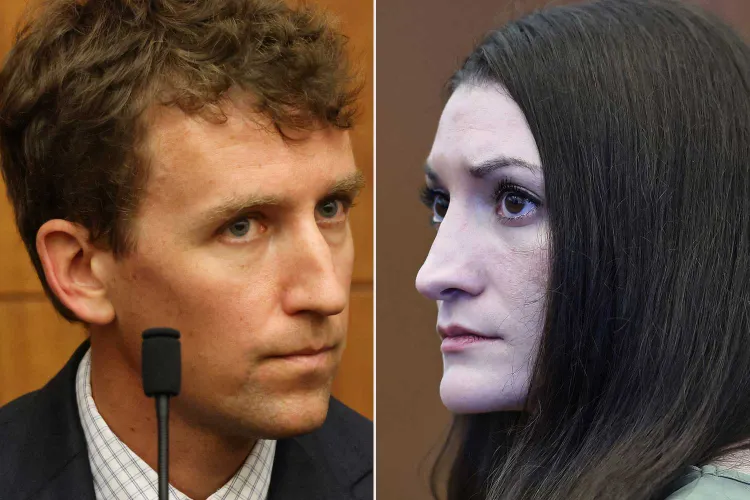
A Family Crisis That Deepened Through Late 2022
Patrick discussed the months leading up to the tragedy during an interview that aired on Sept. 20, 2026.
He recalled that Lindsay’s condition appeared to deteriorate significantly toward the end of 2022.
By December, he said, the situation had become especially difficult.
Lindsay was dealing with an extreme lack of sleep, serious depression and intrusive thoughts. Patrick described December as her lowest period, saying the month became a major struggle for her.
Eventually, the crisis reached a point where she sought hospital treatment.
At the end of December 2022, Lindsay went to the hospital. Then, on New Year’s Day 2023, she entered an inpatient program at McLean Hospital for treatment connected to her postpartum mental health.
For Patrick, the severity of what was happening was difficult to fully recognize while the family was living through it.
He has since acknowledged that he knew very little at the time about postpartum mental illness.
He understood, in a general way, what severe anxiety or depression might feel like. What he did not understand was how postpartum psychiatric illness could present itself, how rapidly it could escalate or how a family should respond to it.
“I didn’t know how to manage a postpartum illness,” Patrick said while reflecting on that period.
He also described mental illness as capable of being tragically deceptive, acknowledging that there may have been signs he failed to recognize.
Weeks After Treatment, the Family Was Shattered
Later in January 2023, only weeks after Lindsay entered inpatient treatment, the Clancy family suffered the event that would permanently change every aspect of their lives.
Lindsay killed the couple’s three children inside their home in Duxbury, Massachusetts.
Cora was 5. Dawson was 3. Callan was still an infant.
Afterward, Lindsay jumped from a second-story window in what was described as a suicide attempt.
Patrick returned home and encountered the devastating scene.
The deaths later became the center of a closely watched criminal case, with both sides agreeing on what Lindsay had done but strongly disagreeing over her mental state and criminal responsibility at the time.
Her defense has maintained that Lindsay was experiencing postpartum psychosis and should not be found guilty of murder because she lacked criminal responsibility.
Her attorney, Kevin Reddington, has argued that Lindsay had been seeking psychiatric help for months following Callan’s birth.
Prosecutors have challenged that interpretation. They have argued that Lindsay deliberately strangled the children and should be held criminally responsible for their deaths.
That conflict became the central issue during her murder trial.
Patrick’s Testimony Became Part of the Case
Patrick testified during the proceedings, bringing his memories of Lindsay’s decline and the family’s final months together into the courtroom.
His account offered jurors a window into what life inside the Clancy household had looked like before the killings.
Among the details he later emphasized was how unfamiliar he had been with postpartum mental illness before losing his children.
His reflections did not present him as someone who understood the full scope of what was happening at the time.
Instead, he described a husband witnessing symptoms — insomnia, depression and intrusive thoughts — without fully understanding where they could lead.
That uncertainty has become one of the most emotionally difficult elements surrounding the case.
Patrick now looks backward with knowledge he did not have in late 2022.
The sleepless night that initially seemed like something that might be helped by taking the children to school was, in retrospect, part of a much larger mental health crisis.
Trial Ends Without a Verdict
Lindsay’s trial lasted more than a month but did not produce a unanimous verdict.
On Sept. 4, 2026, Judge William Sullivan declared a mistrial after jurors were unable to reach an agreement.
Several jurors later said the panel had been divided 11-1 in favor of finding Lindsay not guilty because of a lack of criminal responsibility.
The disagreement reflected the central question jurors had been asked to confront: not whether Lindsay caused the children’s deaths, but whether her psychiatric condition left her legally responsible for what she did.
At least one juror reached a different conclusion from the rest of the panel, preventing a unanimous decision.
As of the Sept. 20 interview, prosecutors had not announced whether they would try the case again.
Lindsay remained in custody at Tewksbury Hospital.
Looking Back at the Signs He Did Not Understand
For Patrick, however, the legal arguments exist alongside something far more personal: memories of the months before his children died.
His description of Lindsay’s mental health decline begins not with the courtroom, but with ordinary moments inside their home.
A mother unable to sleep.
A husband offering to take care of the morning routine.
A family attempting to respond to symptoms whose seriousness was not yet fully understood.
By December 2022, Patrick knew Lindsay was in profound distress. She was sleeping very little, suffering from deep depression and experiencing intrusive thoughts. Hospitalization and inpatient treatment followed.
What he did not know was how the crisis would end.
Years later, Patrick’s recollection of those early warning signs offers a painful view of a family trying to navigate a psychiatric emergency before tragedy transformed their lives.
His memories also reveal how differently those same moments can appear in hindsight.
What once seemed like exhaustion after childbirth became, in Patrick’s telling, one of the first signs that Lindsay was entering a severe mental health struggle — a struggle that would later become central to a murder trial, divide a jury and leave unanswered legal questions long after the Clancy children were gone.