Presley Gerber’s Death at 27 Under Investigation as Police Examine Suspected Overdose
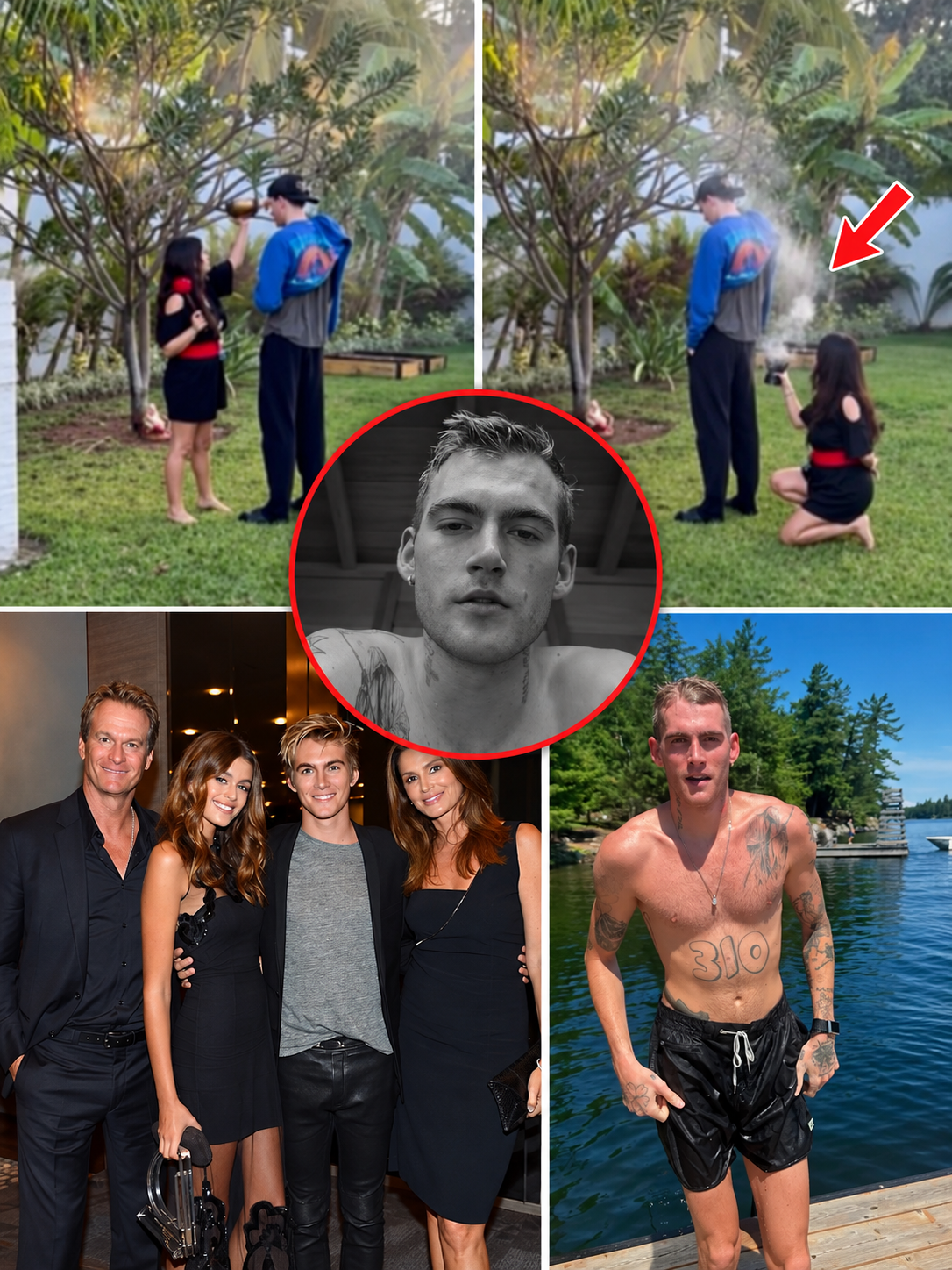
Presley Gerber’s death at a rehabilitation facility has become the subject of an active police investigation after authorities said they are examining the possibility that the 27-year-old model died from a suspected drug overdose.
Gerber, the eldest child and only son of supermodel Cindy Crawford and businessman Rande Gerber, died on Sunday, September 20, while staying at a rehabilitation facility in the Los Angeles area.
Santa Monica police were called to the facility at approximately 9:35 a.m. after an emergency involving an unresponsive person.
Officers who arrived at the scene found Gerber unconscious and attempted life-saving measures. He was ultimately pronounced dead there.
Police later confirmed that detectives were investigating the death as a suspected overdose.
At this stage, investigators have said there is no indication that foul play was involved.
The official cause of Gerber’s death has not yet been released, leaving the medical findings as one of the most significant unanswered questions surrounding his final hours.
Authorities Focus on What Happened Inside the Facility
The fact that Gerber died while at a rehabilitation facility has placed particular attention on the circumstances immediately preceding the emergency call.
According to police, investigators are working to understand what happened before officers were summoned Sunday morning.
The suspected-overdose investigation does not by itself establish a final cause of death. That determination will come through the Los Angeles County medical examiner after the necessary examinations and testing are completed.
For now, police have described the case in preliminary terms while making clear that investigators have not found evidence suggesting that someone intentionally harmed Gerber.
His death came suddenly and at an age when much of his life and career still appeared to be ahead of him.
The loss has also drawn renewed attention to Gerber’s previous openness about the personal difficulties he experienced away from the fashion campaigns, celebrity events and famous family photographs that defined much of his public image.
The Gerber Family Asks for Privacy
Presley was part of one of the most recognizable families in fashion.
His mother, Cindy Crawford, became one of the defining supermodels of her generation. His father, Rande Gerber, built a successful business career, while his younger sister, Kaia Gerber, followed her mother into modeling and later expanded into acting.
Following Presley’s death, a representative for the family confirmed the devastating news and asked that Cindy, Rande and Kaia be given privacy during what the family described as an extremely difficult and painful period.
The request came as questions about the circumstances of Presley’s death continued to spread.
For his family, however, the investigation represents only one part of an intensely personal loss.
Presley was not simply a public figure or the son of famous parents. He was a brother and son whose struggles had increasingly become part of the family’s private and public life.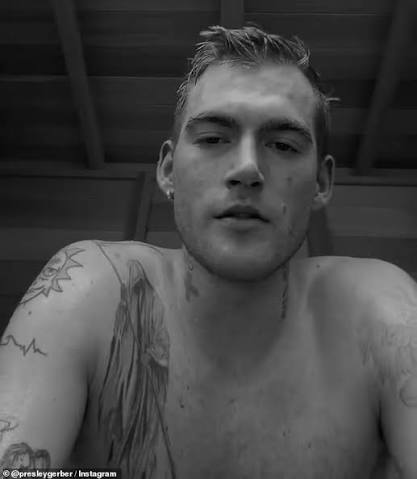
A Modeling Career That Began in a Famous Family
Like Cindy and Kaia, Presley worked professionally as a model.
He appeared in campaigns and runway shows for internationally known fashion houses, including Calvin Klein, Burberry and Dolce & Gabbana.
His career placed him in the same industry that had made his mother famous decades earlier.
With his recognizable family name and distinctive appearance, Presley quickly became part of the younger generation of celebrity models whose personal lives often attracted almost as much attention as their professional work.
But over time, Presley’s public story became about more than fashion.
He began speaking about struggles involving substance abuse and mental health, offering glimpses of a more complicated life behind the polished images.
Those admissions gradually became an important part of how he presented himself publicly.
Presley Had Spoken About His Personal Struggles
In the years before his death, Presley acknowledged difficulties involving both addiction and mental health.
His willingness to discuss those experiences created a stark contrast with the glamorous environment in which he had grown up.
From the outside, Presley had access to wealth, celebrity connections and opportunities within one of the world’s most prominent creative industries.
His own comments, however, showed that those advantages did not protect him from personal struggles.
Rather than completely hiding those experiences, he increasingly spoke about them openly.
That history has taken on added significance because of where Presley was when he died.
He was inside a rehabilitation facility — a place associated with treatment and recovery — when the emergency unfolded Sunday morning.
Police are now attempting to determine whether a drug overdose was responsible.
Until medical officials complete their work, however, the exact substance or medical chain of events involved remains unresolved.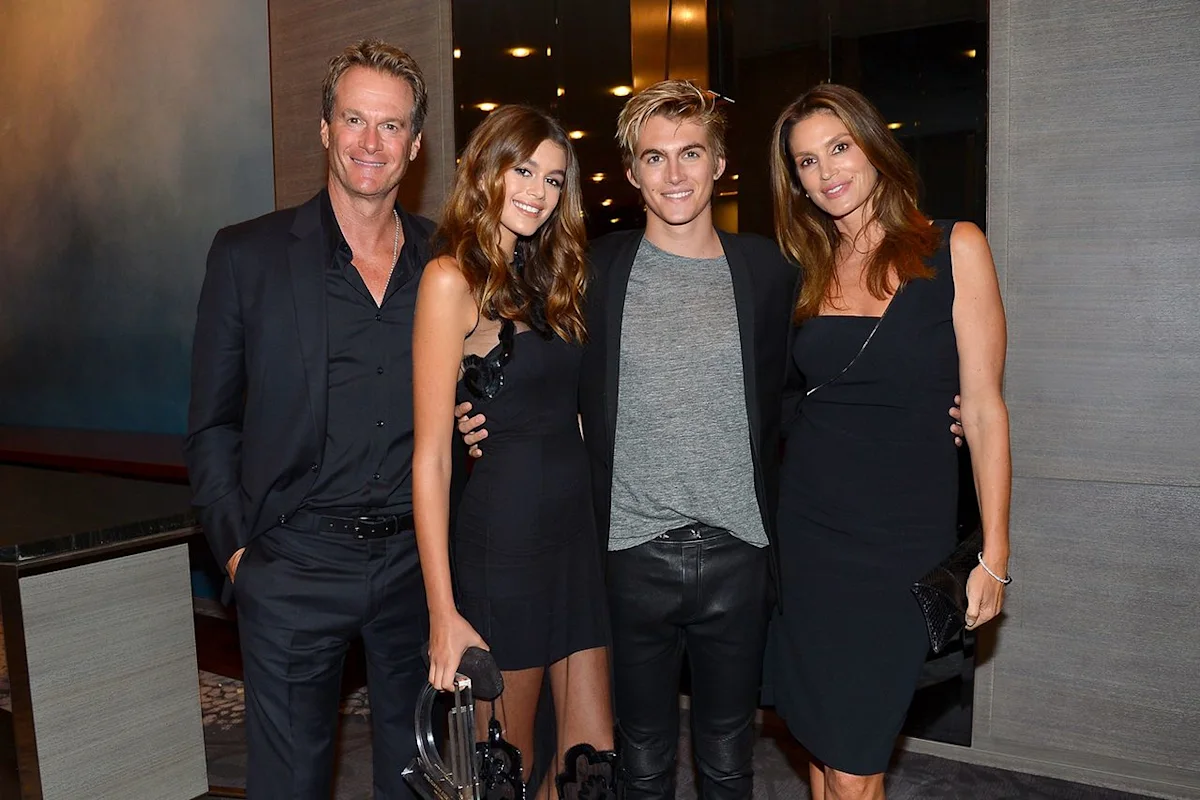
No Evidence of Foul Play
One of the clearest pieces of information released by police concerns what investigators have not found.
Authorities said there was currently no indication of foul play.
That distinction is important as detectives continue examining the suspected overdose.
A sudden death in a treatment facility can generate immediate questions about who was present, what occurred beforehand and whether another person played a role.
So far, investigators have not suggested that Gerber was deliberately harmed.
Instead, the investigation remains centered on the possibility of an overdose and the circumstances surrounding his death.
The medical examiner will ultimately determine the official cause and manner of death.
Until then, the police investigation and medical examination are moving along separate but connected tracks: investigators are reconstructing what occurred, while medical experts work to establish what physically caused Gerber to die.
A Public Life With a Painful Private Side
Presley’s death has inevitably brought renewed focus to the struggles he had previously described.
For many people who knew him only through modeling photographs or appearances with Cindy, Rande and Kaia, his life could easily have seemed shaped by opportunity.
Yet his own story was more complicated.
He had openly confronted issues involving substance use and emotional health and had reached a point where rehabilitation had become part of his life.
His death at 27 underscores the distance that can exist between a person’s public image and the battles taking place away from cameras.
That contrast is especially powerful in Presley’s case because so much of his life had been documented visually.
He grew up around fashion, celebrity and media attention. He eventually entered modeling himself, appearing in luxury campaigns and sharing red carpets with members of his family.
But the final chapter of his life unfolded far from a runway.
Instead, emergency responders were called to a rehabilitation facility on a Sunday morning, where efforts to save him were unsuccessful.
The Central Question Remains Unanswered
Police have now provided an initial framework for understanding what happened: Presley was found unresponsive at the facility, emergency measures were attempted, and detectives are investigating the death as a suspected overdose.
They have also said there is no current evidence of foul play.
What remains unknown is the final medical explanation.
That answer will depend on the medical examiner’s findings, which could clarify exactly what substances or medical complications were involved.
Until those results are available, Presley Gerber’s death remains under investigation.
For Cindy Crawford, Rande Gerber and Kaia Gerber, meanwhile, the official process continues alongside something far more personal — the loss of a 27-year-old son and brother whose life included both extraordinary public opportunities and deeply private struggles.
The investigation may eventually explain precisely how Presley died.
For his family, however, that answer will exist alongside the much larger memory of the person they lost.