Hope Rises for Aarav and Arjun as Orissa Twins Move Toward Life-Changing Medical Evaluation in New Delhi
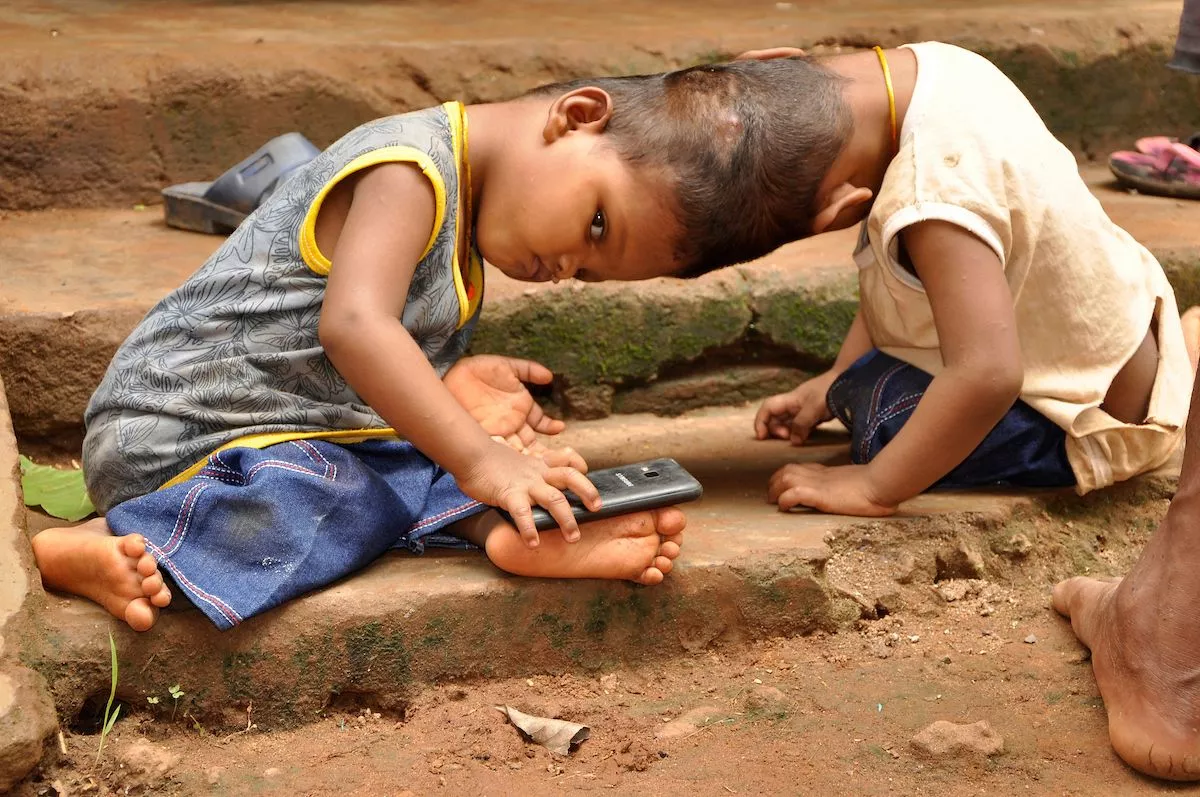
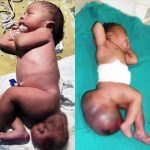
Two-year-old boys Aarav and Arjun, born with separate brains but fused skulls, are preparing for the next stage of medical assessment after the Orissa state government announced support for their case. The twins, from Kandhamal district in eastern India, have been living with a rare condition since birth, one that their parents had no prior knowledge of until the day they arrived.
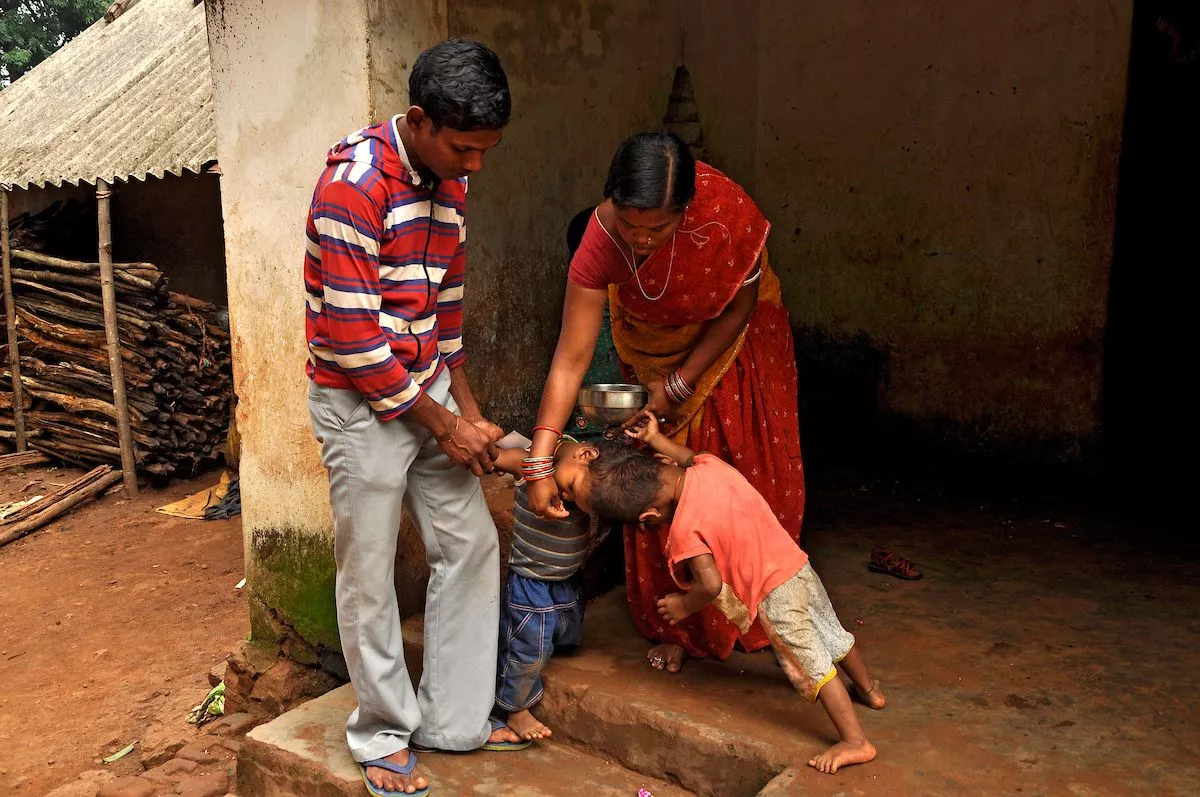
Their mother, Pushpanjali Kanhar, 25, said she was unaware she was expecting conjoined twins until doctors placed them in her arms. “It was sh0cking. I had no idea I was carrying two children, let alone children joined at the head,” she explained.
Since the birth of the boys, the family has faced financial difficulty in finding treatment that could one day allow the children to live independently. Their father, Bhuan, works as a farmer and earns just enough to support the household. As specialist care remained out of reach, the couple slowly lost hope of accessing the complex surgery required.
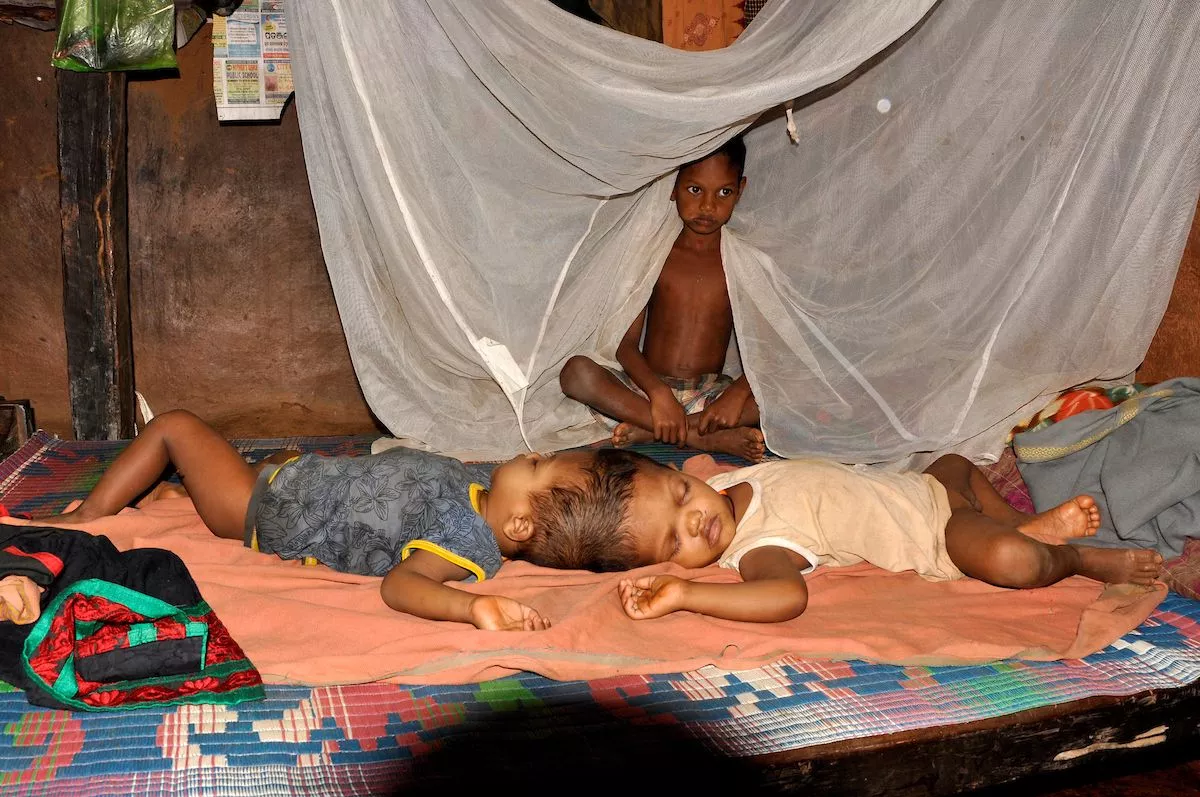
“I tried for months to find help,” Bhuan said. “But every door we knocked on had costs we couldn’t manage. Watching them grow without treatment has been painful.”
Now, with government assistance confirmed, the family is expected to travel to the All India Institute of Medical Sciences (AIIMS) in New Delhi, where doctors will evaluate whether separation surgery is possible.
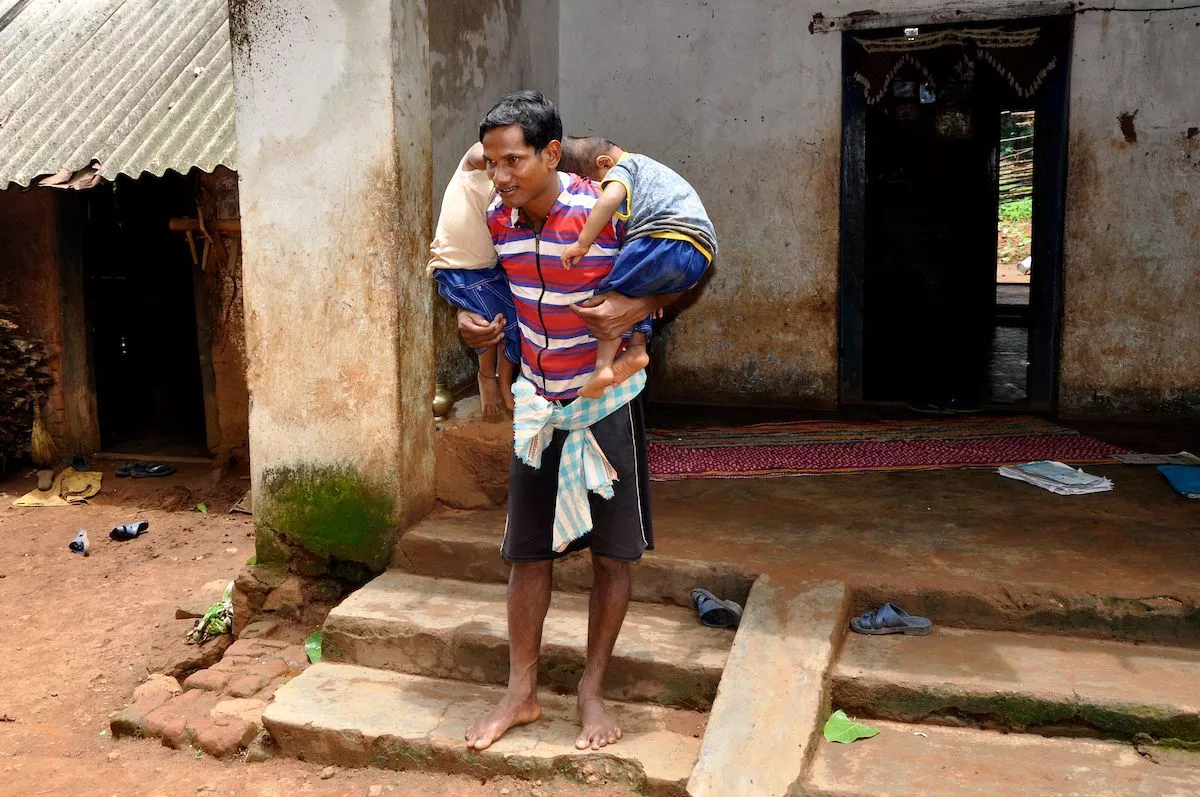
Dr. Swapneshwar Gadnayak, Director of Health in the district, stated that the boys’ case requires detailed review. He explained that the children are classed as conjoined twins because they have two functioning brains but are physically connected at the skull. “There have been successful surgeries in similar cases,” he said. “But we must examine the level of shared blood vessels and tissue. Only then can feasibility be confirmed.”
Conjoined twins remain extremely uncommon, with only one case per 2.5 million births worldwide. Even when they survive birth, the chance of long-term health without surgical separation is considered low.
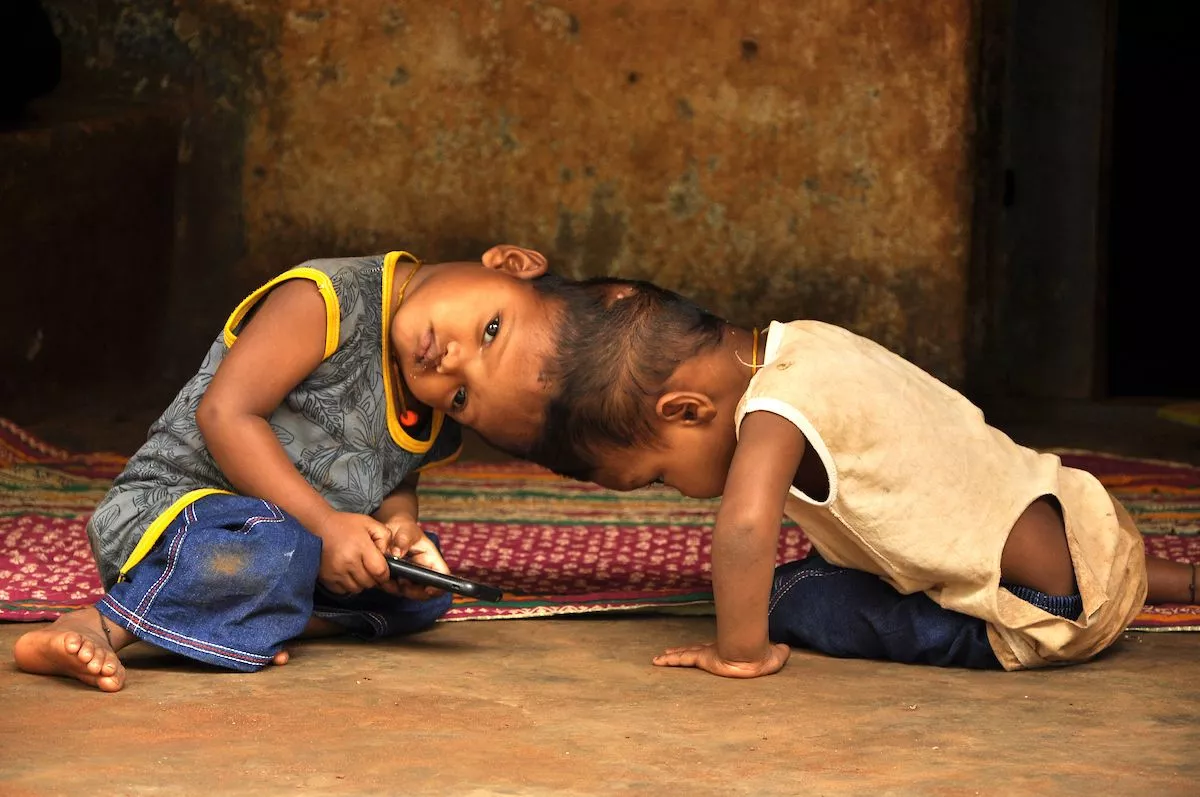
The Kanhar family has two older sons, Ajit and Dakhiya, who are healthy. Pushpanjali said she dreams of seeing all four children playing together one day. “I want Aarav and Arjun to live the same way their brothers do,” she shared. “I want them to go to school, make friends, and have their own lives. They may speak only a few words, but I see hope in them every day.”
Doctors in New Delhi will review scans and data collected so far to determine risk and surgical strategy. Specialists have warned that, if surgery proceeds, the operation would be extremely complex and could affect development for one or both children.
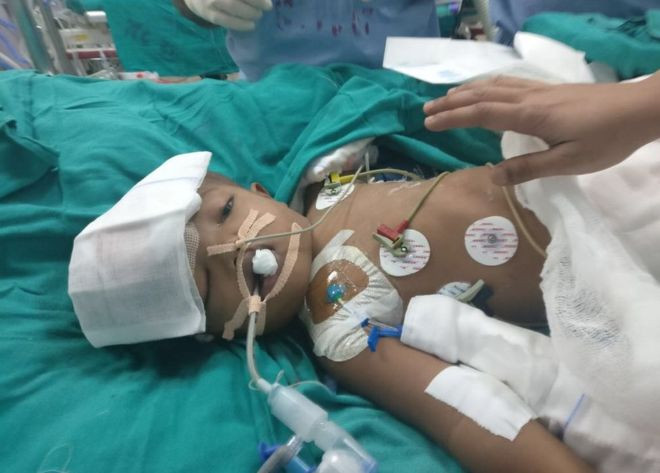
“The possibility exists, but we must proceed with caution,” Dr. Swapneshwar added. “This type of operation demands careful planning and multiple procedures.”
The twins’ parents say they understand the risks but believe this evaluation is their chance to move forward. “We are ready to try,” Bhuan said. “If there is any path that gives them the life they deserve, we will follow it.”
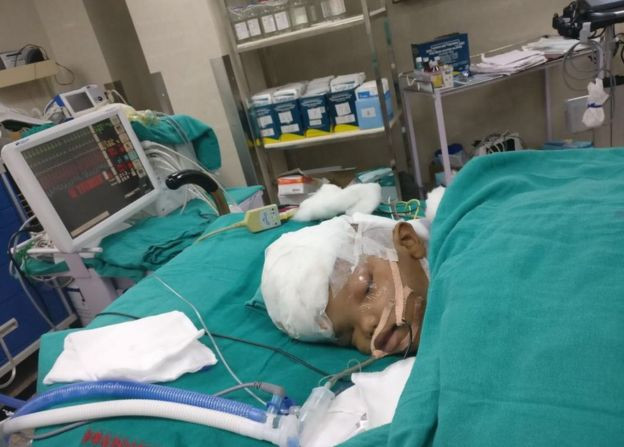
As the medical team prepares to study the case, the family waits with cautious hope — believing that science, planning, and support may offer Aarav and Arjun a future beyond their shared condition.