Rare Craniopagus Twins Successfully Separated After High-Risk Surgery
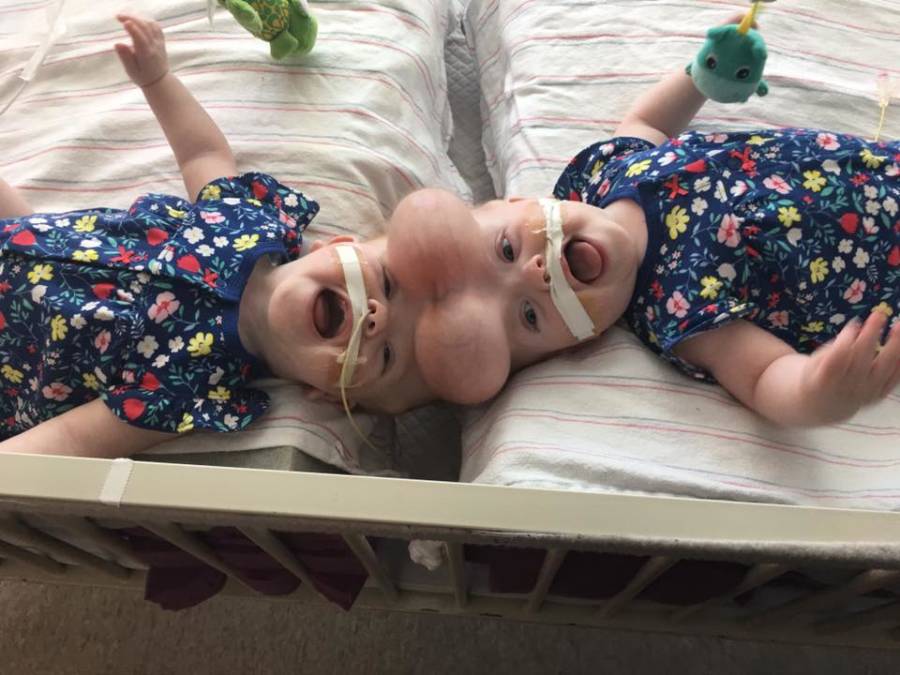
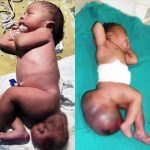
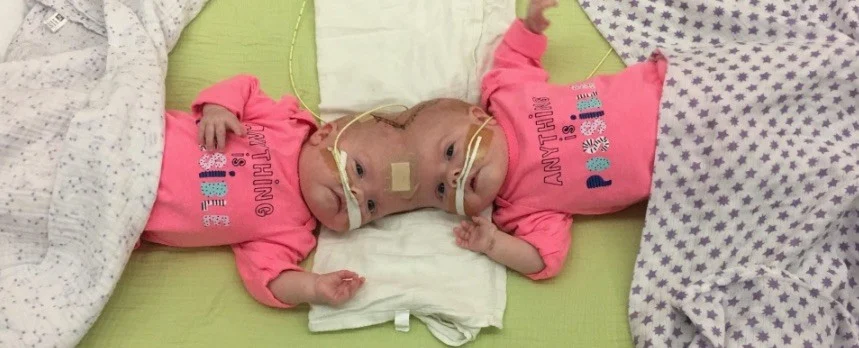
Two sisters from North Carolina, once physically joined at the skull, are now living independently following a complex surgical procedure. The children, named Aria and Elise Delaney in this report, were craniopagus twins—a condition so uncommon it occurs in about one out of every 2.5 million births worldwide.
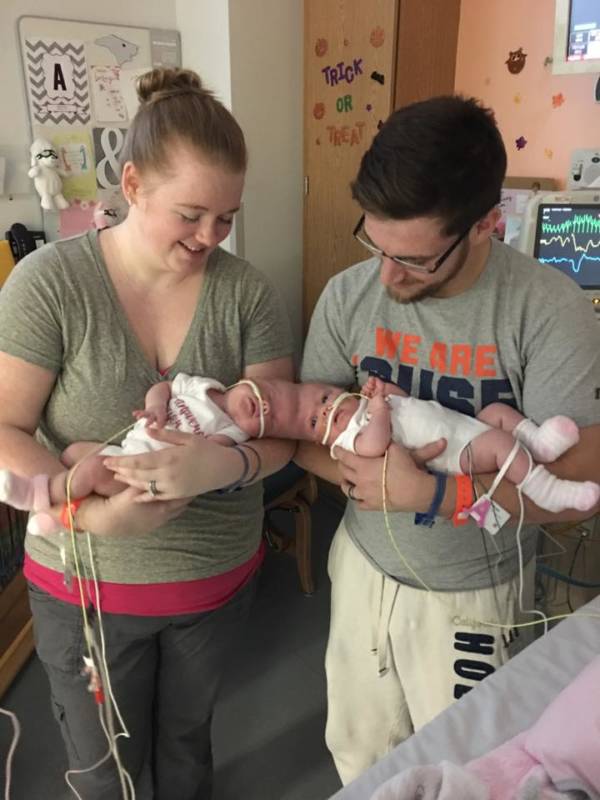
Born ten weeks premature, the girls faced overwhelming odds. Many craniopagus twins do not survive childbirth, and among those who do, the risks surrounding separation surgery are extremely high. Early on, medical teams warned their parents, Heather and Riley Delaney, that the outcome could cost one or both children their lives.
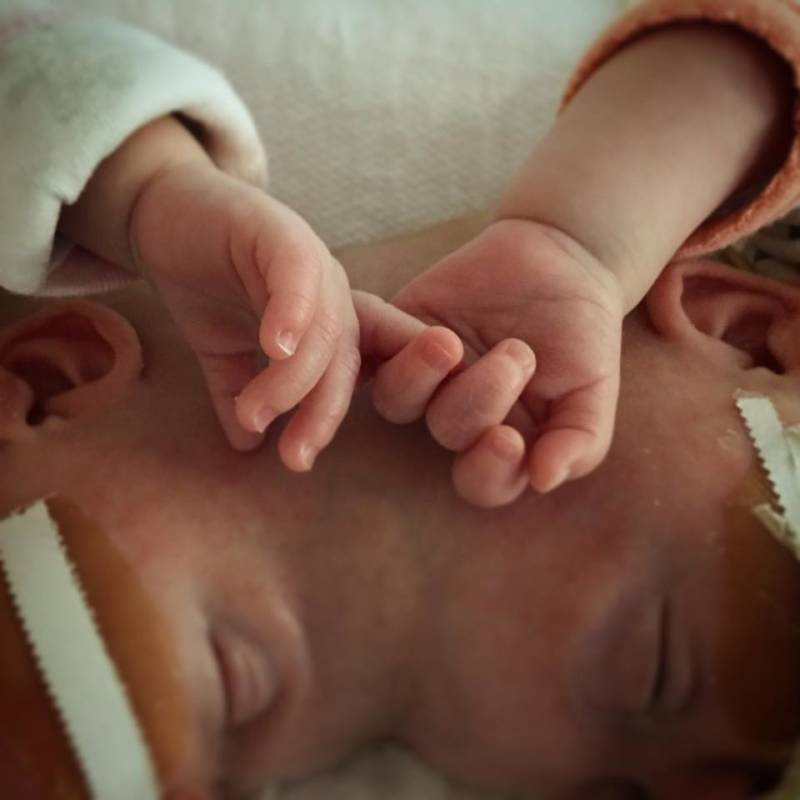
The twins were delivered by C–section at the Children’s Hospital of Philadelphia, each weighing barely two pounds. From birth until their separation, Aria and Elise lived in the neonatal intensive care unit while specialists studied every detail of their connection. Their skulls and blood vessels were fused, making surgery both urgent and highly dangerous.
After months of preparation, a team of surgeons, nurses, and critical care staff spent more than 11 hours operating to separate the two sisters. Medical experts explained that one child shared a crucial vein system more fully than the other, creating a medical imbalance. The family learned this only after the procedure had begun, adding emotional pressure to an already tense situation.
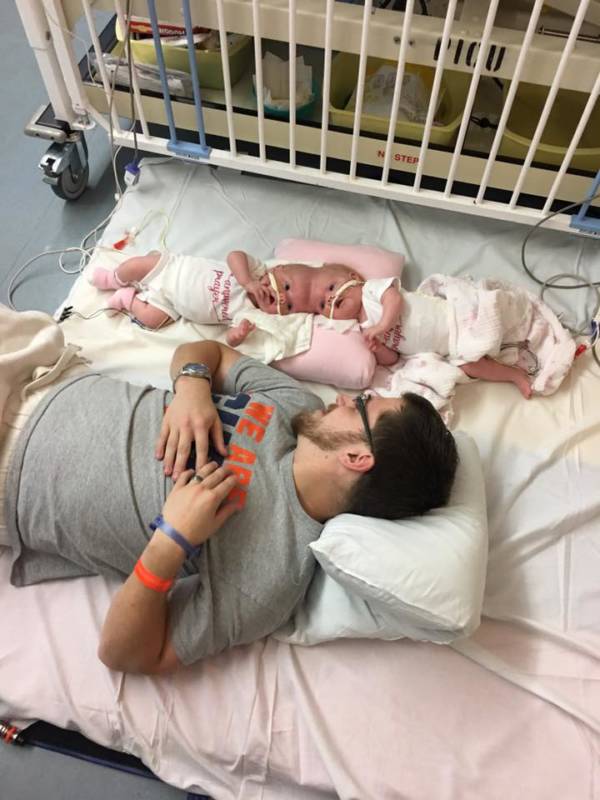
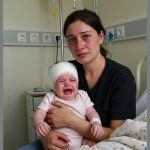
Heather later described the experience as “the most frightening moment of my life,” recalling the hours spent waiting for news from the operating room. “I remember sitting there thinking, I just want both of them to open their eyes again,” she said.
Her husband Riley expressed similar emotion: “We knew the risks. But they’re our daughters. We had to believe in them,” he stated. “To see them alive after surgery—it still doesn’t feel real.”
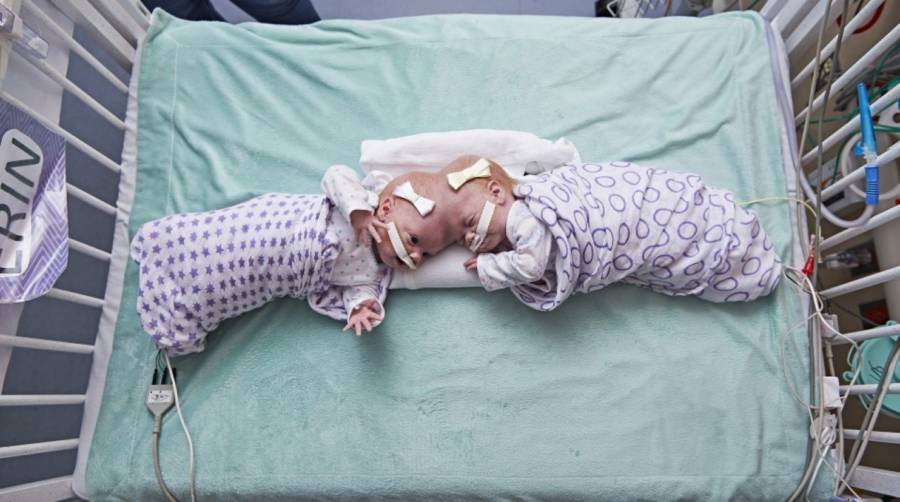
Following the procedure, Aria and Elise were placed in medically induced comas to help their brains adjust. Elise recovered more quickly, while Aria faced a longer list of complications, including bleeding and infections that required ongoing care.
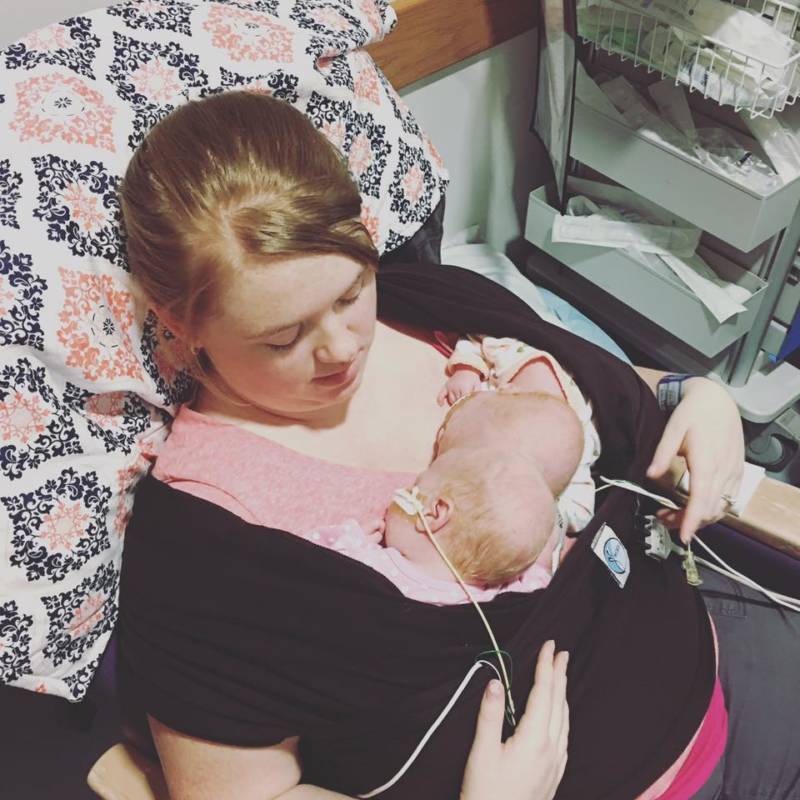
Heather said she felt torn between celebration and worry when she first saw the girls lying in separate hospital beds. “I stood in the center of their room looking at two beds instead of one,” she wrote. “I realized everything had changed. Before, I could read them a story at the same time. Now I have to split myself between two children.”
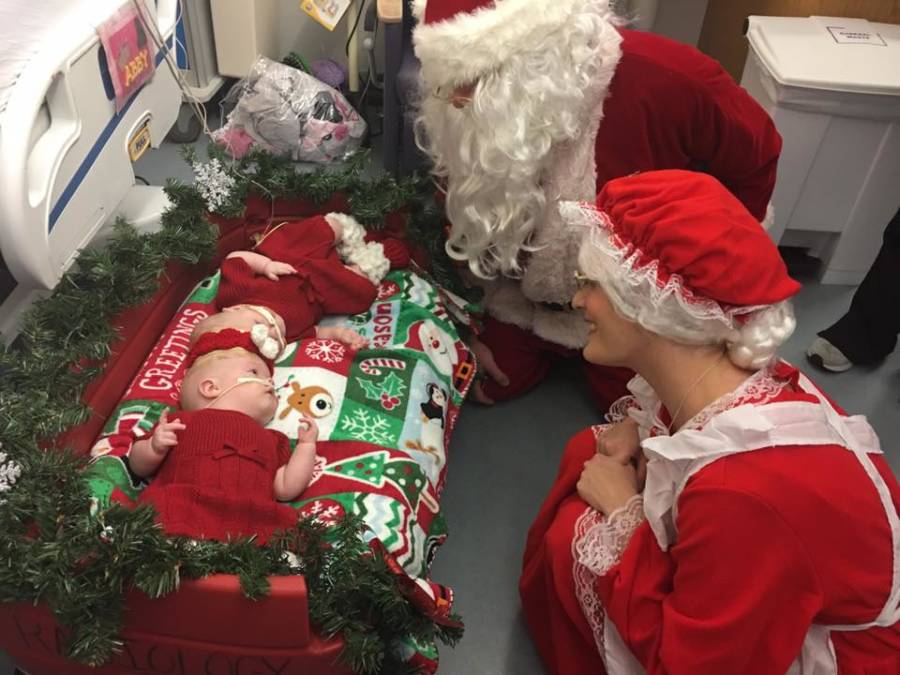
The sisters have since returned home to North Carolina, where they continue intensive developmental therapy several times a week. Elise has begun crawling and is showing early speech development, while Aria is steadily working to strengthen her mobility. Their therapists are also teaching them how to eat independently, replacing feeding tubes that were once necessary.
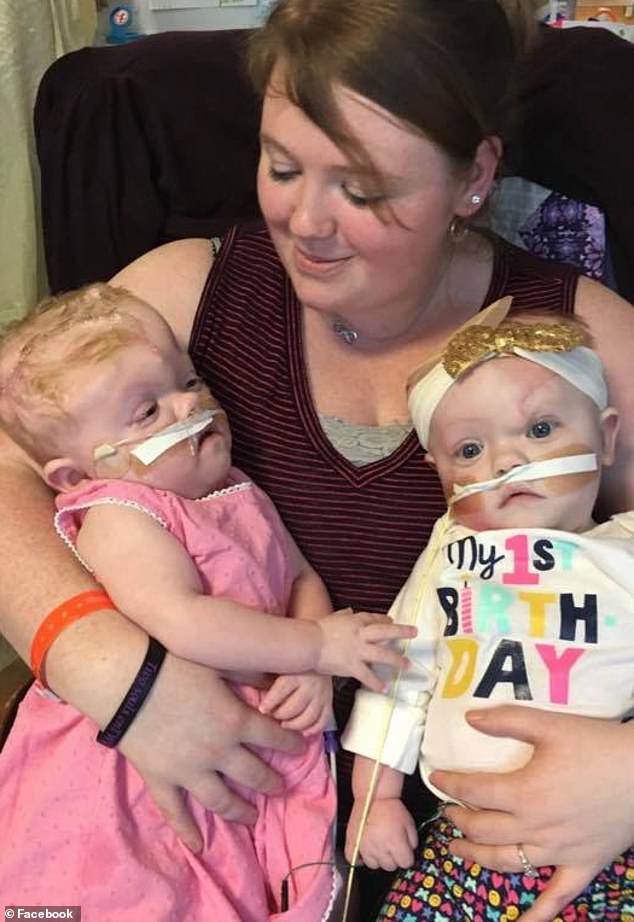
Riley reflected on their progress: “Every new movement, every sound—it feels historic in our home. They’re learning to be separate people, and we’re learning how to raise them that way.”
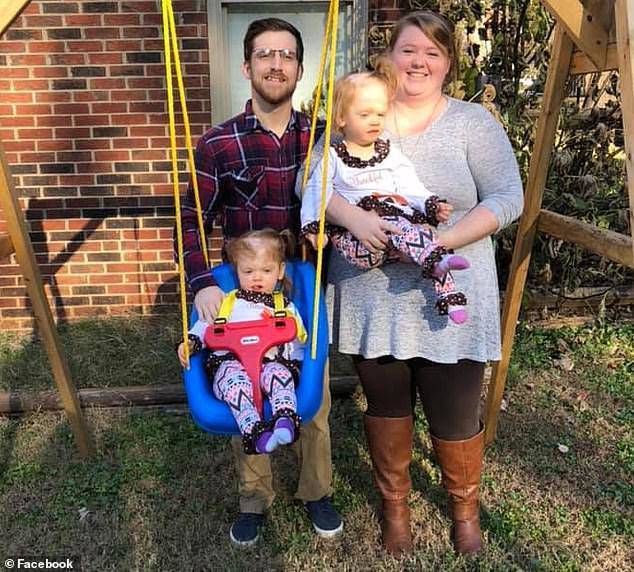
Medical experts say their operation stands among the earliest successful separations of craniopagus twins. Doctors continue to monitor their development closely, believing both children have the potential to achieve greater independence with time.
For Heather and Riley, the journey is far from over, but their message remains consistent: hope, patience, and trust carried their family through the most uncertain moments of their lives.

“We used to only dream of this day,” Heather said. “Now, we wake up to it every morning.”