Attorney on Christa Pike’s Botched Execution: “The Real Issue Here Is That We Don’t Know Anything”
Attorney on Christa Pike’s Botched Execution: “The Real Issue Here Is That We Don’t Know Anything”
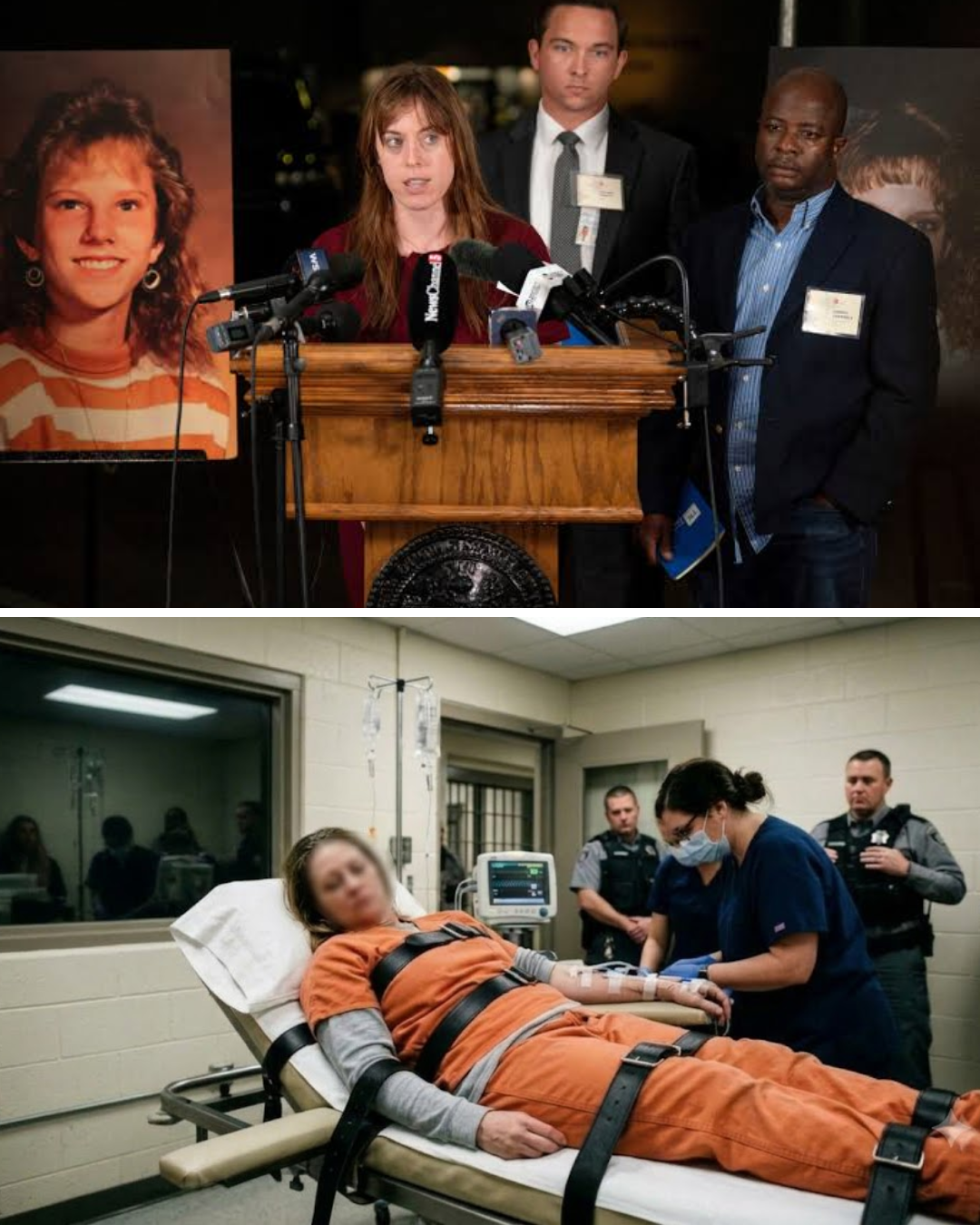
The failed execution of Tennessee death row inmate Christa Pike has left a critical question unanswered: what exactly happened inside the execution chamber?
Pike, 50, survived two doses of pentobarbital during an attempted lethal injection at Riverbend Maximum Security Institution on September 30. She was later transported by ambulance to a hospital, where her attorneys said she remained in critical condition and was receiving lifesaving medical care. Her long-term prognosis has not been disclosed.
Now, one attorney discussing the case says the lack of information surrounding the procedure may be one of its most significant problems.
“The real issue here is that we don’t know anything,” attorney Bo King said during an interview with CBS News about Pike’s failed execution. King represented Brad Sigmon, who was executed by firing squad earlier this year.
What Happened Inside the Execution Chamber?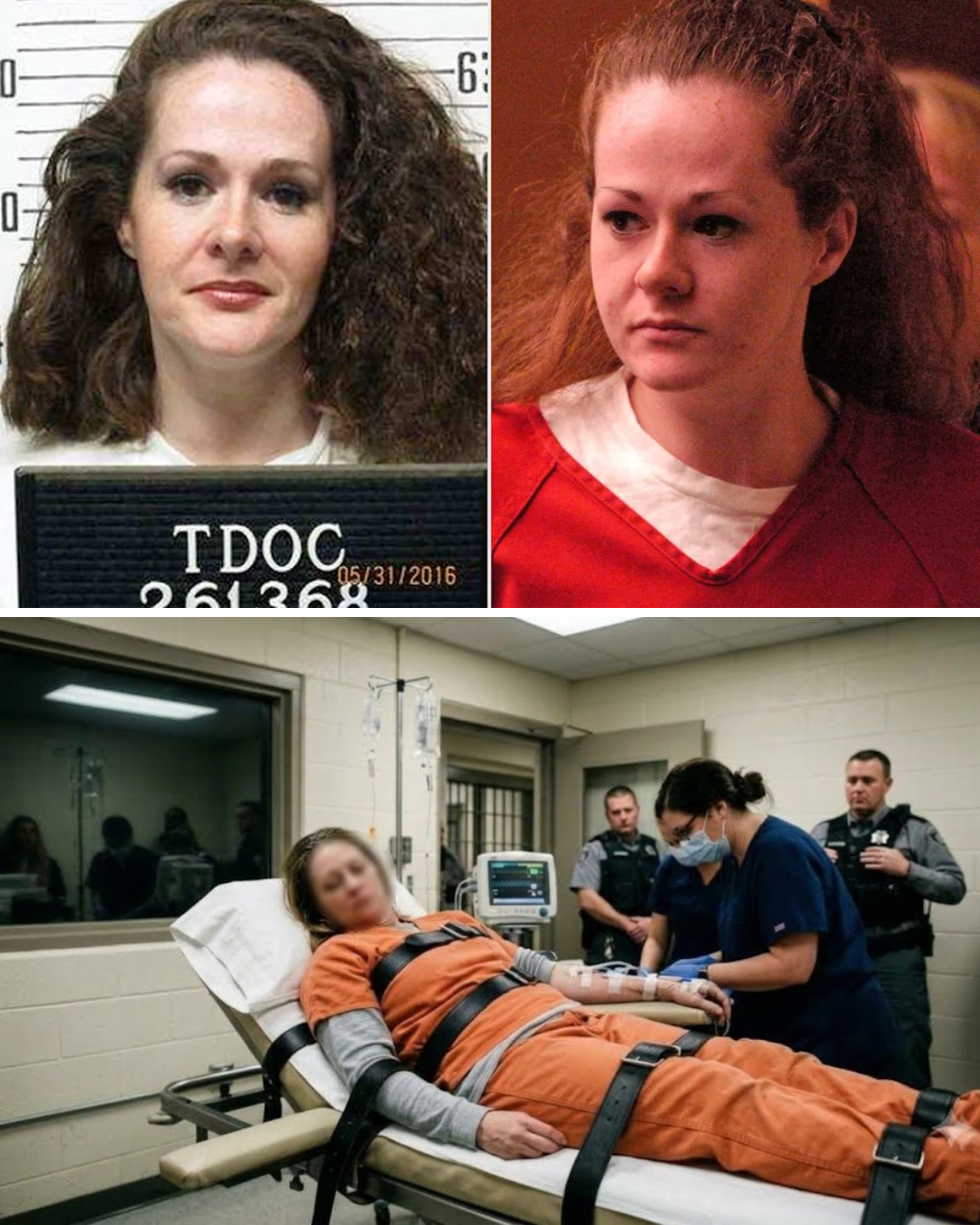
According to witnesses, Pike remained alive after the first dose of pentobarbital was administered. A second dose was then given, but she continued breathing and was later heard making snoring-like sounds.
Witnesses also reported that Pike complained of pain in her arm during the procedure. Her attorneys have said her arm became discolored and blistered following the injections.
Her lawyers have suggested that the drug may not have entered her bloodstream properly and could instead have entered tissue in her arm. They have pointed to Pike’s lifelong blood disorder and difficulties with venous access as possible factors.
That explanation, however, has not been established by Tennessee officials as the cause of the failed execution.
The Tennessee Department of Correction has said officials followed the state’s established execution protocol. The department has not publicly explained why two doses failed to result in Pike’s death.
A Critical Gap in the Public Record
One of the biggest unanswered questions concerns what happened after the execution-chamber curtain was closed.
The Associated Press reported that witnesses could still hear Pike breathing or making snoring sounds after the curtain was closed. Later, witnesses were instructed to leave as emergency vehicles arrived and Pike was transported to a hospital.
Her attorneys have said they do not know the full medical consequences of what happened to her.
“The real issue here is that we don’t know anything” reflects a broader concern raised by attorneys and observers: much of the execution procedure occurs outside public view.
The AP reported that Tennessee does not allow media witnesses to observe the insertion of the IV lines, while a previous legal effort sought greater access to that portion of the process.
Tennessee Has Ordered an Investigation
Pike’s failed execution was the second unsuccessful execution attempt in Tennessee this year.
In May, officials abandoned an attempt to execute Tony Carruthers after they were unable to establish a suitable IV line. In Pike’s case, however, drugs were apparently administered, yet the execution still failed.
Following Pike’s case, Gov. Bill Lee suspended Tennessee’s remaining execution scheduled for 2026 and ordered a comprehensive third-party review into what went wrong.
The review could become critical to determining whether the failure resulted from problems with IV access, drug administration, the medication itself, or another factor.
For now, no definitive public explanation has been established.
Pike Remains Alive, but Her Prognosis Is Unclear
Pike was convicted of the 1995 murder of 19-year-old Colleen Slemmer and has spent decades on death row.
Her September 30 execution was ultimately not completed. Instead, she was taken from the prison to a hospital for emergency medical treatment.
Her attorneys said Thursday that she was alive and in critical condition, but they did not know her long-term prognosis.
The case has therefore moved into an unusual and uncertain phase.
Pike’s death sentence has not been overturned, but Tennessee has also not announced a new execution date.
For investigators, attorneys and the public, one question remains at the center of the controversy: What actually happened when Tennessee attempted to carry out the execution — and why did two doses of the lethal-injection drug fail?
Until the state’s review provides more information, that question remains unanswered.