Nolan Wells Case Update: At 2:18 P.M., His Phone Was Unlocked — He Was Already in the Water
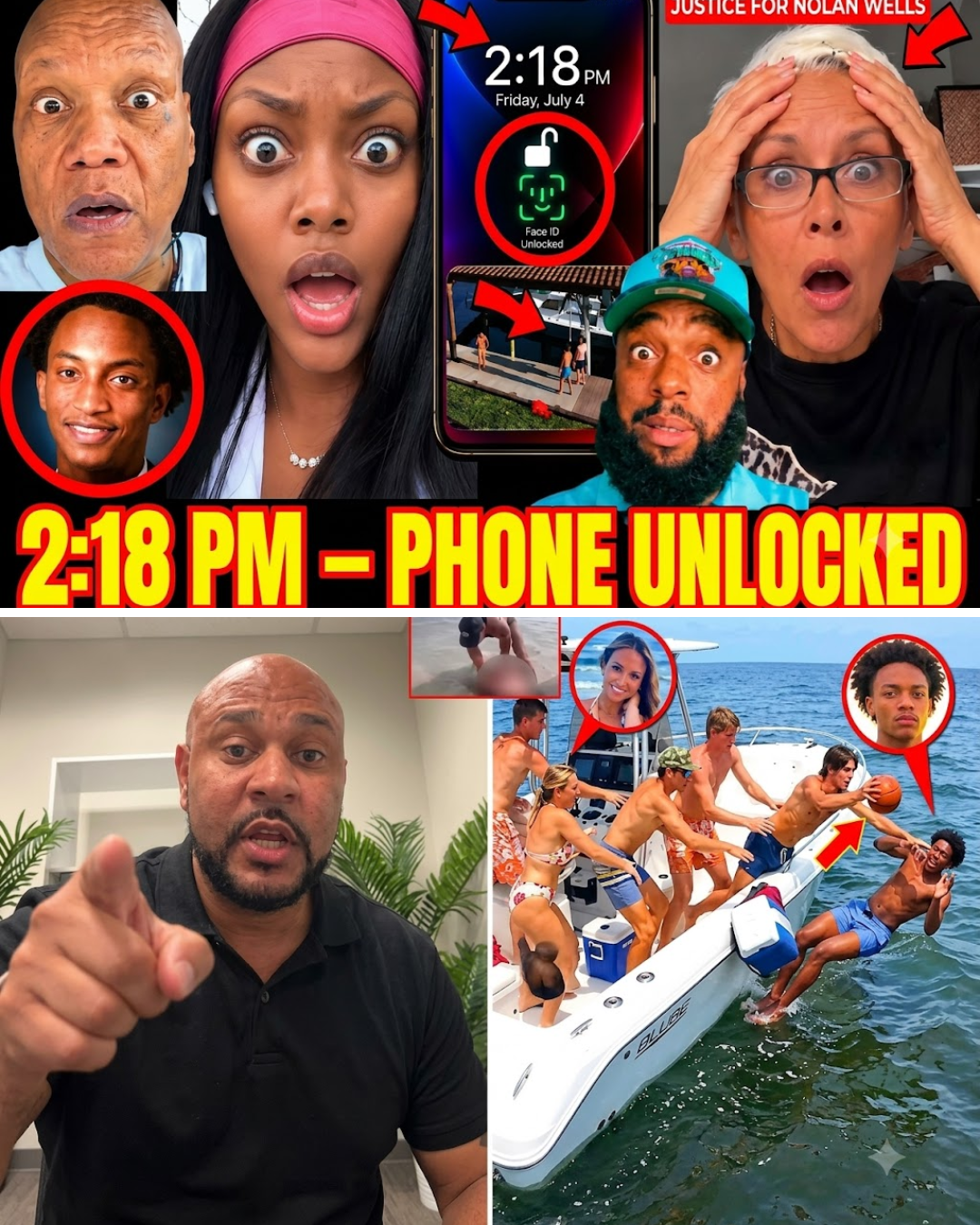
Nolan Wells Case Update: At 2:18 P.M., His Phone Was Unlocked — He Was Already in the Water
A newly scrutinized detail involving Nolan Wells’ phone is raising fresh questions about what happened during the final hours before the teenager’s death.
The case surrounding 18-year-old Nolan Wells remains unresolved months after his body was recovered from the waters near Horn Island.
Now, attention has turned once again to his phone — and specifically to a reported 2:18 p.m. timestamp that has become a focal point in discussions about the timeline.
According to claims circulating around the case, Wells’ phone was unlocked at approximately 2:18 p.m., at a point when he was believed to already be in the water.
If the timestamp and surrounding evidence are ultimately confirmed, it could raise important questions about who had access to the device, whether the phone was moved or handled after Wells entered the water, and how accurately investigators have reconstructed his final hours.
But those questions remain questions.
The meaning of the 2:18 p.m. event has not been established publicly as evidence that someone else possessed the phone.
A Timeline That Still Has Gaps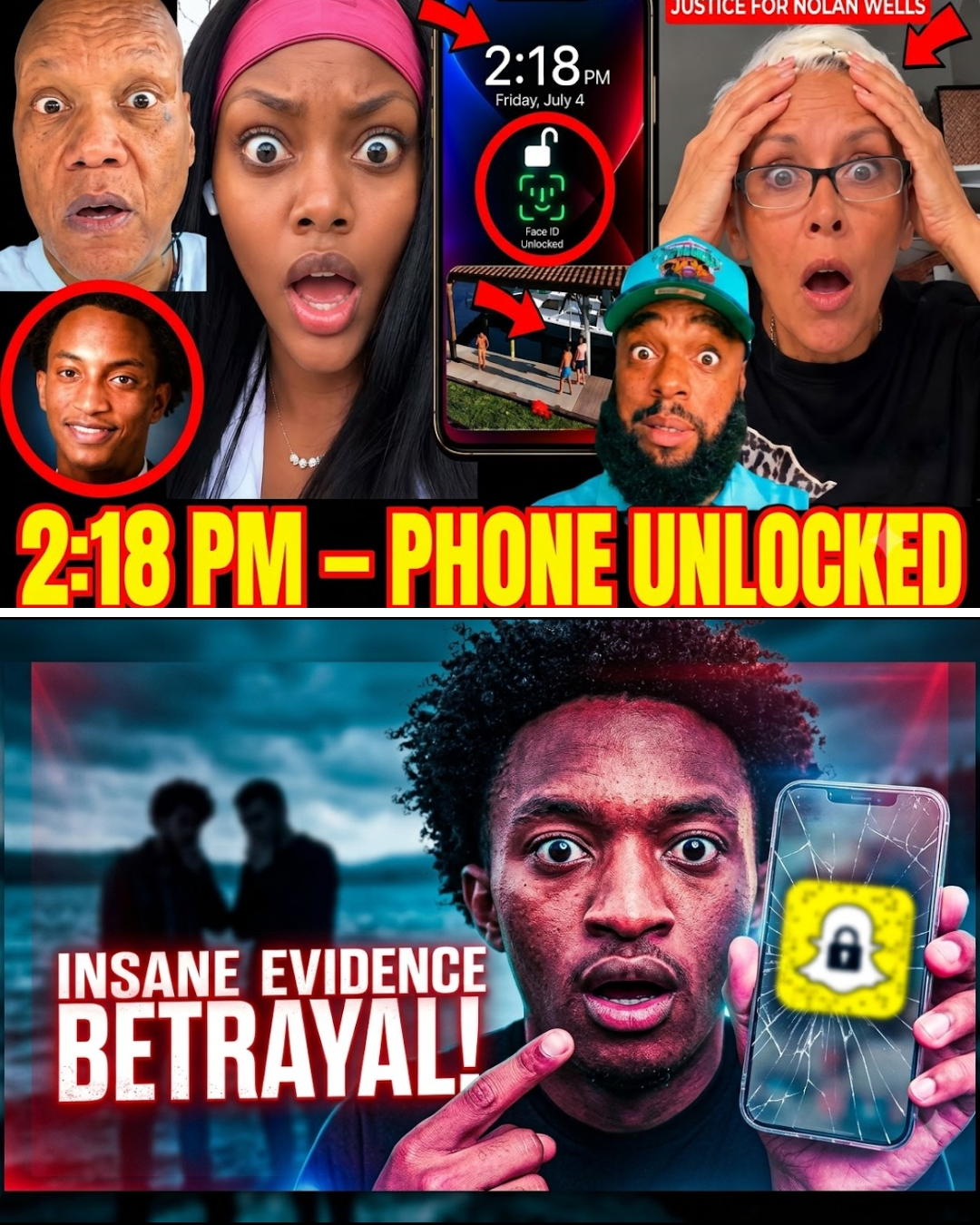
Wells traveled to Horn Island on July 4 during a boating trip.
Two days later, his body was recovered.
Authorities eventually presented the case to a grand jury, which heard testimony from dozens of witnesses.
The grand jury did not return an indictment, and authorities have not publicly announced evidence establishing criminal conduct in Wells’ death.
Officials have also indicated that drowning was considered in interpreting the circumstances, while the precise cause and manner of death remained unresolved in the information publicly discussed around the case.
That uncertainty has left the timeline of Wells’ final hours under intense scrutiny.
And the phone has become one of the most discussed pieces of that timeline.
Why the 2:18 P.M. Timestamp Matters
A phone being unlocked does not, by itself, prove who was holding it.
A device can be unlocked in several ways, depending on its settings, authentication method and what activity occurred immediately before or after the timestamp.
That is why the significance of 2:18 p.m. depends heavily on the underlying digital evidence.
Investigators would need to establish exactly what occurred at that time.
Was an application opened?
Was a message viewed?
Was the device physically unlocked?
Was there interaction with the screen?
Was the phone connected to another device or network?
Or could the timestamp have another technical explanation?
Without the underlying forensic data, it would be premature to conclude that another person had possession of Wells’ phone.
But if the timestamp can be independently verified and placed accurately within the broader timeline, it could become another piece of evidence investigators must account for.
The Question of Who Had the Phone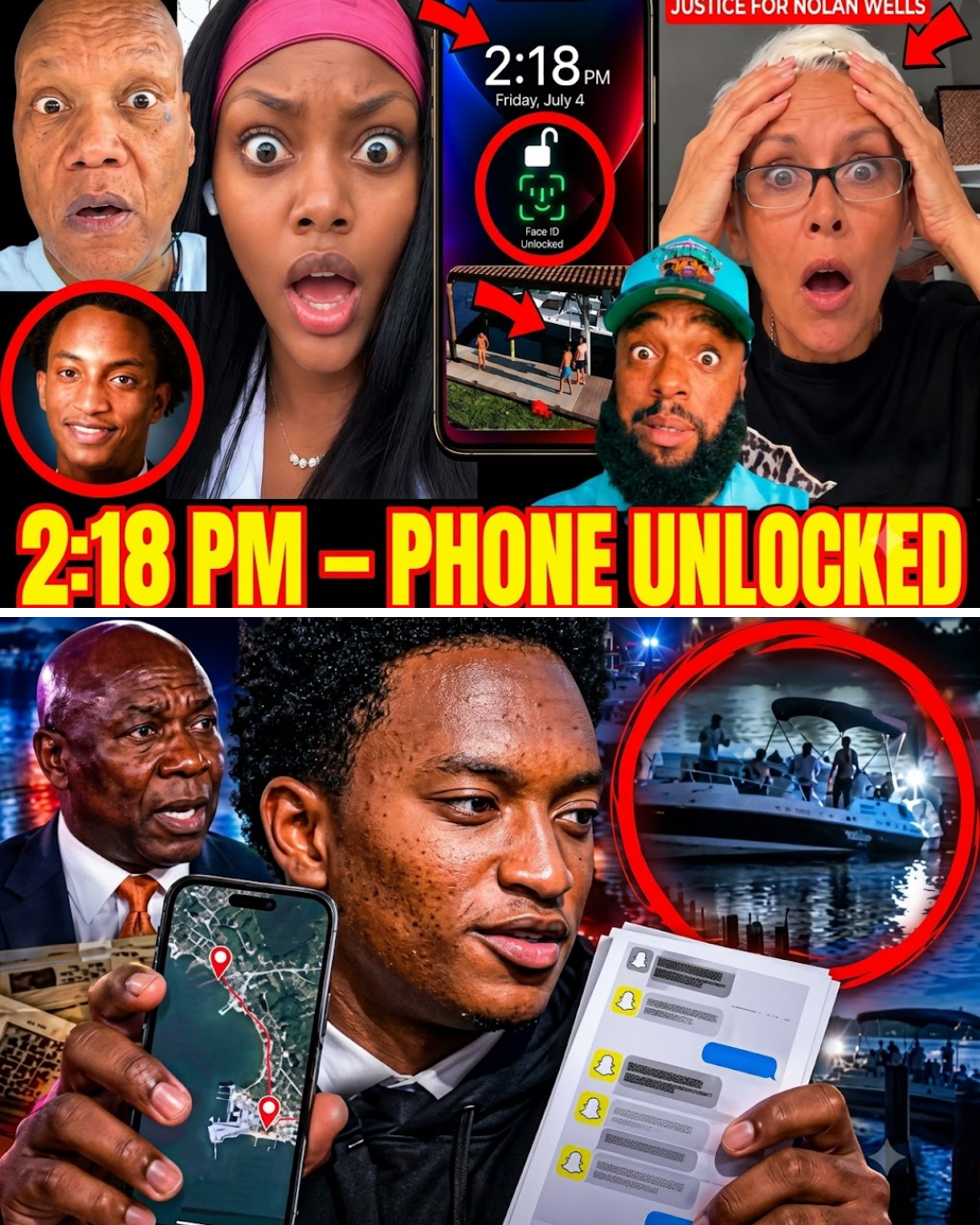
This is where the case becomes particularly difficult.
If Wells was already in the water when the phone was unlocked, investigators would need to determine whether there was a reasonable explanation for the device’s activity.
The answer could be completely innocent.
Someone else could have handled the phone.
The device could have been accessed before Wells entered the water but recorded an event later.
Or the reported timestamp could be interpreted incorrectly.
Digital evidence is powerful precisely because it can preserve a timeline that human witnesses may not remember clearly.
But it can also be misunderstood when individual timestamps are separated from the underlying technical data.
That distinction is critical in Wells’ case.
What the Grand Jury Decision Does — and Does Not — Mean
The grand jury proceedings became another major turning point.
Authorities presented evidence involving 43 witnesses, according to information previously reported about the case.
After hearing the evidence, the grand jury did not return a true bill.
That means there was no criminal indictment from that proceeding.
It does not necessarily answer every unanswered question surrounding Wells’ death.
A grand jury’s decision and the factual reconstruction of a death are not the same thing.
Questions can remain even when prosecutors do not have enough evidence to bring criminal charges.
That distinction has become increasingly important as new claims about Wells’ phone, deleted messages and witness accounts continue to circulate.
The Deleted Messages and Other Digital Questions
The phone issue is not the only digital-evidence question surrounding the case.
Previous discussions about Wells have focused on allegedly recovered deleted Snapchat messages involving people in his social circle.
Those claims have generated speculation about conversations concerning how to “handle the situation.”
However, the interpretation and authenticity of such messages would need to be established through proper forensic examination and corroborating evidence before they could be treated as proof of wrongdoing.
The same standard applies to the 2:18 p.m. phone event.
A timestamp may be significant.
But significance is not the same as proof.
What Happened After Wells Disappeared?
Wells was reported missing after the July 4 boating trip.
His body was found two days later.
The passage of those two days has remained one of the most emotionally difficult parts of the case for those seeking answers.
When a person disappears in a body of water, investigators must reconstruct a complicated chain of events involving weather, currents, boating activity, witness observations, communications and physical evidence.
That reconstruction becomes even more difficult when digital records appear to conflict with assumptions about where a person’s phone should have been.
The 2:18 p.m. detail therefore matters because it potentially intersects with a larger question:
Does the digital timeline fit the physical timeline?
A Phone Can Tell Part of the Story
Modern smartphones can preserve an extraordinary amount of information.
Unlock events, application activity, messages, location information, wireless connections and other metadata can sometimes help investigators establish when a device was being used.
But none of those pieces should be interpreted in isolation.
A phone does not automatically identify the person touching it.
A timestamp does not automatically establish someone’s physical location.
And an unusual event does not automatically prove criminal activity.
Investigators have to connect digital evidence to witness statements and physical evidence.
That is especially important in a case where the grand jury has already declined to indict anyone.
The Central Question Remains Unanswered
The 2:18 p.m. detail has attracted attention because of what it appears to suggest.
If Wells was already in the water at that time, who — or what — caused the phone to become unlocked?
But the more precise question is actually more complicated:
What exactly happened on the device at 2:18 p.m., and what does the underlying forensic evidence show?
That distinction could determine whether the timestamp is a meaningful investigative clue or simply an event that can be explained through the phone’s technical behavior.
Until the original digital evidence is independently examined and its context established, neither conclusion can responsibly be treated as fact.
The Search for Answers Continues
Nolan Wells’ death has already generated grief, unanswered questions and intense public scrutiny.
The grand jury’s decision closed one chapter of the investigation, but it did not necessarily eliminate every question surrounding the timeline.
Now, attention has returned to the phone.
A reported 2:18 p.m. unlock event has bec