“I WISH YOU COULD FORGIVE ME”: JAMAAL HOWARD’S FINAL WORDS BEFORE TEXAS EXECUTION
“I WISH YOU COULD FORGIVE ME”: JAMAAL HOWARD’S FINAL WORDS BEFORE TEXAS EXECUTION
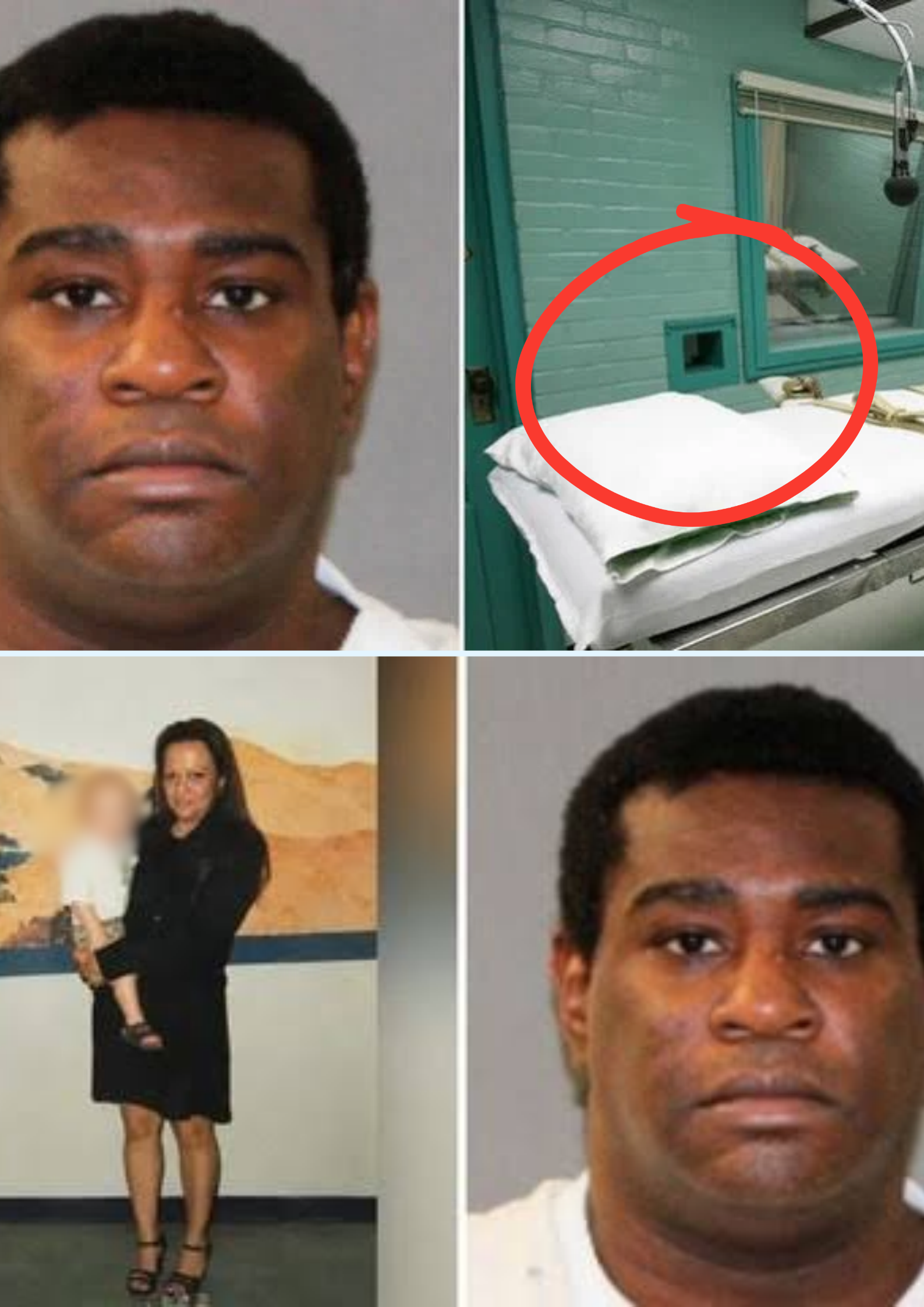
Jamaal Howard, 46, was executed in Texas after spending decades on death row for the 2000 killing of convenience store clerk Vickie Swartout. His execution came just days after another inmate, Christa Pike, survived a failed lethal-injection attempt in Tennessee.
A final apology. A family watching from just feet away. And a case that has renewed questions about how executions are carried out in the United States.
Jamaal Howard was pronounced dead at 8:03 p.m. on October 7, 2026, at the state prison in Huntsville, Texas, after receiving a lethal injection of pentobarbital.
His execution was the first in the United States since Tennessee inmate Christa Pike survived an unsuccessful execution attempt on September 30, bringing renewed scrutiny to the same drug used in both states.
 HIS FINAL WORDS TO THE VICTIM’S FAMILY
Before the execution began, Howard addressed members of Vickie Swartout’s family, who were present to witness it.
“I wish that you accept my apology, and I wish for your forgiveness,” he said.
He continued by expressing regret for what happened and hoping that the family would eventually find peace and closure.
Howard also thanked his own loved ones and people who had supported him during his final years.
His apology came more than 26 years after Swartout’s death — a loss that had permanently changed the lives of her family.
THE 2000 ROBBERY THAT ENDED IN TRAGEDY
Howard was 20 when he robbed a convenience store in Silsbee, Texas, in 2000.
During the robbery, he shot Swartout, a 42-year-old store clerk, killing her. According to court records and news reports, approximately $114 and a pack of cigarettes were taken.
The robbery was captured on surveillance footage, which became important evidence in the case.
Howard was convicted of capital murder in 2001 and sentenced to death. He spent the following years pursuing legal appeals, but his conviction and sentence remained in place.
 WHY HIS EXECUTION FACED LAST-MINUTE CHALLENGES
Howard’s lawyers made a final effort to stop the execution, raising concerns about his intellectual disability and the use of pentobarbital.
Their concerns came after Christa Pike survived two administrations of the drug during Tennessee’s failed execution attempt days earlier.
The defence argued that Texas should delay Howard’s execution while questions about the state’s supply of the drug were examined. His lawyers also challenged whether his intellectual functioning made him ineligible for capital punishment under constitutional protections.
Texas courts and the US Supreme Court rejected the last-minute requests to halt the execution.
The state proceeded with the scheduled lethal injection.
THE QUESTIONS RAISED BY CHRISTA PIKE’S CASE
Pike’s failed execution had placed lethal-injection procedures under intense scrutiny. She reportedly survived two doses of pentobarbital and later regained consciousness.
Howard’s lawyers argued that the recent incident made it especially important to examine the safety and reliability of the drug Texas planned to use.
Texas authorities proceeded with the execution, and Howard was pronounced dead that evening.
The two cases are separate, and the fact that both involved pentobarbital does not establish that the same problem occurred in Texas. However, the timing has intensified public discussion about execution protocols, drug supplies and transparency.
A CASE THAT LEAVES TWO FAMILIES WITH DIFFERENT LOSSES
For Swartout’s family, the execution marked the end of a long legal process following the loss of a loved one.
For Howard’s relatives, it marked a final goodbye after years of appeals and separation.
His last statement focused on apology, forgiveness and the hope that those he had hurt could eventually find peace. Whether forgiveness is possible remains a deeply personal matter for the victim’s loved ones.
Howard’s execution has also become part of a wider national debate about the death penalty and the reliability of lethal-injection procedures.
His case is now closed through execution, but the questions surrounding the method — and the consequences for the families left behind — continue.