RECLAIMING DIGNITY: THE RESILIENCE OF MARZIEH EBRAHIMI
RECLAIMING DIGNITY: THE RESILIENCE OF MARZIEH EBRAHIMI
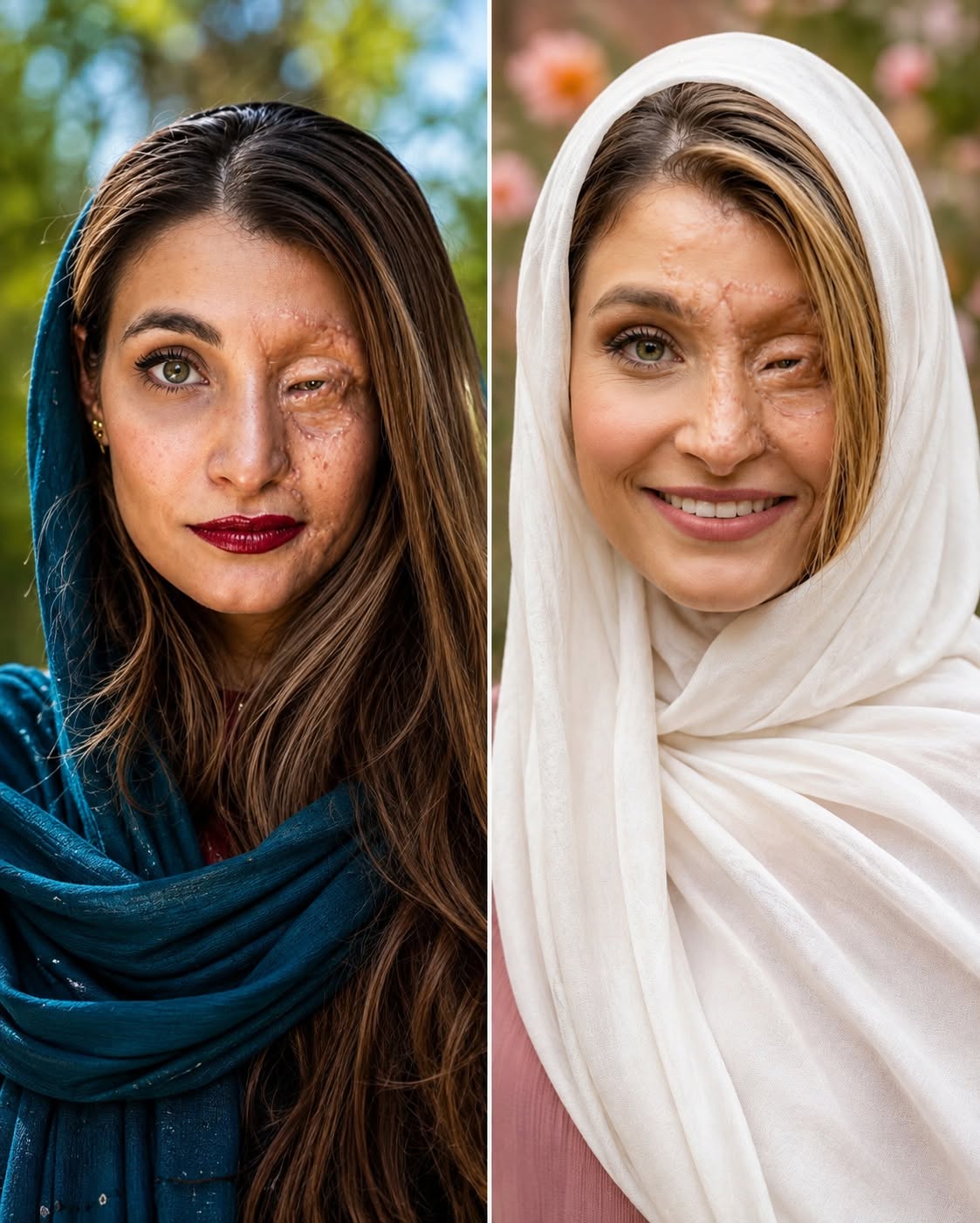
In 2014, an ordinary walk home turned into a life-altering tragedy for Marzieh Ebrahimi. She became one of several women targeted in a series of horrific acid attacks in Isfahan, Iran—an appalling wave of violence that shocked the nation and sparked global outrage over public safety and women’s rights. In an instant, Marzieh’s world was irrevocably reshaped, marking the beginning of an arduous journey toward recovery.
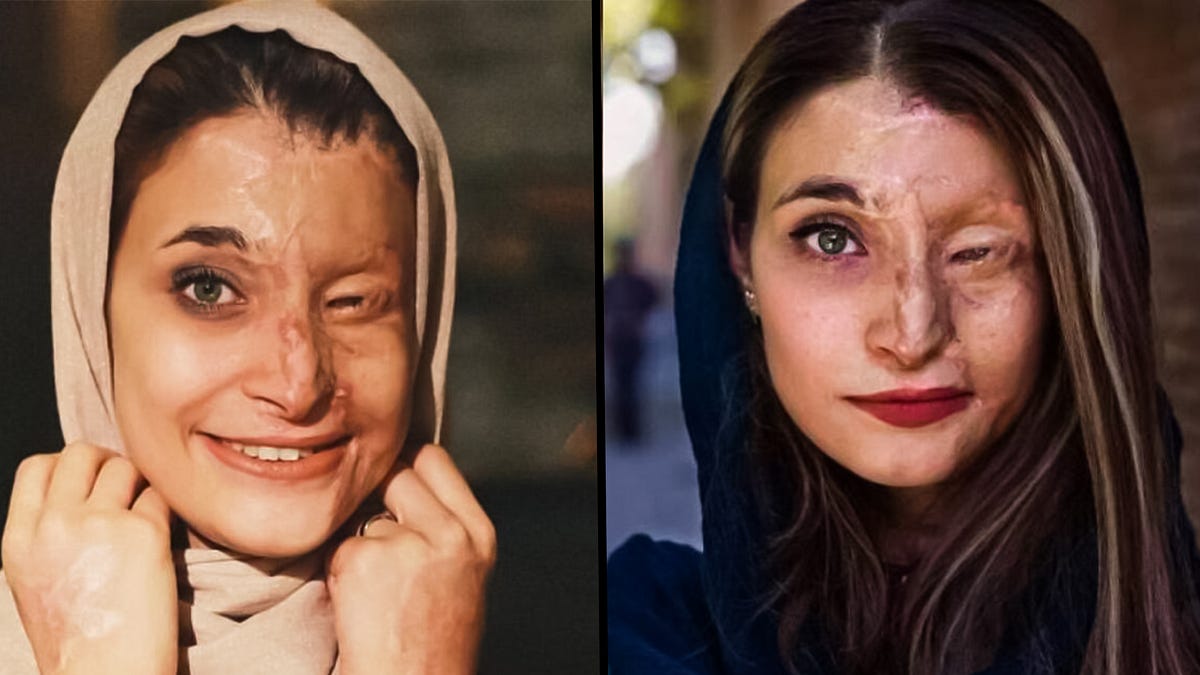
The physical toll was severe. Marzieh underwent a agonizing succession of reconstructive surgeries, extensive medical treatments, and relentless rehabilitation. Each procedure demanded immense physical endurance and emotional fortitude. Yet, the deep invisible scars posed an equally daunting challenge. Like many survivors of traumatic disfigurement, she had to rebuild her self-confidence while navigating public scrutiny and confronting the harsh reactions of strangers who saw her physical scars before recognizing her humanity.
Instead of retreating into obscurity, Marzieh made a pivotal, courageous choice: she refused to let violence dictate her identity. Choosing visibility over hiding, she shared her story through interviews and public appearances, speaking candidly about trauma, dignity, and compassion. Her advocacy elevated public awareness surrounding the long-term rehabilitation needs of acid attack survivors and challenged the societal stigma surrounding visible injuries.
Marzieh’s journey transformed profound personal suffering into a powerful force for advocacy. While the Isfahan attacks remain a tragic chapter, her life stands as a beacon of strength, proving that violence may alter physical appearances, but it can never extinguish a person’s spirit, dignity, or courage.