“WHERE AM I, AND WHO ARE YOU?” — CHRISTa PIKE’S FIRST WORDS AFTER SURVIVING TENNESSEE’S FAILED EXECUTION RAISE NEW QUESTIONS
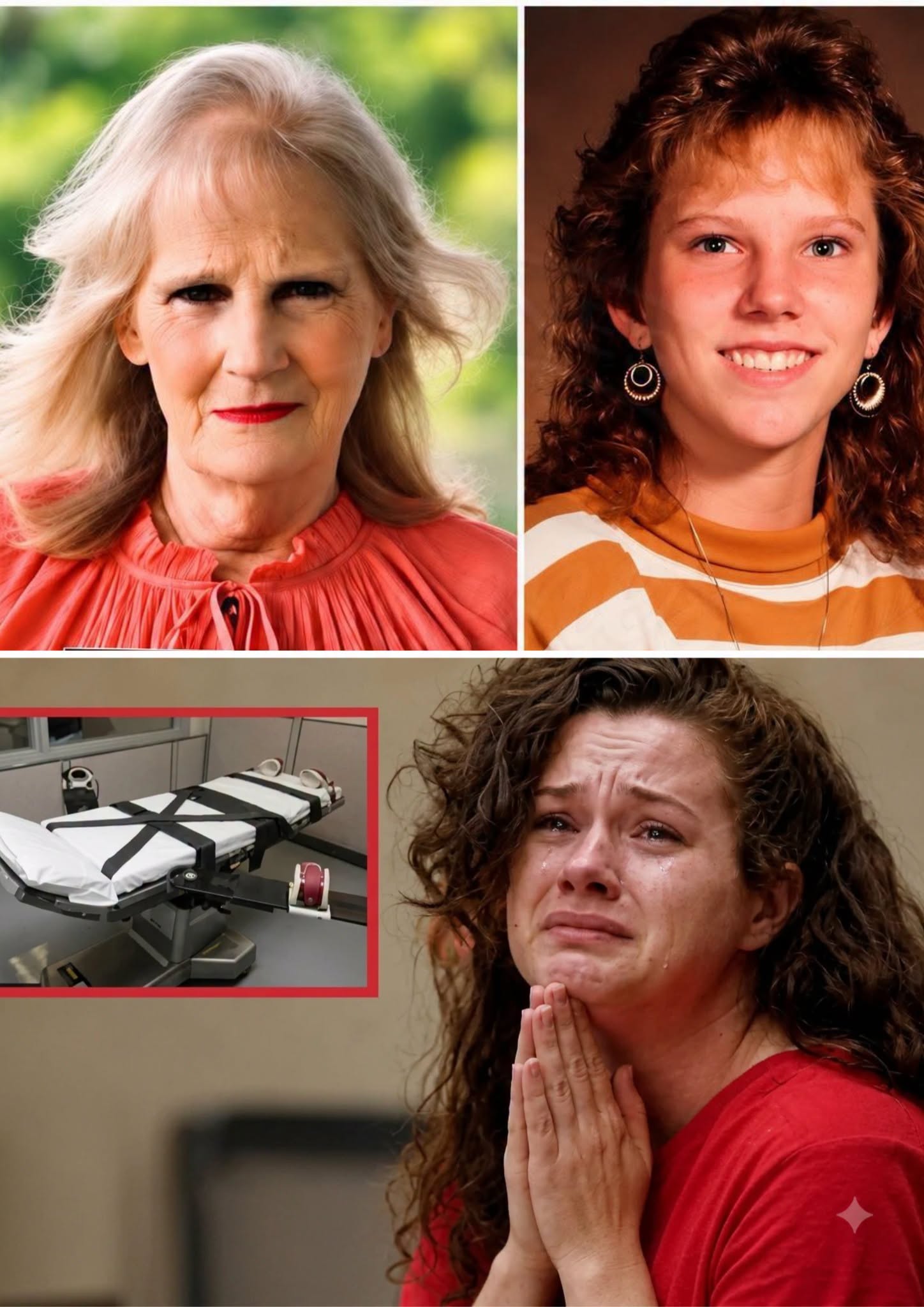
“WHERE AM I, AND WHO ARE YOU?” — CHRISTa PIKE’S FIRST WORDS AFTER SURVIVING TENNESSEE’S FAILED EXECUTION RAISE NEW QUESTIONS
NASHVILLE, TENNESSEE — “Where am I, and who are you?” Those were reportedly the first words spoken by Christa Pike after she regained consciousness in hospital following Tennessee’s failed attempt to execute her, according to her attorney.
The 50-year-old had survived an execution attempt on September 30, 2026, despite being administered two doses of the lethal-injection drug pentobarbital. Her unexpected recovery has triggered renewed scrutiny of Tennessee’s execution procedures, while her legal team seeks answers about what went wrong and what the state may do next.
Pike was sentenced to death for the 1995 torture and murder of 19-year-old Colleen Slemmer, a fellow student at a training programme in Knoxville. The case has remained one of Tennessee’s most notorious criminal cases, and Pike has spent approximately three decades on death row.
 A Recovery Doctors Did Not Expect
Pike’s execution was halted after medical complications arose during the procedure. According to her attorneys, repeated attempts to establish intravenous access preceded the administration of the drugs.
After the procedure failed to end her life, Pike was taken to hospital in critical condition and placed on a ventilator. Her legal team later said they had been informed that she was believed to be brain-dead and that plans were being made to withdraw life support.
Then, in early October, Pike unexpectedly regained consciousness and began speaking.
Her attorney, Randy Spivey, told reporters that Pike appeared disoriented and confused when she woke. She was aware, at least to some extent, that the state had attempted to execute her, he said.
Her recovery was not straightforward. Her lawyers reported serious complications, including injuries to her arms, pneumonia and a blood clot. They also said she initially experienced difficulty moving her arms and swallowing.
The full extent of her long-term physical and cognitive recovery remained uncertain at the time of the initial statements.
 Questions About the Victim’s Family
Reports about Pike’s condition have drawn attention to what she remembers and understands following the failed procedure. Some accounts have also referred to questions about her legal team and the family of Colleen Slemmer.
However, the available reporting does not establish that Pike’s questions amounted to an expression of remorse or reveal what she may have been thinking while recovering. Her reported confusion should not be interpreted as proof of any particular emotion or intention.
For Slemmer’s loved ones, the case remains inseparable from the loss of a young woman whose life ended in 1995. Any further developments are likely to bring renewed attention to the victim and the family members who have lived with the consequences of the crime for decades.
Emergency Response Under Scrutiny
The failed execution has raised questions about the procedures used inside Riverbend Maximum Security Institution.
Records of emergency calls reported by the Associated Press indicated that medical assistance was delayed after confusion arose over whether the request for help was legitimate. The initial emergency call was made at approximately 8:40 p.m., but emergency responders were not permitted into the prison until around 9:11 p.m.
The delay has added to concerns about the execution process and the response to medical emergencies inside the facility.
A Tennessee judge has ordered officials to preserve evidence connected to the procedure, including relevant physical and digital records. Pike’s attorneys have argued that the evidence is necessary to understand what happened and to evaluate potential legal challenges.
Tennessee Governor Bill Lee subsequently paused executions scheduled for the remainder of 2026 while the state reviews its procedures.
Officials have not publicly established a definitive explanation for why the execution failed.
Could Tennessee Attempt Another Execution?
Pike’s survival has raised difficult legal questions about whether the state could attempt to execute her again.
Her attorneys have challenged the circumstances of the procedure and are pursuing legal options while seeking further information about her treatment and the execution process. They have also urged the governor to reconsider her sentence.
As of October 13, 2026, no new execution date had been announced. Whether Tennessee will pursue another attempt remains uncertain and could depend on the findings of the review and the outcome of further legal proceedings.
Pike was discharged from hospital and returned to the Debra K. Johnson Rehabilitation Center on October 10, according to media reports. Her return to prison marked another stage in a case that has now raised questions extending beyond the original conviction to the operation and oversight of capital punishment.
A Case With Many Unanswered Questions
Christa Pike’s case has entered an extraordinary new chapter. Her first reported words after waking revealed profound disorientation, while her subsequent medical complications and the delayed emergency response have prompted serious questions about the procedure.
Yet several important issues remain unresolved: what caused the execution to fail, what evidence will establish the sequence of events, how fully Pike will recover, and whether the state will seek another execution.
For now, Tennessee has paused further executions while the review proceeds. Pike’s lawyers continue to seek answers, and Colleen Slemmer’s death remains at the centre of the case.
The next developments will depend on medical findings, the evidence preserved by the court order and decisions made through the legal process. Until then, the questions surrounding the failed execution remain unanswered.