SHOCKING HOSPITAL DOCUMENTS REVEAL HOW DOCTORS WHO RAISED CONCERNS ABOUT LUCY LETBY FACED PRESSURE FROM MANAGEMENT
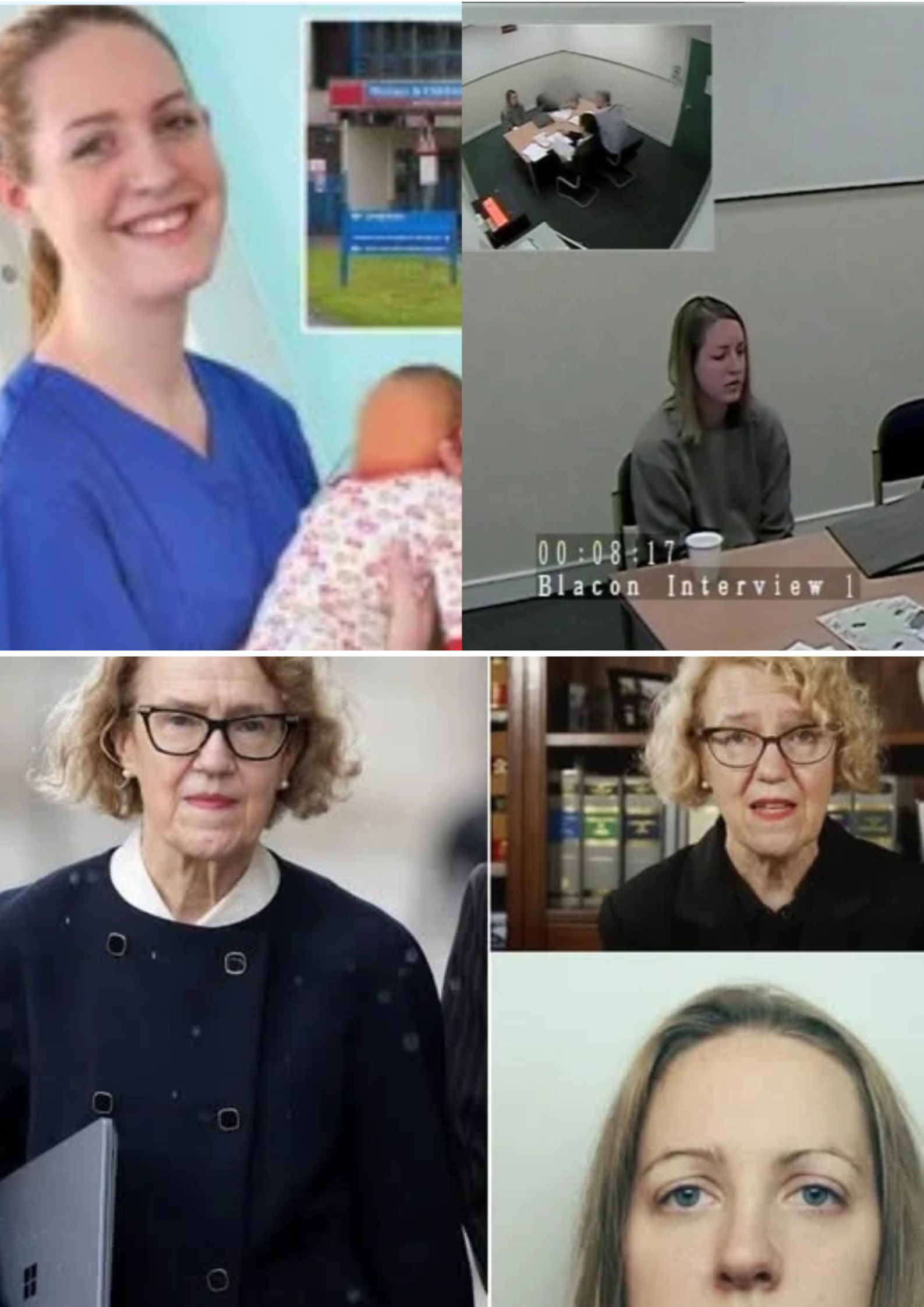
SHOCKING HOSPITAL DOCUMENTS REVEAL HOW DOCTORS WHO RAISED CONCERNS ABOUT LUCY LETBY FACED PRESSURE FROM MANAGEMENT
New scrutiny of internal records has intensified questions about why warnings were not acted on sooner — and why the clinicians trying to protect vulnerable babies found themselves caught up in internal disputes.
For Dr Stephen Brearey, the concerns were becoming increasingly difficult to ignore.
As lead consultant on the neonatal unit at the Countess of Chester Hospital, he and fellow doctors raised repeated questions about a series of unexpected collapses and deaths involving babies in their care. But the response from hospital leadership would later become one of the most troubling aspects of the Lucy Letby scandal.
The newly published findings of the Thirlwall Inquiry have laid out a detailed account of internal meetings, emails and reviews that reveal how those warnings were handled — and how the hospital’s response fell seriously short.
 THE DOCUMENTS THAT RAISED SERIOUS QUESTIONS
One of the most revealing records concerned a meeting on May 11, 2016, when Dr Brearey presented concerns about the pattern of neonatal deaths and the repeated presence of Letby.
According to the inquiry’s report, senior staff continued to favour monitoring the situation rather than taking immediate protective action. The inquiry chair concluded that this was a serious mistake, given the potential risk to babies.
The report also examined internal documents that defended Letby and argued that her presence during the incidents could be explained by her working patterns and the fact that she often cared for the sickest infants.
The inquiry found that this assessment was not balanced or accurate. It failed to give proper weight to the doctors’ concerns and relevant information about Letby’s conduct.
 WHY WERE THE DOCTORS THEMSELVES UNDER SCRUTINY?
The controversy extended beyond the clinical warnings.
The inquiry examined how the hospital’s senior leadership responded to the consultants who raised concerns. Internal records and witness evidence showed that management considered action against doctors, including the possibility of referring them to their professional regulator.
A note describing an aggressive plan to manage two consultants out of the organisation became one of the most revealing documents considered by the inquiry.
The findings raised serious questions about whether the hospital’s leadership had focused too heavily on internal conflict and its own processes instead of acting decisively to protect patients.
Dr Brearey later acknowledged that, in hindsight, he and his colleagues should have contacted the police earlier. In an interview following publication of the inquiry report, he also spoke about the need for a stronger culture of speaking up within the NHS.
COULD MORE BABIES HAVE BEEN PROTECTED?
The inquiry’s conclusions were stark.
Lady Justice Thirlwall found that failures in safeguarding, governance and decision-making allowed the situation to continue for too long. She concluded that earlier action could have prevented some of the harm, including the deaths of two babies who would not have died had Letby been removed from the neonatal unit in October 2015.
The hospital did not contact police until May 2017, despite concerns having been raised much earlier.
These findings have left difficult questions about accountability, professional responsibility and how healthcare organisations respond when staff raise serious concerns about patient safety.
WHAT HAPPENS NEXT?
The inquiry’s report has brought important internal records into public view, but its findings should be distinguished from speculation about documents or alleged plans that have not been established by the report.
The central issue remains clear: concerns about babies’ safety were raised, the response was delayed, and the inquiry found major failures in the hospital’s leadership and safeguarding arrangements.
For families affected by the case, the findings are a painful account of opportunities to act that were missed. For healthcare workers, they underline the importance of ensuring that serious warnings are investigated promptly — regardless of how uncomfortable those warnings may be for an organisation.