Cleft Lip and Palate: Understanding the Path to Healing and Hope
Cleft Lip and Palate: Understanding the Path to Healing and Hope
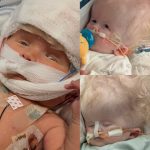
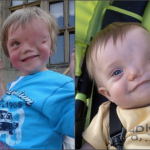
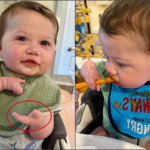
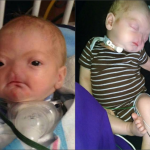
Cleft lip and cleft palate are among the most common congenital conditions occurring during early fetal development. They happen when the tissues responsible for forming the upper lip and the roof of the mouth do not join completely. This results in a visible opening or gap in the lip, the palate, or both. Beyond the obvious physical difference, these conditions can significantly impact a child’s ability to feed comfortably, breathe properly, speak clearly, and develop normal dental structures.

Surgical intervention plays a vital and transformative role in repairing these gaps. Reconstructive surgery for a cleft lip is typically performed within the first few months of life, while cleft palate repair usually takes place slightly later, often before the child turns eighteen months old. These initial surgeries restore structural integrity to the face, greatly facilitating feeding and establishing a healthier foundation for early language development.
As children grow, their care often requires a comprehensive, multidisciplinary approach. Surgery is frequently just the first step on a broader journey of healing. Many children benefit from specialized follow-up care, including speech therapy to improve clarity, specialized dental and orthodontic treatments to align teeth and jaw structures, and regular hearing assessments to address potential fluid buildup in the middle ear.

With timely medical care, ongoing multidisciplinary support, and a nurturing environment, children born with cleft lip and palate grow up to lead healthy, fulfilling lives. Every child deserves compassion, high-quality healthcare, and the opportunity to thrive and reach their full potential.