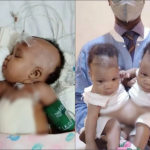
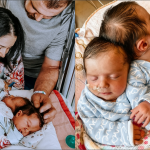
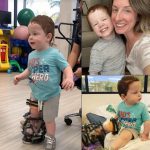
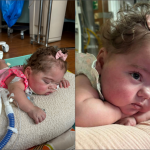
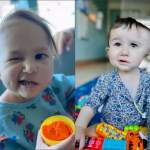
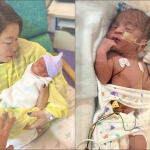
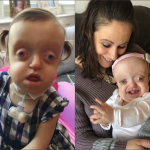
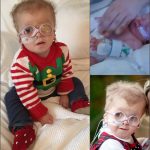
TODDLER SPENDS HIS FIRST 403 DAYS IN HOSPITAL — HIS PARENTS SAY THEY FEEL ‘SO BLESSED’ TO FINALLY HAVE HIM HOME.
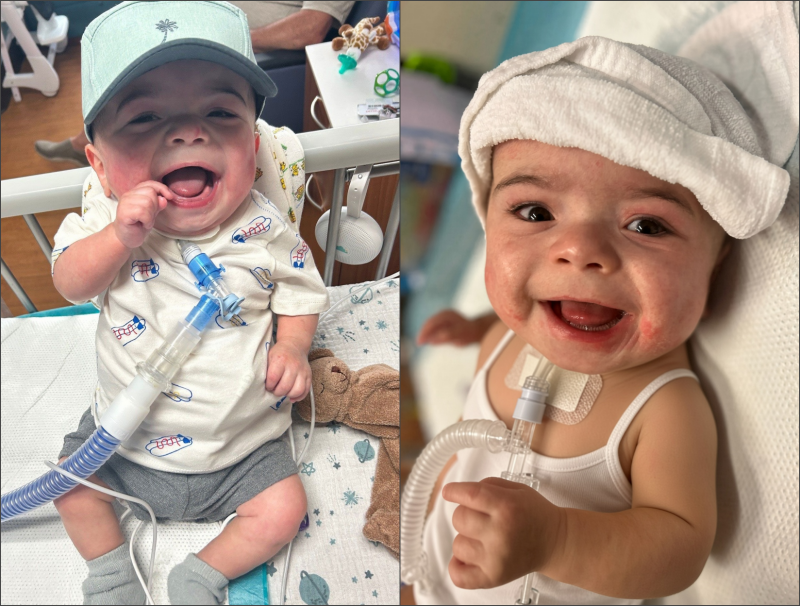
When Barrett Brasfield grows up, his parents will have an extraordinary story to tell him about his first year of life. Born weighing just 1 lb., he spent 403 days in the neonatal intensive care units of two hospitals before finally getting to go home.
“He’s adjusting better than us,” mom Carli tells PEOPLE. “It’s been a whirlwind.”
“Hopefully, he doesn’t remember any of it,” adds the 34-year-old nurse practitioner at UAB Hospital, joking that hopefully, after plenty of therapy, his parents won’t remember some of it either.
“We joke about the trauma bonding, but it definitely made us much tougher and stronger,” adds dad Roman, 33.
Their difficult journey began when Carli was 20 weeks pregnant. During an anatomy scan, doctors discovered serious complications affecting the baby’s blood flow and warned that he would need to arrive much earlier than expected.
At their 26-week appointment, doctors detected reverse blood flow through the umbilical cord, meaning Barrett needed to be delivered immediately.
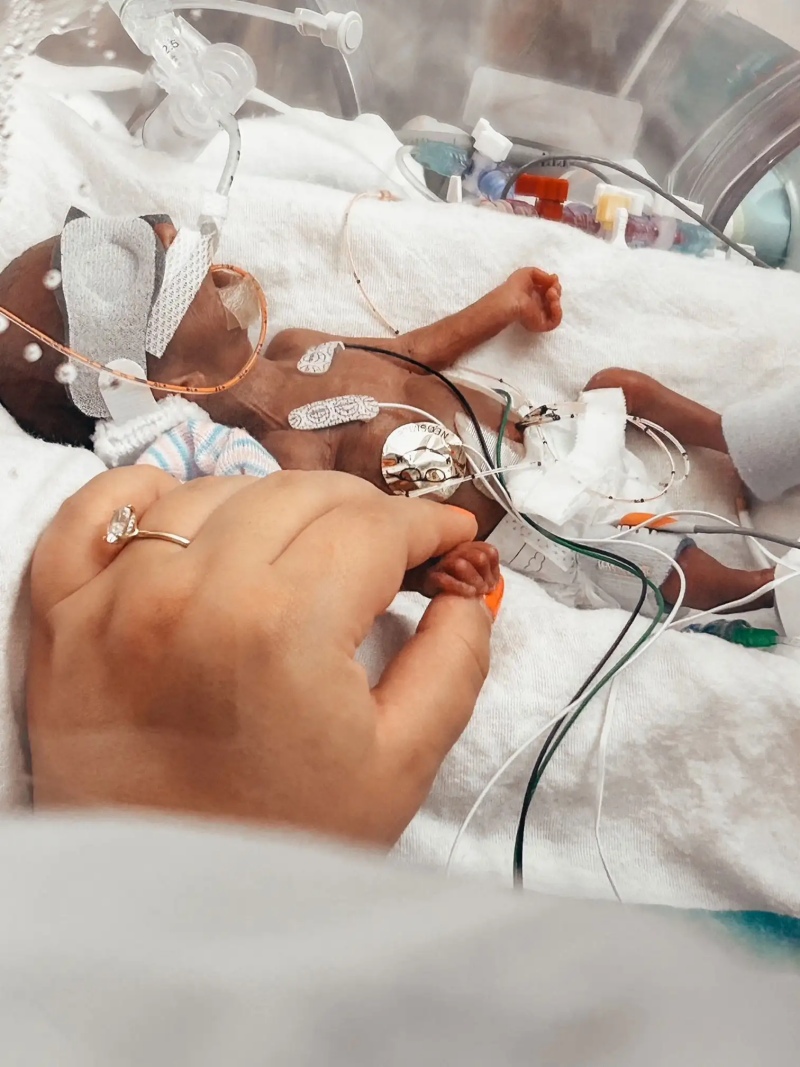
Carli was admitted to UAB Hospital and welcomed her son through an emergency C-section on June 6. Barrett weighed just 1 lb. at birth and was immediately taken to the NICU.
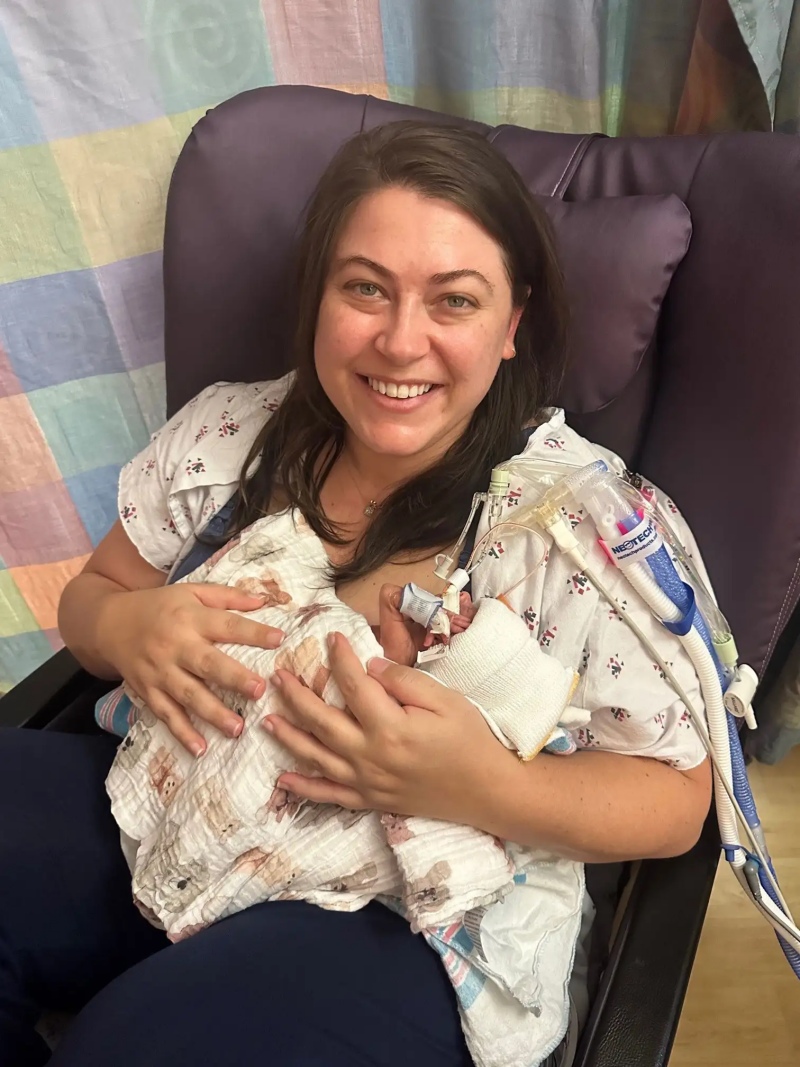
“It was surreal because it was a mix of emotions,” Roman recalls. “Obviously, you’re excited about your child being born, but you hope for better circumstances.”
One of the hardest moments for Carli was leaving the hospital without her baby. Thankfully, their home was only minutes away, allowing them to visit him regularly.
During his NICU stay, Barrett developed a severe form of bronchopulmonary dysplasia, a chronic lung condition often associated with premature birth. He required breathing support on and off for around nine months, while repeated infections made his recovery even more challenging.
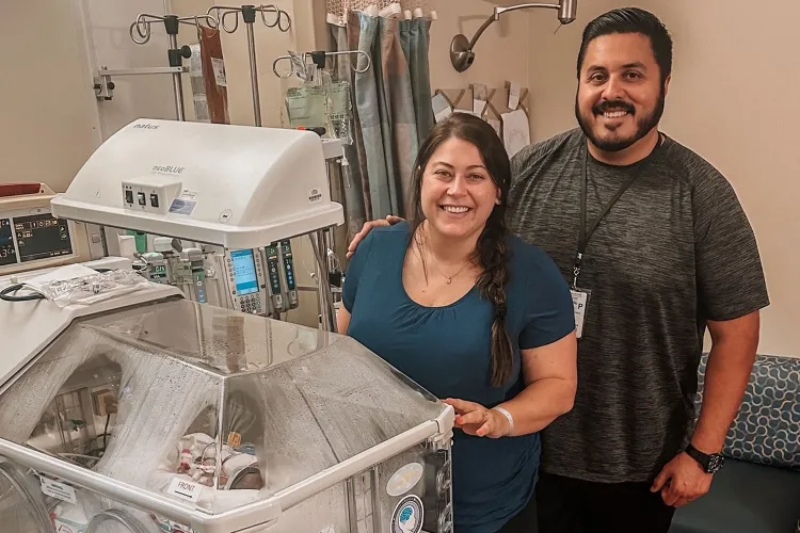
Within his first week, he developed a bloodstream infection. At one particularly difficult point, his chances of survival were estimated at around 30%, Carli revealed.
Although his condition improved, he later contracted rhinovirus, which left him seriously unwell and required additional ventilator support.
After eight months at UAB, Barrett was transferred to Children’s of Alabama in February. There, he underwent a tracheostomy, a procedure that created an opening in his neck to help him breathe.
“That was a game-changer for him,” Roman says. “He finally had access to the specialized care he needed. That’s when we started seeing things turn for the better.”
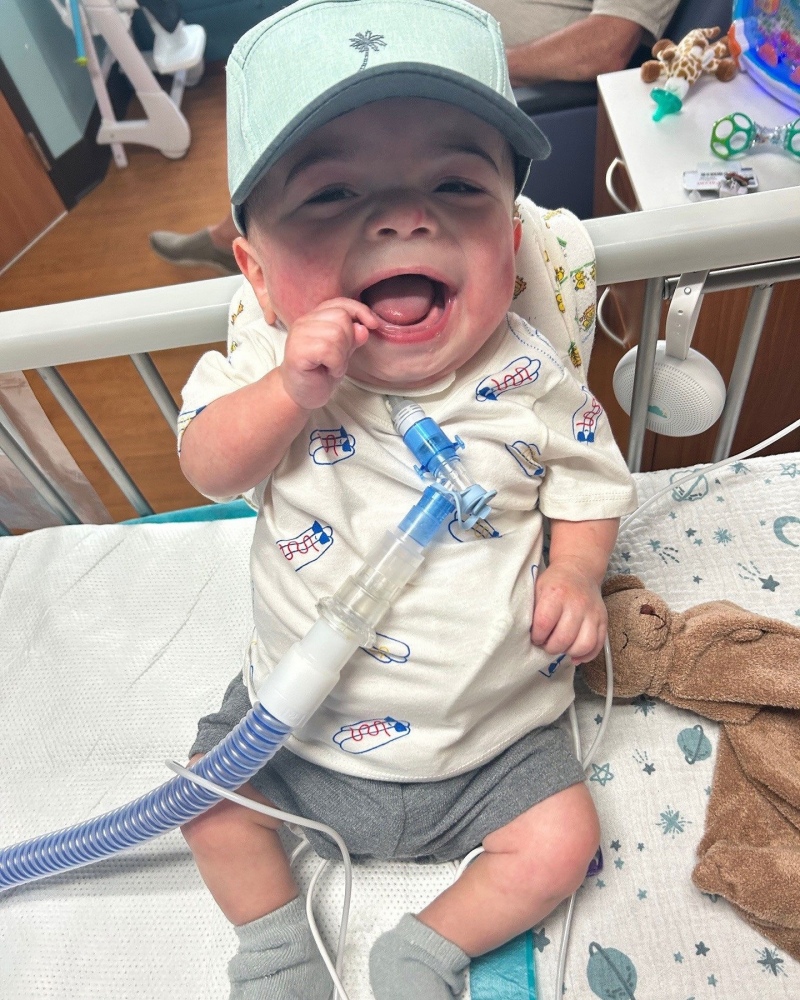
“He woke up from his tracheostomy ready to thrive, roll, play, laugh and get out of bed,” Carli adds.
Barrett gradually gained weight, reaching 19 lbs., and continued making progress. His parents began learning how to manage his home ventilator and gastrostomy feeding tube in preparation for his long-awaited return home.
“It was surreal, for sure,” Roman says. “We truly couldn’t believe it.”
During those 403 days, even simple milestones became reasons to celebrate.
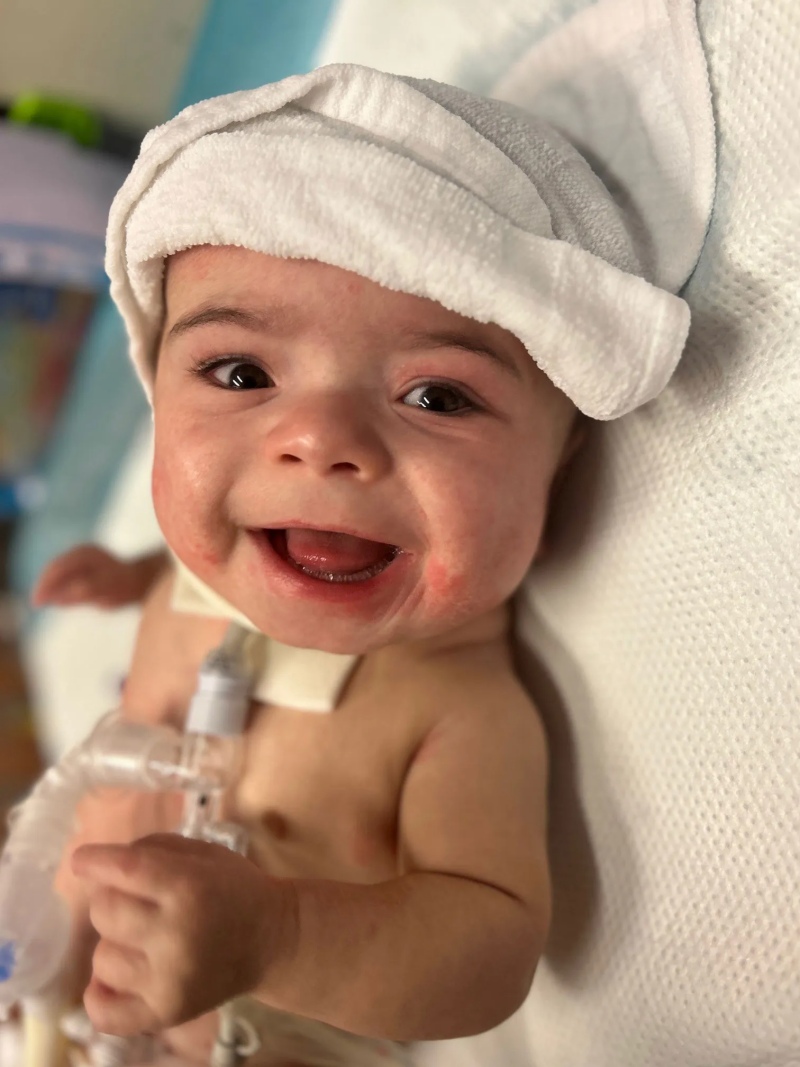
“Something as simple as changing his diaper felt like a victory,” Carli says. “There were many nights when we questioned whether we should keep pushing forward or focus more on his comfort and quality of life.”
“Thankfully, our medical team kept fighting alongside us,” she adds.
After finally leaving the NICU last month, Barrett returned home to his parents and older brother, Asher, 6. He still relies on a ventilator, tracheostomy and gastrostomy tube, but his family is hopeful about his progress.
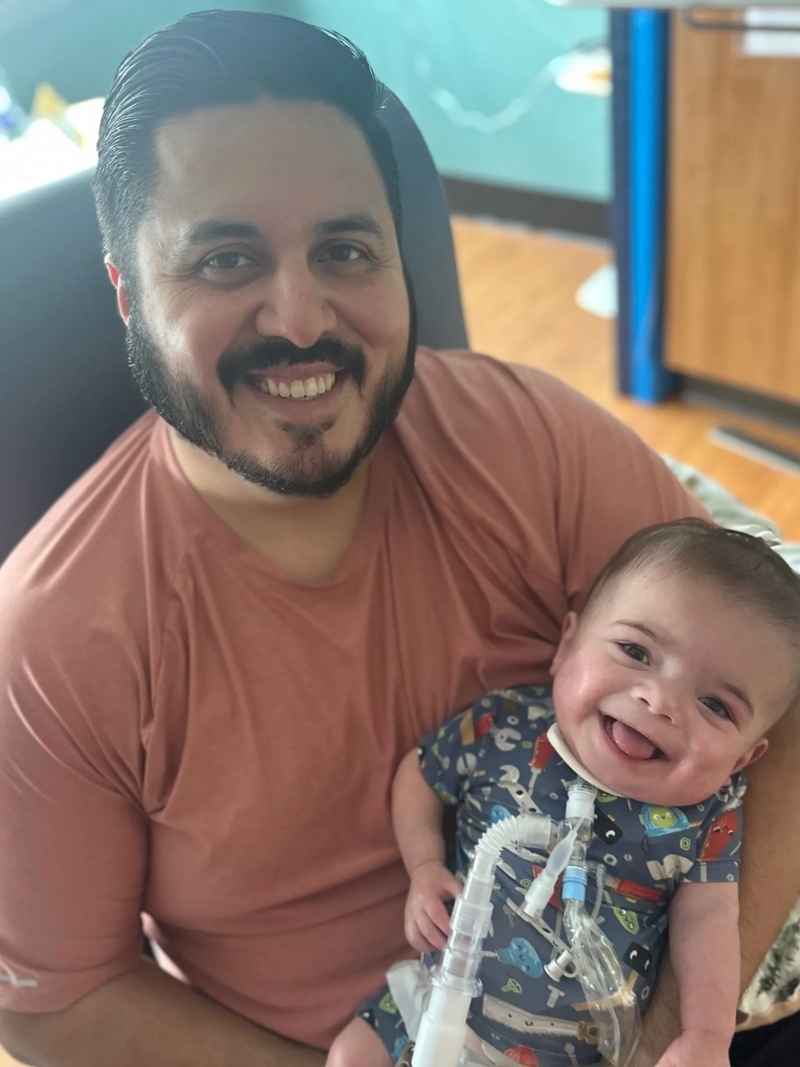
“We’re hoping to have him off the ventilator, maybe within the next year,” Carli says. He will also need further airway procedures before his tracheostomy can be removed.
“But our goal is that maybe when he turns 4–6 years old, we’re living a pretty normal life.”