‘DOCTORS WARNED THEIR BABY MIGHT NOT LIVE BEYOND TWO MONTHS AFTER SPOTTING A RARE WARNING SIGN’
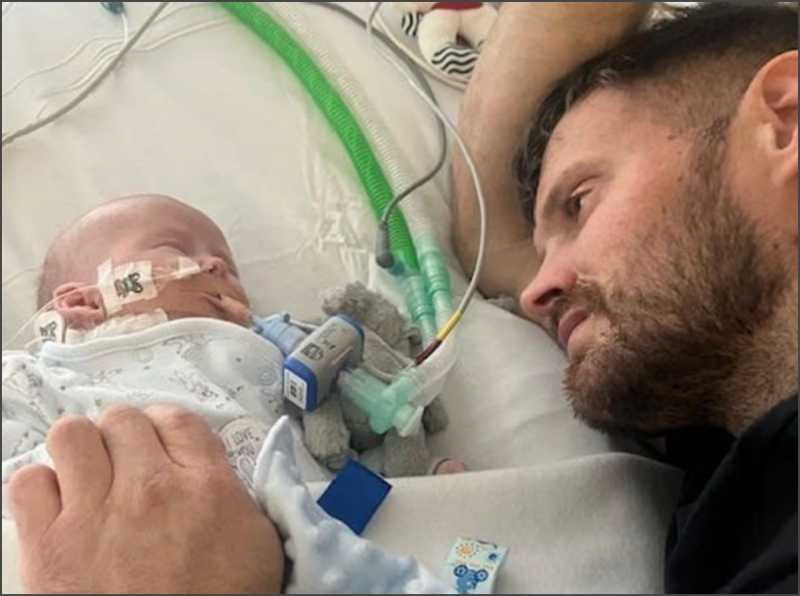
A four-week-old baby is one of just 23 children worldwide identified with an extraordinarily rare genetic condition — after doctors noticed his eyes looked cloudy at birth.
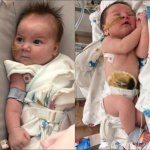
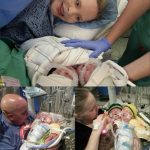
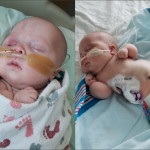
Little Tommy Parry experienced breathing difficulties when he was born, and doctors also noticed that his eyes appeared unusually cloudy. Initially, they suspected cataracts, but further scans revealed that his heart muscle was enlarged.
At just two weeks old, Tommy was referred to Great Ormond Street Hospital, where he and his parents, Chantelle Doran, 30, and Tom Parry, 33, underwent genetic testing.
On February 6, the family received heartbreaking news: Tommy had an extremely rare mitochondrial genetic condition so uncommon that it does not even have an official name.
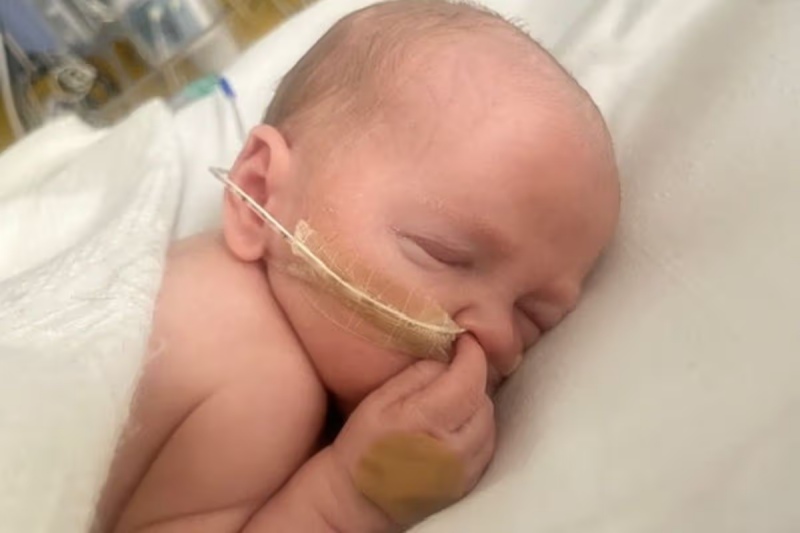
The condition affects his body’s ability to produce the energy needed for his heart and brain to function. His parents were also told that all 22 children previously identified with the same genetic condition had passed away before reaching two months of age.
Now, the family are desperately seeking a second medical opinion and hoping to raise awareness for future research and treatment possibilities.
Chantelle, a nursery worker from Hemel Hempstead, Hertfordshire, said: “We were told it was just bad luck. We’re still holding on to hope. They said there isn’t even a name for it because it’s so rare.
“His body isn’t producing the energy needed for his heart and brain to work properly. But he opens his eyes and moves his legs. I’m struggling to understand it when I see his eyes wide open. He’s been fighting from the start.”
Chantelle had enjoyed a smooth pregnancy and was delighted to welcome Tommy on January 8, weighing 6lbs 1oz at Watford General Hospital.
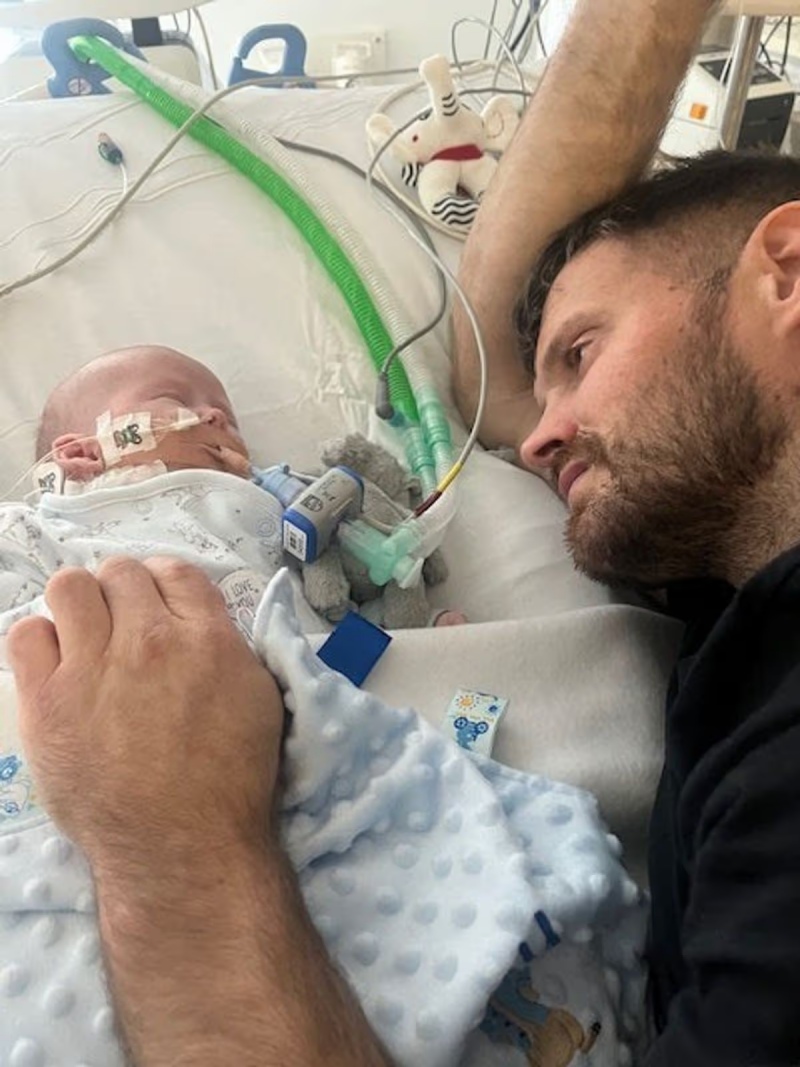
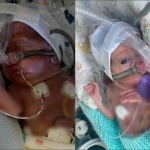
However, shortly after birth, Tommy experienced breathing difficulties and was taken to the neonatal intensive care unit. Doctors also noticed his cloudy eyes.
Further examinations revealed that his heart was not pumping as effectively as it should, with fluid collecting around it. Initially, doctors hoped the problem might improve on its own.
But when Tommy’s breathing became more difficult, repeat scans showed that the fluid around his heart had increased. He was then transferred to Great Ormond Street Hospital.
Chantelle recalled: “They took us into a room and told us he was extremely unwell. They said he might not make it through the next two days.”
But Tommy continued to fight. His parents underwent genetic testing alongside their little boy in an effort to understand his condition.
On February 6, they learned that Tommy had a rare mitochondrial genetic abnormality that neither parent carried. His condition was also affecting his brain development.
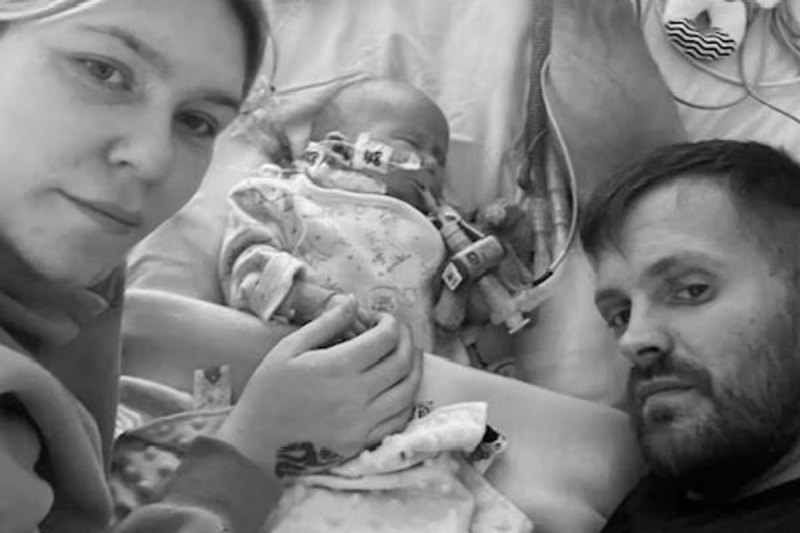
Chantelle said: “There have been 22 children in the world with this condition before Tommy. Not one of them survived beyond two months. They told us he might not have much time left.”
The family say they have been told that treatment options are extremely limited, and doctors have discussed withdrawing his ventilator support.
Chantelle explained: “He was on oxygen for two weeks. He even managed one day without it. Now he’s on a ventilator, and they say that’s what is keeping him alive.
“But at one point, he was able to breathe on his own. We feel he hasn’t been given a chance.”
Tommy’s family are now hoping to obtain an independent medical opinion to explore whether any further care or treatment might be possible.
They also want to raise awareness of this exceptionally rare genetic condition, hoping that greater recognition, earlier diagnosis and future research could help other children and families facing similar challenges.