BAYESIAN SUPERYACHT CAPSIZED IN JUST 15 SECONDS: NEW INVESTIGATION REVEALS CREW WERE UNAWARE OF DEADLY SAFETY RISK THAT KILLED SEVEN
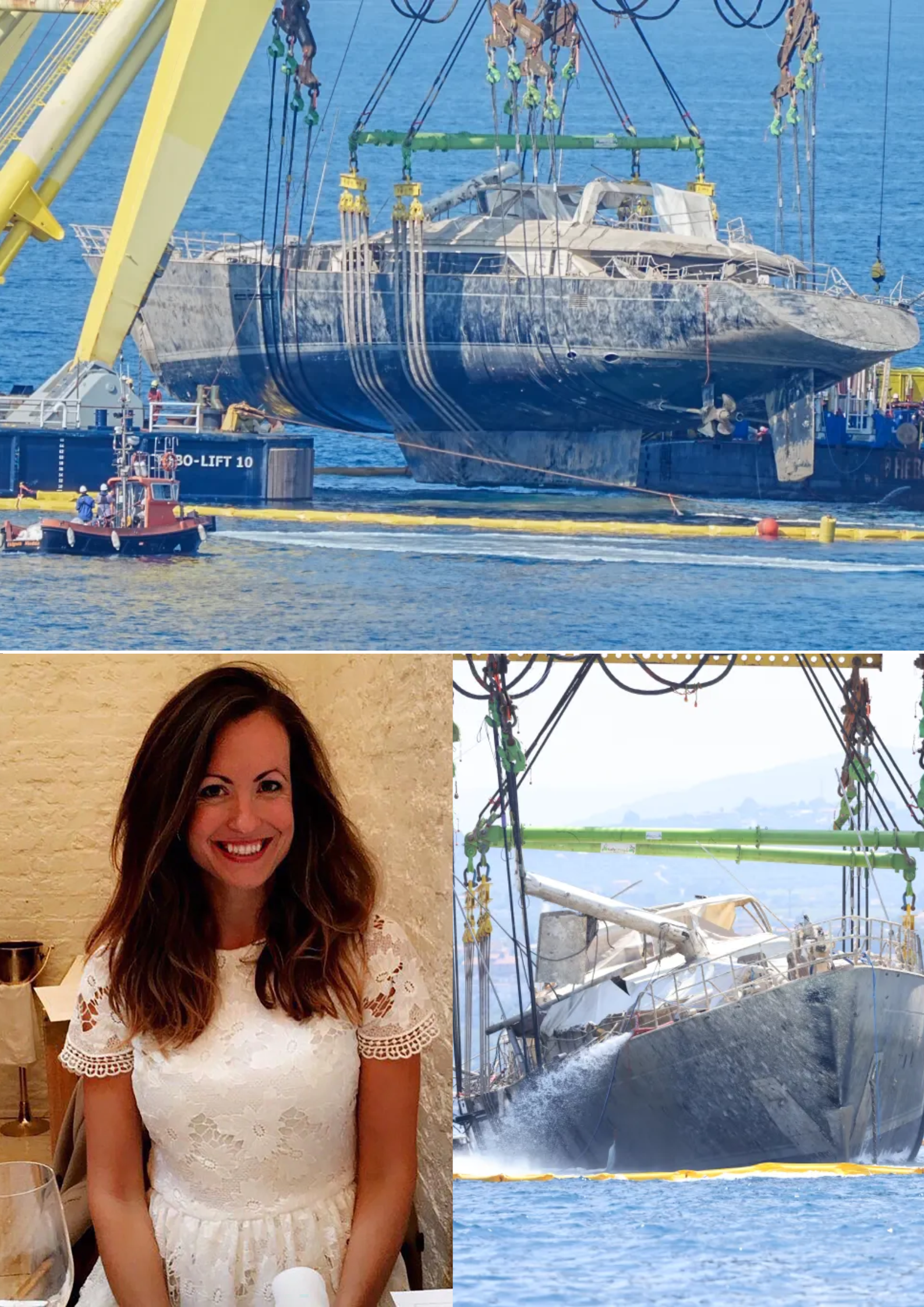
BAYESIAN SUPERYACHT CAPSIZED IN JUST 15 SECONDS: NEW INVESTIGATION REVEALS CREW WERE UNAWARE OF DEADLY SAFETY RISK THAT KILLED SEVEN
A devastating new investigation has revealed that the luxury superyacht Bayesian was vulnerable to powerful winds that its crew had never been properly warned about, before the vessel capsized and sank off the coast of Sicily, killing seven people.
The 56-meter sailing yacht sank in the early hours of August 19, 2024, near the fishing village of Porticello, Italy. Among those who lost their lives were British technology entrepreneur Mike Lynch, 59, and his 18-year-old daughter, Hannah.
The findings were published on November 19, 2026, by the UK’s Marine Accident Investigation Branch (MAIB), following an extensive investigation into one of the most shocking maritime tragedies in recent years.
According to investigators, the yacht was knocked onto its side in less than 15 seconds after being struck by an extremely powerful burst of wind.
 A SUDDEN STORM TURNED A CALM NIGHT INTO A NIGHTMARE
On the evening before the disaster, Bayesian had anchored off Porticello with 22 people aboard, including 12 passengers and 10 crew members.
Conditions initially appeared relatively calm. The yacht had moved to the area to shelter from approaching thunderstorms, and there was no clear indication of the devastating winds that would soon arrive.
But in the early hours of August 19, the weather changed dramatically.
At approximately 3:55 a.m., rain began falling and the wind started increasing.
Within minutes, powerful gusts struck the yacht.
Investigators believe the extreme conditions were most likely caused by a downburst — a violent downward rush of air from a thunderstorm that spreads outward when it reaches the surface.
Winds reached approximately 80 mph, or 129 km/h.
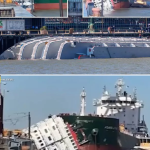
At around 4:06 a.m., Bayesian suddenly heeled over more than 90 degrees to starboard.
The vessel could not recover its balance.
Water entered the yacht, and approximately 18 minutes later, it disappeared beneath the sea.
 CREW HAD NOT BEEN WARNED ABOUT A CRITICAL DESIGN VULNERABILITY
One of the most significant findings in the final report concerned a previously unidentified weakness in the yacht’s stability.
Investigators discovered that Bayesian’s vulnerability to strong winds had never been properly assessed when the vessel was anchored with its sails lowered.
Its loading condition, wind direction and the position of its retractable centreboard all affected its stability.
The yacht also had an enormous 72-meter mast, which contributed to the forces acting on the vessel during extreme winds.
However, the crew had not been provided with sufficient information to understand how vulnerable the yacht could become in those circumstances.
The report also found that the weather forecasts had not explicitly communicated the potential severity of the extreme wind conditions.
As a result, the crew had limited information to recognize the developing danger and take preventive action.
Investigators emphasized that this was not simply a matter of an unexpected storm. A critical vulnerability in the vessel had never been adequately identified or communicated.
SEVEN PEOPLE LOST THEIR LIVES
The sinking claimed the lives of seven people.
They included:
- Mike Lynch, 59, the British technology entrepreneur.
- Hannah Lynch, 18, his daughter.
- Jonathan Bloomer, 70, chairman of Morgan Stanley International.
- Judy Bloomer, 71, Jonathan’s wife.
- Chris Morvillo, 59, an American lawyer.
- Neda Morvillo, 57, his wife.
- Recaldo Thomas, the yacht’s chef.
Fifteen people survived, including Mike Lynch’s wife, Angela Bacares.
Among the survivors was Charlotte Golunski, who made international headlines after describing how she desperately held her young daughter above the water as the yacht went down.
The survivors were eventually rescued by a nearby vessel after reaching a life raft.
A DESPERATE ESCAPE AS THE YACHT SANK
The investigation also revealed the terrifying conditions faced by passengers and crew as the vessel began to disappear beneath the water.
Some passengers had to find improvised ways to escape their cabins, while furniture and other objects were thrown around as the yacht tilted.
Investigators found that none of the yacht’s life rafts automatically released and inflated during the sinking.
Crew members had to manually deploy a raft to help those who managed to escape into the water.
The report praised the training, experience and initiative of crew members who helped organize survivors and get them safely into the life raft.
Investigators noted that once the yacht had been knocked onto its side, many emergency procedures were no longer practical.
BRITISH INVESTIGATION DIFFERS FROM ITALIAN PROBE
The new findings have also highlighted differences between the British investigation and the separate criminal investigation in Italy.
Italian prosecutors have reportedly focused on possible failures by members of the crew, with three crew members under investigation over potential criminal responsibility.
However, the British MAIB report emphasized the yacht’s previously unrecognized vulnerability, inadequate safety information and the lack of sufficiently detailed weather warnings.
The British investigation was conducted to establish the causes of the accident and prevent similar tragedies, rather than determine criminal liability.
The report does not settle the separate legal questions surrounding the disaster.
CALLS FOR STRONGER MARITIME SAFETY STANDARDS
Following the investigation, British authorities issued recommendations aimed at improving safety across the yachting industry.
These include reviewing yacht stability standards, improving training for yacht masters and providing better information about dangerous weather phenomena such as downbursts.
Investigators also called for improvements in how extreme weather risks are communicated to mariners.
The findings raise important questions about whether existing safety standards are sufficient to protect passengers and crew aboard some of the world’s most luxurious sailing vessels.
SEVEN LIVES LOST, QUESTIONS THAT REMAIN
What began as a voyage among friends, family and business associates ended in unimaginable tragedy.
Seven people never made it home.
Fifteen others survived an experience that would change their lives forever.
The latest investigation has revealed how a hidden safety vulnerability, combined with extreme weather that was not explicitly forecast, contributed to the disaster.
For the families who lost loved ones, the findings may provide important answers, but they cannot undo the devastating loss.
The tragedy of Bayesian now stands as a powerful warning that even the most expensive and sophisticated vessels are not immune to the forces of nature — and that safety information, proper preparation and effective emergency procedures can mean the difference between life and death.