BOMBSHELL LUCY LETBY REVELATION: KEY PROSECUTION EXPERT WAS BARRED FROM TREATING PATIENTS — BUT JURY WAS NEVER TOLD
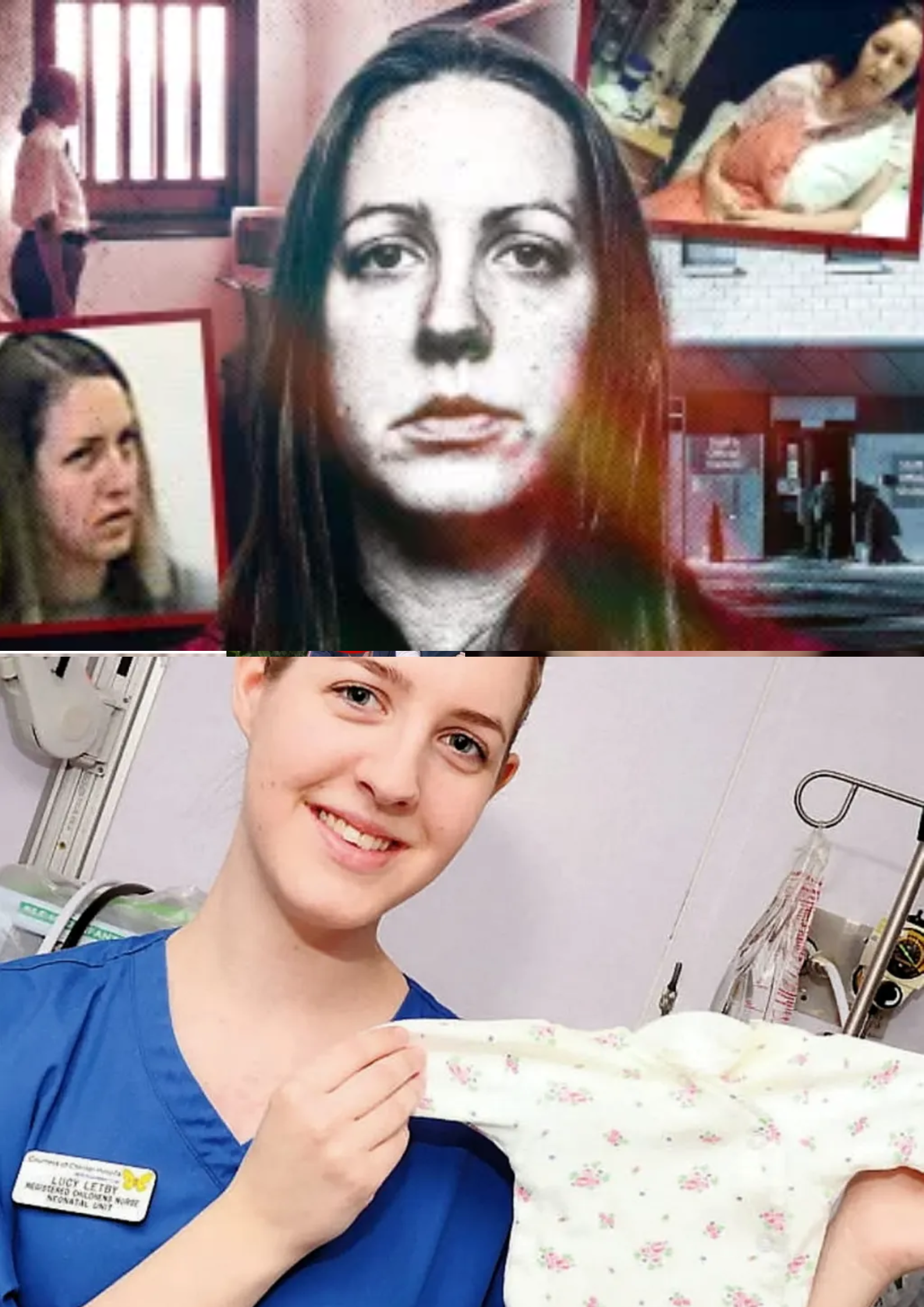
BOMBSHELL LUCY LETBY REVELATION: KEY PROSECUTION EXPERT WAS BARRED FROM TREATING PATIENTS — BUT JURY WAS NEVER TOLD
A major new development has raised fresh questions about the evidence used to convict former neonatal nurse Lucy Letby.
Professor Peter Hindmarsh, the medical expert whose testimony played a significant role in the prosecution’s case involving alleged insulin poisoning, had been barred from treating patients by his employer while Letby’s trial was still underway.
But the jury was never told about the hospital’s decision.
An investigation by The Guardian, followed by further reporting from The Sun, revealed that University College London Hospitals (UCLH) had removed Hindmarsh from clinical practice in March 2023 after raising serious concerns about his medical judgment and the potential risks to children.
The revelation has prompted renewed questions about what information was disclosed during one of Britain’s most closely watched criminal trials.
 THE EXPERT WHO HELPED BUILD THE PROSECUTION’S CASE
During Letby’s trial, Professor Hindmarsh was presented by prosecutor Nick Johnson KC as a leading authority on insulin.
His evidence focused on two babies, identified in court as Child F and Child L, whose blood test results were interpreted by the prosecution as evidence of insulin poisoning.
Hindmarsh told the court that the babies had likely received insulin through intravenous fluid bags.
The prosecution argued that Letby had deliberately contaminated those bags.
His testimony became an important part of the case against her. However, there was no direct or forensic evidence identifying who had introduced insulin into the bags.
Letby’s solicitor, Mark McDonald, has described the evidence as pivotal, arguing that it shaped how jurors viewed the wider allegations.
 WHY THE HOSPITAL REMOVED HIM FROM CLINICAL PRACTICE
According to documents reported by The Guardian, UCLH medical director Dr Tim Hodgson informed the General Medical Council (GMC) in March 2023 that the hospital could no longer allow Hindmarsh to treat patients, even under close supervision.
The concerns included cases in which Hindmarsh had allegedly advised families of children with diabetes to stop administering insulin.
In one case, a child subsequently experienced diabetic ketoacidosis — a potentially life-threatening complication associated with a severe lack of insulin.
The hospital also raised concerns about his clinical judgment and his approach to diagnosing and treating children with blood-sugar disorders.
Dr Hodgson reportedly told the regulator that UCLH could not accept the level of risk the professor appeared to pose to children and young people.
The decision came after Hindmarsh had already given his final evidence in Letby’s trial in February 2023, but before the proceedings had concluded.
THE JURY NEVER HEARD ABOUT THE BAN
Perhaps the most significant aspect of the revelation is that the jury was not informed that UCLH had excluded Hindmarsh from clinical practice.
A medical practitioners tribunal considered the GMC’s application to suspend his registration in April 2023. It did not suspend him, but ordered that he could continue clinical work only under direct supervision.
However, UCLH had already barred him from treating patients, meaning the tribunal’s decision did not allow him to resume clinical practice at the hospital.
The defence was not informed of the later restriction or the tribunal’s decision, according to The Guardian.
The distinction matters because expert witnesses are expected to disclose information that could reasonably undermine their professional opinions or credibility.
Whether the undisclosed information should have been presented to the jury is now part of the wider debate surrounding the case.
FRESH QUESTIONS OVER THE INSULIN EVIDENCE
The new revelations have also drawn attention to the scientific evidence used to support the prosecution’s insulin-poisoning theory.
Experts supporting Letby’s application for a review have challenged aspects of Hindmarsh’s interpretation of the babies’ medical records and blood test results.
They have questioned whether the test results were sufficiently reliable to establish that insulin had been deliberately administered through intravenous bags.
Some have also argued that alternative medical explanations were not adequately considered.
These are disputed expert opinions, not findings that have overturned the original verdicts.
The prosecution’s case was considered by a jury, and Letby has so far failed in two attempts to challenge her convictions through the Court of Appeal.
LAWYER SEEKS FRESH SCRUTINY
Letby’s solicitor, Mark McDonald, has been seeking a review of her convictions by the Criminal Cases Review Commission (CCRC), the independent body responsible for investigating potential miscarriages of justice.
The latest information about Hindmarsh is expected to form part of the material submitted in support of that application.
McDonald has questioned why the defence and jury were not made aware of the full extent of the concerns surrounding the expert’s clinical practice.
The Crown Prosecution Service has maintained that it met its disclosure obligations. Hindmarsh’s representative declined to comment on the latest reporting.
The GMC investigation into Hindmarsh did not reach a final determination: he voluntarily left the medical register in November 2024.
WHAT HAPPENS NEXT?
Lucy Letby remains in prison, serving 15 whole-life sentences after being convicted of murdering seven babies and attempting to murder seven others at the Countess of Chester Hospital.
She continues to maintain her innocence.
The latest revelations do not automatically invalidate her convictions, and no court has ruled that the expert’s evidence was inadmissible or that the verdicts must be overturned.
But they have introduced another important question into an already complex case: should the jury have been told that a central prosecution expert had been removed from clinical practice over concerns about patient safety?
For Letby’s legal team, the answer could have significant implications as they continue seeking a review of her convictions.
For now, the CCRC process remains an important next step — and the debate over the medical evidence at the heart of the case is far from over.