Born With a Rare Condition Baby Amelia’s Brave Early Journey and the Hope Guiding Her Forward
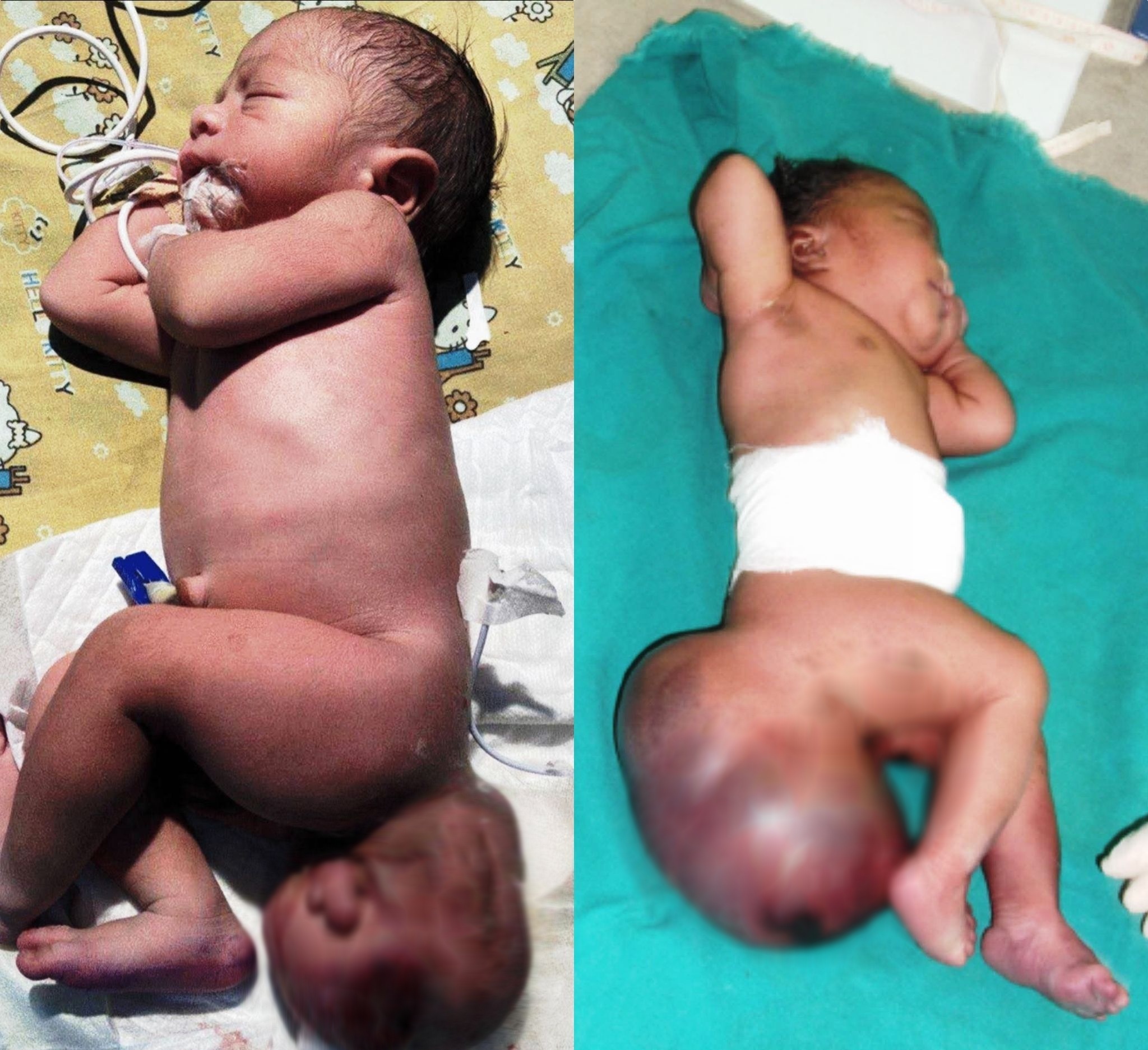
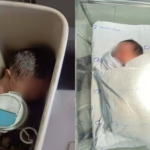
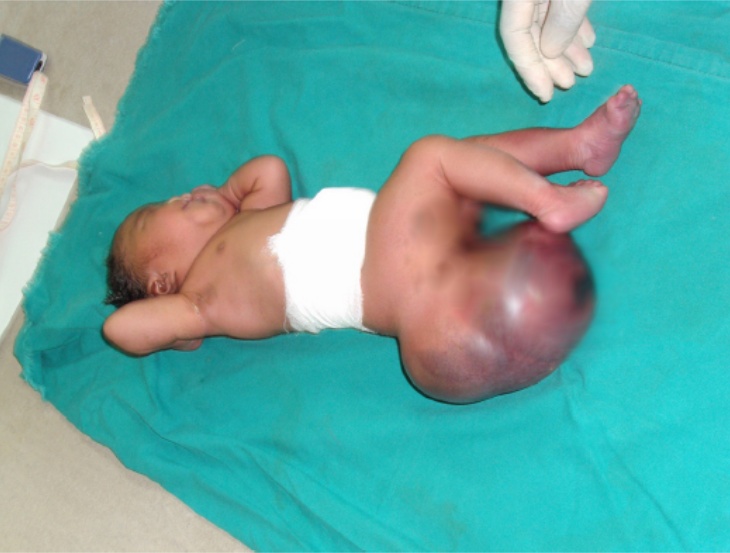
A newborn named Amelia is receiving ongoing medical care after being diagnosed with a rare congenital condition known as sacrococcygeal teratoma, a growth that develops near the tailbone during early stages of fetal development. The condition is uncommon and is most frequently identified in newborns or even before birth through prenatal screening.
According to medical specialists, sacrococcygeal teratoma occurs when cells involved in early growth form an abnormal mass near the lower spine. While the condition is rare, it appears more often in girls than in boys and requires careful evaluation shortly after birth. Early diagnosis is considered critical in determining the safest course of treatment.
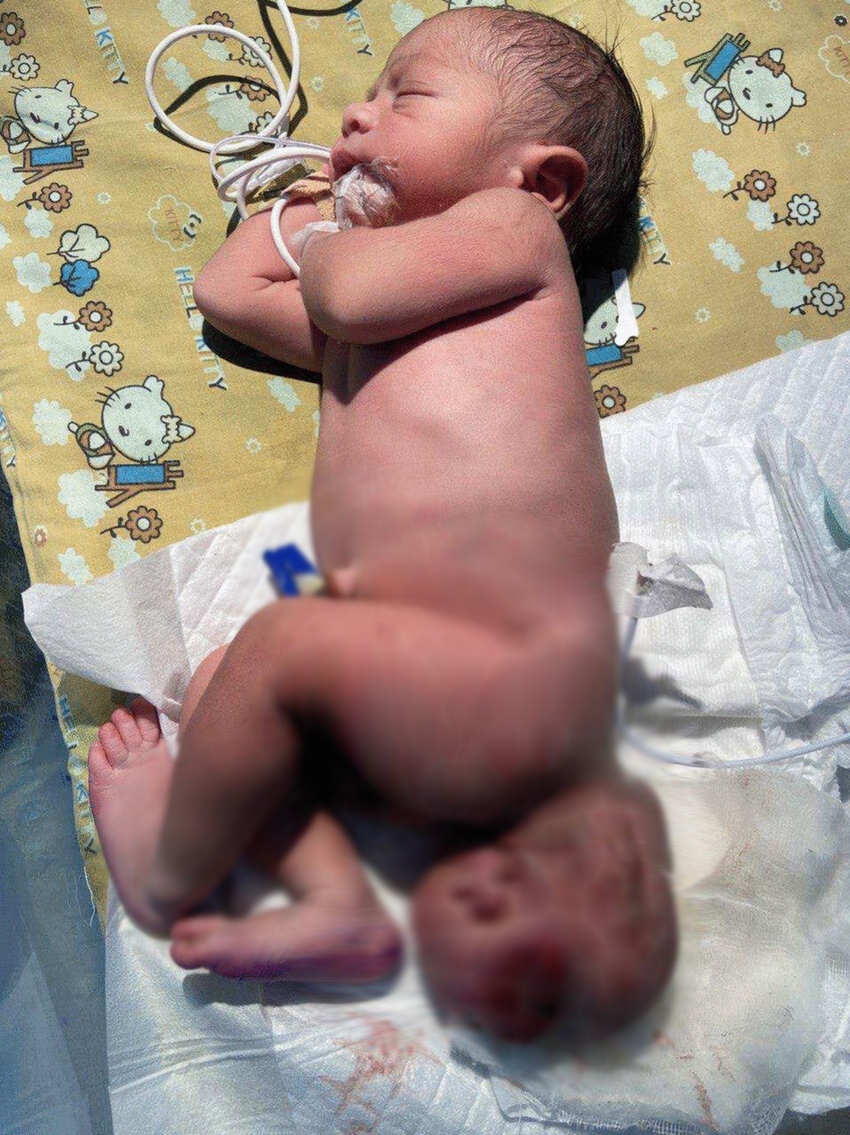
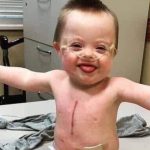
In Amelia’s case, doctors identified the mass soon after she was born. After detailed assessment and planning, surgery was recommended as the most effective option. A multidisciplinary team of pediatric surgeons and neonatal specialists carried out the procedure with the goal of removing the growth and supporting Amelia’s development.
Medical staff involved in her care noted that recovery from such surgery in infancy requires close monitoring and patience. Infants may face challenges related to healing and overall stability, but early intervention can significantly improve outcomes. “These cases demand constant observation and coordinated care,” one specialist explained. “Each small improvement matters.”
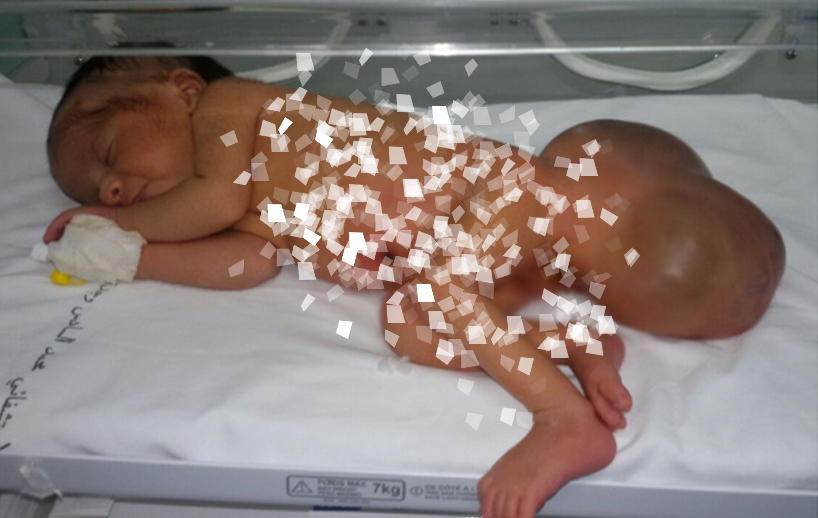
Amelia’s family has remained by her side throughout the process, focusing on her gradual progress. While the road has included moments of uncertainty, her response to treatment has offered cautious optimism. Care providers emphasized that strength in newborns often reveals itself through steady recovery rather than dramatic changes.
Stories like Amelia’s highlight the importance of early medical evaluation and specialized pediatric care for rare conditions detected at or before birth. As Amelia continues to heal, her case serves as a reminder of how advances in neonatal surgery and attentive follow-up can make a critical difference in the earliest days of life.
Doctors will continue to monitor her development closely in the coming months, with the hope that she can move forward into infancy with growing stability and strength.