A Once-in-a-Generation Medical Miracle The Rare Triplets Who Redefined Hope and Resilience
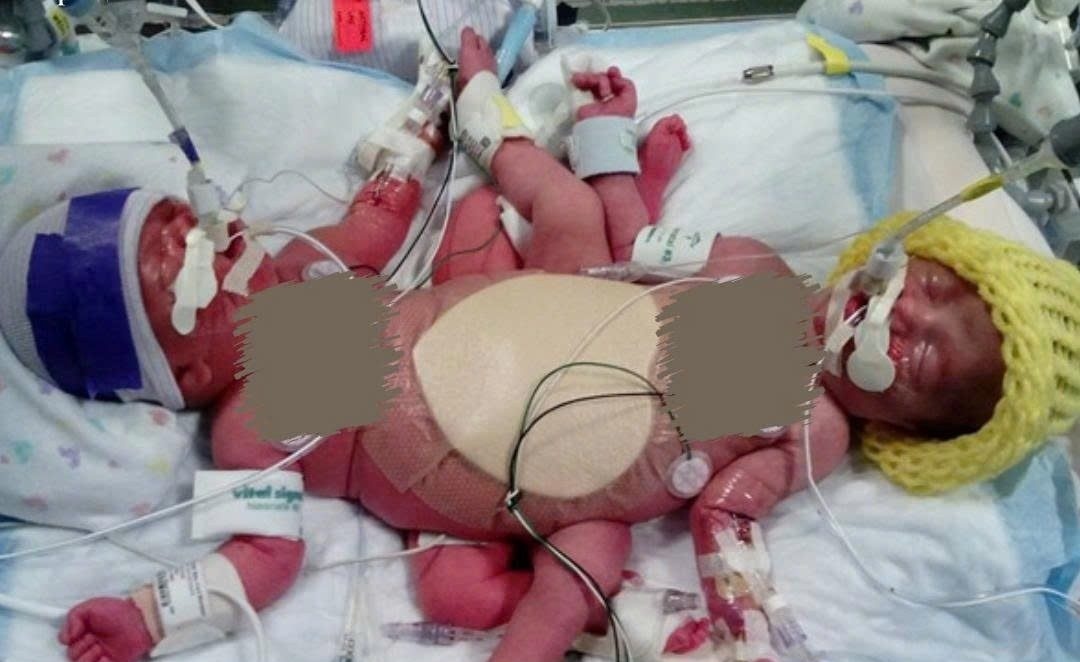
The medical world was once shaken by an extremely rare case of triplets. Among them were conjoined twins, a phenomenon that stunned doctors and the global public.
This is considered a unique case of triplets in the world.
Statistics show that out of 50 million births, only one case of triplets includes conjoined twins, and of those, only about 6% are joined at the hips. However, Sylvia Hernandez and Roel Torrez simultaneously fell into both of these extremely rare categories.
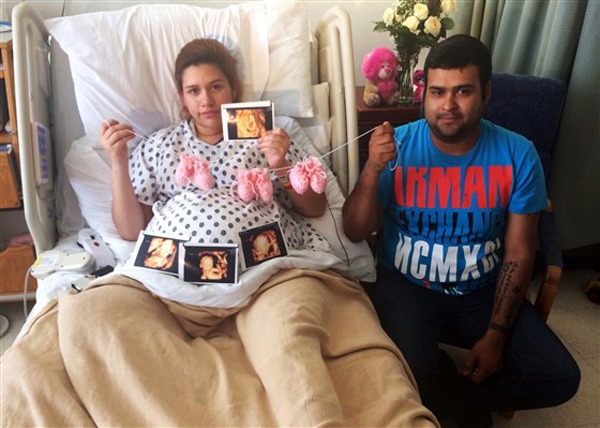
Sylvia and her husband were overjoyed to learn that their small family was about to welcome another member, completing their warm family of four. But that joy didn’t last long. From the second month of pregnancy, a series of unexpected events arrived, completely changing their lives.
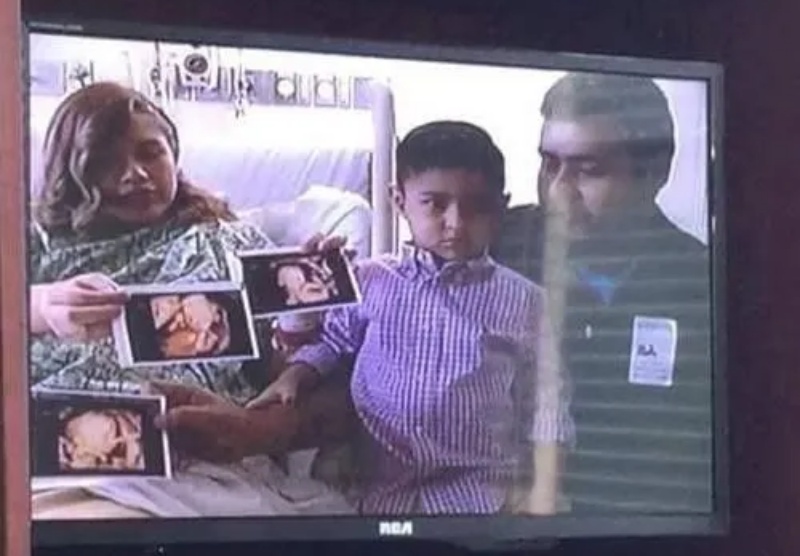
“Initially, we discovered Sylvia was pregnant with twins when she was in her second month,” Roel recounted. “By the third month, the doctor announced it wasn’t twins, but triplets. We were terrified and worried. But a month later, an even bigger shock came when the doctor revealed that two of the three babies would be conjoined.”
Fear gripped the entire family. Doctors warned that the children could face numerous dangerous complications. Despite this, Sylvia and her husband made a firm decision: to fight alongside their children.
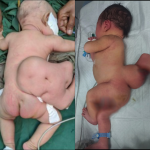
The twins were identified as conjoined at the pelvis. The two girls had separate legs and could move, but shared a portion of their intestines and abdominal wall. Doctors said it would take six months to a year of monitoring and preparation before surgery could be considered. Prior to that, the babies would undergo a series of rigorous tests and examinations.
Carrying triplets already carries many risks, and now with conjoined twins, Sylvia is constantly worried about her children’s survival. “I cried a lot,” she shared. “Not because of their appearance, but because the doctors said we had to accept the possibility that they might not survive after birth. But I also knew that we would do everything to give them the best life possible.”
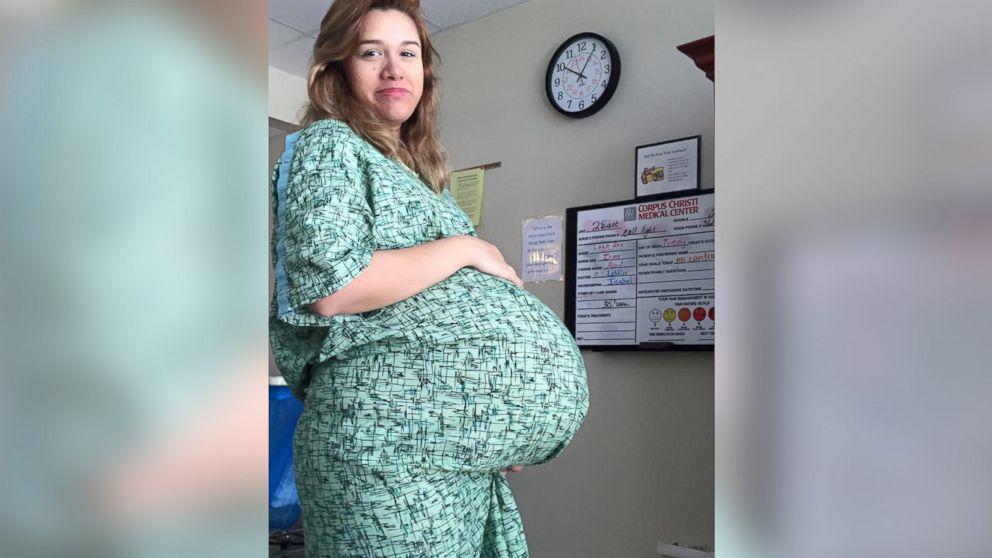
In the final weeks of her pregnancy, Sylvia was hospitalized for six weeks. At that time, the family already had a two-year-old son named Raul Jr., so Roel had to quit his job as an artist to focus entirely on caring for his wife and children. “There were times when Sylvia couldn’t even stand up, walk, or do personal activities on her own,” Roel shared with KiiiTV.
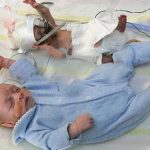
On May 16, 2015, Sylvia gave birth to triplets Catalina, Ximena, and Scarlett at 34 weeks of gestation. All three weighed over 1.8 kg. Catalina was fortunate enough not to be conjoined, so she was able to stay with her mother, while twins Ximena and Scarlett were transferred to the Neonatal Intensive Care Unit (NICU) at Driscoll Children’s Hospital just 70 minutes after birth.
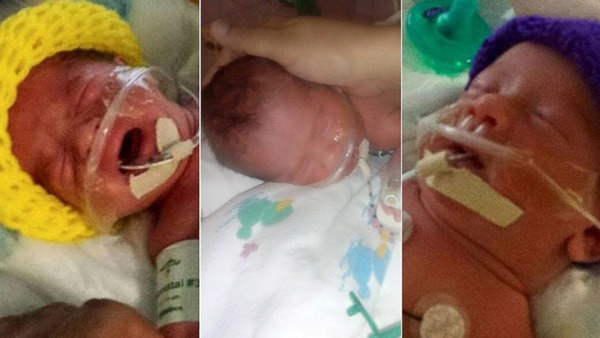
Since then, Scarlett and Ximena have lived at the hospital receiving special care and preparing for their separation surgery. The medical team, led by pediatric surgeon Haroon Patel, used computer simulations and 3D anatomical models to meticulously plan the operation.
On April 12, 2016, the surgery officially began at 8:37 a.m. and ended at 8:47 p.m. that same day—lasting over 12 hours. Forty-five medical professionals participated, including pediatric surgeons, plastic surgeons, urologists, orthopedic surgeons, and anesthesiologists. Before and after the surgery, the medical team also collaborated with rehabilitation, nutrition, and therapy specialists to provide maximum support for the two girls.
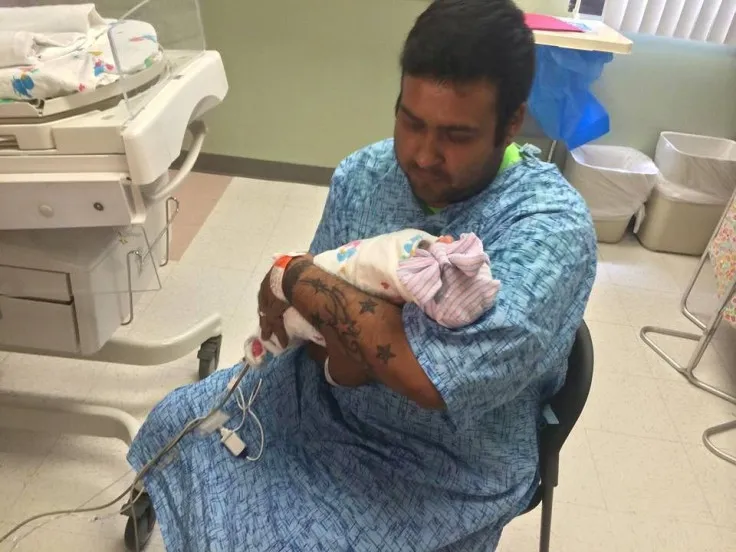
Doctors said that in the future, Scarlett and Ximena will still need additional surgeries as they grow older.
On May 16, 2016, the triplets celebrated their first birthday at Driscoll Hospital, surrounded by family and friends. Two days later, on May 18th, Scarlett and Ximena were officially discharged from the hospital and returned home to the Rio Grande Valley.
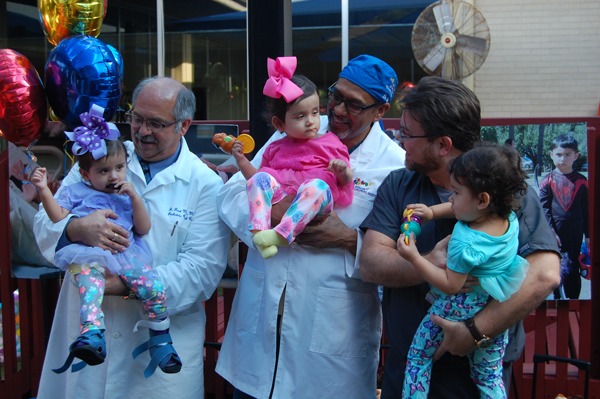
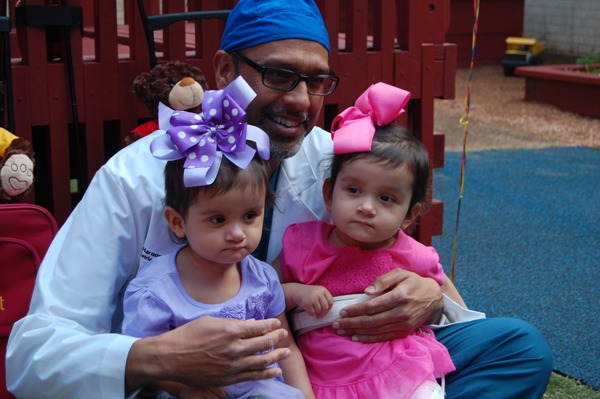
After returning home, Sylvia’s family limited their media exposure but continued to share photos and updates about their children on their personal Facebook accounts. In her last post on August 16, 2017, Sylvia wrote:
“Sorry for the long update. The two girls are getting better every day. Doctors used to say they only had a 50% chance of walking, but today they proved they can crawl, stand, and soon will be walking confidently.”
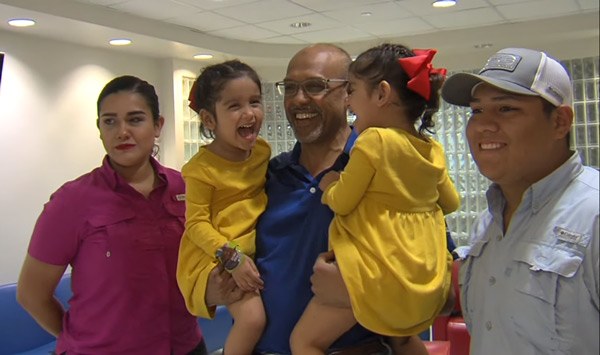
Dr. Patel also expressed his amazement at the girls’ recovery. He said that with this progress, they will become increasingly less dependent on others in the future. However, Ximena may face more difficulties than her sister because she only has one kidney and needs regular medical monitoring. Despite this, the family remains confident that she will bravely overcome her challenges.