Little Dik Putri’s Brave Journey as a Serious Illness Changes His World Day by Day
- ThanhHuyen
- January 23, 2026
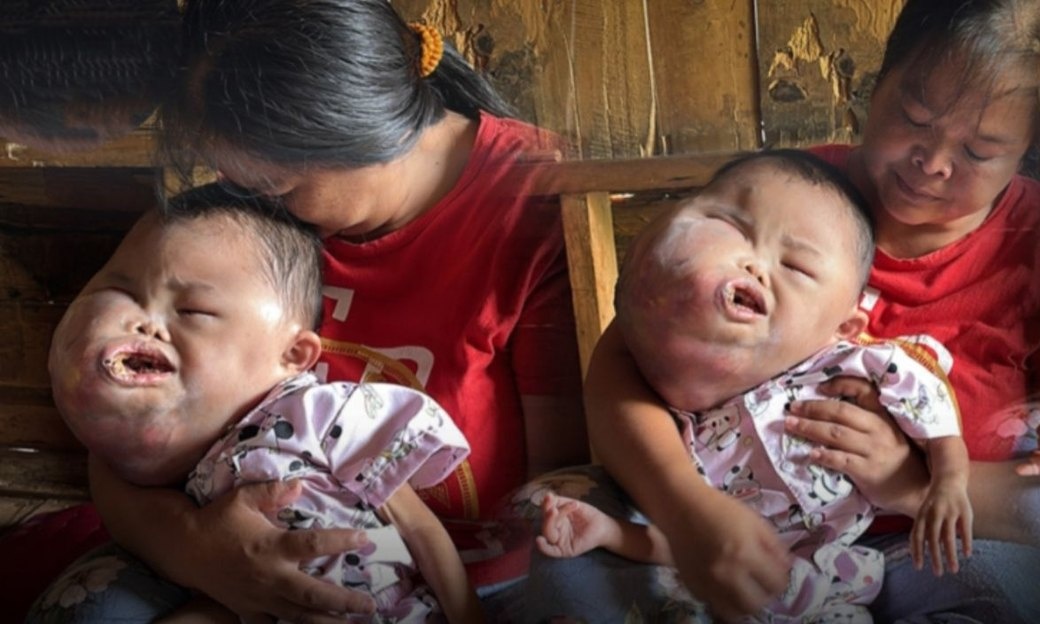
No mother is ever prepared to watch her child endure overwhelming physical suffering. For Nia, that painful reality has become her daily life as her two-year-old daughter, Dik Putri, fights an advanced form of cancer that has drastically altered her young life.
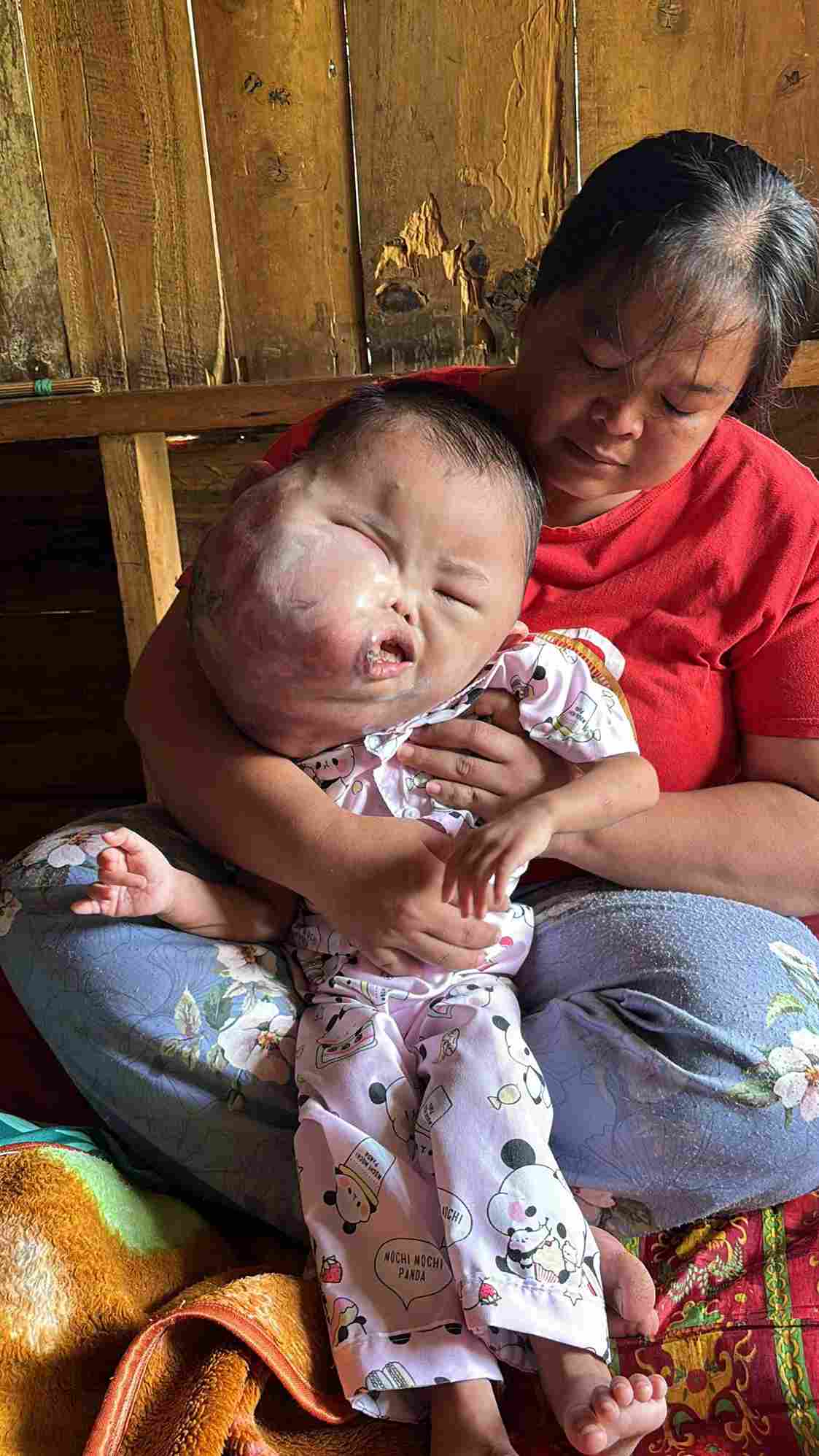
Dik Putri was initially diagnosed with eye cancer, but the illness progressed rapidly. Over time, malignant cells spread beyond the eye area, forming a massive tumor on the right side of her face and extending toward her neck. Doctors say the growth has now reached the size of a volleyball, severely affecting the toddler’s ability to sit upright or eat normally.
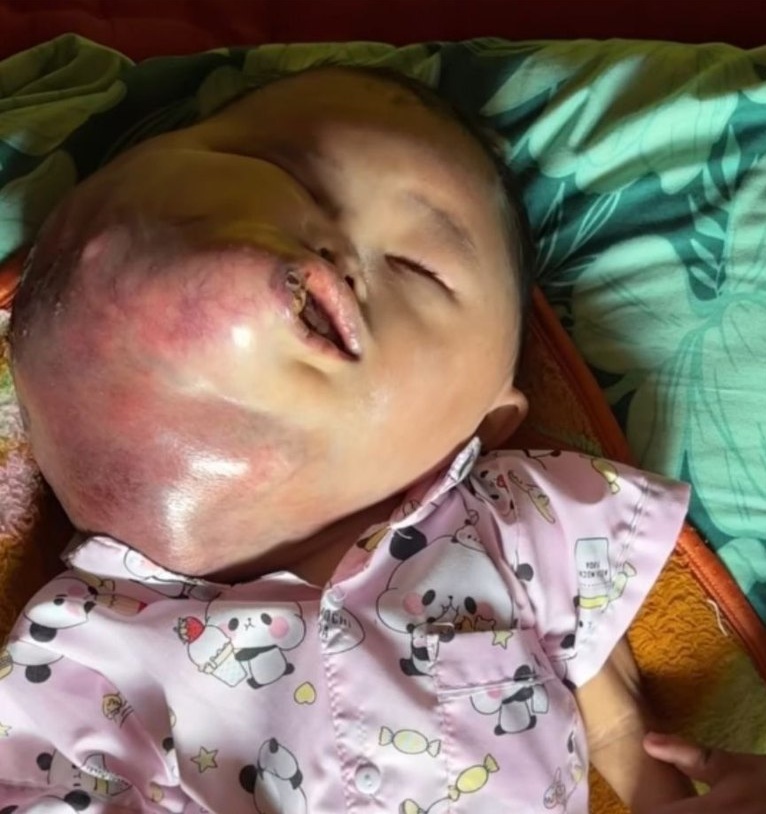
The swelling has distorted her facial structure, and tragically, both of her eyes have lost vision and can no longer be medically preserved. Medical professionals describe the condition as aggressive, with the tumor continuing to expand at an alarming rate despite previous interventions.
In recent weeks, Dik Putri’s condition has worsened significantly. The surface of the tumor has darkened and begun releasing fluid, a sign of tissue damage and infection risk. According to hospital staff, these developments indicate how urgently treatment is needed to prevent further complications.
Doctors have issued a clear warning: without immediate and continued medical care, cancer cells may spread to vital organs, particularly the brain. Such progression would place the child’s life in extreme danger.
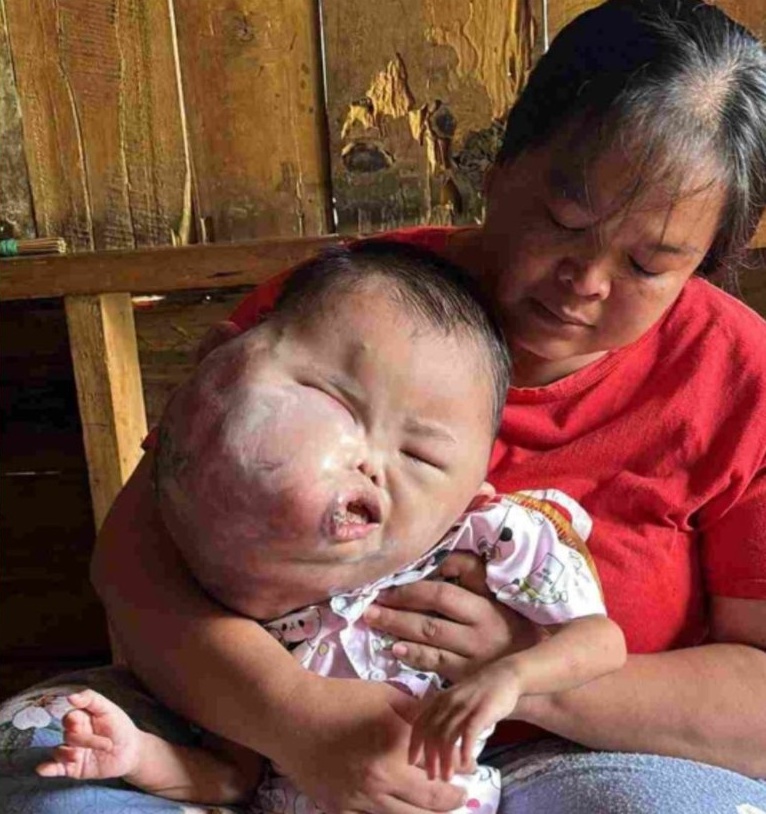
Speaking softly about her daughter’s situation, Nia said that every day feels like a race against time. Her words reflect not only fear, but also determination. She explained that she is willing to do any kind of work as long as it gives her daughter a chance to receive proper treatment. Observers note that her statement highlights the emotional burden carried by parents in similar circumstances—caught between hope and the harsh limits of financial reality.
Nia currently works as a laundry laborer, earning a modest daily income. While she carefully saves what she can, her earnings fall far short of covering the full cost of ongoing hospital visits, transportation, meals during treatment periods, and follow-up care. Medical expenses continue to rise as Dik Putri’s condition becomes more complex.
Health experts emphasize that early and sustained treatment is critical in pediatric cancer cases, especially when the disease shows signs of rapid spread. However, access to such care often depends on financial stability, community support, and timely intervention.
As Dik Putri’s story comes to light, it underscores a broader issue faced by many families dealing with severe childhood illness: the emotional resilience of parents and the urgent need for accessible medical assistance. For Nia, every effort she makes is driven by a single hope—that her daughter will be given the chance to survive and live without constant pain.