Mother Discovers Rare Tumor in Newborn During Childbirth: Baby Pedro’s Remarkable Recovery
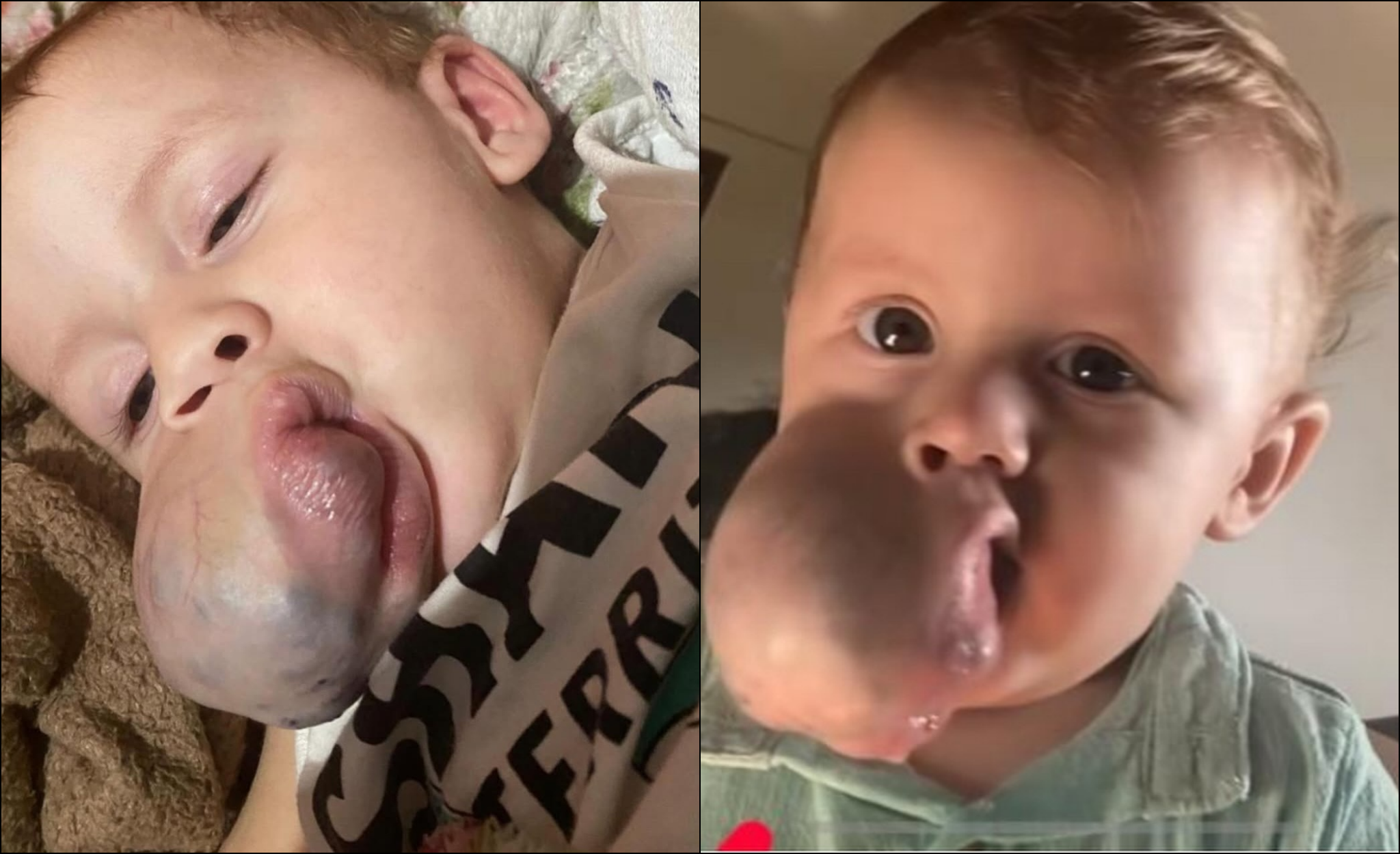
Paraíba, Brazil — “I didn’t know how to cope,” recalls Crislaine Camila Rodrigues da Silva, 22, as she reflects on the moment she learned that her newborn son, Pedro, had been born with a rare tumor. The discovery came unexpectedly during childbirth, marking the beginning of a long and emotionally challenging journey for the young mother and her family.
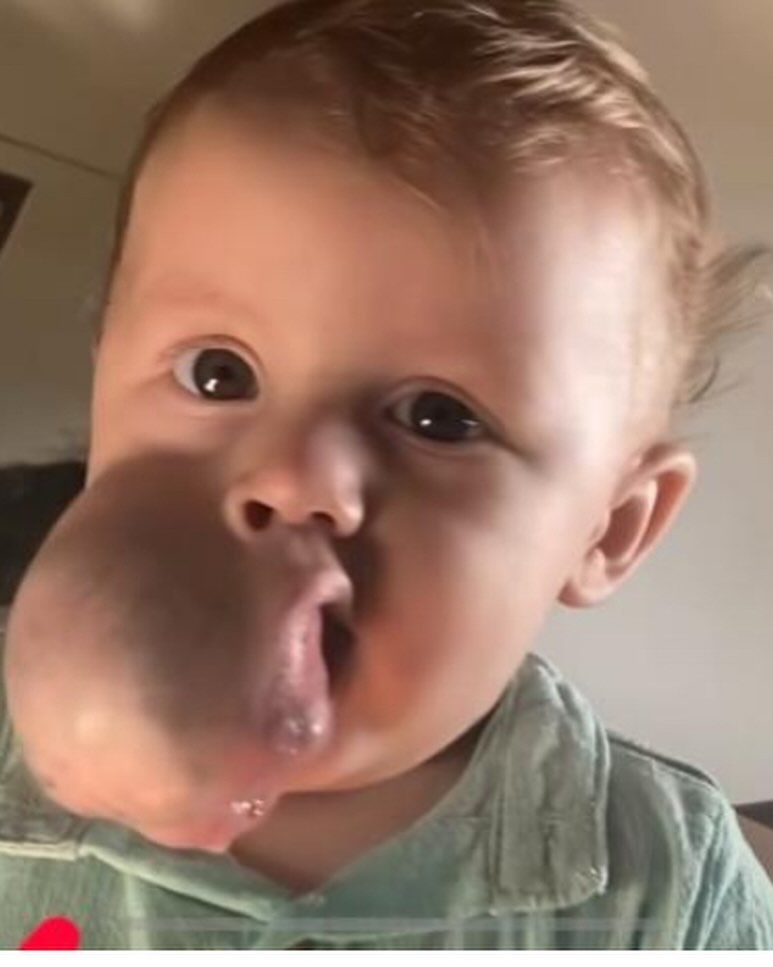
“Pedro was born with the tumor. However, we didn’t know. We only found out during childbirth,” Crislaine explained. Her words reveal not only shock, but also the sense of helplessness many parents feel when confronted with an unforeseen medical condition at such a critical moment. With no prior warning during pregnancy, the family was suddenly faced with uncertainty, fear, and urgent decisions about their baby’s future.
Although the tumor was present at birth, Pedro’s surgery to remove it only took place one year later. During that time, the lesion continued to grow, requiring careful monitoring and specialist evaluation. Now, after the long-awaited procedure, Pedro is recovering well, and the family is already celebrating what Crislaine describes as a “surprising” result.
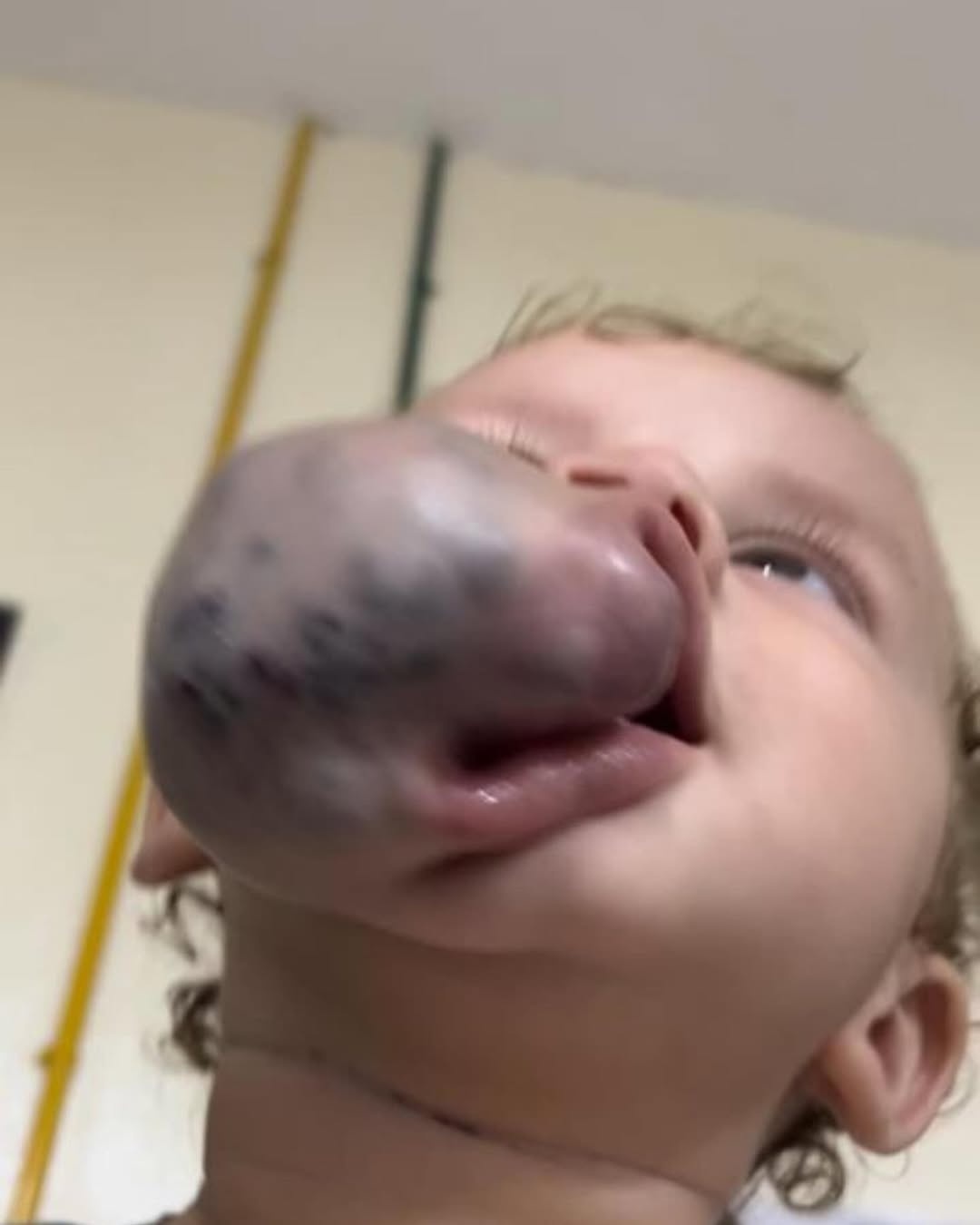
Pedro was diagnosed with angioleiomyoma, also known as vascular leiomyoma. According to head and neck surgeon Klécius Leite Fernandes, who performed the operation and teaches Surgery at the Federal University of Paraíba, this condition is defined by the World Health Organization as a benign tumor arising in the skin or subcutaneous tissue, made up of smooth muscle cells organized around multiple blood vessels.
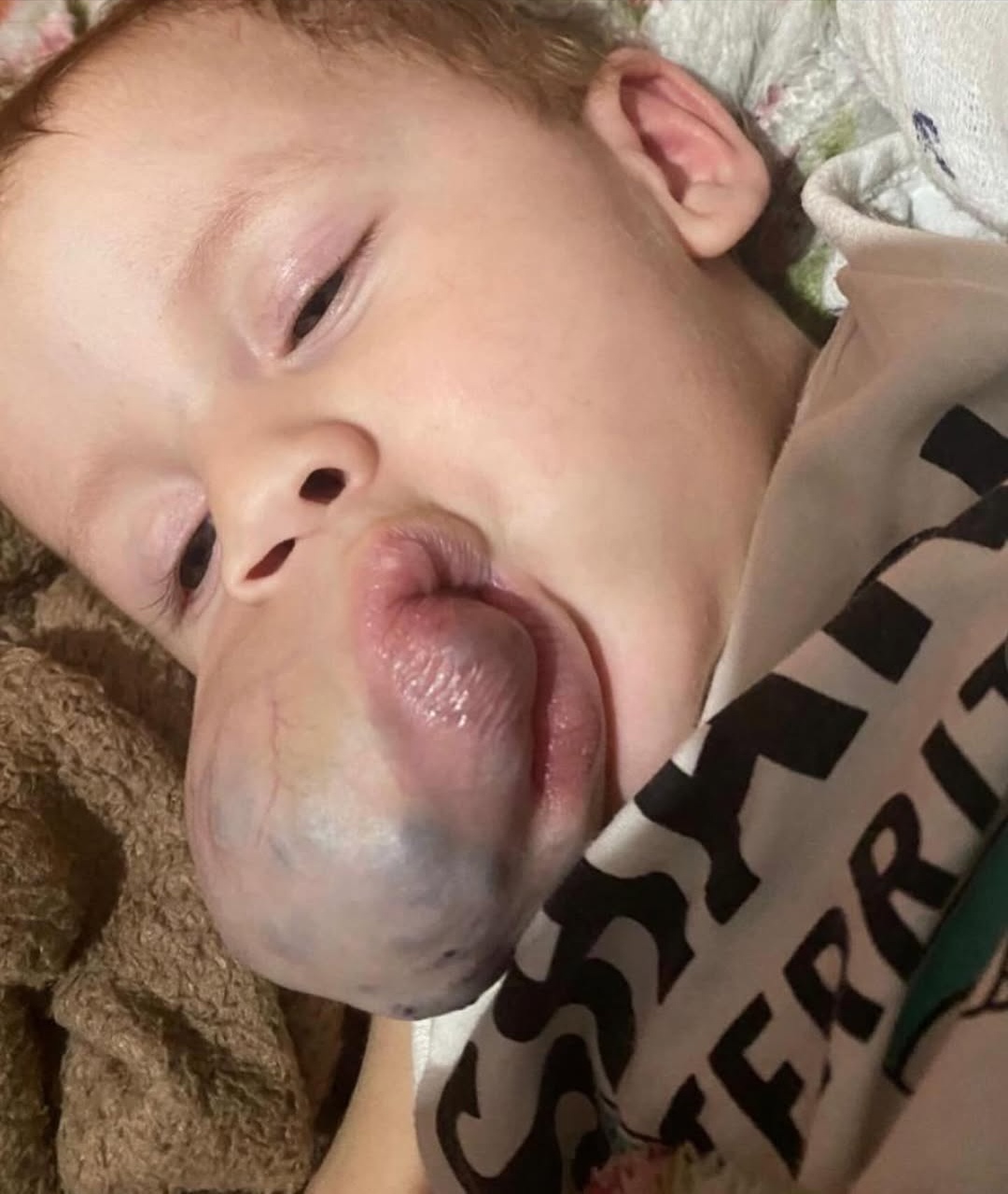
“These tumors are more commonly found in the extremities, especially below the knee,” Dr. Fernandes explained. “They are typically vascularized, which gives them a purplish appearance. Depending on the subtype, they may cause discomfort, bleeding, or show faster growth.”
In Pedro’s case, the situation was even more unusual. Dr. Fernandes emphasized that the tumor’s location and behavior made it exceptionally rare. “This more aggressive subtype was Pedrinho’s. It is extremely uncommon on the lip, and after reviewing the global medical literature, it appears to be the largest reported case for his age group and for this specific type of tumor,” he said.
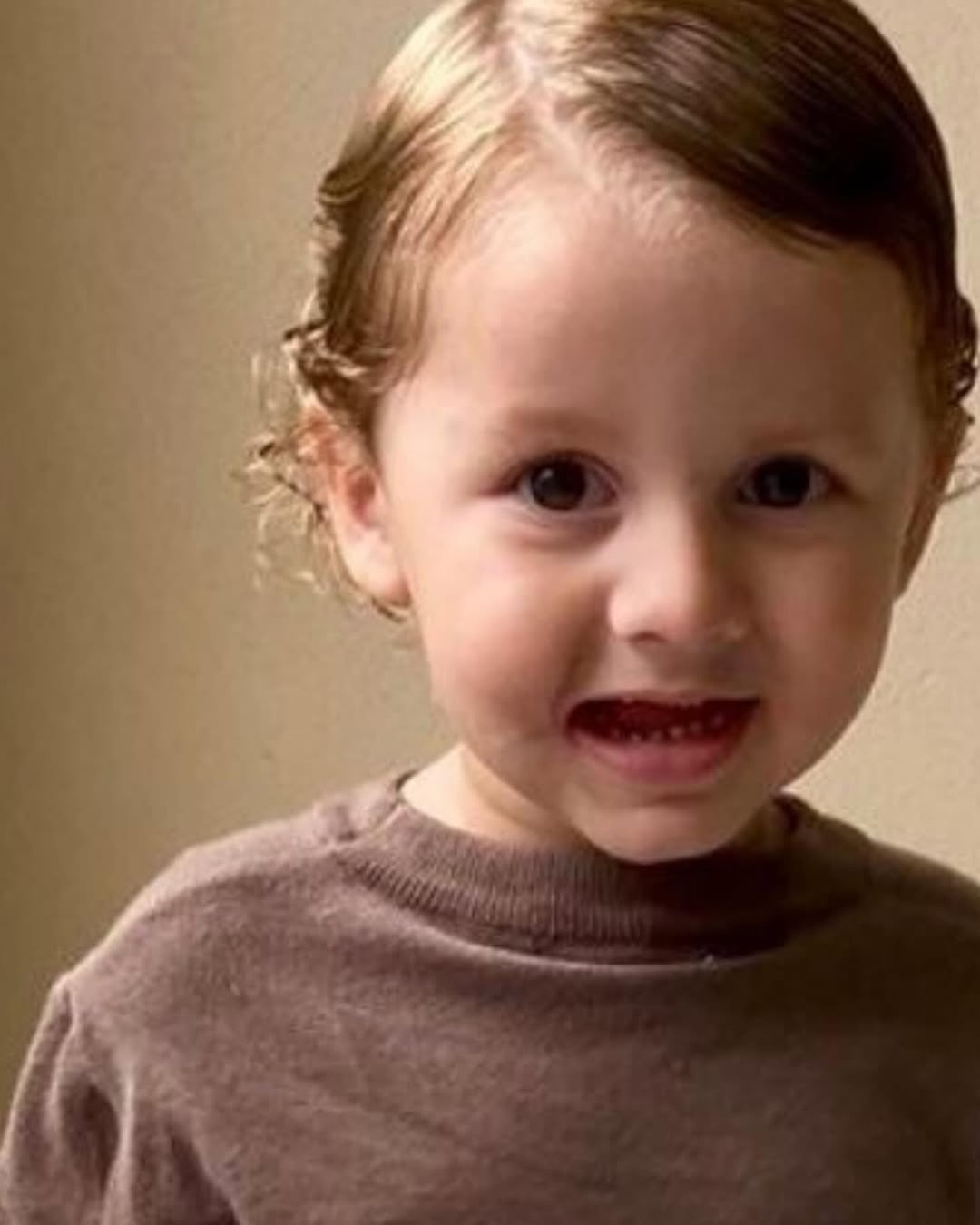
Over recent months, the tumor’s growth became increasingly evident. It began to interfere with basic functions such as eating and posed potential risks to speech development and nearby structures, making surgical intervention unavoidable.
One of the questions raised by Pedro’s case is why the tumor was not identified during pregnancy. Dr. Fernandes explained that prenatal detection can be difficult, particularly when the lesion is still small. “At that stage, it was not very evident,” he noted.
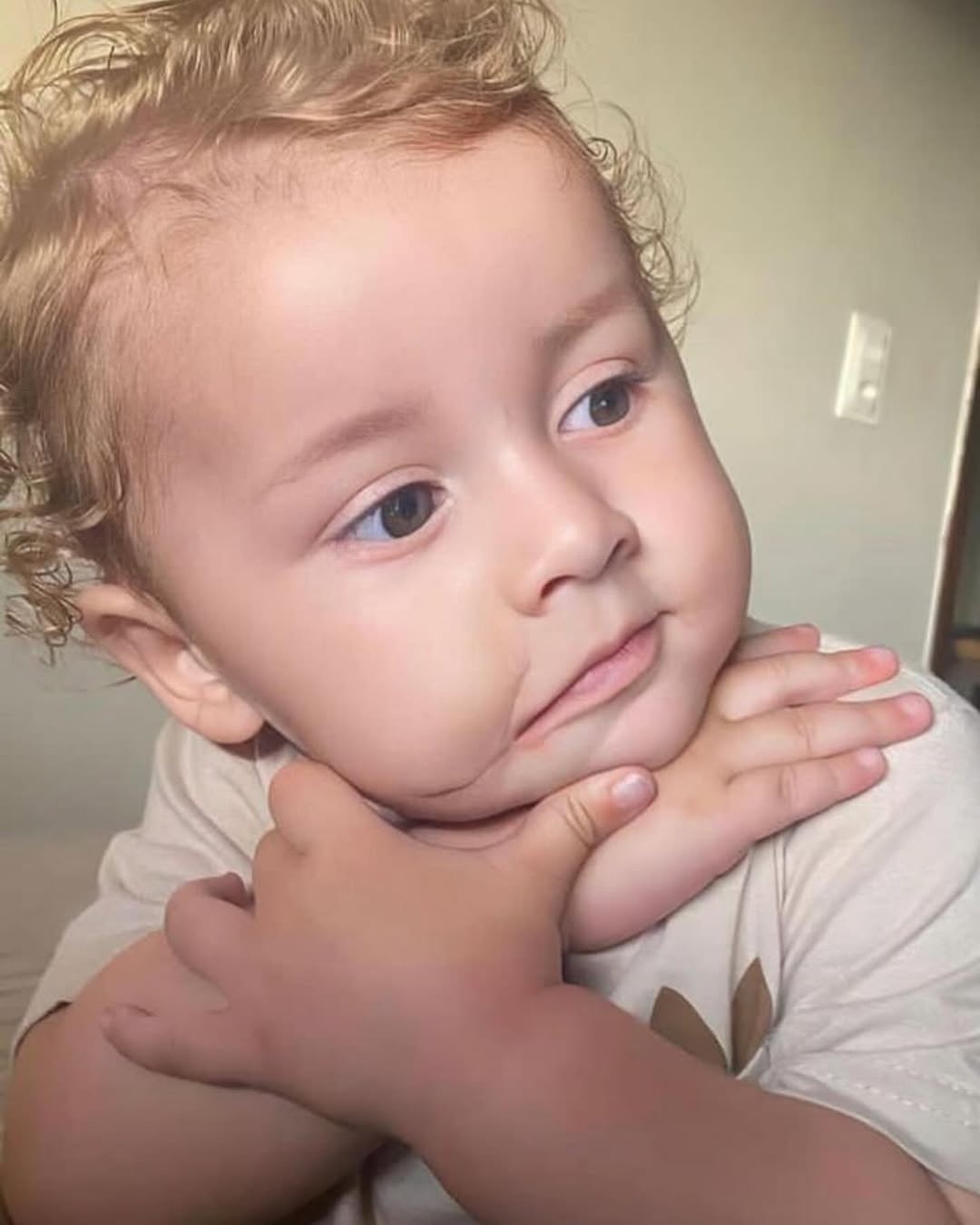
He also pointed out that angioleiomyoma can closely resemble other conditions, such as hemangiomas, which are often managed with medication or minimally invasive procedures. “Imaging exams like angio-resonance can help, but only a biopsy with immunohistochemical analysis can definitively establish the diagnosis,” he said. “Some diseases look very similar, yet require completely different approaches.”
For Crislaine, the past year has been a test of resilience. Her statements reflect the emotional weight carried by parents navigating rare medical conditions with limited information and few reference cases. Yet today, relief and hope are replacing fear.
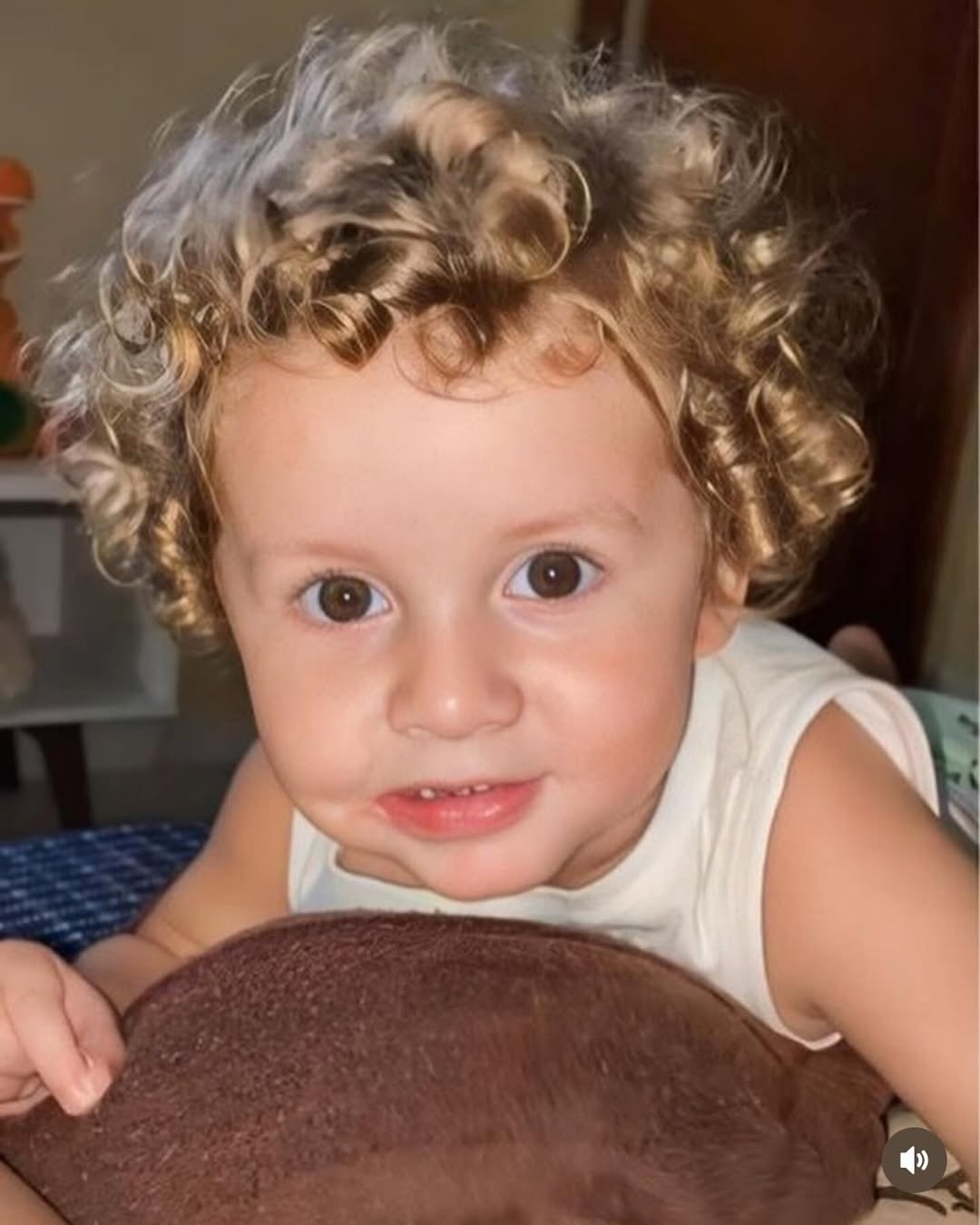
As Pedro continues his recovery, his story stands as a reminder of the importance of specialized medical care, accurate diagnosis, and perseverance in the face of uncertainty. What began as a moment of shock in the delivery room has now become a story of progress, medical dedication, and a family’s quiet celebration of a new beginning.