Suffering from a Rare Condition, 6-Year-Old Isma Has Spent Her Life Indoors
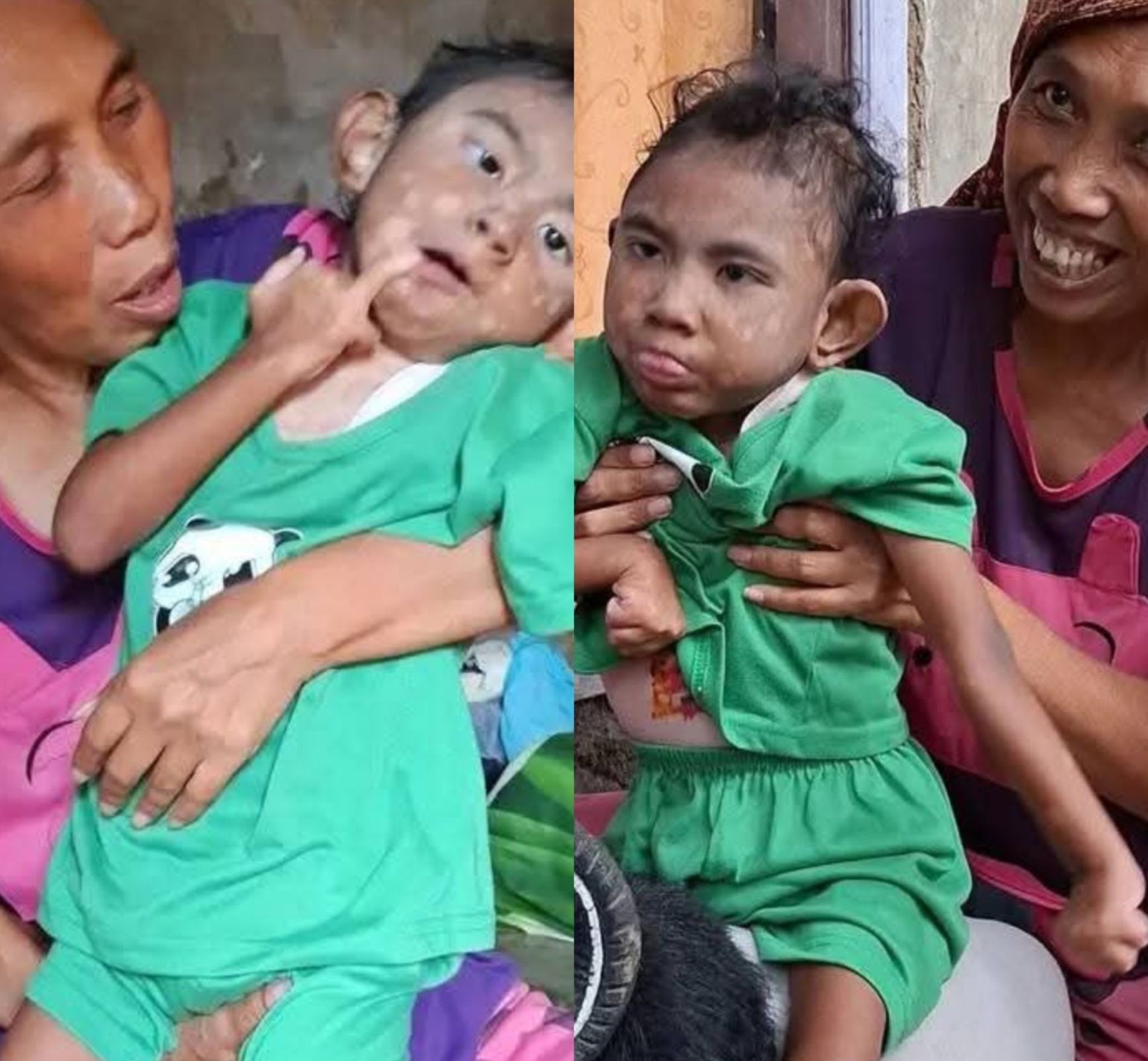
For six-year-old Isma, the world beyond her home remains largely unknown. Since birth, she has lived under constant supervision due to a rare and undiagnosed condition that has affected both her physical growth and brain development. Her story highlights the struggles faced by families with limited access to medical care and social support.
According to her grandmother and primary caregiver, Mak Elah, the family first realized something was wrong shortly after Isma was born. “We didn’t know what Isma’s condition was,” Mak Elah explained. “The doctor at the community health center only advised that she continue treatment and therapy at a hospital. But because we couldn’t afford it, we took care of her at home.”
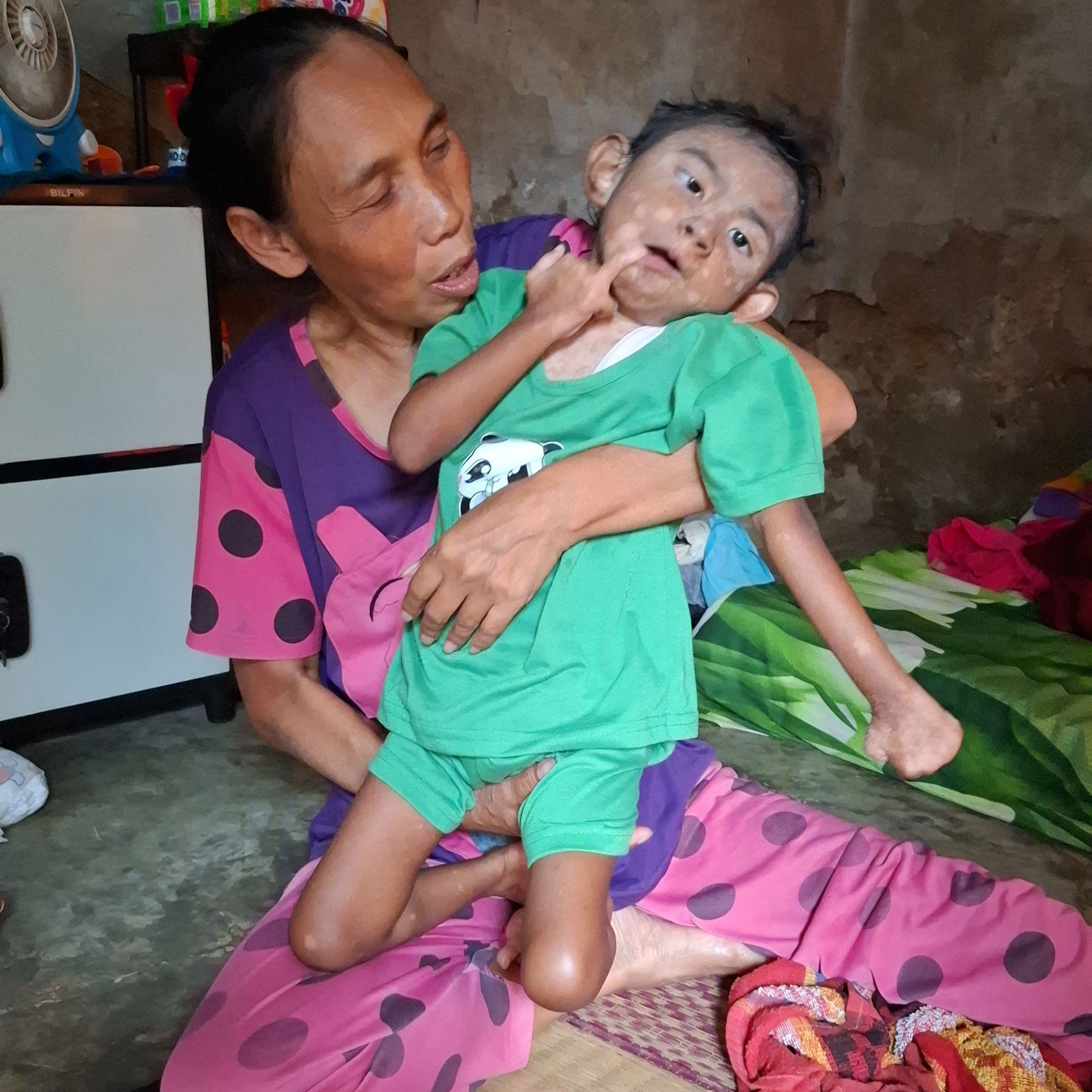
This statement reflects a common challenge in low-income communities, where medical recommendations often exceed what families can realistically access. While the advice to seek further treatment was medically appropriate, the lack of financial support and affordable healthcare options left the family with no practical choice but to manage Isma’s condition on their own.
Isma’s physical development has remained far behind that of other children her age. Her movements are limited, and her cognitive development is also impaired. These factors mean she cannot be left alone at any time and has never experienced a typical childhood environment, such as playing freely outdoors or interacting independently with other children.
At six years old, Isma is still unable to eat solid food. Her grandmother says she can only consume soft or mashed meals, which require careful preparation and constant assistance. “My granddaughter can’t talk like other children,” Mak Elah said. “If Isma doesn’t like something or feels unwell, she can only scream or cry. I have to try to understand what she wants.”
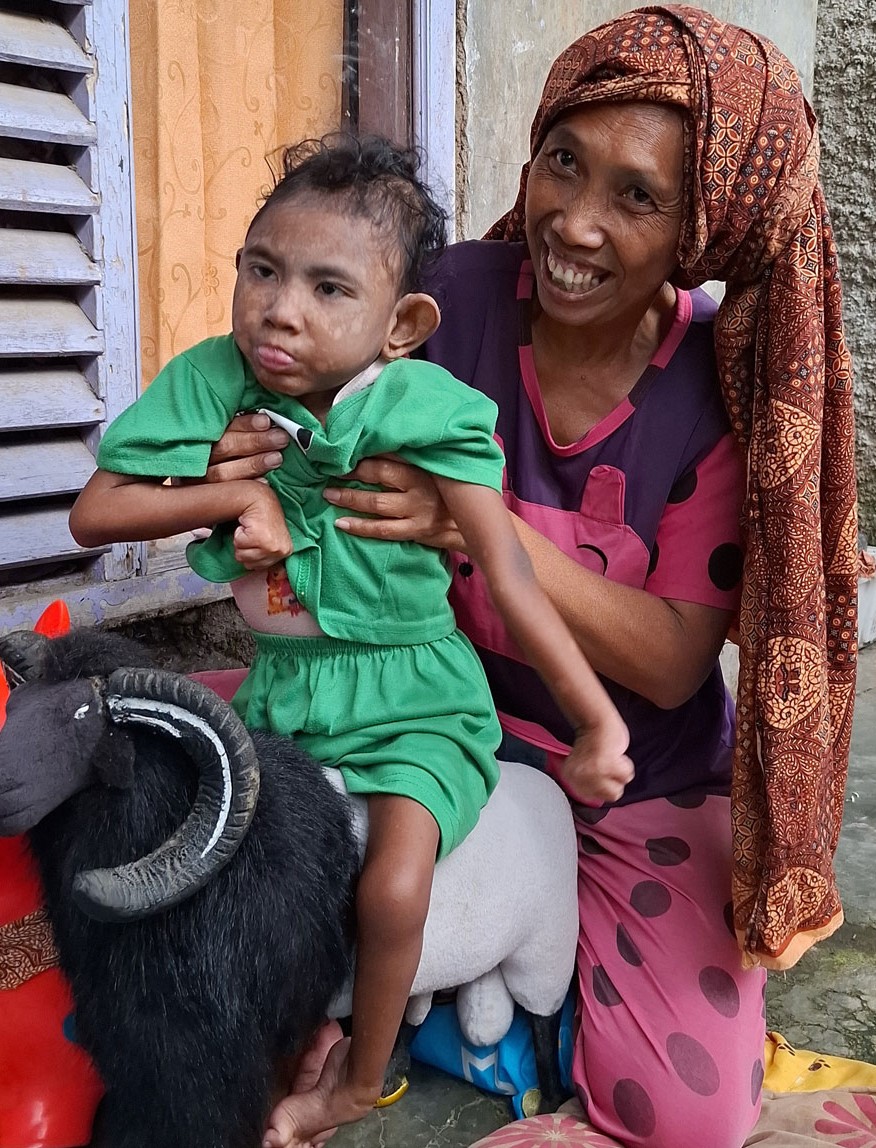
This remark reveals the emotional and physical burden placed on caregivers of children with developmental challenges. Without verbal communication, Mak Elah must rely on experience, observation, and intuition to interpret Isma’s needs, a task that becomes more difficult as the child grows older.
Medical workers reportedly predicted early on that Isma might not live long due to her fragile physical condition at birth. She was described as extremely small and physically underdeveloped. Despite these early predictions, Isma has survived into childhood, largely due to continuous care at home.
Her situation became even more difficult after the death of her mother several years ago following a serious illness. Since then, Mak Elah has assumed full responsibility for raising her granddaughter. “My daughter used to care for Isma,” she said. “Now she has passed away, so I take care of Isma while working as a farm laborer in the rice fields near our house.”
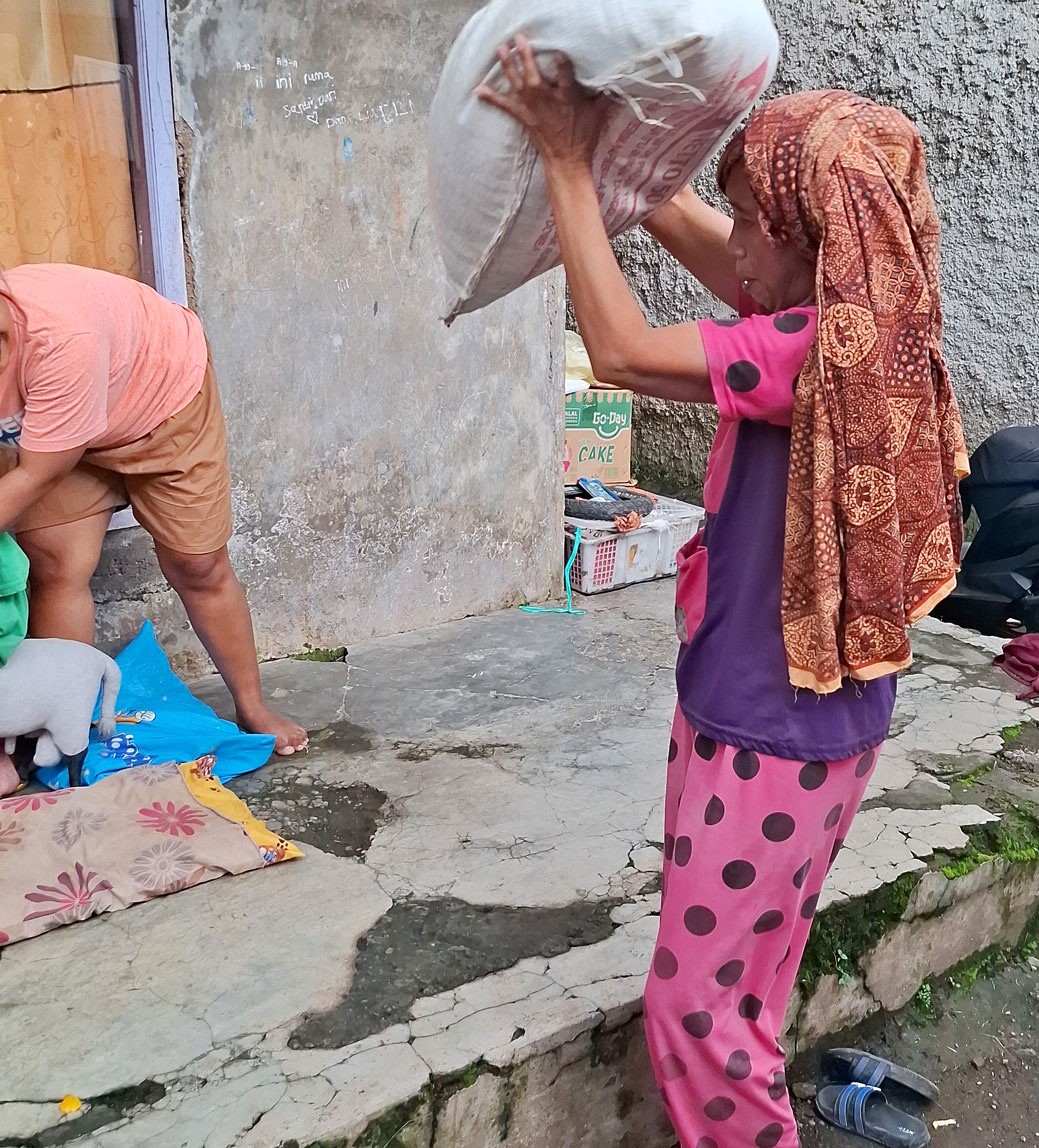
Mak Elah earns approximately 50,000 rupiah per day, an income that barely covers basic living expenses. As an elderly woman, she must divide her time between physically demanding farm work and round-the-clock caregiving for a child with special needs.
Although doctors reportedly told the family that Isma would never develop like other children, Mak Elah has not given up hope. Despite not knowing the exact name of her granddaughter’s condition, she continues to provide care with patience and affection, holding on to the belief that Isma’s condition could improve one day.